Report: 7,000 tons of unexploded Israeli ordnance in Gaza pose great danger to civilians

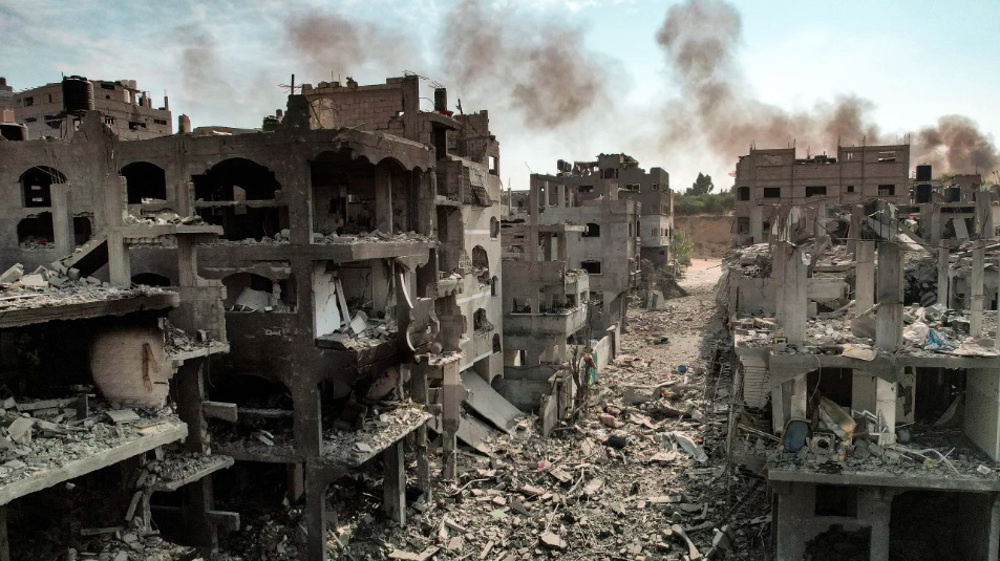
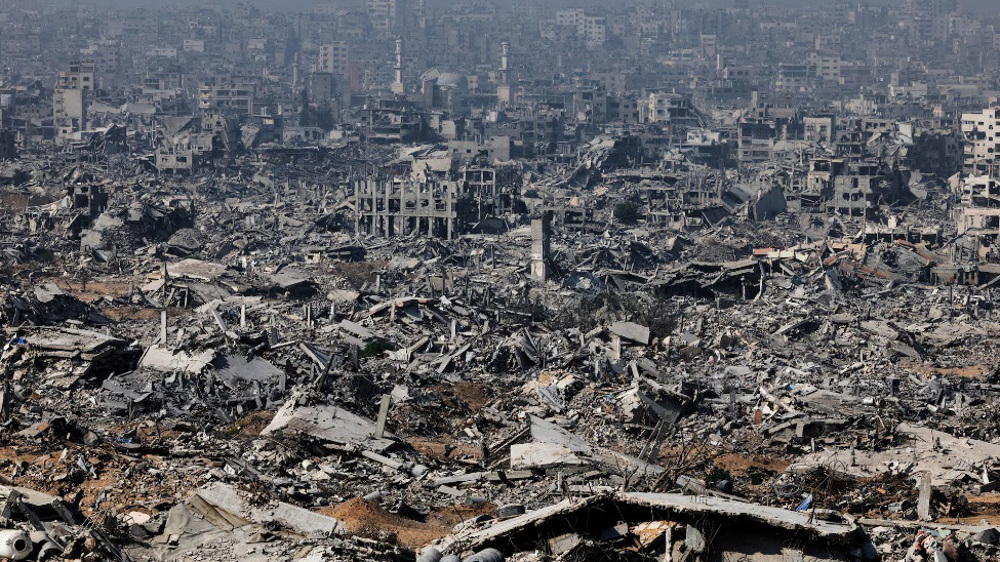
A recent report says Gaza may now contain the highest concentration of unexploded ordnance of any conflict zone in the world, posing a significant and enduring threat to civilians even after Israel's bombardment campaign against the besieged coastal area has ended.
According to the British news and current affairs journal The Economist, a considerable danger lies beneath the rubble, where Israeli occupation forces deployed numerous bombs equipped with delayed-action fuses.
These explosives can detonate unpredictably -- days, weeks, or even months later -- within collapsed structures or underground spaces, creating serious challenges for clearance operations and endangering returning families.
UN data referenced in the report reveals that at least 53 people have died and hundreds more have been injured due to unexploded bombs, although humanitarian organizations estimate that the actual numbers are likely much higher.
Among the most heartbreaking incidents was the case of six-year-old twins, Yahya and Nabila al-Sharbasi, who suffered appalling injuries after mistaking a bomb, abandoned amid the ruins of their neighborhood, for a toy.
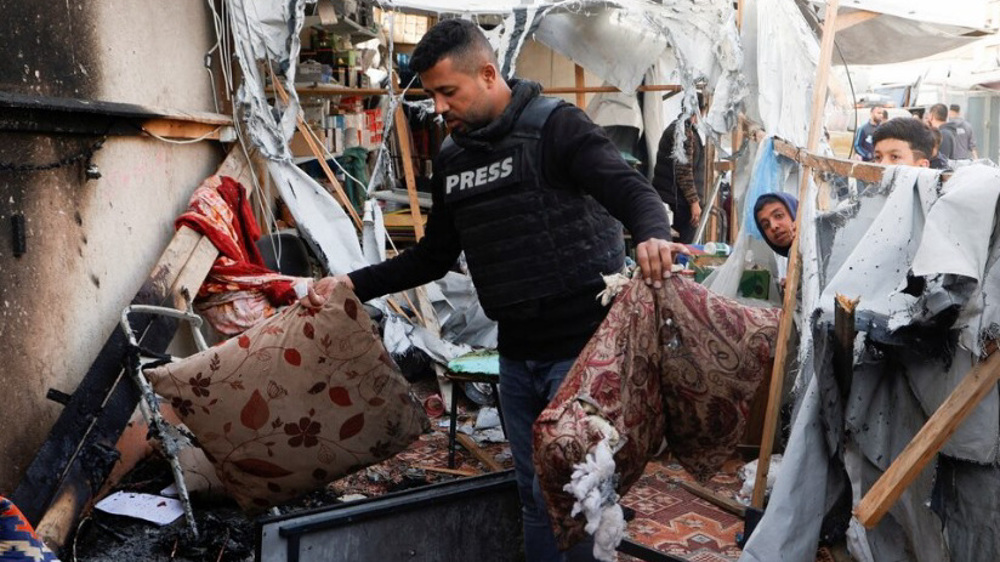
Aid organizations emphasize the significant danger faced by children in Gaza's densely populated residential zones.
UN estimates indicate that more than 7,000 tons of unexploded ordnance are spread throughout approximately 40 percent of Gaza's neighborhoods, with Beit Hanoun, Beit Lahia, and Jabalia being among the most heavily affected areas.

Humanity & Inclusion, a prominent relief organization, estimates that completely removing these explosives might require 20 to 30 years, or even longer if extensive international engineering assistance is not provided.
“Complete debris removal will never happen,” Nick Orr, an explosive-removal expert with the group, said. “Much of it is buried deep. We will be finding these for generations.”
The magazine highlights that despite years having passed since the end of the war against the Takfiri Daesh terrorist group, UN mine-removal teams in Mosul continue to face significant challenges.
However, it cautions that Gaza experienced much more intense bombardment, which has made clearance operations considerably more complex and hazardous.
Efforts to safely disarm unexploded bombs are heavily constrained by Israel, which imposes strict barriers on the import of specialized equipment and expert teams. In addition, it obstructs the professional training of Palestinian personnel required for these operations.
Israel categorizes many vital tools as dual-use items, restricting their entry into the territory. Consequently, bomb-clearance teams have had to rely on improvisation, often repurposing old food bags by filling them with sand to construct temporary blast barriers.
The report concludes that Gaza faces one of the most significant explosive contamination challenges in the world.
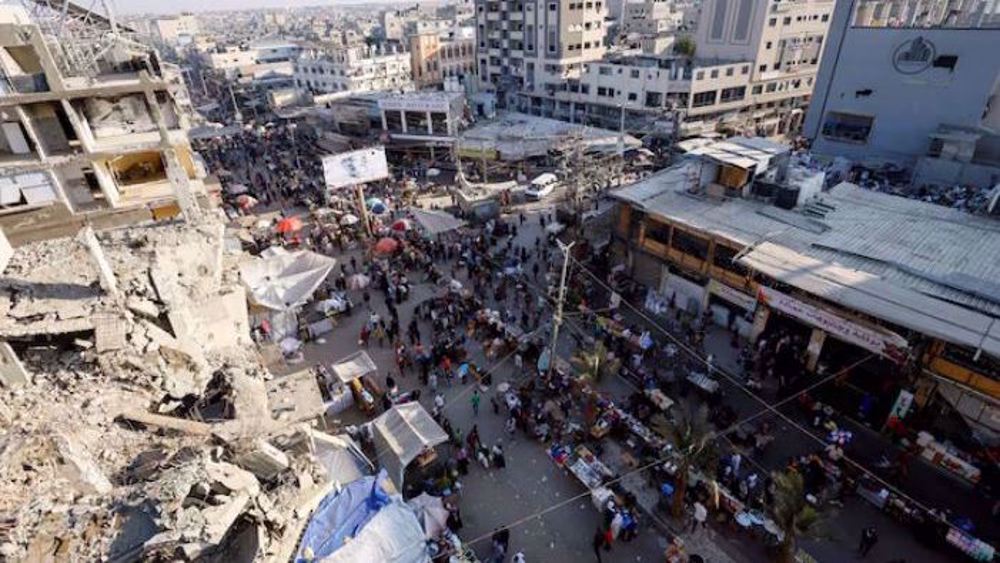
In contrast to Mosul and other war-affected cities, evacuation of residents during the clearance process is not possible in Gaza.

Lebanon’s Parliament Speaker: Talks under fire ‘unacceptable’

Hezbollah chief: Lebanon faces ‘dangerous, expansionist’ Israeli aggression

Israel is the ‘troublemaker’ in region, Saudi Prince Turki says



Lebanon’s Parliament Speaker: Talks under fire ‘unacceptable’
Video shows US killing shipwreck survivors in Caribbean strike, lawmakers say
Nematzadeh, Zeinali strike gold for Iran at U21 World Taekwondo Championships
Hezbollah chief: Lebanon faces ‘dangerous, expansionist’ Israeli aggression
Israeli reservist ends his life after participation in Gaza genocide
Israel is the ‘troublemaker’ in region, Saudi Prince Turki says
Threatening Iraq's sovereignty, US opens world’s largest consulate in Erbil
US Navy struck by Yemen: USS Truman disasters expose combat strain







 PressTV NEWSLETTER
now
PressTV NEWSLETTER
now

 This makes it easy to access the Press TV website
