Lebanon’s Parliament Speaker: Talks under fire ‘unacceptable’
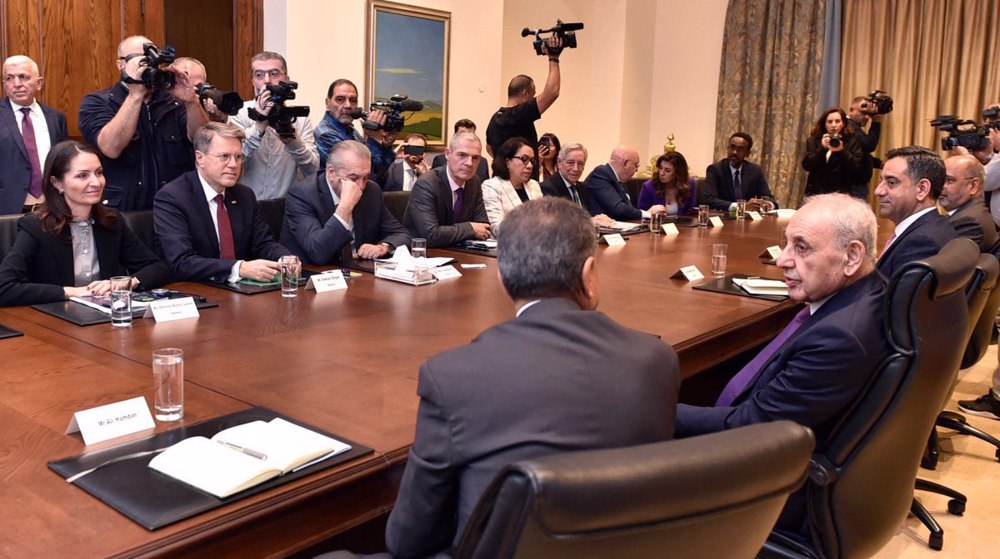
Lebanon’s Parliament Speaker Nabih Berri has warned that Israel’s unilateral strikes on his country could reignite a new war, stressing that negotiations under Israeli fire are “unacceptable.”
"It is not acceptable to negotiate under (Israeli) fire," Berri told a United Nations Security Council delegation on Friday, stressing that Israel must abide by the ceasefire agreement reached last year.
"Stability in the south requires Israel's adherence to UN Resolution 1701 and to the ceasefire agreement by halting its daily violations and withdrawing behind the international borders," he added.
The UN delegation also met on Friday with Lebanon’s President Joseph Aoun and Prime Minister Nawaf Salam. It is due to inspect the border area in southern Lebanon on Saturday.
The visit comes as Lebanese and Israeli representatives held their first direct talks in decades.
Israel and Hezbollah agreed to a ceasefire that took effect on November 27, 2024. Under the deal, Tel Aviv was required to withdraw fully from Lebanese territory—but has kept forces stationed at five sites, in clear violation of UN Security Council Resolution 1701 and the terms of the November 2024 agreement.
Since the implementation of the ceasefire, Israel has violated the agreement thousands times through repeated assaults on Lebanese territory. Lebanese authorities have warned that the regime’s violations of the ceasefire threaten national stability.
Speaking with the UNSC ambassadors, Lebanese President Joseph Aoun said his country does not want war with Israel.
The Lebanese "do not want war again, the Lebanese people have suffered enough and there will be no going back", a presidency statement cited Aoun as saying.
Aoun stressed "the need to pressure the Israeli side to implement the ceasefire and withdraw, and expressed his hope for pressure from the delegation".
Any outcome from these talks "depends primarily on Israel's position, upon which the negotiations will either reach practical results or fail", he added.
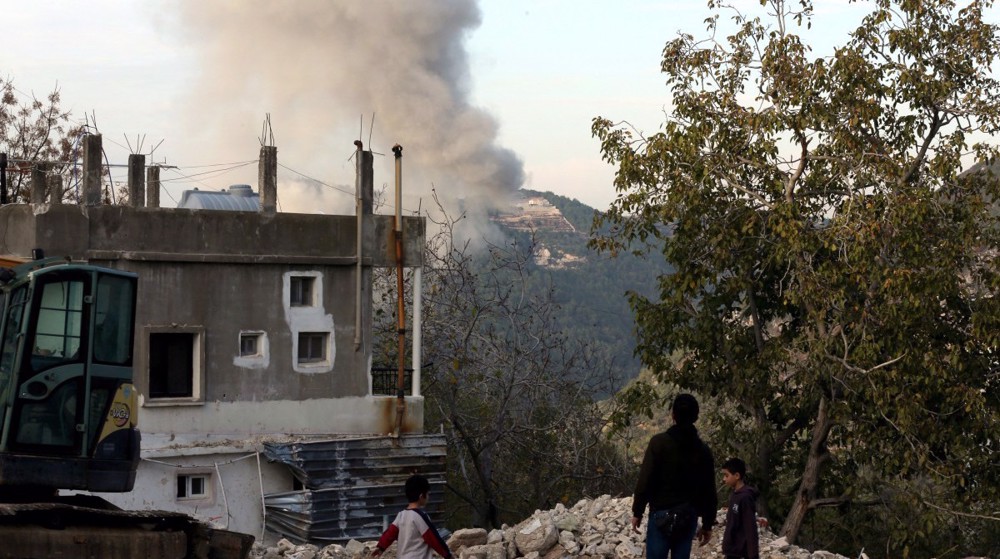
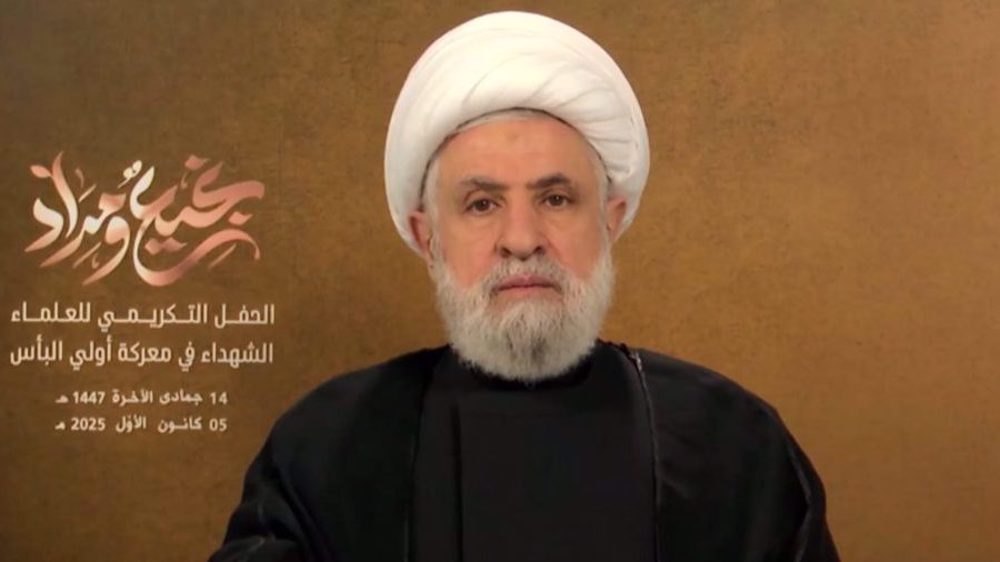
In a televised address, Hezbollah Secretary-General Sheikh Naim Qassem said his group supports the state's decision to choose "diplomacy to end the aggression”, but he criticized the inclusion of a civilian representative.
"We consider this measure an additional misstep on top of the sin" of the government's decision in August to restrict weapons to the state by the end of the year, he said.
"This concession will not change the enemy's position, nor its aggression or occupation," he added, urging authorities to reconsider.
He stressed that the aggression doesn’t aim to disarm the resistance but to occupy Lebanon and start implementing the so-called “Greater Israel” vision.
The so-called “Greater Israel” vision, which includes the Israeli-occupied Palestinian territories as well as parts of Egypt, Jordan, Syria, and Lebanon, was described by Prime Minister Benjamin Netanyahu in August as “a historical and spiritual mission.” He told Israeli media that he feels a deep connection to "this vision."
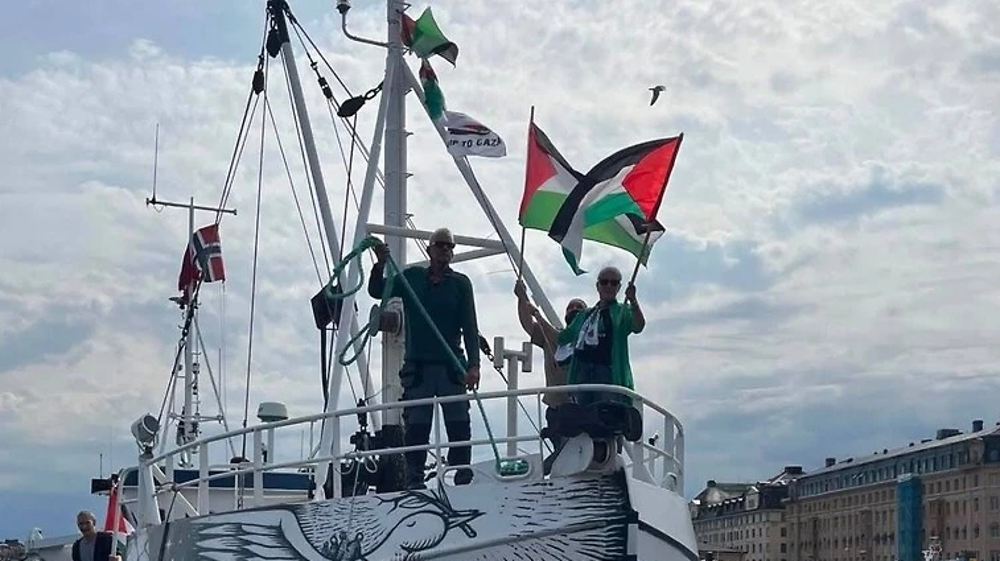
‘Governments continue to fail’: Freedom Flotilla sails again to break Israel’s Gaza blockade
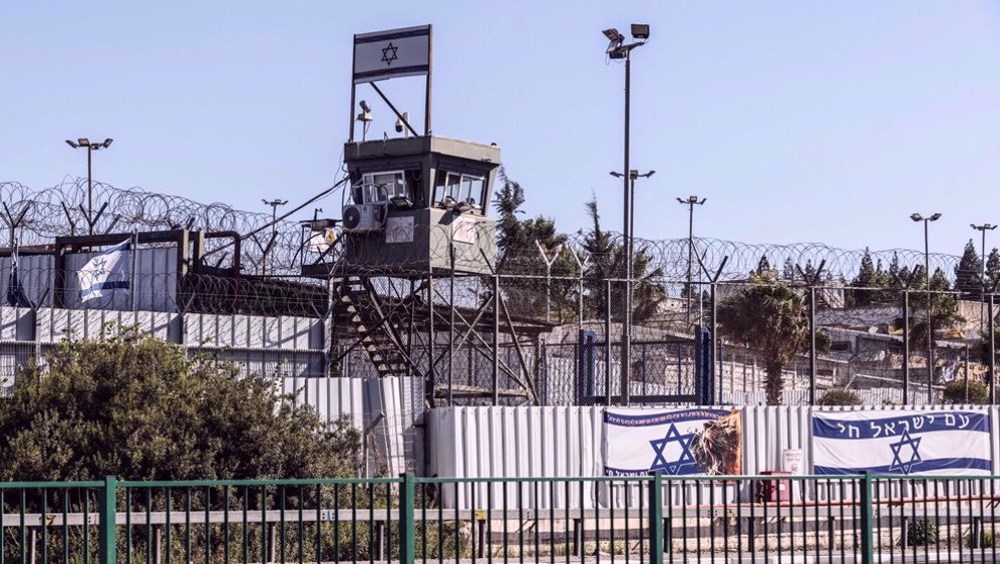
Israeli soldiers who gang-raped Palestinian abductee file lawsuit for $6 million
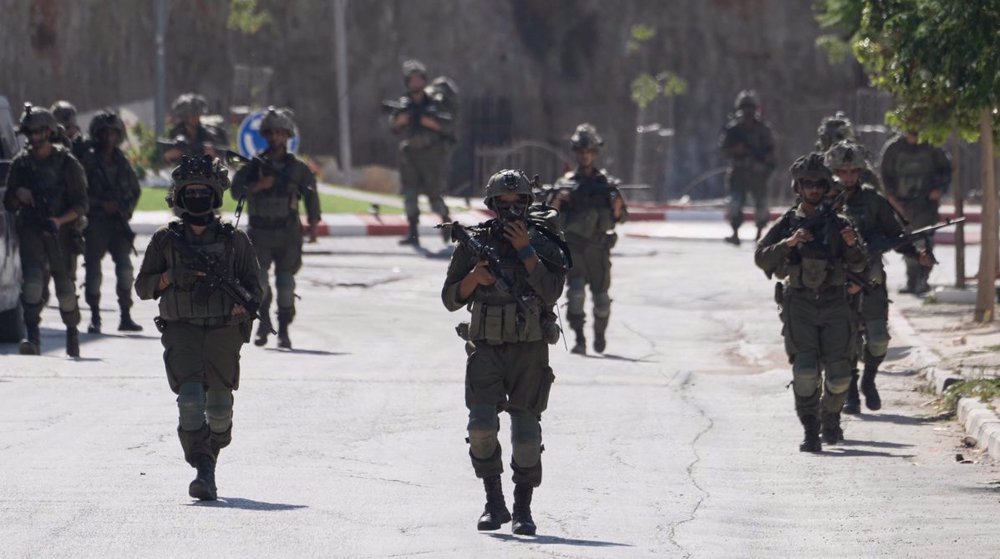
Israeli military bars activists from aiding Palestinians in besieged West Bank village


VIDEO | Press TV's news headlines
VIDEO | Yemen’s roads, bridges devastated by years of war, blockade
VIDEO | Analyst: Failed cycle of US Iran policy serves corporate interests
IRGC ballistic missile retaliation forces US aircraft carrier, destroyer to flee
VIDEO | ‘US escort a big lie’: IRGC unveils decisive targeting of non-compliant vessels in Strait of Hormuz
IRGC strikes 3 US-linked vessels, 3 trespassing oil tankers in retaliation for American attacks
VIDEO | Trump downplays costs, consequences of war on Iran
VIDEO | News Review: Trump downplays war on Iran, calling it 'small potatoes'


 PressTV NEWSLETTER
now
PressTV NEWSLETTER
now
 This makes it easy to access the Press TV website
