Iran slams Israeli strikes in Lebanon, says guarantors complicit through inaction
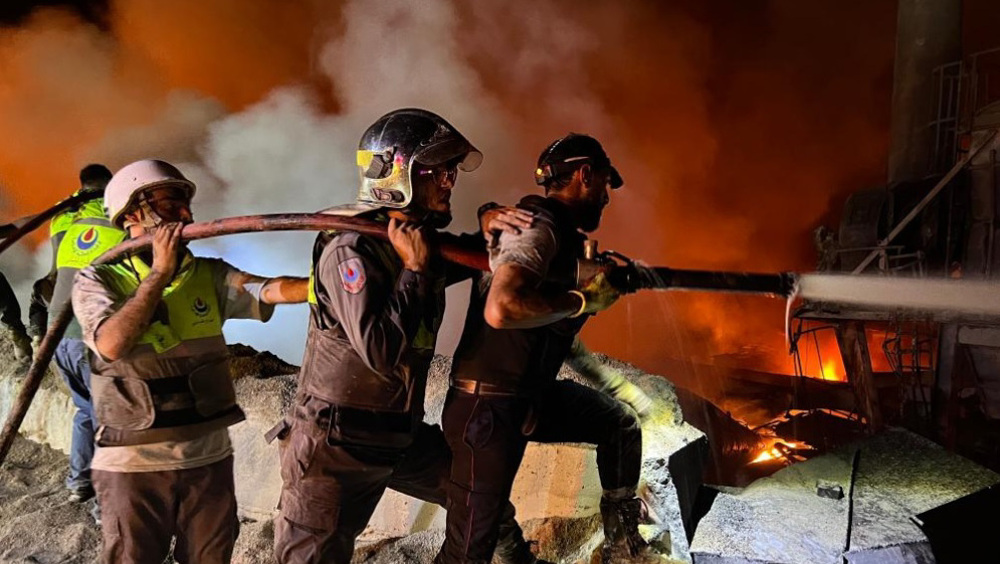
Iran has condemned Israeli strikes in southern and eastern Lebanon that killed one person and wounded several others, calling the attacks a fresh breach of the November 2024 ceasefire and blaming them on the inaction of the deal’s guarantors.
In a statement released on Friday, Spokesman for the Iranian Ministry of Foreign Affairs Esmaeil Baghaei said the attacks were a “blatant violation of Lebanon's territorial integrity and national sovereignty.”
Baghaei noted that Israel has violated the ceasefire nearly 5,000 times in the past few months, causing civilian casualties, destruction of infrastructure, and disruption of Lebanon’s reconstruction and economic development.
The Iranian diplomat criticized France and the United States — as guarantors of the ceasefire — for “continued inaction and appeasement” toward Israel over repeated violations of the agreement, noting that Paris and Washington are "directly responsible" for the breaches.

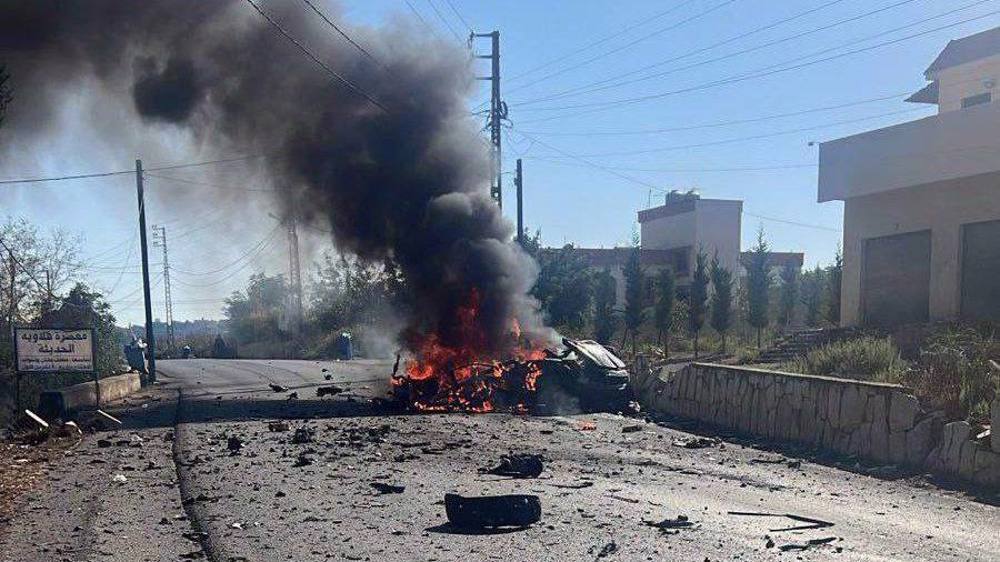
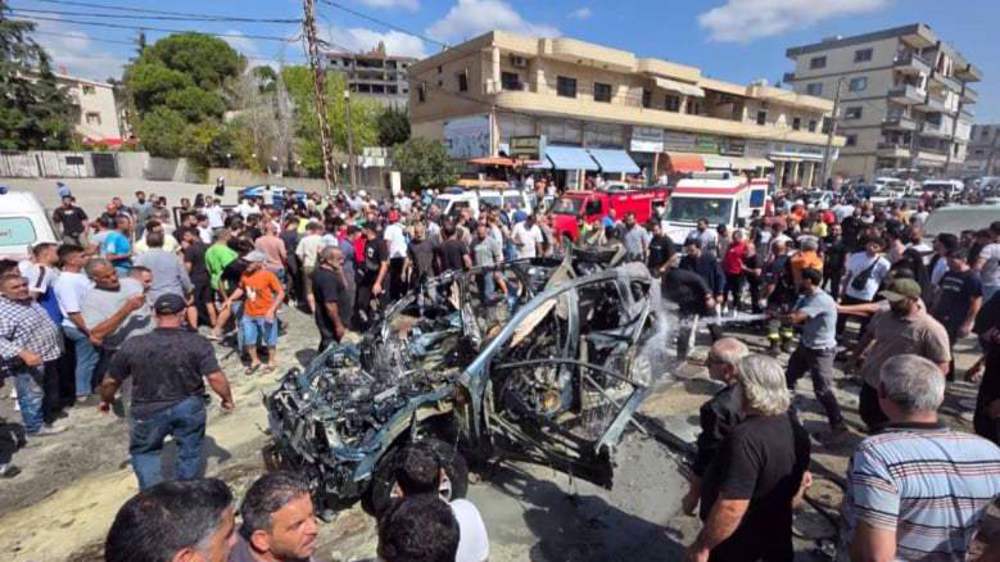
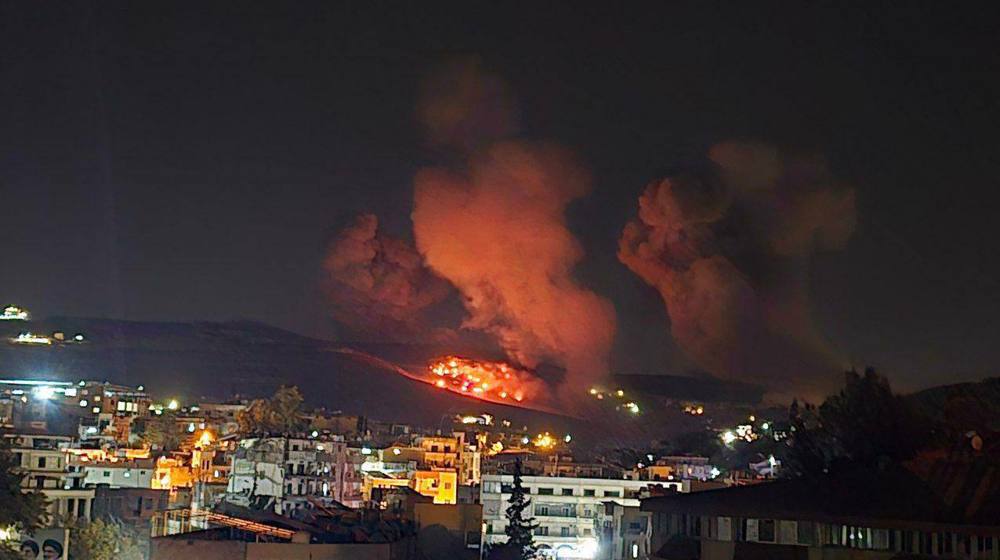
Lebanon’s official National News Agency (NNA) said two Israeli attacks targeted the southern town of Bnaafoul in Sidon, and a third in Khirbet Dweir between the towns of Sarafand and Baysariyeh.
Israeli fighter jets also struck an area between the towns of Roumine and Houmine in the Nabatieh district.
An Israeli drone bombed the town of Blida in the Marjayoun district as residents were harvesting olives.
NNA said that Israeli airstrikes also targeted the districts of Sidon, Marjayoun, and Bint Jbeil in southern Lebanon, as well as Baalbek in the east.
The Public Health Emergency Operations Center at the Lebanese Health Ministry said one person was killed in the eastern town of Shmustar, while one was injured in Bna'foul in the Sidon district. Another six individuals were wounded in the Nabatieh district.
An Israeli army statement claimed it had “struck Hezbollah infrastructure... in the Mazraat Sinai area in southern Lebanon.”
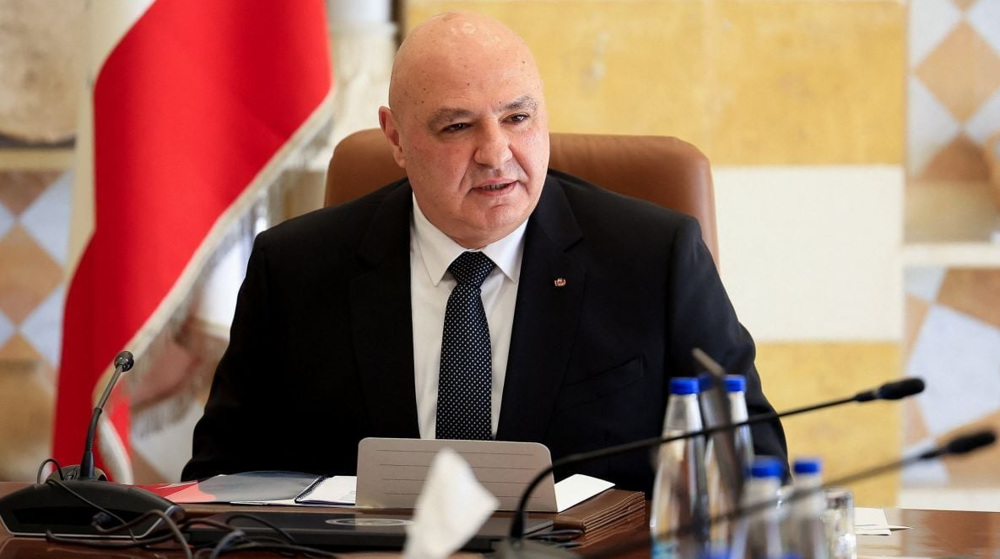
Lebanese President Joseph Aoun condemned the strikes, saying that "this repeated Israeli aggression is part of a systematic policy aiming to hinder economic recovery and attack national stability under false security pretenses."
"This aggressive behavior constitutes a grave violation of Resolution 1701 and the ceasefire agreement and confirms that Israel continues to violate its international obligations and use force outside of any legal framework, which requires an international response to put an end to these condemnable violations,” Aoun added.
The resolution, which brokered a ceasefire in the 33-day-long war Israel launched against Lebanon in 2006, calls on the occupying Tel Aviv regime to respect Lebanese sovereignty and territorial integrity.
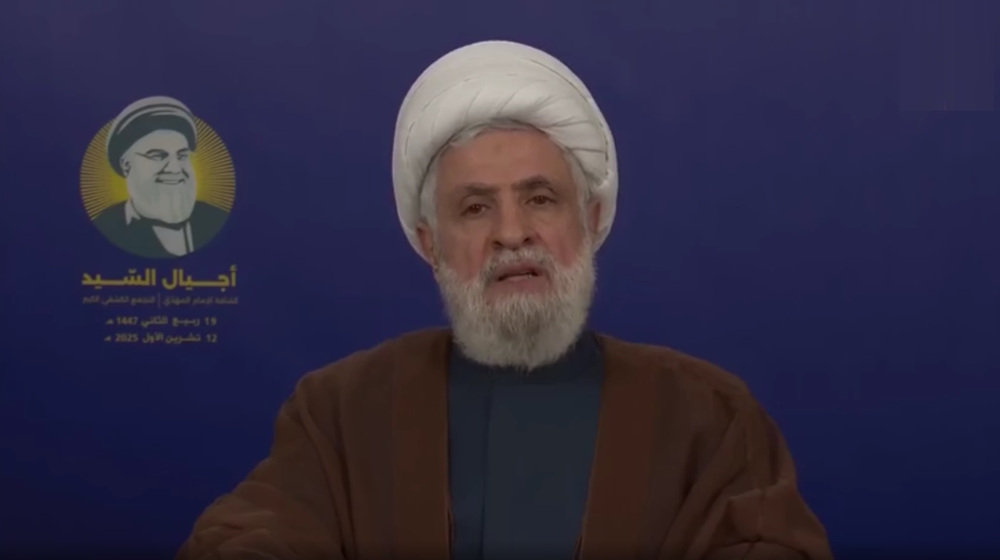
The repeated violations of Lebanese airspace and sovereignty come amid a US-Israeli push to disarm Hezbollah, which is seen as the only credible military force equipped to confront the occupation and prevent further Israeli advances.
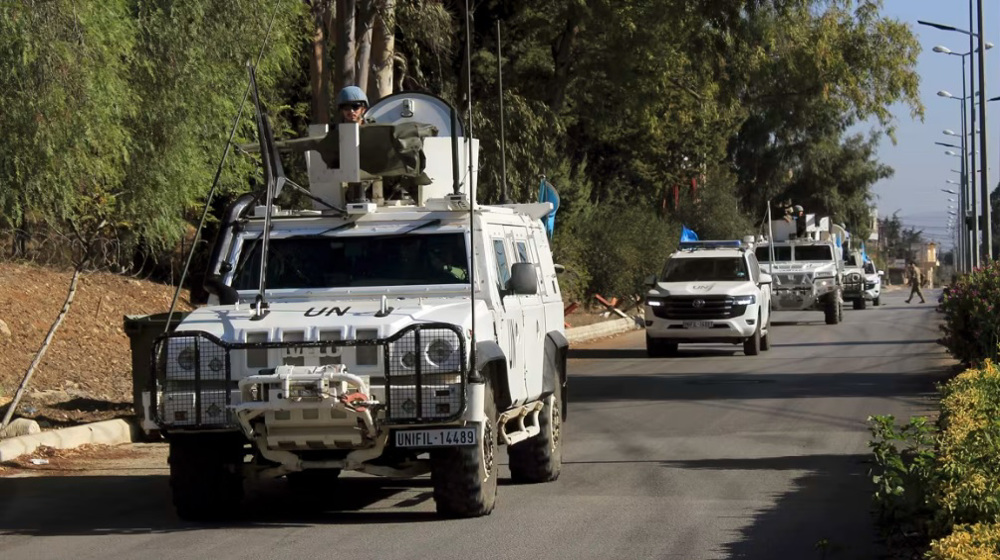
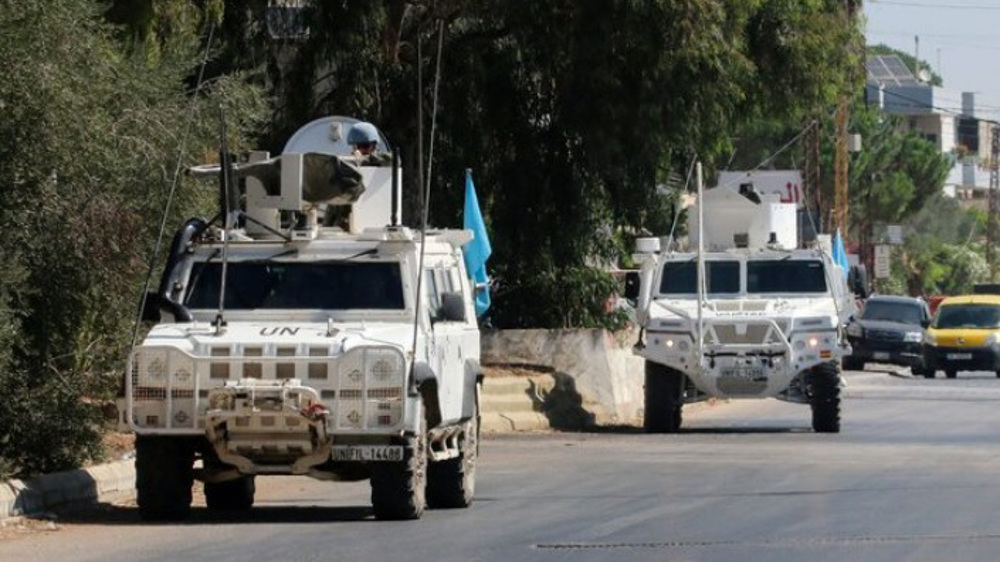
Prime Minister Nawaf Salam expressed his approval of the extension of UNIFIL's mandate while underscoring the necessity for Israel to withdraw from the territories it occupies in Lebanon.
Critics, however, raise concerns about how Lebanese forces can establish control in the south while Israeli troops continue to be present and intensify their attacks.
As demands to disarm Hezbollah intensify from Washington and Israel, numerous individuals in Lebanon contend that these initiatives overlook the fundamental problem of Israel's ongoing infringements on Lebanese sovereignty.
Iran, Russia sign agreement to boost AI, cyber security cooperation
Iran warns UN of humanitarian impact of unilateral coercive measures
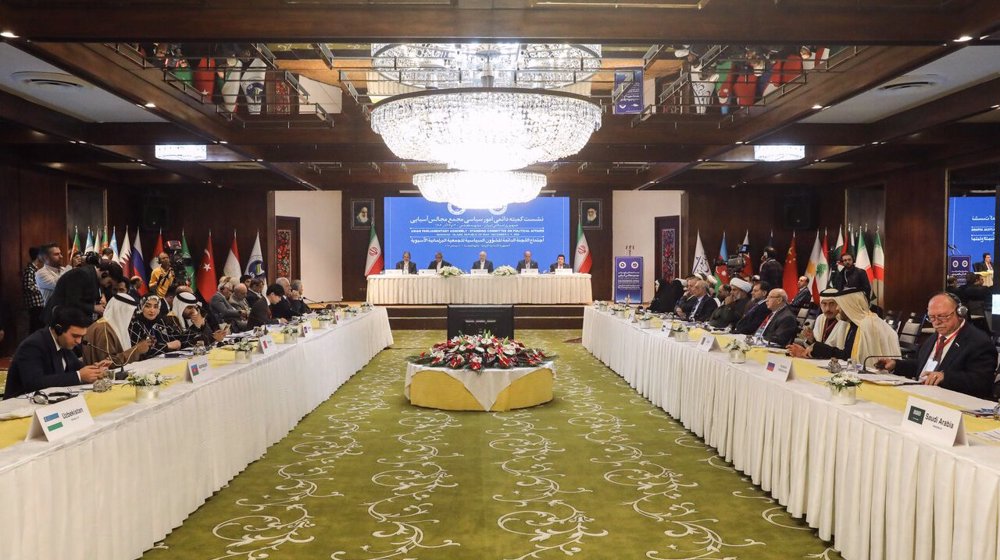
Asian Parliamentary Assembly condemns US-Israeli aggression on Iran


‘Sickening’: Trump’s ‘Peace Prize’ moment at World Cup draw sparks worldwide cringe
Iran drawn against Belgium, Egypt, New Zealand in 2026 FIFA World Cup Group G
VIDEO | Slamming ‘Greater Israel’ project
VIDEO | Press TV's news headlines
VIDEO | UAE-backed separatists seize key provinces in eastern Yemen
VIDEO | New data reveals India’s exports slide sharply over US tariffs
Man shot dead leaving mosque as Israeli raids, settler violence sweep West Bank
Niger accuses French nuclear giant Orano of ‘mass crimes’



 PressTV NEWSLETTER
now
PressTV NEWSLETTER
now

 This makes it easy to access the Press TV website
