Grand mufti warns against plots to create crises in Lebanon, urges unity
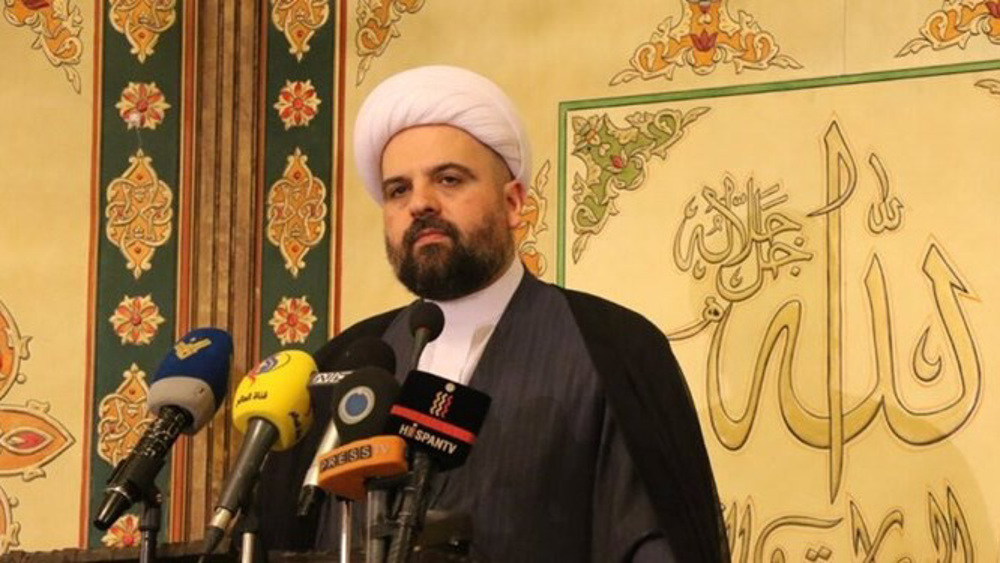
Lebanon’s Grand Shia Mufti Sheikh Ahmad Qabalan has warned against attempts by certain groups and political factions to cause trouble and fabricate crises in the Arab nation, emphasizing the necessity to strengthen national unity.
“The country does not need new conflicts. It is high time we preserved unity and solidarity, and refrained from division. The president (Joseph Aoun) should work towards promotion of national unity, and stay clear of plots aimed at sowing the seeds of discord inside the country,” Sheikh Qabalan wrote in a letter addressed to Prime Minister Nawaf Salam on Monday.
He added that the martyrs’ sincere sacrifice and that of other self-sacrificing warriors gave the Lebanese nation dignity, and their pure blood protected the country throughout Israel's 33-day war back in the summer of 2006, and during the recent nearly 14-month aggression.
“[Late Hezbollah secretary general] Sayyed Hassan Nasrallah and late Prime Minister Rafic Hariri serve as high figures of sovereignty and national pride for the entire region,” Sheikh Qabalan said.
He lauded the late Hezbollah chief as a martyr of al-Quds who “made great sacrifices in order to safeguard Lebanon and the sovereignty of the region.”
“The president's strength lies in the unity of the Lebanese nation, and public participation. The president as a guarantor is supposed to increase national unity as much as possible, and face up to divisive plots,” the Grand mufti said.
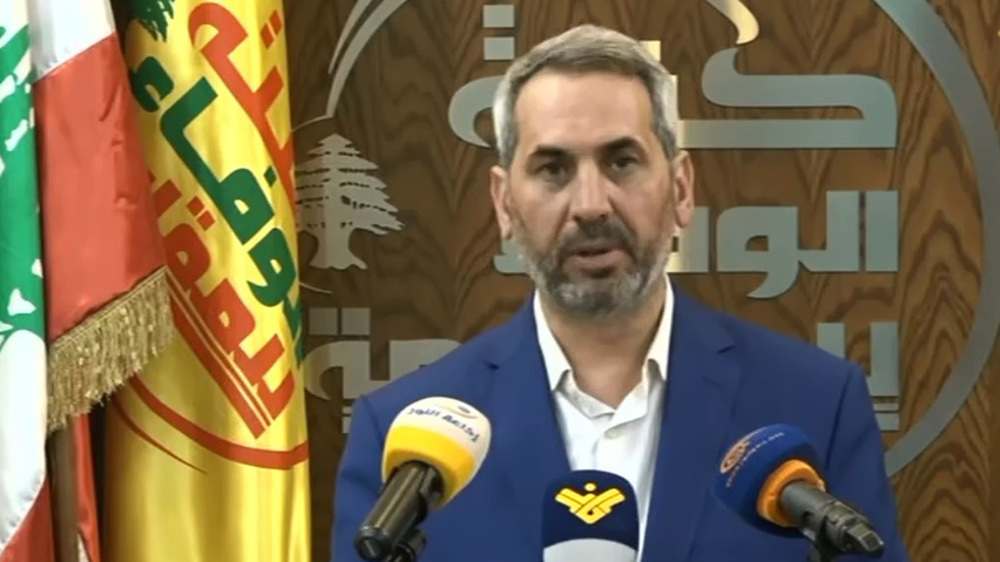
The remarks come amid growing pressure on the Lebanese government to disarm the Hezbollah resistance movement. The United States and Israel have increasingly attacked the peacekeeping force for not countering Hezbollah in southern Lebanon.
However, observers note that the UNIFIL’s mandate does not include countering Hezbollah, and the resistance group is widely viewed across Lebanon as a critical deterrent against Israeli aggression.
Despite near-daily Israeli airstrikes and repeated violations of Lebanese airspace and sovereignty, Hezbollah remains the only credible military force capable of confronting the occupation and preventing further Israeli incursions.
Lebanese officials have condemned Israel’s continued occupation of five positions in southern Lebanon, calling it a clear breach of the ceasefire terms.
Prime Minister Nawaf Salam, under growing US-Israeli pressure to push for Hezbollah’s disarmament, welcomed the extension of UNIFIL’s mandate but emphasized the need for Israel to withdraw from occupied Lebanese territory.
Critics, however, question how Lebanese forces can assert control in the south while Israeli troops remain in place and escalate attacks.
As calls to disarm Hezbollah grow louder from Washington and Israel, many in Lebanon argue that such efforts ignore the core issue of Israel’s continued violations of Lebanese sovereignty.

Missiles rain down on Israeli targets in fresh wave of Hezbollah counterattack

US-hosted Lebanon-Israel talks end without ceasefire agreement: Report
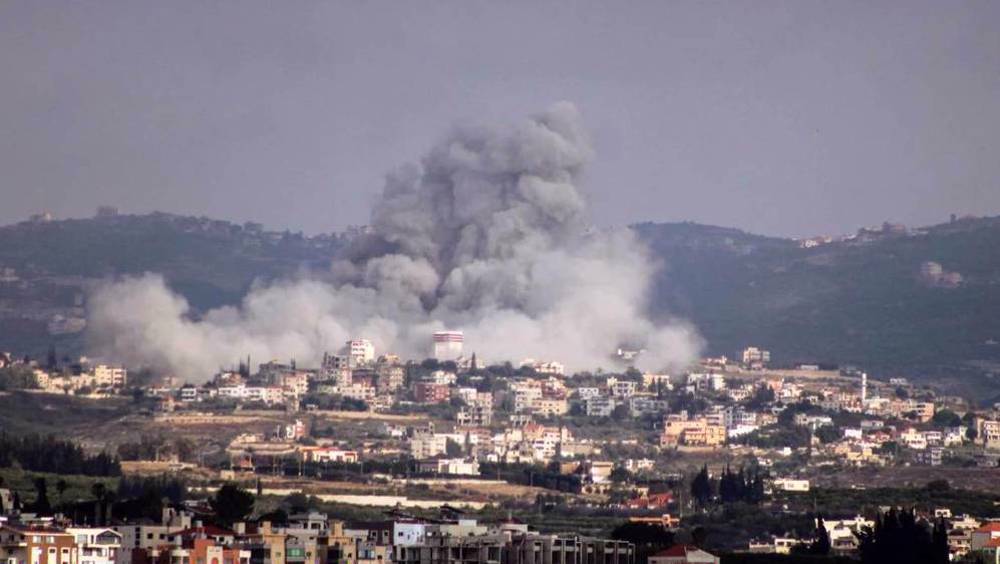
New Israeli strikes kill five in southern Lebanon amid relentless truce violations


‘Ceasefire is a joke’: Israeli troops recount killings in Gaza based on ‘a hunch’
Lebanese PM warns of ‘dangerous’ Israeli escalation as fighting intensifies in south
Israeli strike kills head of anaesthesia department at Gaza hospital
Iran says IRGC Navy to control all Strait of Hormuz traffic ‘with full authority’
Iran’s Defense Ministry to establish drone support center: Spokesman
Iran's Shahpari snatches second silver, rewrites national record at Asian U20 Athletics C'ships
US households lose $60 billion to rising energy costs amid war on Iran: Report
Kata'ib Hezbollah says US, British envoys must not interfere in Iraq's domestic affairs


 PressTV NEWSLETTER now
  This makes it easy to access the Press TV website