Iran has industrialized nuclear program to benefit public: Nuclear chief
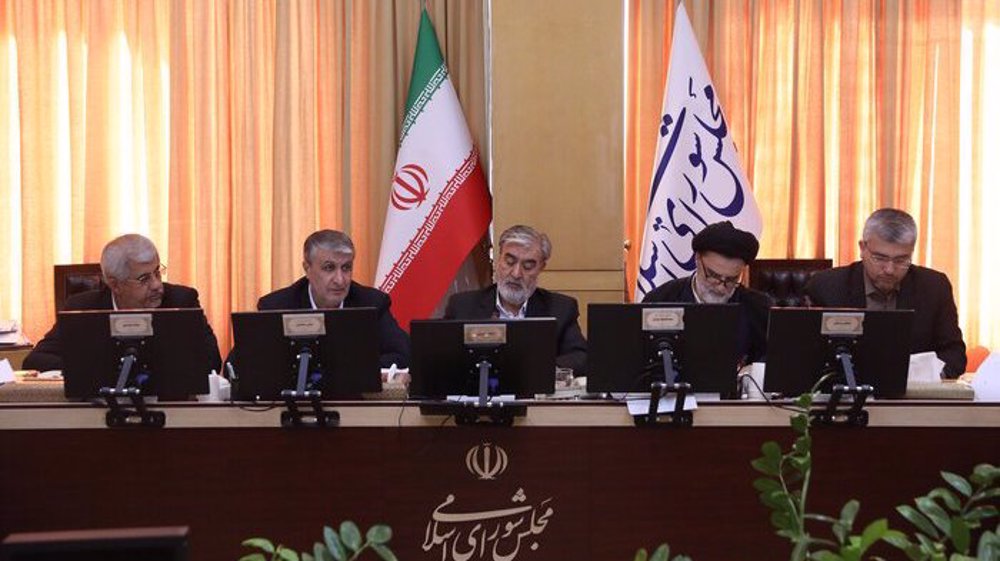
The Atomic Energy Organization of Iran (AEOI) has broadened its scope of activities beyond research and development to an industrial phase with the aim of directly benefiting the public, according to the organization’s head.
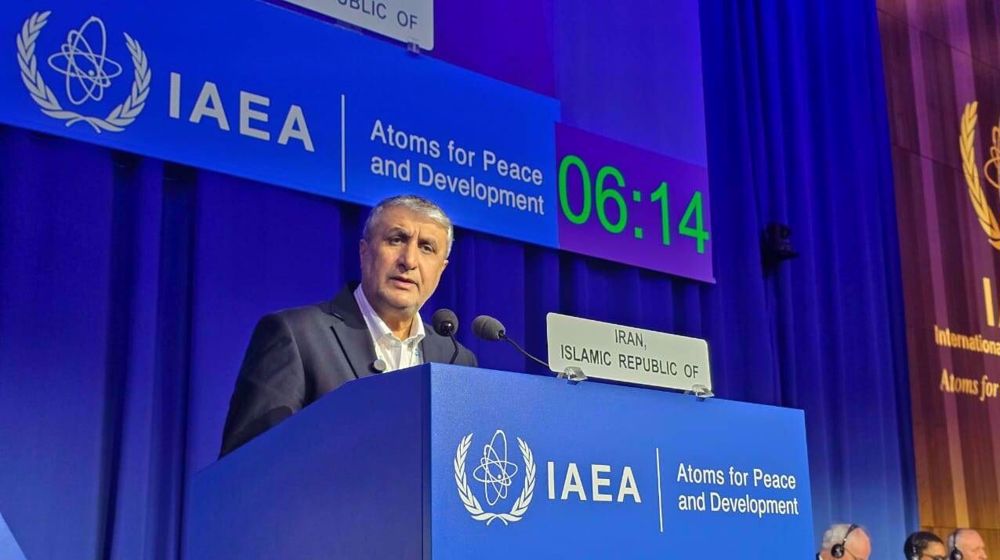
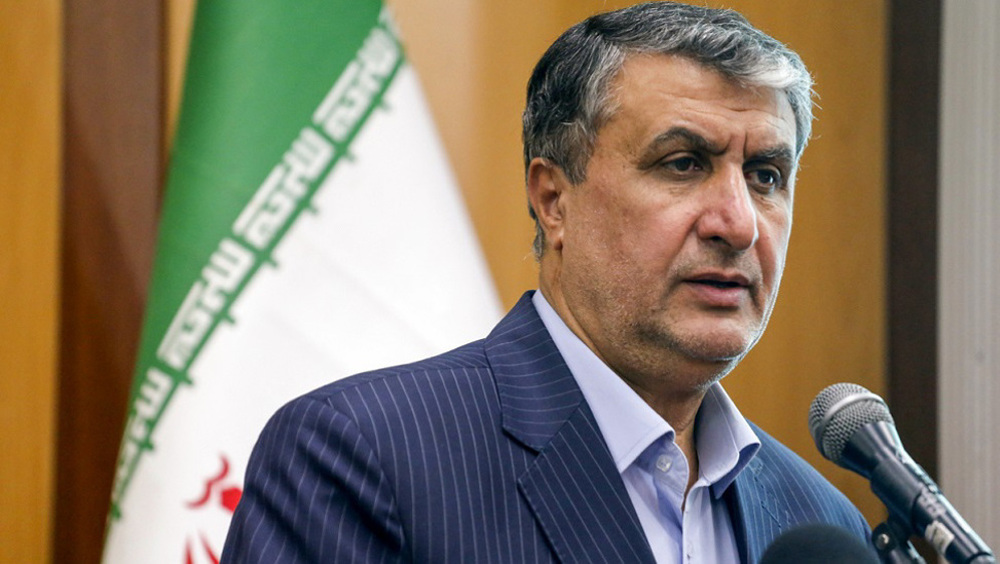
Mohammad Eslami made the remarks during a Tuesday meeting of Parliament’s National Security and Foreign Policy Committee, where he briefed lawmakers on the achievements of the AEOI as well as the damage inflicted on the country’s nuclear sites during the US-Israeli war of aggression in June.
Ebrahim Rezaei, the spokesperson for the committee, quoted Eslami as saying that domestic production of radiopharmaceuticals has been firmly established, has never been halted, and will continue indefinitely.
The nuclear chief further said that the AEOI has successfully transitioned its research and development into an industrial phase, aiming to create tangible benefits for the public and the national economy.
The organization has achieved nearly 500 milestones since 2022, with many directly benefiting the public, Eslami said.
He further explained that nuclear energy increases the quality and quantity of crops, and so far, a number of irradiation centers with a capacity of 500,000 tons have been established.
He also highlighted the application of plasma therapy in treating diabetic wounds and breast cancer, alongside advanced projects for treating industrial waste and converting contaminated water into usable water.
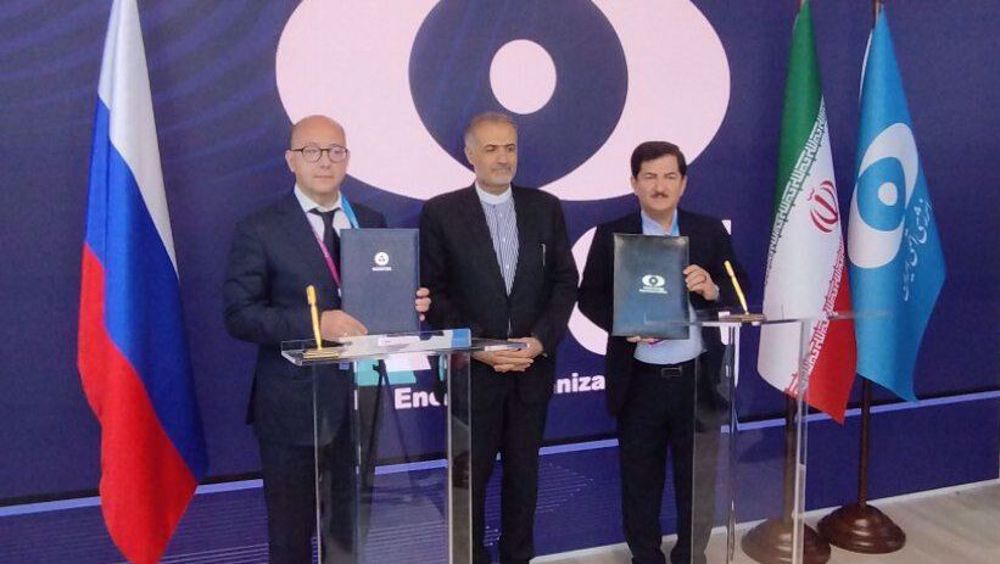
Referring to his trip to Russia, Eslami noted that a protocol has been signed for the construction of eight nuclear power plants with Russia, one of which is already operational, two are under construction, and an agreement has been made to build plants with a total capacity of 5,000 megawatts in Hormozgan province.
Elsewhere in his remarks, the nuclear chief criticized the International Atomic Energy Agency (IAEA) for failing to safeguard confidential information despite repeated warnings from Tehran.
Regarding the negotiation process, he clarified that all political talks fall under the purview of the Ministry of Foreign Affairs, which operates under the guidance of the Supreme National Security Council.
On September 9, Iranian Foreign Minister Abbas Araghchi and IAEA Director General Rafael Grossi reached an agreement on practical modalities to resume cooperation after a meeting in the Egyptian capital of Cairo.
It came after the Iranian Parliament unanimously passed legislation requiring the administration to suspend all cooperation with the IAEA following the Israeli-US aggression, which targeted three of the country’s nuclear sites in a clear violation of international law and the Nuclear Non-Proliferation Treaty (NPT).
Iran warns UN of humanitarian impact of unilateral coercive measures
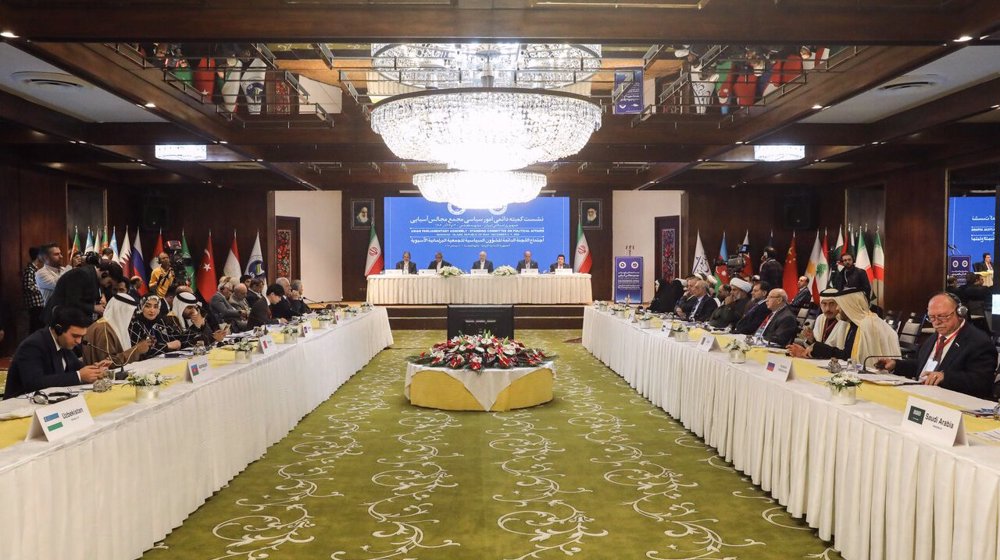
Asian Parliamentary Assembly condemns US-Israeli aggression on Iran
Tehran condemns GCC statement on Iranian islands, reasserts rights to Arash field



Iran drawn against Belgium, Egypt, New Zealand in 2026 FIFA World Cup Group G
VIDEO | Press TV's news headlines
VIDEO | UAE-backed separatists seize key provinces in eastern Yemen
VIDEO | New data reveals India’s exports slide sharply over US tariffs
Man shot dead leaving mosque as Israeli raids, settler violence sweep West Bank
Niger accuses French nuclear giant Orano of ‘mass crimes’
Iran, Russia sign agreement to boost AI, cyber security cooperation
Lebanon’s Parliament Speaker: Talks under fire ‘unacceptable’




 PressTV NEWSLETTER
now
PressTV NEWSLETTER
now

 This makes it easy to access the Press TV website
