
Israel has given Dutch diplomats working in the occupied West Bank seven days to return their Israeli-issued diplomatic documents after the Netherlands decided to ban trade in goods from illegal Israeli settlements.
Israeli Foreign Minister Gideon Sa’ar announced the measure on Sunday, saying the Dutch Embassy has been formally notified.
Once the deadline expires, the diplomatic privileges and immunities granted to the Dutch representatives by Israel will be revoked.
Sa’ar said the decision applied to Dutch diplomats working in the West Bank city of Ramallah.
“If the Netherlands wishes to continue representing its interests with the Palestinians, it may do so from Palestinian Authority territory,” he claimed on X.
The Israeli minister linked the move directly to the Dutch government’s prohibition on trade involving goods produced in illegal Israeli settlements.
The ban, which took effect on September 22, prohibits the import, purchase and sale of goods originating in settlements throughout the occupied Palestinian territories. It also covers services that facilitate or support such trade.
Sa’ar said Israel had already removed a Dutch delegation from an international support center for Gaza in Kiryat Gat the previous month in response to other Dutch government measures against the occupying regime.
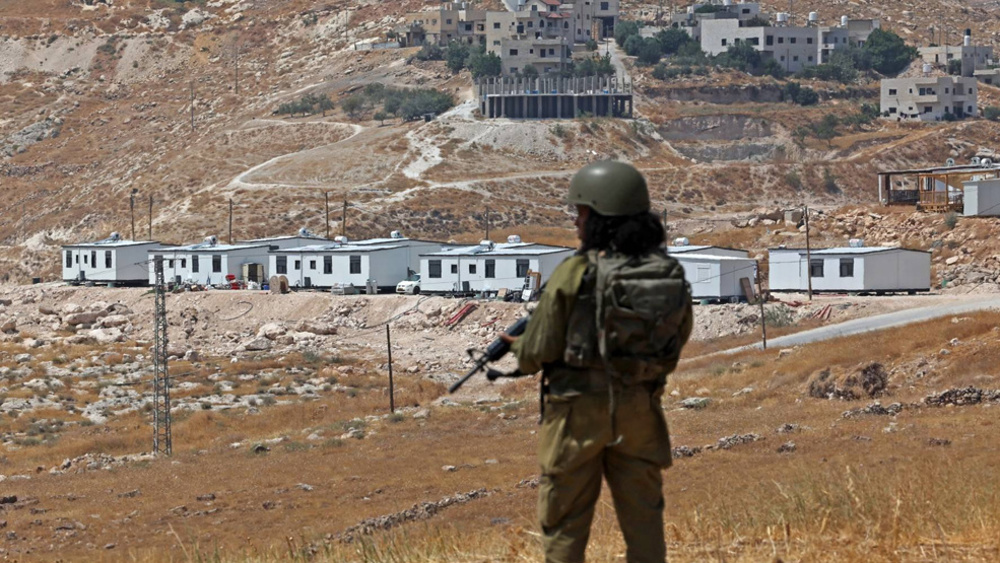
The Dutch measure targets commercial activity connected to Israeli settlements constructed on occupied Palestinian land in violation of international law.
The Netherlands began enforcing a ban on the import and trade of goods originating from Israeli settlements in the occupied Palestinian and Syrian territories.
The measure covers products from settlements in the occupied West Bank, including East al-Quds, and the occupied Golan Heights.
The ban applies to commercial imports and intermediary trade in settlement goods. Dutch companies operating abroad are also required to comply.
The measures can also cover settlement products individual travelers bring into the Netherlands, including souvenirs and gifts.
The Netherlands’ decision went beyond labeling requirements by banning the import, purchase and sale of settlement goods, as well as services enabling such transactions.
The Dutch ban followed a September 14 announcement by 12 countries expressing their intention to impose restrictions on trade connected to illegal Israeli settlements.
The countries were France, Britain, Canada, Denmark, Finland, Iceland, Ireland, Norway, Poland, Portugal, Spain and Sweden.
They also called on Israel to immediately halt settlement expansion and violence by illegal Israeli settlers against Palestinians.
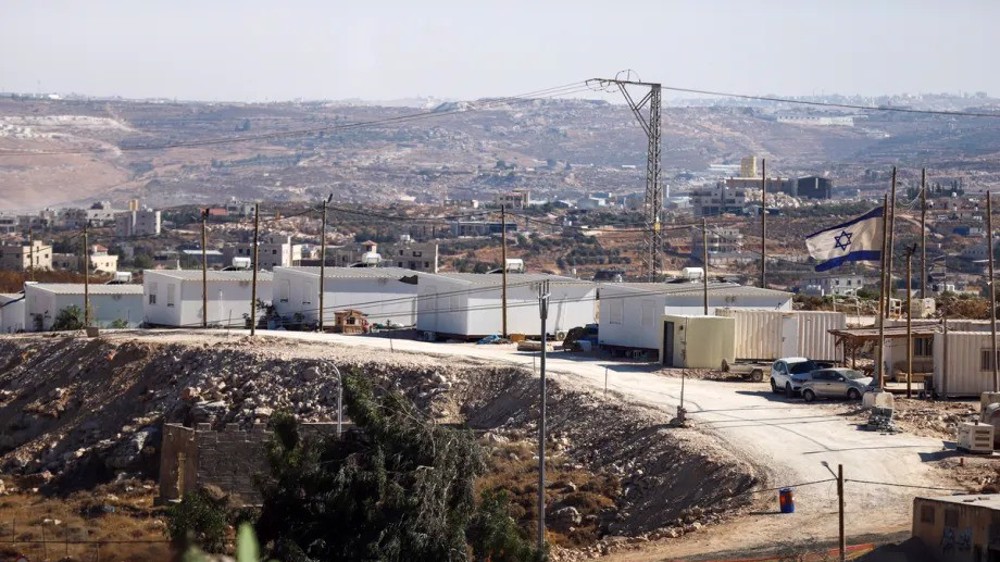
The initiative reflected growing pressure on governments to prevent businesses and consumers from contributing financially to the regime’s settlement project.
Israeli Prime Minister Benjamin Netanyahu’s cabinet says it has approved 104 new settlements since taking office in late 2022.
During the same period, 160 agricultural settlement outposts have been established across the occupied West Bank.
Israel has accelerated settlement construction, legalized previously unauthorized outposts and expanded settler control over Palestinian agricultural land.
Illegal settlers have simultaneously intensified attacks on Palestinian communities, including assaults, arson, destruction of crops and livestock, and forced displacement.
In July 2024, the International Court of Justice (ICJ) ruled that Israel’s continued presence in the occupied Palestinian territories is unlawful and called for the evacuation of settlers from the occupied West Bank, including East al-Quds.
International bodies have also warned that continued settlement expansion fragments Palestinian territory, displaces residents, and threatens the viability of an independent Palestinian state.
 This makes it easy to access the Press TV website