Vessel transits through Strait of Hormuz fall back to lowest level amid US aggression
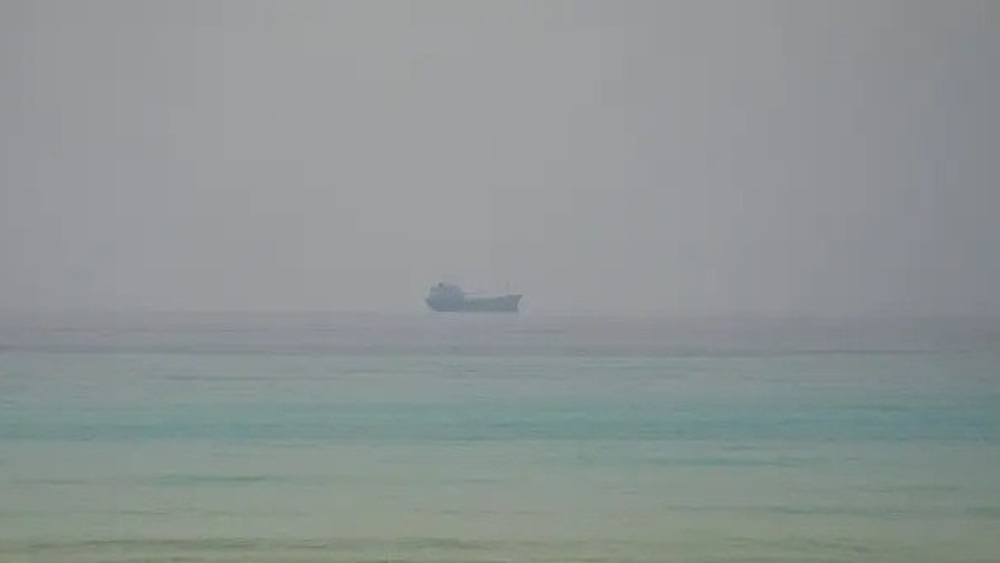
Shipping data indicates that only three commodity vessels crossed the Strait of Hormuz in the past 24 hours as of Friday, with maritime traffic largely halted amid Iran’s closure of the strait and renewed US military aggression.
According to Kpler data as of 0513 GMT on Friday, the Miraan tanker (carrying fuel oil) and the small Norita vessel (carrying liquefied petroleum gas) exited the strait on Thursday via the Iranian route.
A third vessel, the bunkering tanker Arolia, laden with Iraqi fuel oil for ship-to-ship refueling, made a U-turn and headed back shortly after briefly exiting the strait earlier on Friday, per LSEG data.
No very large crude carriers (VLCCs) or liquefied natural gas (LNG) tankers transited the waterway on Thursday, marking the second consecutive day without such movements. This represents a sharp decline from Wednesday, when around a dozen vessels crossed, only a fraction of the pre-aggression average of 125 vessels per day.
The US war of aggression against Iran has once again crippled traffic through the Strait of Hormuz, the world’s most critical chokepoint for oil and gas shipments, sending global energy prices higher. Shipping traffic plummeted after Iran announced the strait would remain closed until further notice in response to Washington’s renewed aggression.
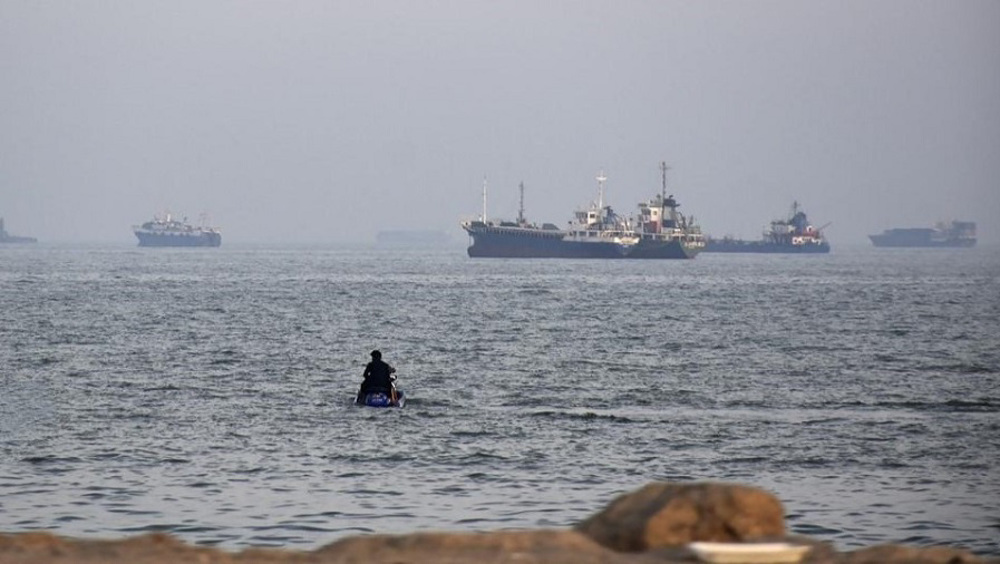
In recent days, most vessels have either stopped before entering the strategic waterway or reversed course following the US imposition of an illegal blockade on ships entering or leaving Iranian ports. US naval forces have reportedly warned approaching vessels to turn back and disabled those that refused to comply.
Despite US President Donald Trump’s claims that the strait remains open to all maritime traffic except Iranian vessels, the latest data confirm the waterway is effectively closed to normal shipping. Iran’s Islamic Revolution Guard Corps (IRGC) stated on Thursday that no oil or gas would be exported through the strait as long as US attacks continue.
In a powerful show of solidarity, Yemen’s Ansarullah resistance movement has signaled readiness to close the Bab al-Mandeb Strait at the mouth of the Red Sea should Washington target Iran’s civilian infrastructure.
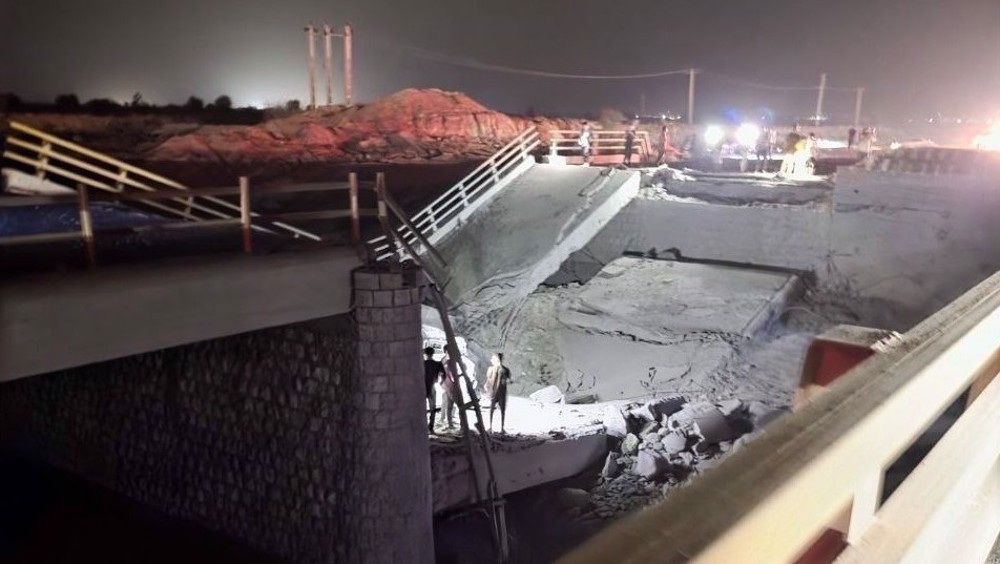
Thousands of ships remain stranded in the Persian Gulf since the US-Israeli aggression against Iran began nearly five months ago, with only limited traffic during brief lulls in the fighting.
These developments follow the collapse of a Pakistani-mediated memorandum of understanding aimed at ending the war, after repeated US violations of the agreement.
In the past week, the US military terrorist forces have launched waves of attacks on southern Iranian provinces, killing 38 Iranians, including civilians.
Iran has responded decisively by launching missiles and drones against US military assets across the region.

Iran says Israeli campaign to steer US into ‘unwinnable’ war will ‘soon unravel’

Lawmakers warn US will face ‘dark days’ for killing innocent Iranians

Report: Iran not to change course, more likely to harden position



Exclusive: No enemy strike hit Bushehr nuclear plant; media claims unfounded
IRGC shoot down AeroVironment RQ-11 drone in south Iran
VIDEO | Press TV's news headlines
Russia, China reject Trump's claim of their interference in US elections
IRGC Navy: US naval units under full Iranian watch, nearing 'zero hour'
VIDEO | US violation of MoU proves it can’t be trusted: Commentator
Only 3 vessels transit Strait of Hormuz over past 24 hours amid US aggression
Burnham becomes Labour leader in last step before taking over as UK PM


 PressTV NEWSLETTER
now
PressTV NEWSLETTER
now
 This makes it easy to access the Press TV website
