Three Iranian satellites in final testing phase: Space Agency
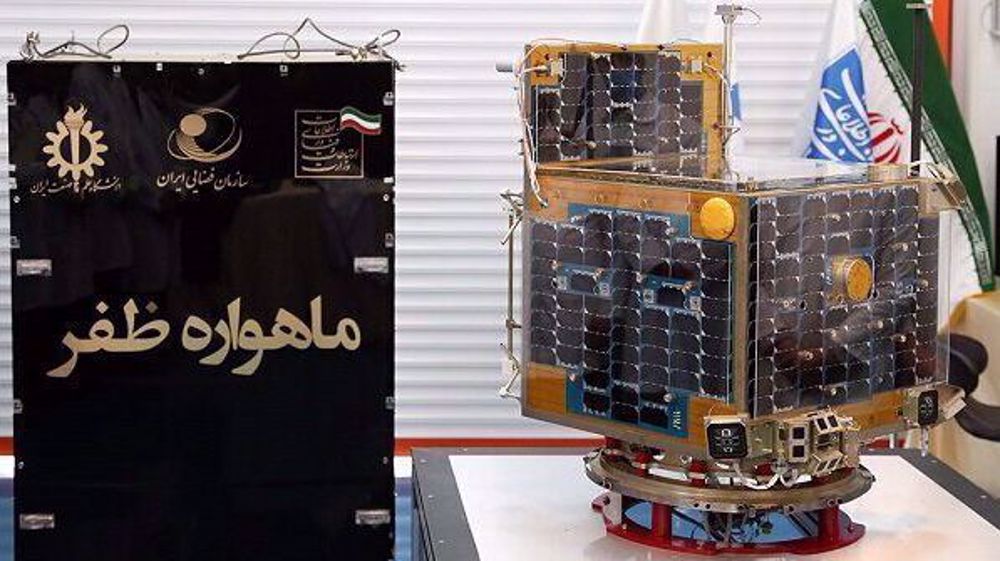
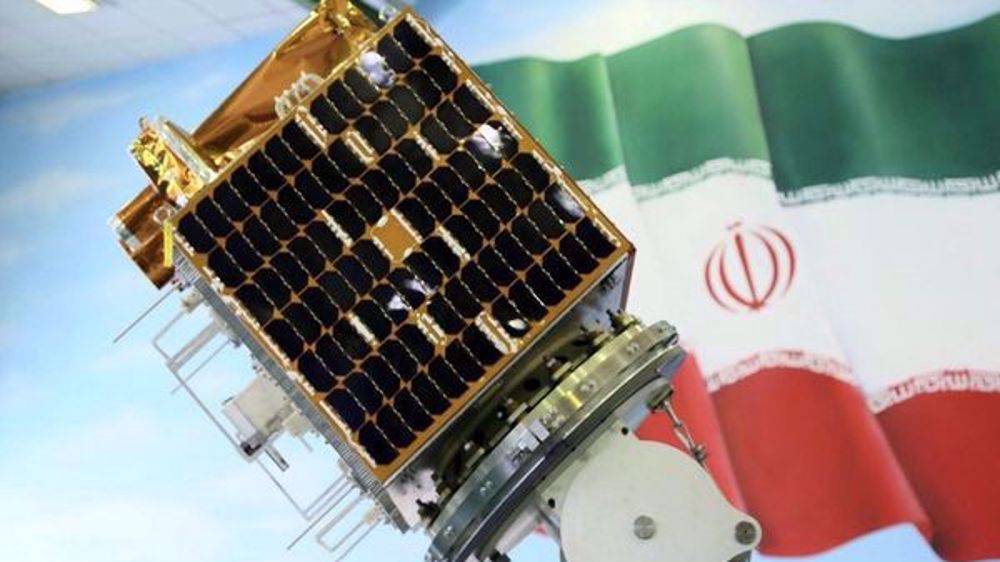
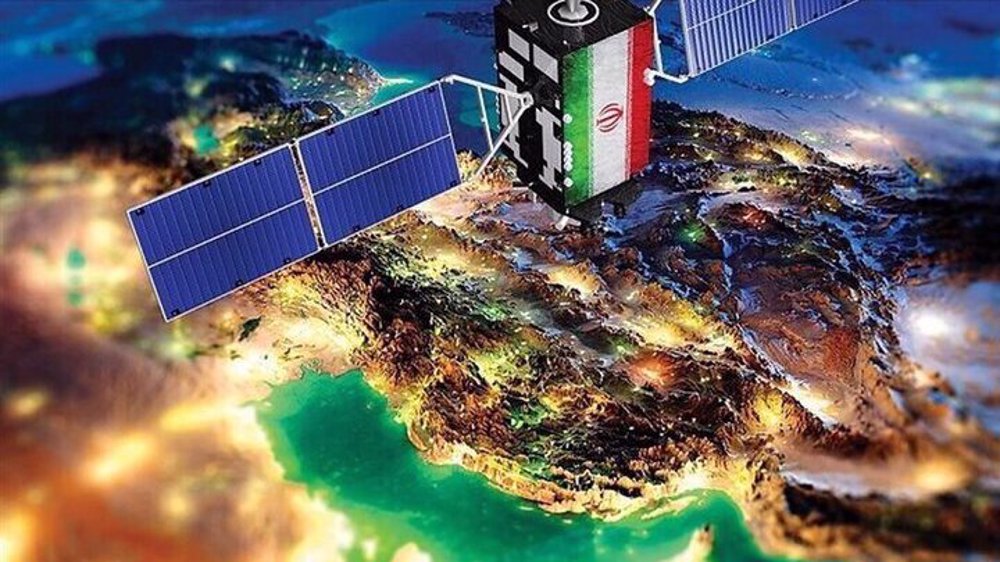
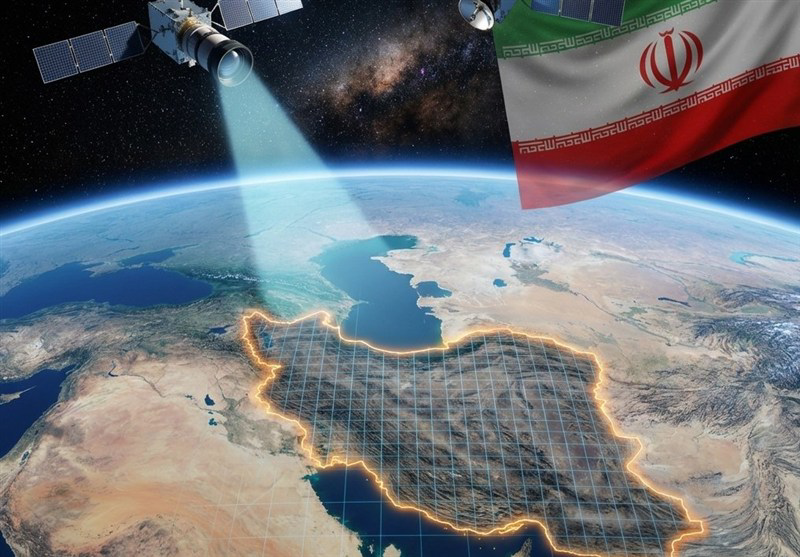
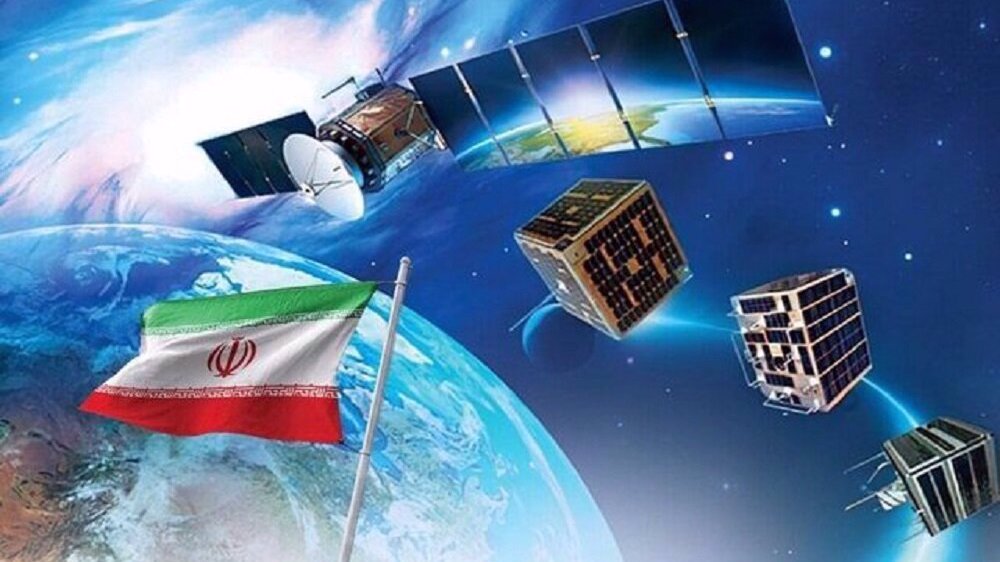
Iran’s space agency has announced that three domestically developed satellites have entered final testing, signaling an acceleration in the country’s civilian space program despite Western pressures.
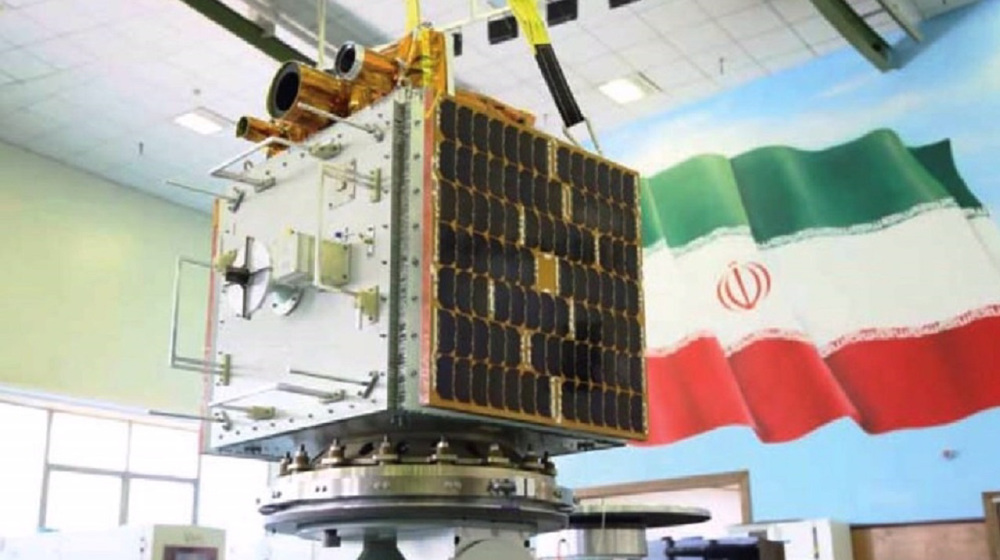
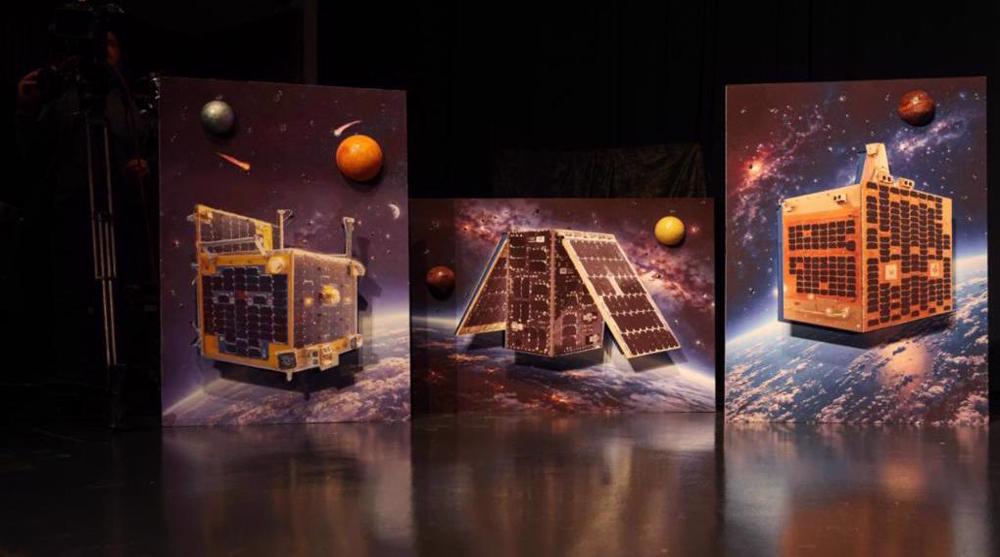
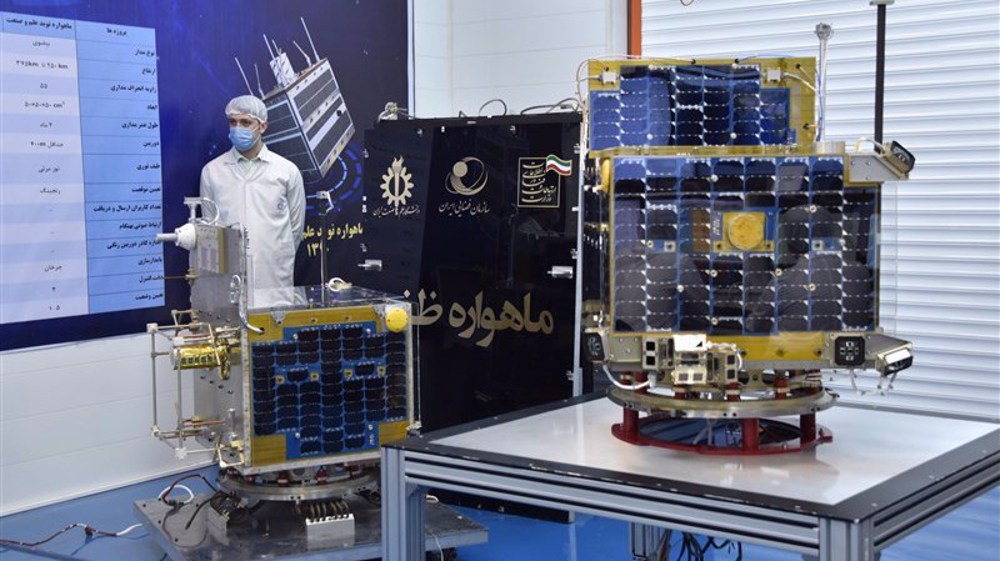
Hassan Salariyeh, head of the Iranian Space Agency (ISA), said the upgraded Pars-1, Pars-2, and the radar-equipped Rad-1 satellites are completing pre-launch trials.
“The space industry is indigenous, knowledge-based, and reliant on the expertise of Iranian youth and elites,” Salariyeh said during a visit by First Vice President Mohammad Reza Aref to the agency’s facilities.
He added that the sector has gained “valuable achievements” with support from the government and the Ministry of Information and Communications Technology.
Salariyeh outlined six pillars of Iran’s space industry, including satellite design and construction, launch vehicles, launch bases, satellite control centers, ground data stations, and data processing.
He said five of these fall under the communications ministry, while launch vehicle development remains under the defence sector.
Recent completed projects include the Chamran, Kowsar-1, Hodhod, Fakhr, Navak, Nahid-2, Zafar-2, Paya, and Kowsar-2 satellites, he said. A test model of the Shahid Soleimani satellite constellation was also unveiled last year.
“During this period, upgraded versions of Pars-1 and Pars-2 satellites, along with Rad-1 radar satellite, were also completed and are now undergoing the final stages of their testing,” he added.
Other ongoing programs include the Pars-3, Nahid-3 telecommunications satellite, a radar imaging payload, Research 1, 2 and 4 projects, and the Saman orbital transfer block.
Iran set to launch new domestically developed satellites into space
— Press TV 🔻 (@PressTV) December 26, 2025
Gisoo Misha Ahmadi reports from Tehran
Follow Press TV on Telegram: https://t.co/LWoNSpkJSh pic.twitter.com/sIfS0puleN
The official said rapid global competition for low- and high-altitude orbits, limited launch services from spacefaring nations, and the rise of low-altitude communications constellations have increased the importance of developing Iran’s own space capabilities.
He added that appropriate infrastructure has been developed across the country, with space industry assets and capabilities distributed nationwide, providing a foundation for the growth of knowledge-based companies and accelerating the development of this technology.
Salariyeh said Iran's local, knowledge-based space industry relies on the expertise of Iranian youth and elites, noting that the Space Agency has accelerated efforts to complete new satellites.
The ongoing progress in Iran’s satellite program comes as several of its civilian space infrastructure and centers were targeted during the unprovoked 40-day war of aggression that the US and Israeli regimes launched against the country since February 28.
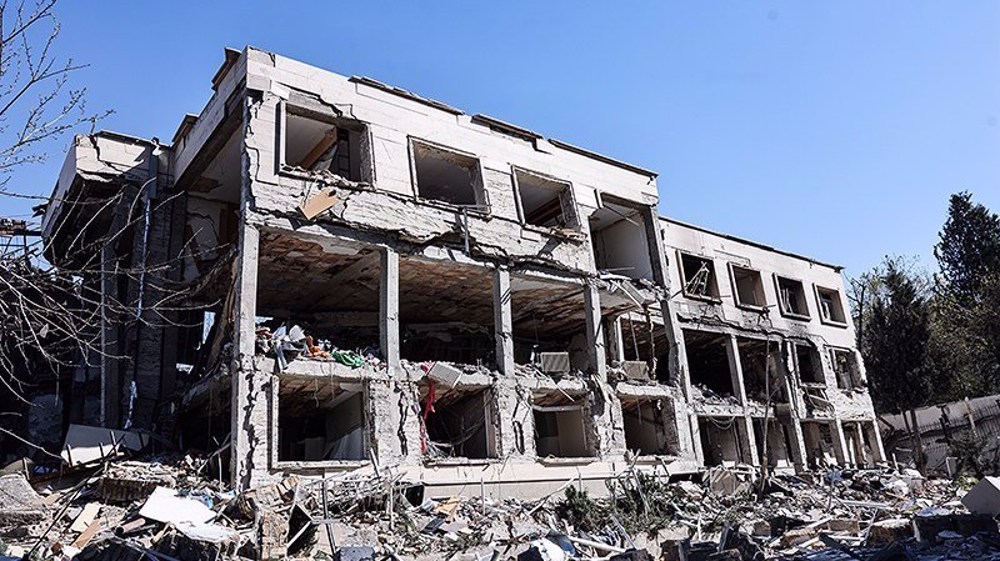
Several space-related centers were deliberately targeted, including Space Research Institute, Satellite Systems Research Institute, Advanced Space Transportation Research Institute and Space Propulsion Research Institute, and Mahdasht Space Center, as well as satellite ground control equipment at Khayyam Observatory.
In a letter to the UN, Tehran slammed the attacks as acts of “state terrorism.”
“Targeting facilities that are vital to scientific progress and public safety demonstrates the true criminal intent of the aggressors,” Iran's ambassador to the UN, Amir-Saeid Iravani, wrote in the April 22 letter.
Filling the giants’ shoes in Iran’s auto industry

War and sanctions are integrating Iran-Russia economies

Iran breaks new ground with locally manufactured high-tech turboexpander despite sanctions



Iran’s vice president urges upgrading cybersecurity amid enemy plots
VIDEO | Palestinian resistance groups say Netanyahu prolonging war for political gains
Israeli genocide in Gaza continuing unabated despite ceasefire: UN experts
VIDEO | Press TV's news headlines
Pakistan reassures Iran defense pact with Turkey, Saudi Arabia aims for regional stability
Israel to expand three settlements in occupied East al-Quds with 3,400 settler units
VIDEO | Iran has every right to avoid being attacked: Journalist
Yemeni forces strike Saudi-backed mercenaries for second straight day



 PressTV NEWSLETTER
now
PressTV NEWSLETTER
now
 This makes it easy to access the Press TV website
