Iran develops homegrown ultrasonic flare gas meter without reverse engineering
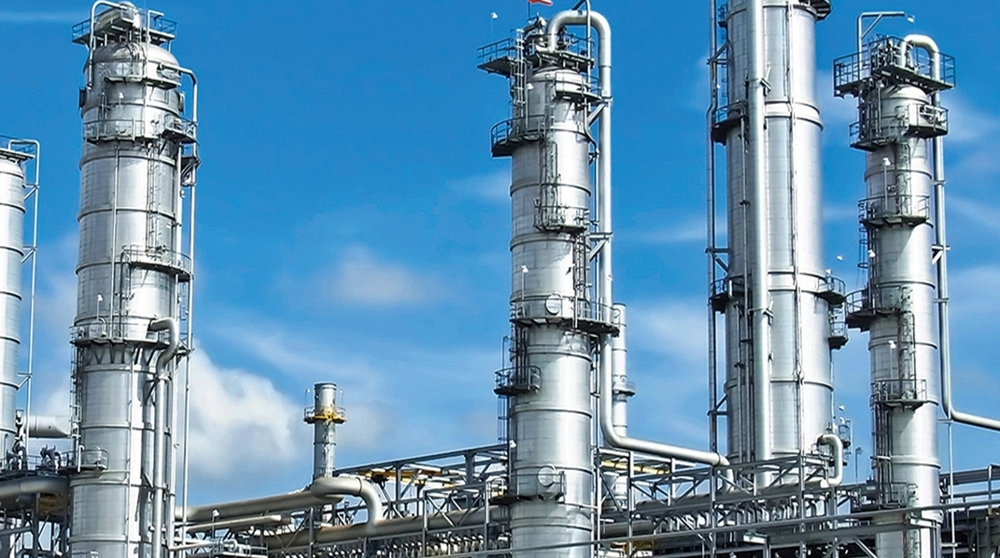
Iranian technologists have successfully designed and produced an ultrasonic flare gas flowmeter based on acoustic time-of-flight technology without reverse engineering, an achievement that reduces the domestic oil and gas industry's reliance on foreign models.
In an interview with the Islamic Republic of Iran Broadcasting (IRIB), Mohammad Mehdi Kharidar, the technical manager of the product at the knowledge-based company, provided details about the device.
He stated that work on the project began in 2021 and that the entire product has been fully designed and built.
"This product is not the result of purchasing a foreign sample and reverse engineering; rather, it is a completely domestic design," Kharidar said.
He added that all components of the product, including electronic circuits, signal processing, software, and user interface, had been developed by the local team.
In the area of digital signal processing, Kharidar noted that the team has succeeded in extracting acoustic time-of-flight from sound signals. This work was defined as a doctoral thesis, and two scientific papers have so far been published based on it.
According to the team manager, obtaining explosion-proof certification was another major milestone in the product's development.
To receive this certification, a set of technical documents was prepared and specific design requirements were met to prove that the device will not cause explosions or flames in refinery environments. This process took more than one year, he noted.
Regarding exports, he said the company has not yet entered the export market, with its main focus remaining on the domestic market. "Currently, we are in negotiations with local customers," he noted.
Explaining the foreign models available on the market, Kharidar said two main models were previously purchased by Iran, but imports now face serious difficulties.
One of these products belongs to a German company, and the other belongs to the American company GE Aerospace, which markets its product under the Parametric brand, he said.
Other models, including Chinese and Russian versions, are also available, but the common and widely used models in Iran's industry have been these two brands, he added.
Regarding the domestic target market, the technical manager said that almost any refinery or petrochemical plant with a flare system could be a customer for this product.
Kharidar estimated that between 30 and 40 facilities, including refineries and petrochemical plants across the country, are potential customers for the device.
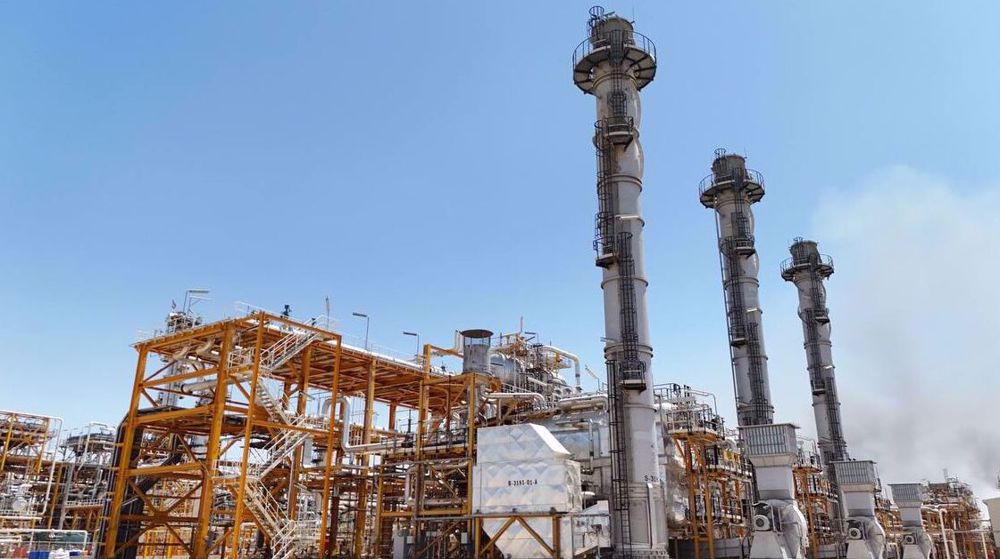
On the current status of the project, he said the product has been tested in the laboratory and is now in the preparation phase for a pilot installation at a refinery, with only the installation stage remaining.
Iran develops next-generation nanotech bone graft for faster bone regeneration
Qolqoleh: The orogenic gold mine transforming western Iran's rich mining landscape
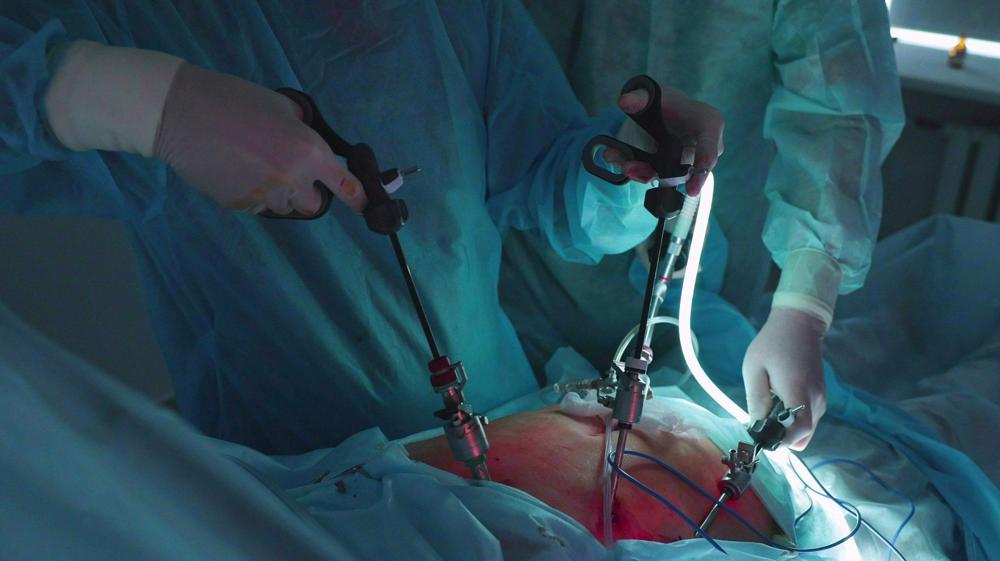
In a rare feat, 92-year-old woman in Iran had gallbladder removed without anesthesia



Iran develops homegrown ultrasonic flare gas meter without reverse engineering
Israeli settlers burn homes and cars in brutal West Bank raids
Americans protest persecution of Christians in Israel
Revolution that Western pundits ignore: 68 nights and counting – of epic rallies across Iran
Israel compels Palestinian family to exhume son’s grave, move body
Five strategic shifts: How Hezbollah redefined itself as an invincible military force
US intel community agreed Iran was not developing nukes before war: Ex-NCC chief
VIDEO | Bipartisan collusion to hide Israel’s nukes finally ends


 PressTV NEWSLETTER
now
PressTV NEWSLETTER
now

 This makes it easy to access the Press TV website
