Final SIGAR report finds decades of US corruption, waste in Afghanistan

The final audit from Special Inspector General for Afghanistan Reconstruction (SIGAR) paints a stark portrait of how tens of billions of dollars ostensibly earmarked for nation‑building were diverted, misused or wasted.
According to SIGAR’s report, from 2002 to 2021 the United States appropriated about $148.21 billion purportedly for Afghan reconstruction. Of that sum, roughly $88.8 billion went to security‑sector projects, while other enterprises disguised as development, humanitarian assistance, governance and institution‑building consumed the rest.
But the watchdog estimates that between $26 billion and $29.2 billion of those funds were lost to waste, fraud and abuse—red flags that preceded the Afghan government’s collapse and the rapid Taliban takeover in 2021.
The report logged 1,327 separate cases of misuse, mismanagement, or corruption tied directly to US‑funded programs.
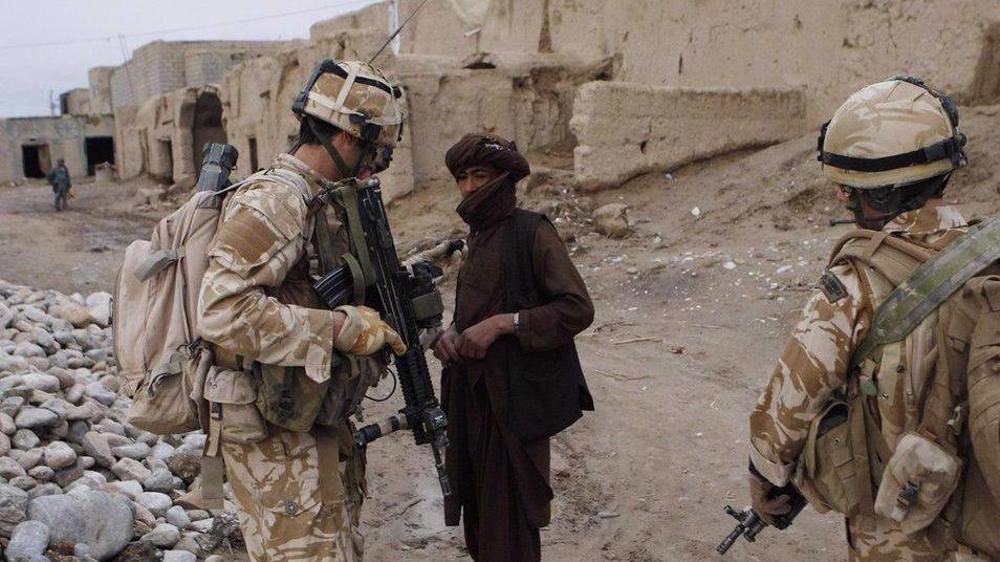
Among the failures major investments in the Afghan security forces were undermined by inflated troop rolls, ghost‑salary schemes, and an inability to maintain complex gear.
As SIGAR’s acting inspector general put it, “the government we helped build… was essentially a white collar criminal enterprise.”
SIGAR’s acting inspector general, Gene Aloise, told reporters that the project was undermined by “early and ongoing US decisions to ally with corrupt, human-rights-abusing power brokers.”
This strategy, he continued, strengthened insurgent networks and eroded hopes for stable governance in Afghanistan.
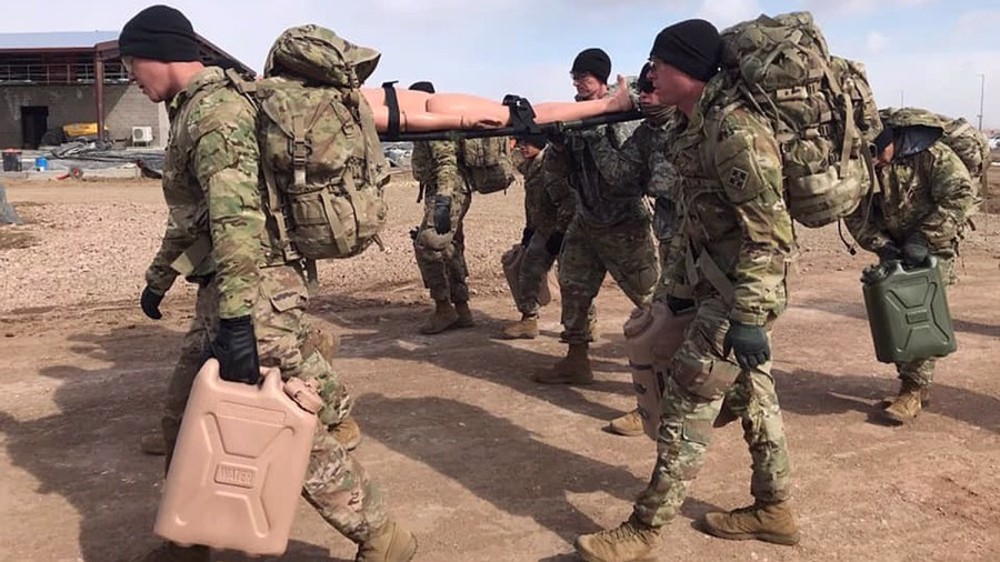
Large‑scale hardware and infrastructure also went to waste. The United States funded planes, bases, and military assets, many never used or deteriorating rapidly post‑contract.
One instance involved transport aircraft bought for tens or hundreds of millions of dollars that were later scrapped or abandoned when maintenance systems collapsed.
Despite almost $90 billion spent on training and equipping army and police forces, Afghan troops disintegrated quickly when US support ended, added the report.
Moreover, even broader cost estimates for the war paint an even more sobering picture.
Estimates put the total US cost — including military operations, veteran care, interest on borrowed funds and other long-term liabilities — at more than $2.3 trillion over the two decades, according to the Costs of War project at Brown University.
Based on the SIGAR’s final judgement, the much-hyped mission to purportedly build a stable, democratic Afghanistan delivered neither stability nor democracy.
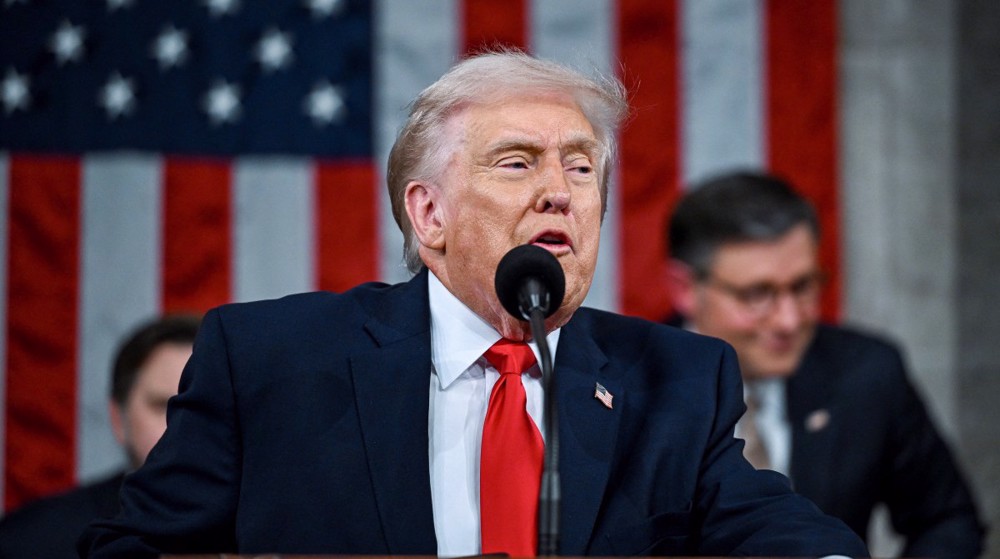
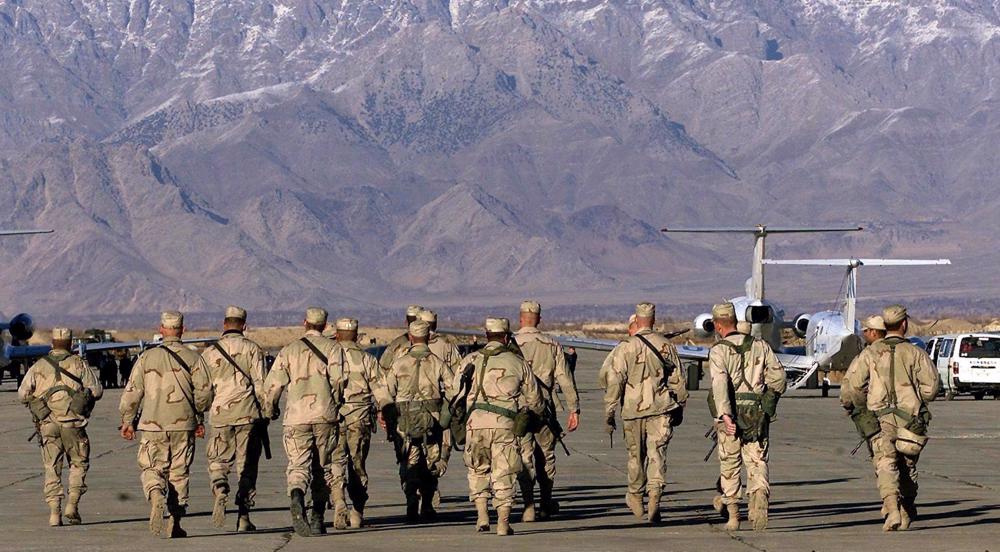
In September, President Donald Trump sparked a fresh geopolitical firestorm with his calls to reclaim Afghanistan’s Bagram Air Base, signaling a willingness to re-establish a US military presence in a country that has warned against any return of foreign troops.
Trump said the United States was “trying to get [Bagram] back” and described it as “one of the biggest air bases in the world,” highlighting its strategic runway and location to contain China.
Two days later, he posted on social media that if Afghanistan does not return the base, “BAD THINGS ARE GOING TO HAPPEN.”
US military officials warn that retaking Bagram would require “tens of thousands” of troops along with massive logistical and air-defense support to hold the facility, a scenario that could mirror the pitfalls of the long Afghan war.
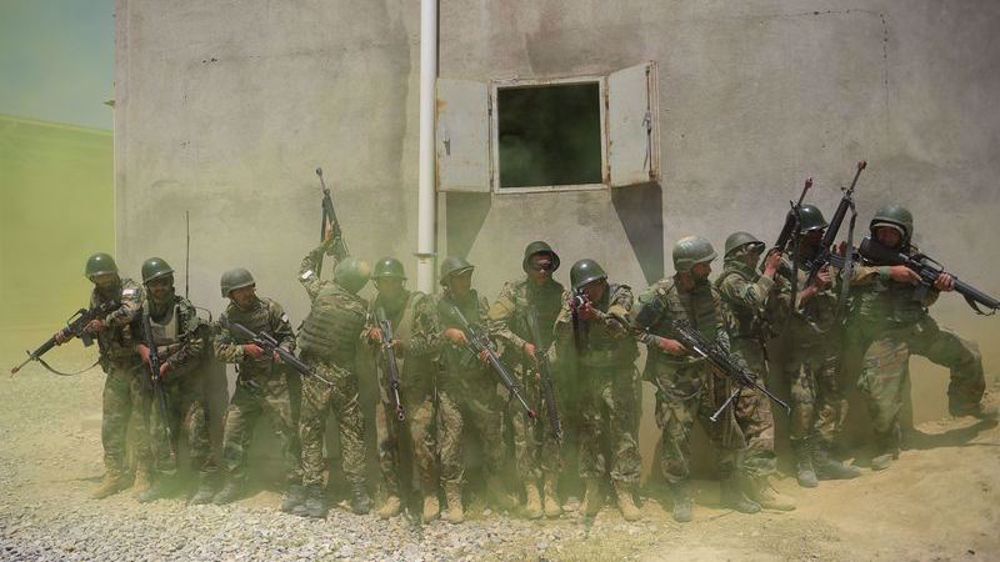
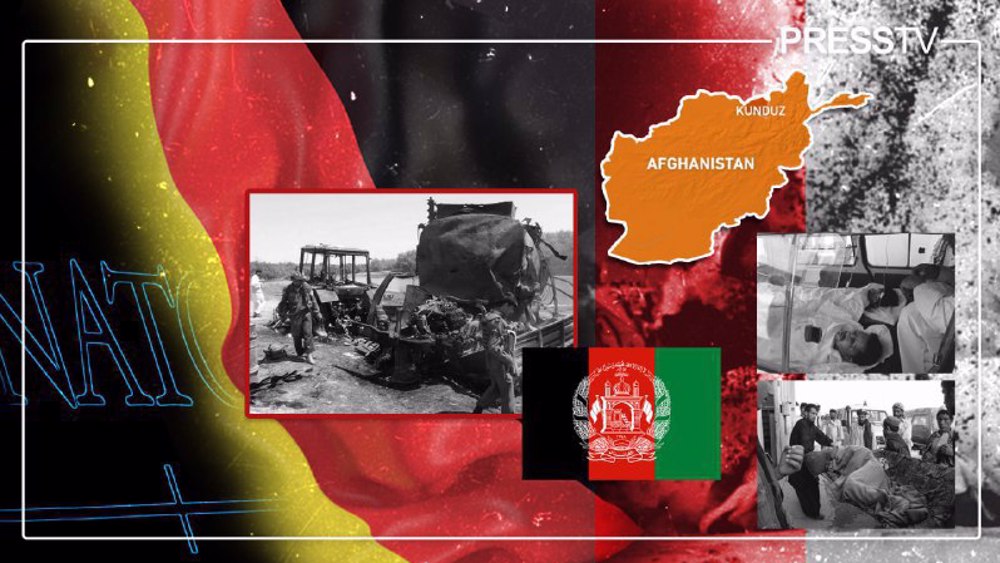
The United States had invaded Afghanistan in October 2001 in response to the September 11 attacks, even though not a single Afghan national was among the hijackers.
Over the course of the 20-year US occupation of the Asian nation, hundreds of thousands of Afghans lost their lives.
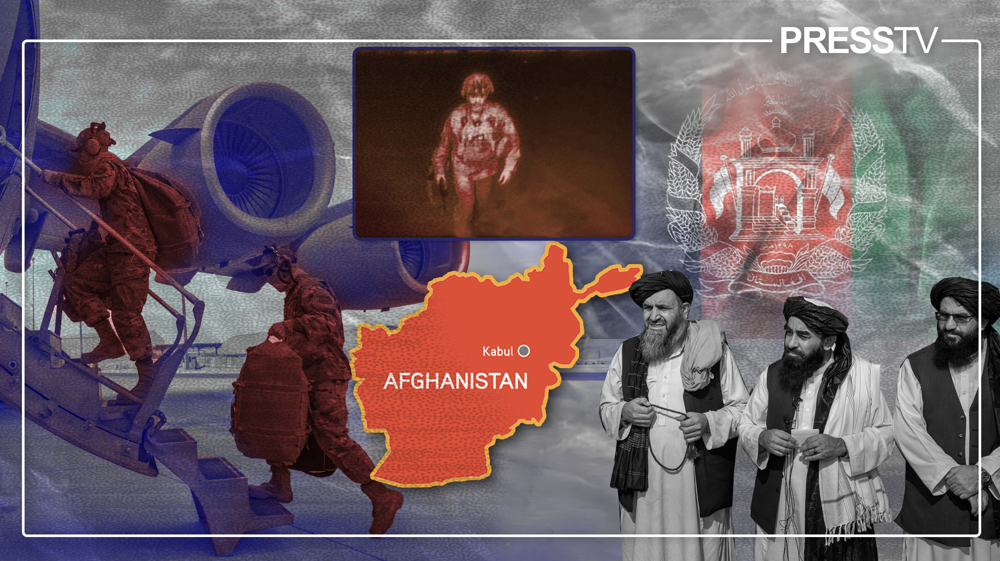
When Washington and its allies deployed troops in 2001, they claimed their mission was to dismantle al-Qaeda under what became known as the US “war on terror.” Yet two decades later, in August 2021, the Taliban quickly retook multiple provincial capitals and then entered Kabul with virtually no resistance.
The rapid collapse of the US-backed government forced Washington into a rushed and chaotic evacuation of diplomats, citizens, and Afghan partners — a scene that drew intense criticism for the US government’s mismanagement of its own exit.
Saudi Arabia lobbied for UAE sanctions: Trump
Maliki urges respect for Iraq's sovereignty in meeting with Trump's special envoy
Report: US intel debunks Trump's claim of Iran working on ICBMs


Pezeshkian condemns ‘savage’ US-Israeli attack on school that killed nearly 90
Hezbollah, Ansarullah warn US-Israeli aggression on Iran to engulf entire region
Russia strongly condemns US-Israeli aggression on Iran, calls for UNSC meeting
US, Israel begin another foolhardy military adventure, but it’s Iran that will end it
IRGC launches new wave of retaliatory missile strikes on US bases across region
VIDEO | Iranian flotilla returns after BRICS naval drill in S Africa
Iran FM says school massacre in latest Israeli aggression ‘will not go unanswered’
Iran’s retaliatory attack completely destroys sophisticated US radar system in Qatar



 PressTV NEWSLETTER
now
PressTV NEWSLETTER
now

 This makes it easy to access the Press TV website
