Tehran warns of spillover of Afghanistan-Pakistan border clashes in region

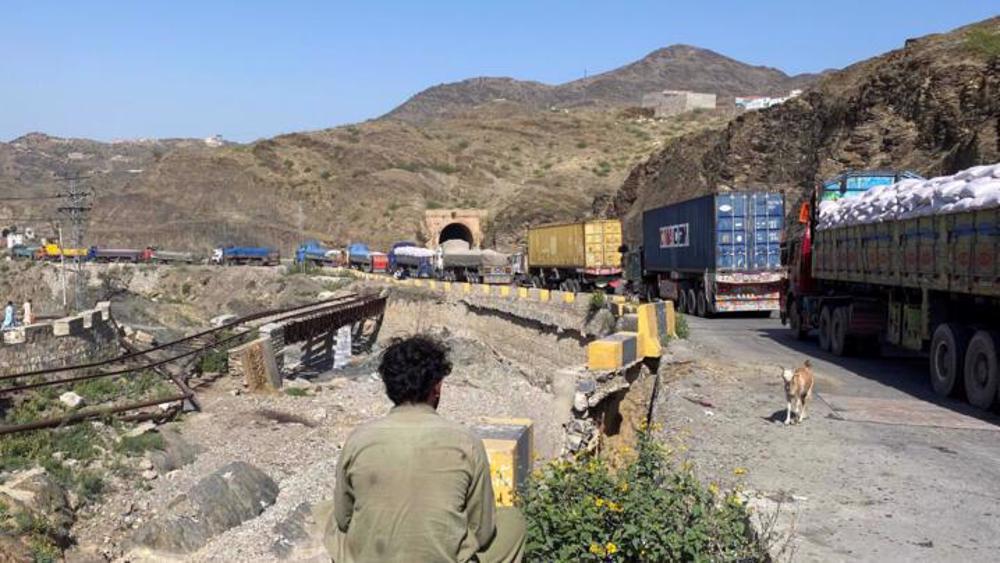
The spokesman for the Iranian Ministry of Foreign Affairs has warned against the dangerous “spillover” effects of the cross-border clashes between Pakistani and Afghan forces on the region, as the two sides have exchanged deadly fire at multiple locations along their border over the past few days.
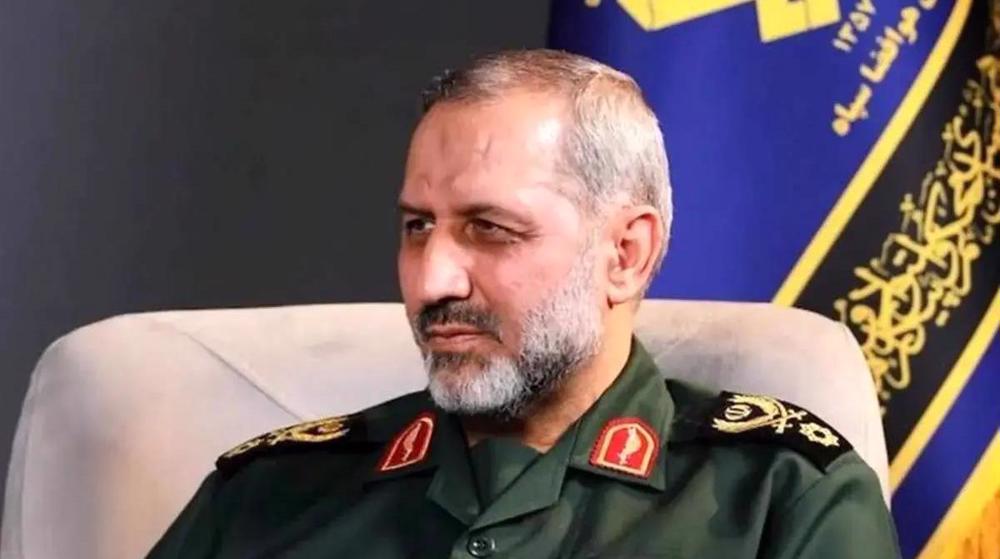
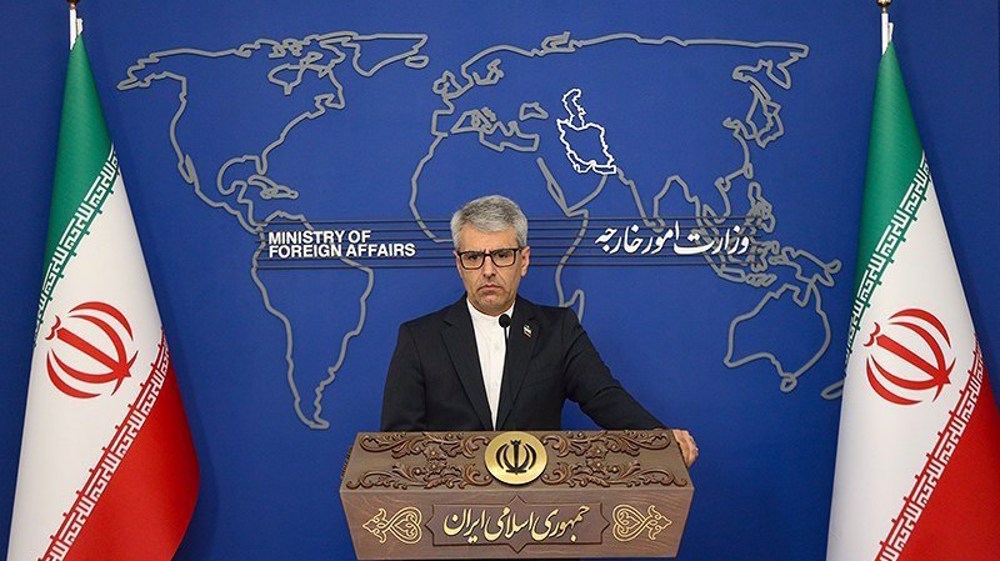
“Among the important points for us is the issue of security and stability in neighboring states. Afghanistan and Pakistan are both our Muslim neighbors, and we believe that any estrangements in relations between the two countries can have consequences extending beyond their borders," Esmaeil Baghaei said in a weekly press briefing in the capital Tehran on Monday.
“The Islamic Republic of Iran has called for dialogue and restraint from both sides, and emphasizes that the differences between Afghanistan and Pakistan must be resolved through dialogue and interactions,” he added.
The remarks come as Pakistan’s military says it has killed more than 200 Afghan fighters, while Afghanistan claims it killed 58 Pakistani soldiers in overnight border clashes.
Zabihullah Mujahid, spokesperson for Afghanistan’s Taliban government, on Sunday said 30 other Pakistani soldiers were wounded and a “significant amount” of Pakistani weapons fell into Afghan hands.
Pakistan’s military, on the other hand, said 23 of its “brave sons” were killed in the clashes, and officials said they closed their border with Afghanistan.
Border hostilities erupted after Thursday’s explosions in Afghanistan, which the Taliban blamed on Pakistan, representing the sharpest escalation in months of strained relations over Islamabad’s allegations that Afghanistan is harboring armed groups behind attacks inside Pakistan.
Elsewhere in his comments, Baghaei also pointed to the legal expiration of UN Security Council Resolution 2231, and criticized European attempts to extend it.
“October 18 marks the termination date of Resolution 2231 and all relevant restrictions. We believe this resolution must be terminated on the due date. It should be noted that the Security Council has not taken a new decision. What is being discussed under the title of “Restoration of the repealed Security Council resolutions” is the upshot of a measure taken by the European troika – France, Germany, and Britain.
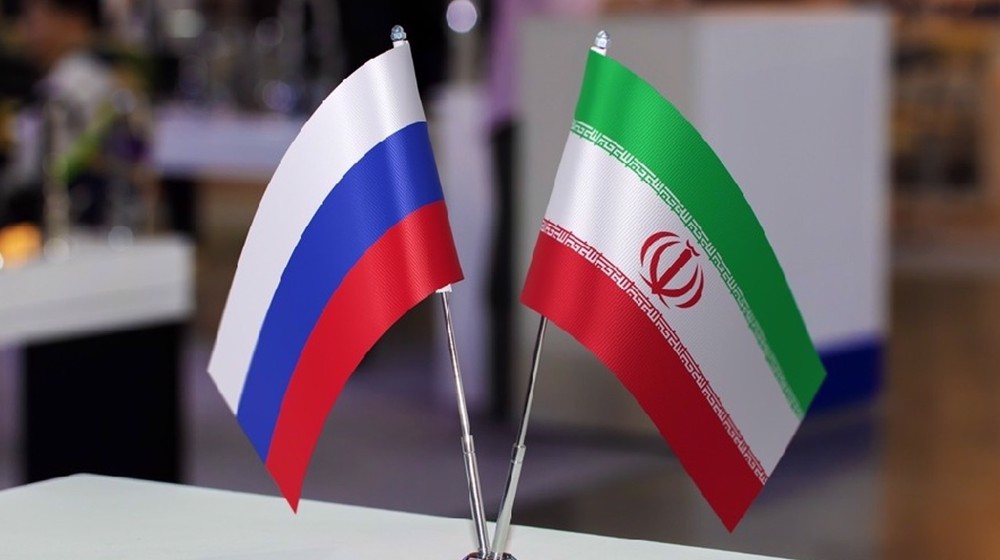
“We also recall that the five resolutions that were unanimously adopted between 2006 and 2010 in relation to Iran's nuclear activities are now supposed to be reinstated, according to the three European countries. However, this action has been met with explicit opposition from China and Russia. Therefore, from a legal perspective, we are witnessing a kind of disarray, and the responsibility for the status quo lies with the three countries that initiated the process,” the senior Iranian diplomat said.
The spokesman emphasized that resumption of UN sanctions against Iran is illegal, and runs contrary to the established procedures included in the JCPOA and Resolution 2231. “We expect various countries to refrain from its implementation.”
‘No good faith in European troika’s statement’
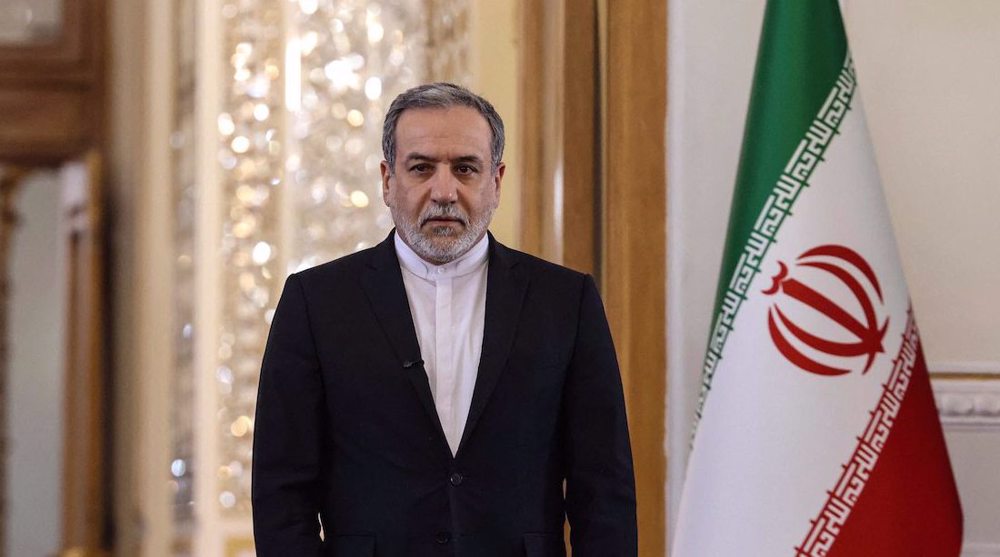
Commenting on recent European actions and the anti-Iran statement, Baghaei characterized the statement as a repetition of positions that the European troika has adopted at different times.
“In our opinion, the statement contains stereotypical discourse, some of which is irrelevant, and there is no good faith or honesty in the rest,” he said.
The spokesman continued, “Their insistence that Iran should not acquire nuclear weapons is actually an existing and obvious proposition, because Iran is neither seeking nuclear munitions nor does it possess such armament. At the same time, these countries claim to be in favor of diplomacy. Whilst the diplomatic process was in full swing, it was these three European countries that, through abuse of the snapback mechanism in the JCPOA, created a deadlock in the diplomatic process.”
“Therefore, European countries must demonstrate they have the independence of action, the necessary seriousness, diplomatic capability, and decision-making power to be recognized as a credible party in the negotiations, both in the eyes of international public opinion and in the eyes of world governments,” Baghaei added.
'Negative experiences'
In response to the question that US President Donald Trump has once again spoken of cooperation with Iran upon his arrival in the Israeli-occupied territories, Baghaei said Tehran’s past experiences with Washington have been negative.
“Over the past few decades, and particularly in the last four or five months, we have witnessed military aggression committed by the US and the Zionist regime against Iran. In the future, with open eyes and in line with Iran's interests, we will make the necessary decision with whichever side the [Islamic] establishment concludes that diplomacy and dialogue serve national interests,” he stated.
‘We have maintained vigilance against Zionist regime’
Commenting on Russian President Vladimir Putin’s remarks about the message conveyed by the Israeli regime, Baghaei said, “We listen carefully to the views and proposals of friendly countries. At the same time, we remain fully alert to ongoing developments and, given the deceitful record of the Zionist regime, believe it is essential to maintain vigilance at all levels.”
Iran warns UN of humanitarian impact of unilateral coercive measures
Asian Parliamentary Assembly condemns US-Israeli aggression on Iran
Tehran condemns GCC statement on Iranian islands, reasserts rights to Arash field



VIDEO | Dublin activists renew push to rename Herzog Park over Israel’s genocide in Gaza
VIDEO | Berlin streets fill as thousands protest proposed military draft
VIDEO | Press TV's news headlines
VIDEO | Hezbollah chief rejects disarmament calls, slams ‘Greater Israel’ project
VIDEO | Turkey seeks to expand diplomatic, strategic influence globally
VIDEO | Syrian protesters reject any normalization with Israeli regime
Regional states reject Israeli attempt to displace Palestinians from Gaza
‘Sickening’: Trump’s ‘Peace Prize’ moment at World Cup draw sparks worldwide cringe





 PressTV NEWSLETTER
now
PressTV NEWSLETTER
now

 This makes it easy to access the Press TV website
