Iran rejects claims on Persian Gulf islands, warns of EU’s ‘destructive’ interference in region
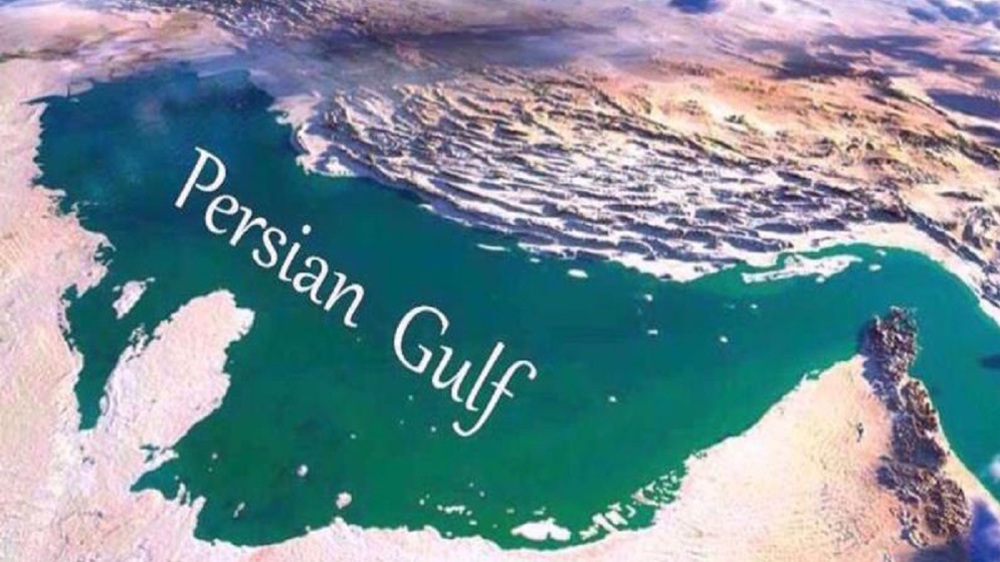
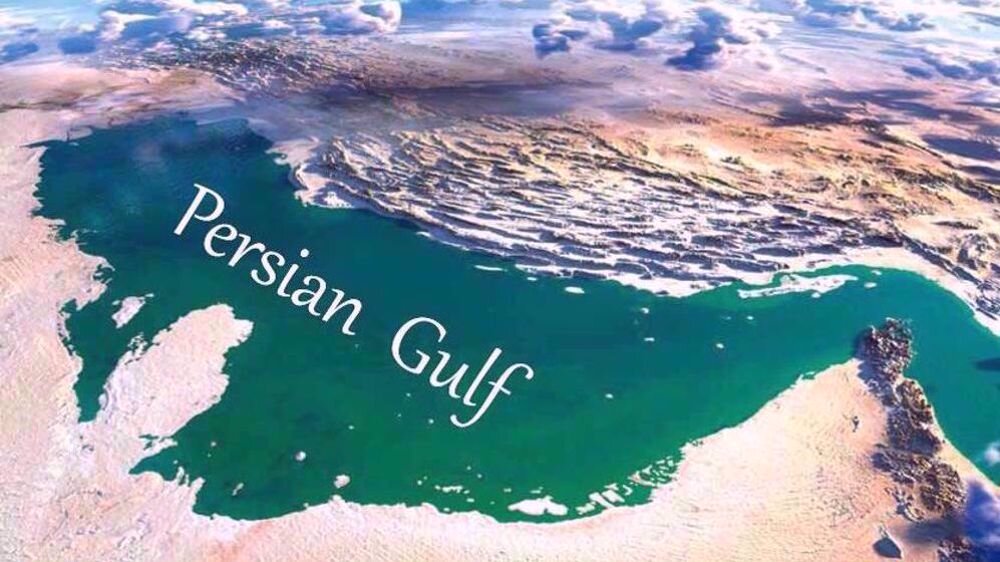
Iran has firmly rejected a GCC-EU joint statement, reaffirming its “undisputed sovereignty” over the three Persian Gulf islands of Greater Tunb, Lesser Tunb, and Abu Musa.
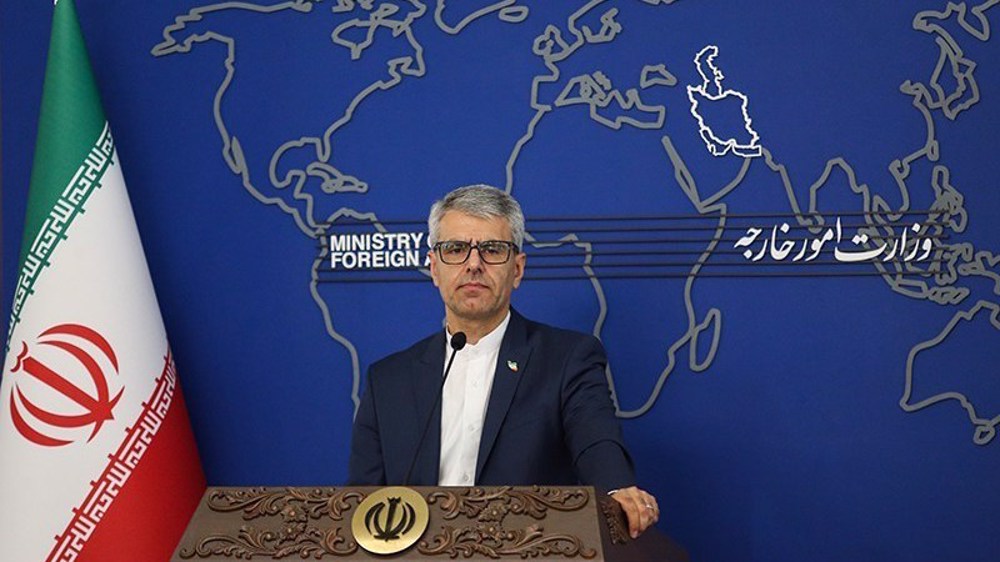
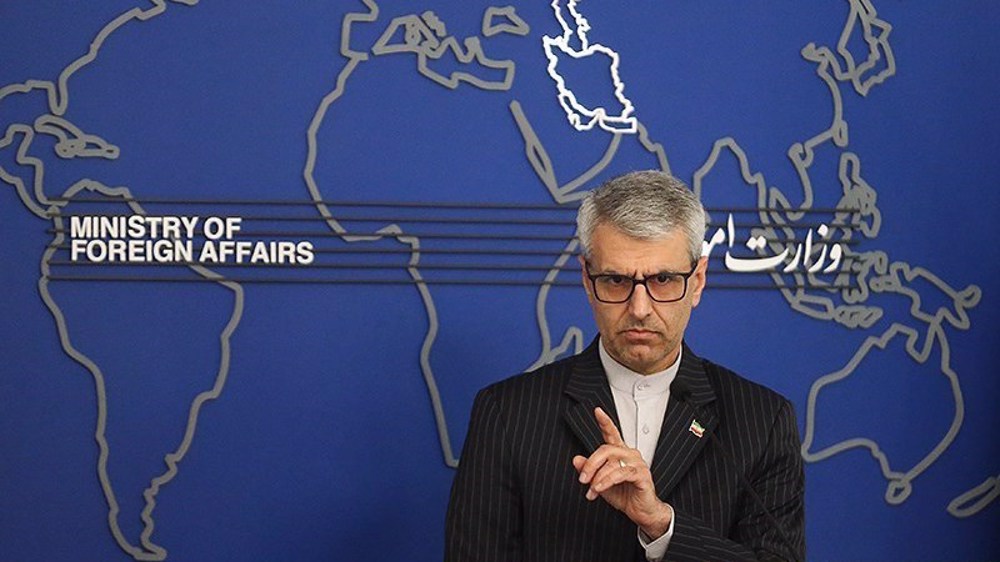
Foreign Ministry spokesman Esmaeil Baghaei, in a statement on Tuesday, condemned Europe’s “destructive and divisive” interference in its defense and nuclear programs.
Baghaei rejected the interventionist and baseless claims made in the joint statement of the meeting of the Foreign Ministers of the [Persian] Gulf Cooperation Council (GCC) and the European Union, warning against the destructive and divisive interference of some European countries in the Persian Gulf region.
He reaffirmed Iran’s undisputed and permanent sovereignty over the islands, emphasizing that they are an integral part of Iran’s territory.
Repeating baseless claims in political statements holds no legal validity and cannot alter geographical realities or historical facts, he said.
The Persian Gulf islands of Abu Musa, and the Greater and Lesser Tunbs have historically been part of Iran, proof of which can be found and corroborated by countless historical, legal, and geographical documents in Iran and other parts of the world. However, the United Arab Emirates has repeatedly laid claim to the islands.
The islands fell under British control in 1921, but on November 30, 1971, a day after British forces left the region and just two days before the UAE was to become an official federation, Iran’s sovereignty over the islands was restored.
The Iranian diplomat advised the neighbors on the southern shore of the Persian Gulf to focus their attention on strengthening mutual trust and expanding friendship between the countries of the region.
He also urged the neighbors to confront the greatest threat to regional peace and stability, namely Israel, instead of repeating stereotypical claims against Iran’s territorial integrity.
Baghaei further dismissed the claims made in the GCC–EU joint statement regarding Iran’s defense capabilities as an inappropriate and unacceptable interference in the country’s internal affairs and national sovereignty.
He said that those who turn the region into an arsenal of advanced, destructive weapons through arms deals worth hundreds of billions of dollars, while remaining silent toward the hegemony of a genocidal and aggressive regime or even providing it with military and political support, “have no authority to comment on Iran’s indigenous defense capabilities.”
Elsewhere in his remarks, Baghaei criticized the ill-intentioned conduct of the three European members of the JCPOA, noting that their misuse of the agreement’s dispute resolution mechanism led to the reinstatement of revoked UN Security Council resolutions.
On August 28, the E3 invoked the snapback mechanism, a 30-day process outlined in the US-abandoned 2015 nuclear deal to restore all UN Security Council sanctions against Iran.
An effort by Russia and China aimed at giving diplomacy more time to resolve the dispute over Iran’s nuclear program failed to win enough votes at the Security Council on September 26.
Two days later, the US and the Europeans alleged that the anti-Iran UN resolutions and the associated sanctions were re-imposed, urging all UN member states to implement the restrictive measures.
“It is shameful that the very parties responsible for the current situation now act as claimants,” Baghaei said.
He added that it was regrettable that instead of holding the European Union accountable on issues concerning West Asia, GCC member states have given them a platform for false accusations and political projection.
Iran warns UN of humanitarian impact of unilateral coercive measures
Asian Parliamentary Assembly condemns US-Israeli aggression on Iran
Tehran condemns GCC statement on Iranian islands, reasserts rights to Arash field



VIDEO | UAE-backed separatists seize key provinces in eastern Yemen
VIDEO | New data reveals India’s exports slide sharply over US tariffs
Man shot dead leaving mosque as Israeli raids, settler violence sweep West Bank
Niger accuses French nuclear giant Orano of ‘mass crimes’
Iran, Russia sign agreement to boost AI, cyber security cooperation
Lebanon’s Parliament Speaker: Talks under fire ‘unacceptable’
Video shows US killing shipwreck survivors in Caribbean strike, lawmakers say
Nematzadeh, Zeinali strike gold for Iran at U21 World Taekwondo Championships


 PressTV NEWSLETTER
now
PressTV NEWSLETTER
now

 This makes it easy to access the Press TV website
