Shia ministers walk out of cabinet session on Hezbollah disarmament amid US pressure
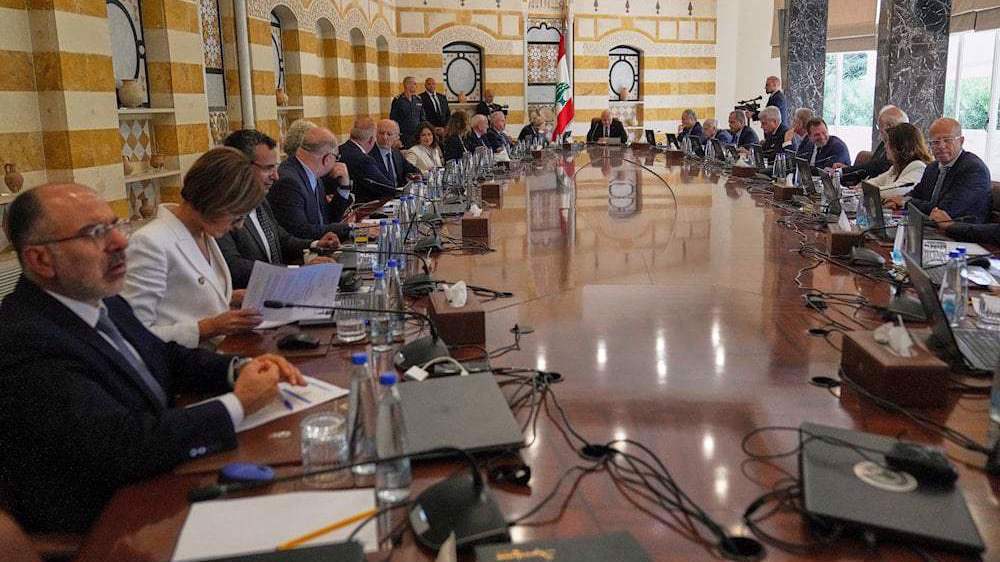
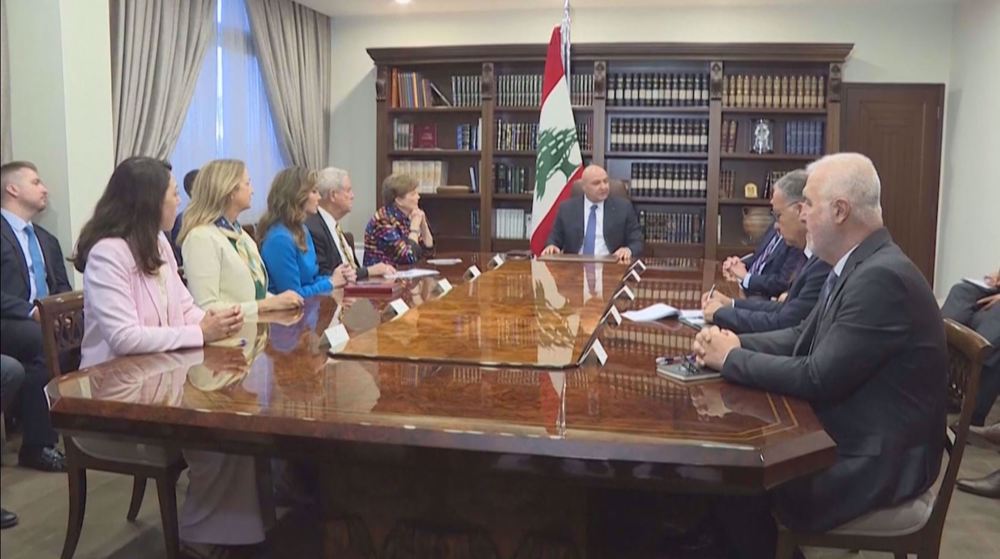
Shia ministers have exited a Lebanese cabinet session on Friday as the government advanced American-supported plans to disarm the Hezbollah resistance movement, amid continued Israeli aggression in southern Lebanon.
According to local media reports, five ministers—including representatives from Hezbollah and its allied Amal movement—departed the meeting upon the arrival of the army chief, who was scheduled to present a draft disarmament plan.
The Lebanese cabinet had previously instructed the military to prepare a detailed roadmap by year’s end, following pressure from Washington.
It marked the third time Hezbollah and Amal ministers have walked out of cabinet discussions on the issue. Lebanon’s political system relies heavily on consensus between its sectarian groups — Shias, Sunnis, Christians, and Druze — making the breakdown significant.
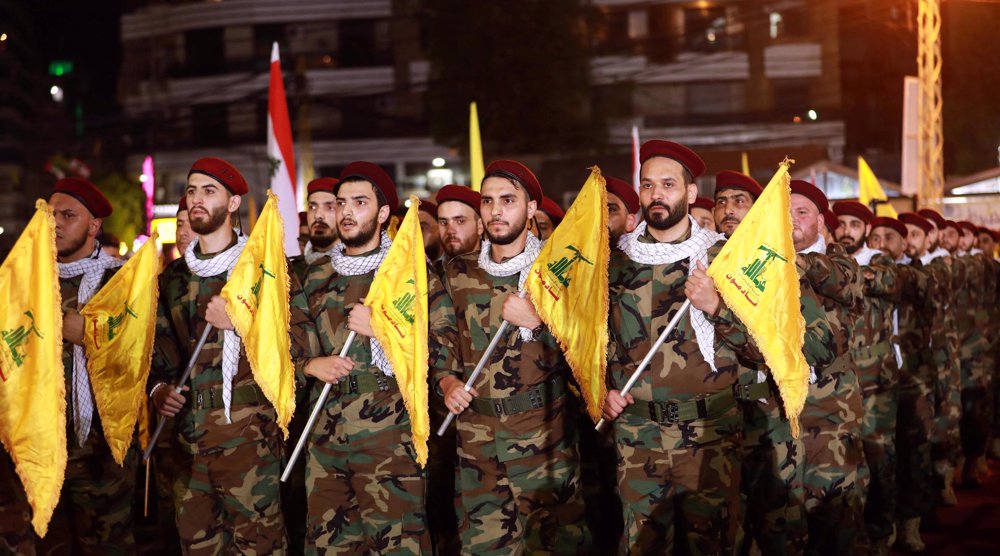
Hezbollah had reiterated its rejection earlier this week, with its parliamentary bloc denouncing the government’s decision as “unpatriotic” and urging authorities to reverse course.
Ministers opposing the plan argue it undermines Lebanon’s sovereignty and aligns the state with foreign agendas.

Officials say the disarmament push is part of implementing a US-brokered ceasefire signed in November. But critics argue the scheme, backed by Washington and Tel Aviv, seeks to weaken the movement’s role as a deterrent and defensive force.
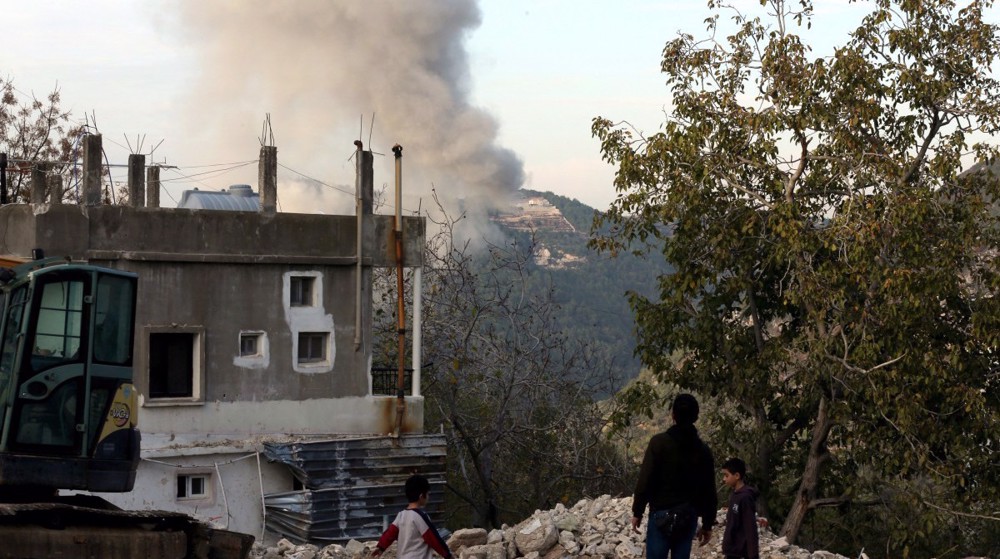
The walkout came amid heavy Israeli airstrikes on southern Lebanon over the past two days, which killed at least five people, according to the health ministry and the state news agency.
Speaker of parliament Nabih Berri, head of the Amal movement, had urged dialogue earlier this week, calling for “calm and consensual” discussions.
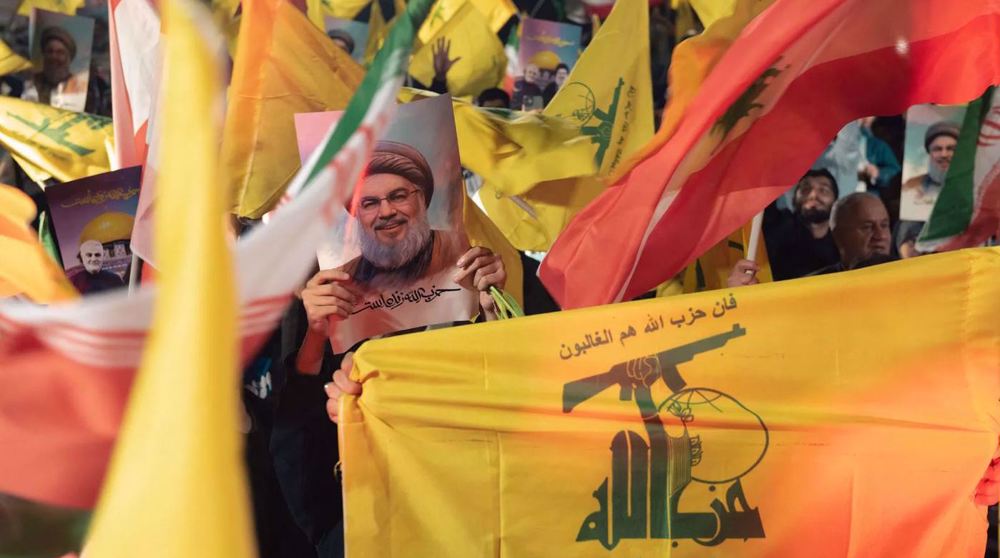
On August 7, the cabinet formally approved the objectives of the disarmament plan, and three days later set a timeline requiring all weapons to be placed under state authority by the end of 2025. The announcement triggered nationwide protests, with demonstrators insisting that Hezbollah’s arms remain vital for defending Lebanon.

Speaking in mid-August, Hezbollah Secretary General Sheikh Qassem described the decision as “dangerous” and a violation of Lebanon’s social cohesion, warning that it “exposes the country to a very serious crisis.”
He said that the government was carrying out “a US-Israeli scheme to dismantle the resistance, even at the cost of plunging Lebanon into civil war and fueling internal strife.”
"This government is serving the Israeli project, knowingly or not," he said, addressing officials directly, "If you feel helpless, let us face the enemy ourselves. We don’t need you to engage."
Since its inception in 1982, the movement has fended off countless incursions into the country by the Israeli regime, which has been occupying Shebaa Farms, a strip of land along Lebanon’s border with the occupied Palestinian territories, since 1967.
The defensive push has included the group’s forcing the Israeli military to retreat during two full-scale wars against the nation in 2000 and 2006.
Israel conducts violent airstrikes on Lebanon after direct talks
Top Hezbollah cmdr. vows resistance group won’t give up weapons
Pope Leo’s Lebanon visit carries message of unity, peace: Senior cleric



VIDEO | Press TV's news headlines
VIDEO | UAE-backed separatists seize key provinces in eastern Yemen
VIDEO | New data reveals India’s exports slide sharply over US tariffs
Man shot dead leaving mosque as Israeli raids, settler violence sweep West Bank
Niger accuses French nuclear giant Orano of ‘mass crimes’
Iran, Russia sign agreement to boost AI, cyber security cooperation
Lebanon’s Parliament Speaker: Talks under fire ‘unacceptable’
Video shows US killing shipwreck survivors in Caribbean strike, lawmakers say




 PressTV NEWSLETTER
now
PressTV NEWSLETTER
now

 This makes it easy to access the Press TV website
