

A prominent economist says the United States has “no right” to tell India who to trade with, and sovereign countries are free to choose their own trade partners.
US President Donald Trump has threatened to double new import tariffs on India from 25 percent to 50 percent by August 27 if New Delhi does not halt its purchase of Russian oil.
Reacting to the decision, American economist, author, and academic Jeffrey Sachs said in an interview with NDTV television that the US president has no authority to determine the trading relations of other nations.
The US “does not act responsibly towards other countries ... sovereign states should have, and do have, the right to choose their own trade partners,” said Sachs.
He described the tariff increase as a clear reason for India to remain cautious in its dealings with Washington.
“Be careful. India should not allow itself to be used by the US, somehow, in the US’ misguided trade war with China,” the economist noted.
Sachs advised the Indian nation not to rely on Americans and find new trade partners from growing economies to replace the declining US market.
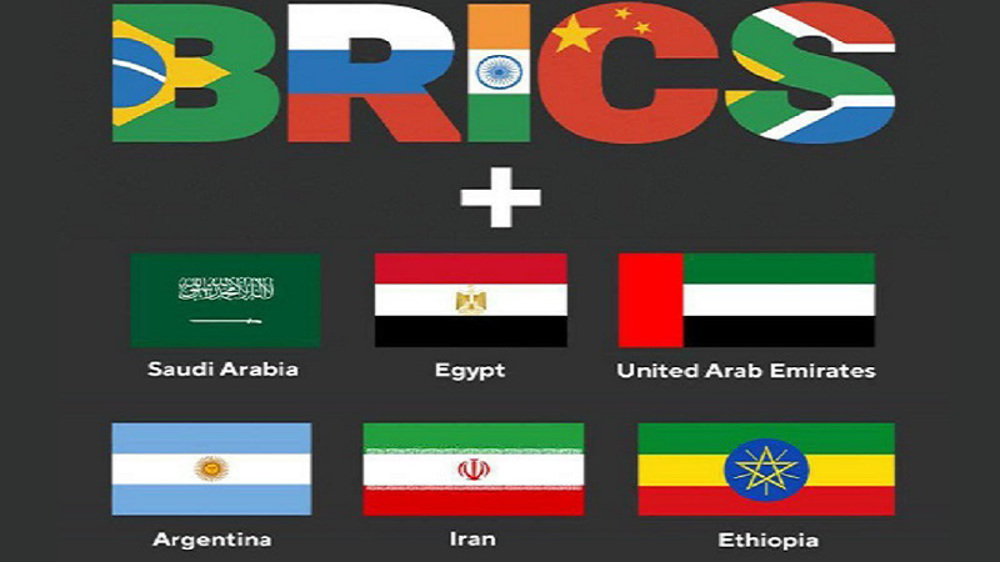
“India needs a diversified base of partners – Russia, China, ASEAN countries, Africa, and not see itself as mainly focusing on the US market, which is going to be unstable, slow-growing and basically protectionist,” he said.
Meantime, the new US tariffs against India are expected to threaten sectors such as textiles, gems, and footwear, mounting stress on Indian businesses to protect margins and supply chains.
Speaking at Delhi’s Red Fort on Friday during India’s 79th Independence Day celebrations, Indian Prime Minister Narendra Modi indirectly responded to the escalated US trade war with a call for economic self-reliance that resonated as both a political statement and a strategic roadmap for industry leaders.
“We know that we remain dependent on many countries to meet our energy needs,” Modi said. “But to build a truly self-reliant India, we must achieve energy independence.”

In response to US tariffs, Modi vowed unwavering support for the country’s farmers, framing the move as essential to safeguarding the nation’s agricultural core while securing broader economic sovereignty.
He claimed that he would “stand like a wall” against the US tariffs that could endanger the livelihood of Indian farmers.
Modi announced a reduction in the goods and services tax from October, a measure designed to boost domestic consumption ahead of the festive season.
He also laid out a push to expand domestic capacity in critical sectors – fertilizers, semiconductors, jet engines, and electric vehicle batteries – linking industrial self-sufficiency to national security and long-term competitiveness.
“When economic selfishness is rising day by day... we must not just sit and worry about the crisis but instead focus on our strengths,” Modi insisted.
 This makes it easy to access the Press TV website