Several European countries led by Germany call for tougher measures against asylum seekers
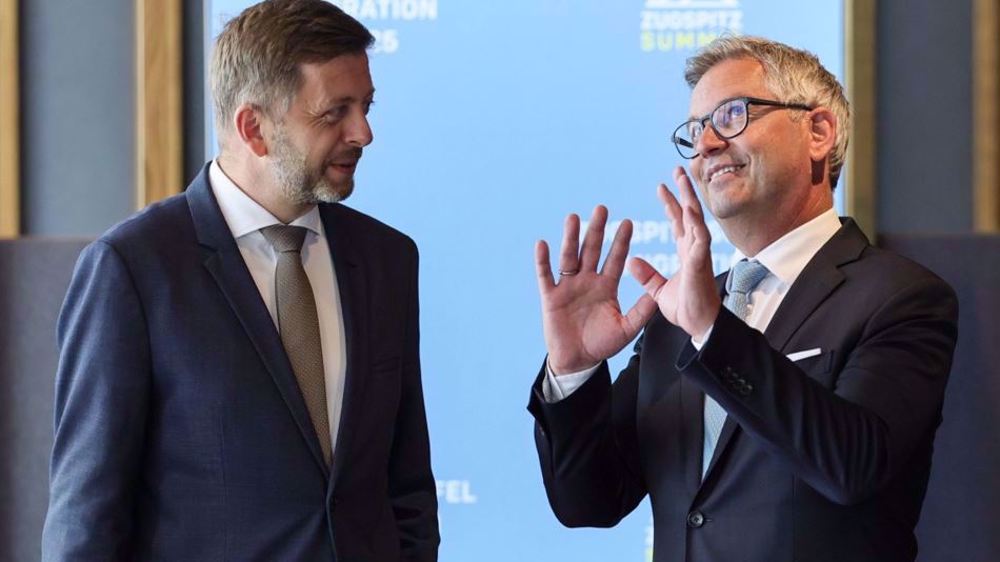
European Commissioner for Internal Affairs and Migration Magnus Brunner joined by several European Union interior ministers has called for tougher measures against asylum seekers.
Brunner and six EU countries interior minister led by Germany's Alexander Dobrindt met atop Mount Zugspitze in Grainau on Friday.
In the meeting, the EU interior ministers from Germany, France, Poland, Austria, the Czech Republic and Denmark agreed in a joint statement to impose tougher measures against asylum seekers.
Deportations to countries such as Afghanistan and Syria should be reinstated as standard practice, with citizens from countries failing to cooperate on deportations to face visa restrictions, the joint declaration said.
They said in the joint statement that the asylum seekers “returns to Afghanistan and Syria must be possible.”
The EU ministers also backed plans for third-country asylum processing and stronger border enforcement, aiming to curb illegal migration and ease social tensions across the bloc.
However, the ministers newly agreed immigration measures require approval from Brussels.
In order for the EU countries to impose the new immigration measures, Brussels must agree to remove the legislative obstacles to deporting rejected asylum seekers to outside the EU.
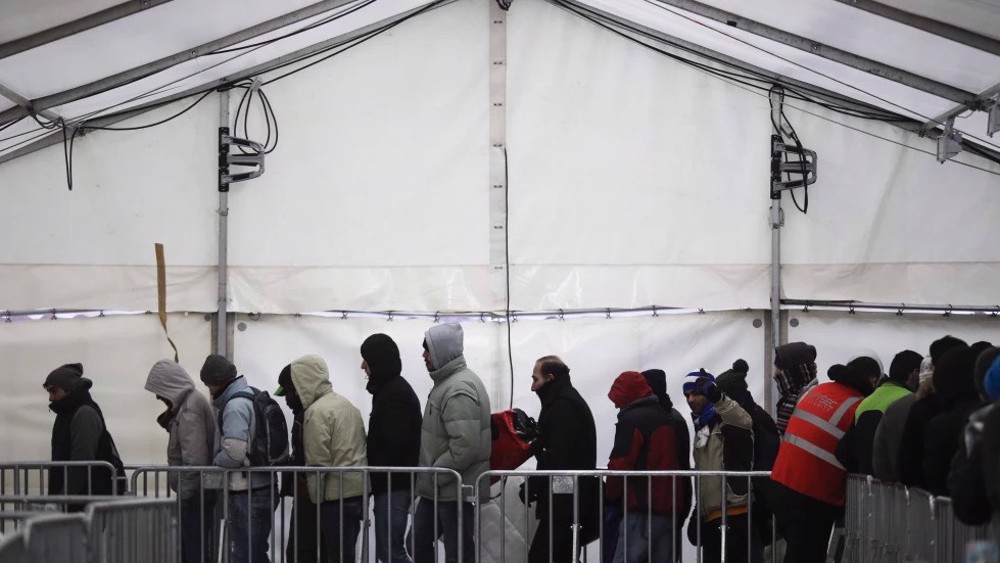
In the meantime, Germany's new Conservative government is already enforcing tougher measures against asylum seekers entering the country.
Germany has suspended family reunification and resettlement programs, and 81 Afghans were deported to Afghanistan on Friday.
The Conservative government is said to be seeking to regain support from voters drawn to the far-right Alternative for Germany, which made historic gains in February's federal election.
"We are all concerned that the overburdening of our countries by illegal migration is also contributing massively to the polarization of society. We want to push back this polarization," Dobrindt said.
Returns and deportations are a "gap in the reorganization of the migration system," Dobrindt added. "We need to do more."
The government’s crackdown on asylum seekers comes almost exactly a decade after former German Chancellor Angela Merkel opened the country's borders to nearly a million refugees fleeing war and persecution. It was a landmark decision that reshaped European politics.
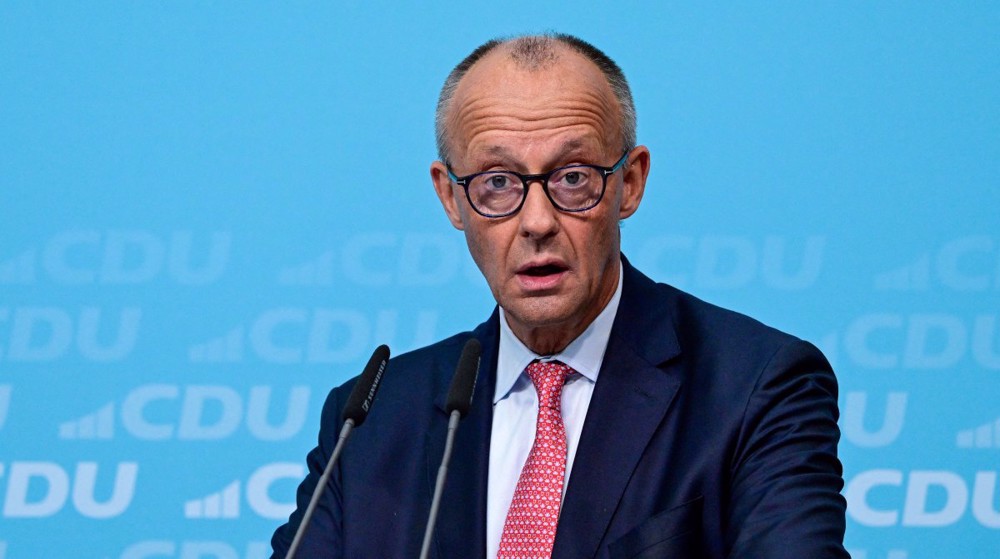
German Chancellor Friedrich Merz, who seeks revenge after losing to his rival for the leadership of the conservative Christian Democratic Union (CDU) back then, launched his political comeback after Merkel stepped down as CDU leader in 2018.
German chancellor says era of unconditional US friendship is ‘probably over’
Iran summons German ambassador over Berlin’s hostile positions, interventionist activities
Germany cannot underwrite the dirty work: Iran slams Chancellor Merz hypocrisy



Seven killed in bus attack in central Syria as blast hits gas pipeline near Damascus
Genuine sovereignty lies in independent decision-making, says Iraqi MP after US pullout
Israel’s next cabinet faces mounting debt, war costs: Report
VIDEO | News Review: UK economic challenges
2026 Asian Games: Abdevali beats Olympic champion to win Greco-Roman gold for Iran
VIDEO | Press TV's news headlines
US exit from Iraq heralds ‘beginning of expulsion’ from West Asia: IRGC
UNICEF cautions against generational crisis in Lebanon amid Israeli attacks


 PressTV NEWSLETTER
now
PressTV NEWSLETTER
now
 This makes it easy to access the Press TV website
