Any ground offensive against Iran will be crushed: Army general
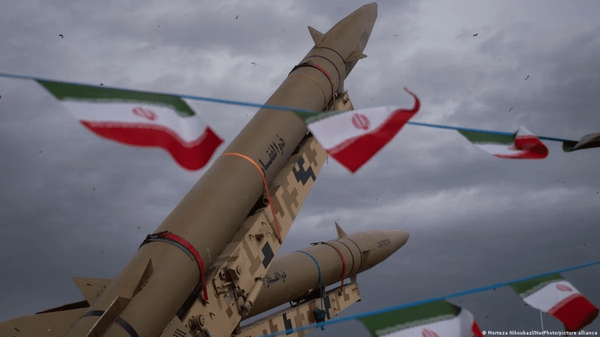
The Iranian Army’s Deputy for Executive Affairs says the country’s military preparedness and strategic maneuvering have forced Washington to repeatedly revise its political objectives, warning that any ground offensive attempt against Iran will be crushed.
Brigadier General Alireza Sheikh said on Wednesday that Iran’s “smart maneuvering on the chessboard of the battlefield” has compelled the White House to continuously redefine its political objectives.
He rejected US claims that Iran’s naval forces were completely destroyed during the recent US-Israeli aggression, arguing that military power cannot be measured solely by weapons and equipment.
“Power is not merely a hardware component that can be measured by tools and equipment,” Sheikh said. “Power is the art of maneuvering on the battlefield and combining defensive capabilities to achieve an objective.”
He said a country may possess superior technology and achieve tactical successes in a direct confrontation, but that such successes do not necessarily translate into strategic victory.
“The real effectiveness on the battlefield comes from the thinking that can create a new combination from available tools, change the battlefield, and turn an operational action into a strategic outcome,” he said.
According to Sheikh, Iran changed the nature of the confrontation by shifting the battlefield toward other elements of national power and thereby reducing the effectiveness of its enemies’ military capabilities.
“You may stand against an opponent with military capabilities, equipment and technology, but if you cannot impose your will on the other side, you are the real loser of the war,” he said.
Sheikh also noted that Israel and the United States had developed plans to create insecurity and pursue separatist activities in western Iran. He said Iran responded through a preemptive move.
“We identified their plans, understood their intentions and identified and destroyed their groups before they could take action,” he said.
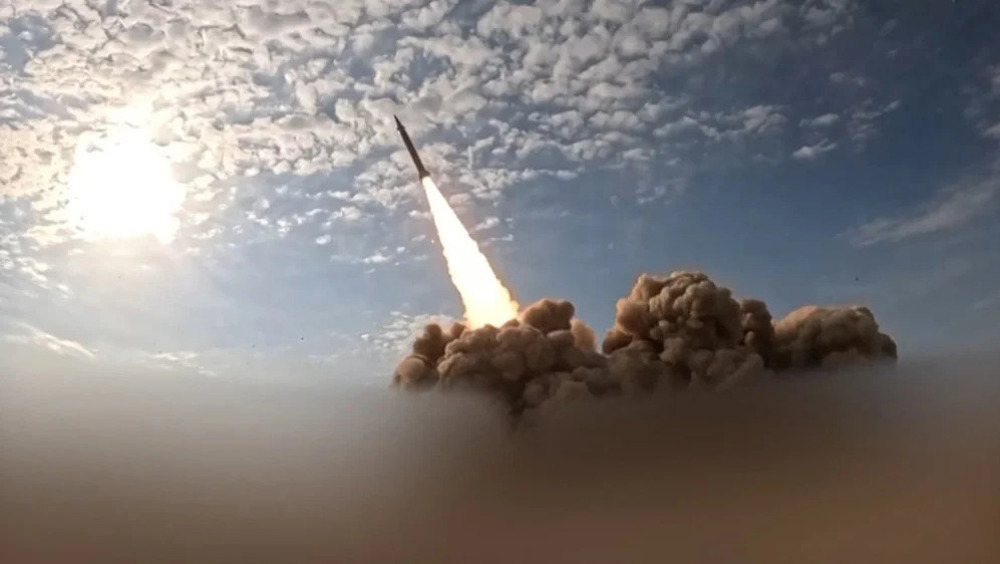
He described Washington’s changing political objectives during the war as a major sign of strategic failure.
“Changing political objectives continuously during an operation and the mismatch between military tools and major political objectives are the biggest signs of America’s failure,” he said
Asked about Iran’s missile deterrence and its ability to respond to a potential wider war, Sheikh said more than 75 percent of Iran’s missile and drone capabilities remained operational.
He also highlighted the evolution of Iranian drones, particularly the Arash, saying the system has been modified in response to battlefield requirements.
“The Arash drone, after demonstrating its effectiveness at long distances, was equipped with new capabilities and the obstacles in its path were overcome,” he said.
Sheikh added that the Iranian Armed Forces have adapted their technology during both the 12-day and 40-day periods of fighting, describing the process as an ongoing effort to adjust military capabilities to changing battlefield conditions.
“Today, the Arash drone has become a nightmare for the enemy,” he said.
Addressing the possibility of a ground aggression, Sheikh said Iran was closely monitoring potential enemy strategies and would respond according to developments on the battlefield.
“As soon as their plans became clear, we crushed them before they could make any move,” he said.
He argued that Iran’s ability to alter regional power equations also strengthened its position in negotiations.
“The enemy now knows that we have the power to change regional equations,” Sheikh said. “When you are capable of changing the equation, you can also become an architect of understanding and agreement.”
The US and the Israeli regime launched their war of aggression against Iran on February 28 by assassinating the Leader of the Islamic Revolution, Ayatollah Seyyed Ali Khamenei, along with senior military commanders.
However, forty days later, on April 8, they were forced to accept a ceasefire amid Iran’s resistance, successful retaliatory operations, and powerful grip on the Strait of Hormuz.
Tehran and Washington signed the Islamabad MoU on June 17, but the US effectively violated the agreement by striking Iran.
In response, the Iranian Armed Forces have conducted devastating attacks against strategic American targets across West Asia.
New front will open if Iran is attacked again, Leader’s advisor warns
Iran, resistance forces to deliver ‘devastating’ response to any threat: Top cmdr.
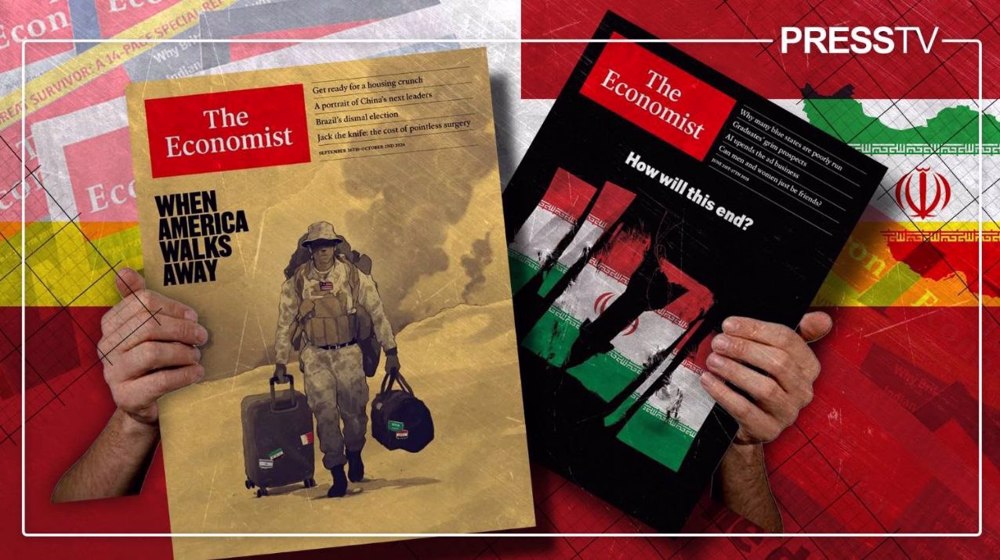
From ‘How Will This End For Iran’ to ‘When America Walks Away’: A tale of two Economist covers



America hiding true casualties of wars on Iran: Senior Army commander
UK police release five men on bail after airbase security incident
VIDEO | Commentator: Iran’s education, unity and history strengthen its resilience
Why Oct. 7 cannot be divorced from decades of occupation, subjugation, dispossession of Palestinians
VIDEO | Global oil price proof that Iran controls Hormuz Strait: Political scientist
Iraqi airliner resumes flights to Iran amid US sanctions threats
Araghchi: Zero compromise on Iran’s nuclear program, US response expected Tuesday
VIDEO | Iran, Azerbaijan push for expanded trade, transport links



 PressTV NEWSLETTER
now
PressTV NEWSLETTER
now
 This makes it easy to access the Press TV website
