
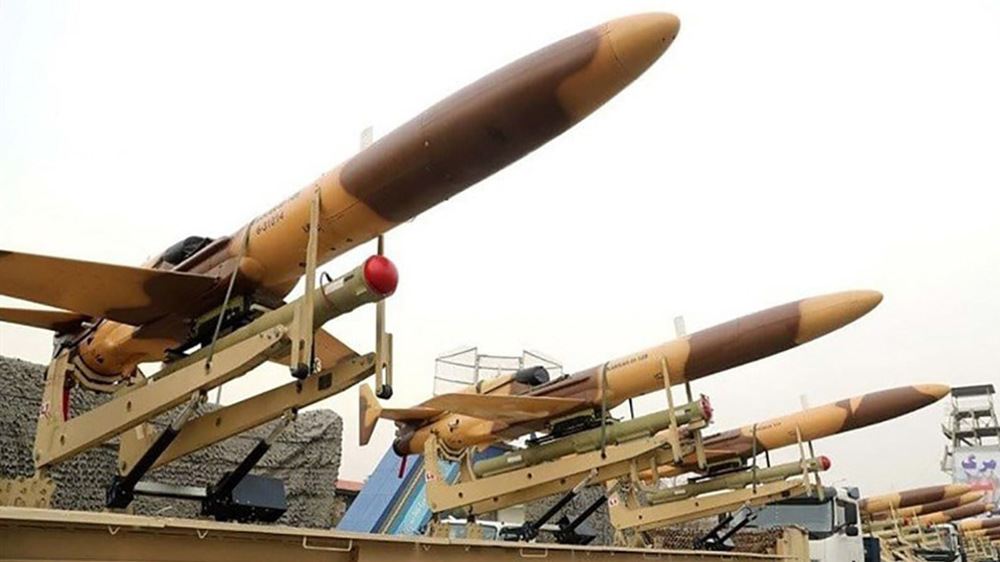
The Iranian Armed Forces’ sacrifices forced Israeli and US enemies into retreat, the head of Iran’s Judicial Organization of the Armed Forces says, praising the military’s role in the 40-day war.
Speaking during a meeting with Army Ground Force Commander Brigadier General Ali Jahanshahi on Saturday, said the Armed Forces’ actions brought honor to Iran on the global stage despite the enemies’ pre-war claims.
Pourkhaghan commended the Army Ground Force for its dedication under the most difficult conditions during the conflict.
He also praised Jahanshahi’s “jihadi and field management” throughout the US-Israeli war of aggression, saying the presence of commanders on the front lines was a key factor in boosting the morale and motivation of combatants.
“The Armed Forces, through their sacrifices, succeeded in forcing the Zionist and American enemies, who had made many claims before the war, into retreat and brought honor to Iran on the global stage,” he said.
He added that the Judicial Organization of the Armed Forces serves as a strong support for military commanders by working to uphold justice and strengthen authority and discipline within the armed forces.
Pourkhaghan also praised the unity and cooperation among the Army, the Islamic Revolution Guards Corps (IRGC), and border forces in safeguarding the country’s frontiers, describing their close coordination as a key factor in mission success.
Jahanshahi, for his part, thanked the organization for its support and presented a report on developments and achievements related to the war.
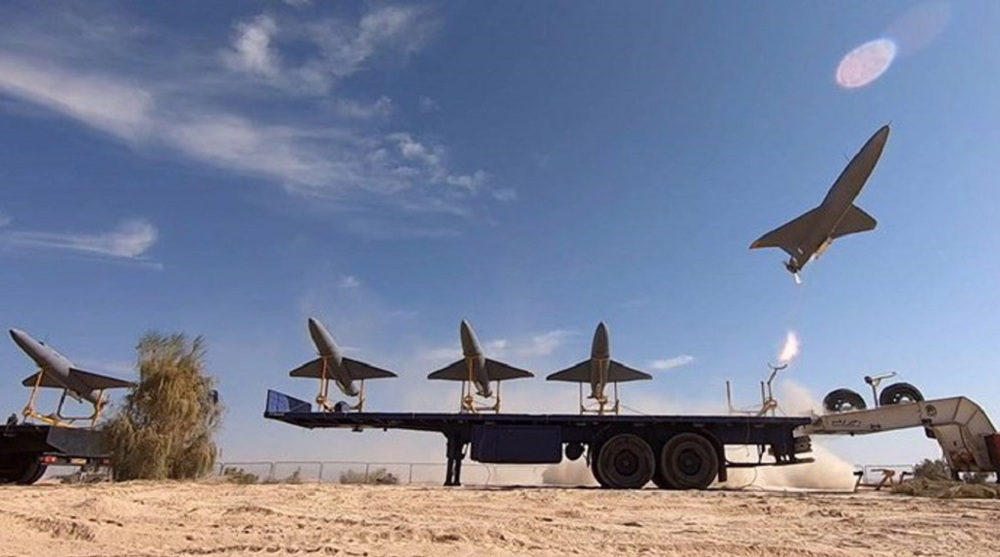
The war against Iran began on February 28, 2026, when the United States and Israel launched a joint aggression against Iran.
On the first day of the war, US and Israeli strikes assassinated Leader of the Islamic Revolution Ayatollah Seyyed Ali Khamenei and targeted nuclear facilities, military installations, and key infrastructure across the country.
The war, which lasted 40 days, resulted in thousands of casualties and widespread destruction of civilian and scientific infrastructure.
Following Iran's retaliatory strikes and its effective closure of the Strait of Hormuz, a Pakistan-brokered ceasefire agreement was reached on April 8.
On June 17, Iran and the US signed a 14-point memorandum of understanding outlining a path toward a final peace deal.
The agreement committed the US to lifting its naval blockade within 30 days, allowed Iran access to frozen assets, and established a 60-day window to negotiate a final agreement.
 This makes it easy to access the Press TV website