BRICS embraces Iran's emerging power status at India energy summit
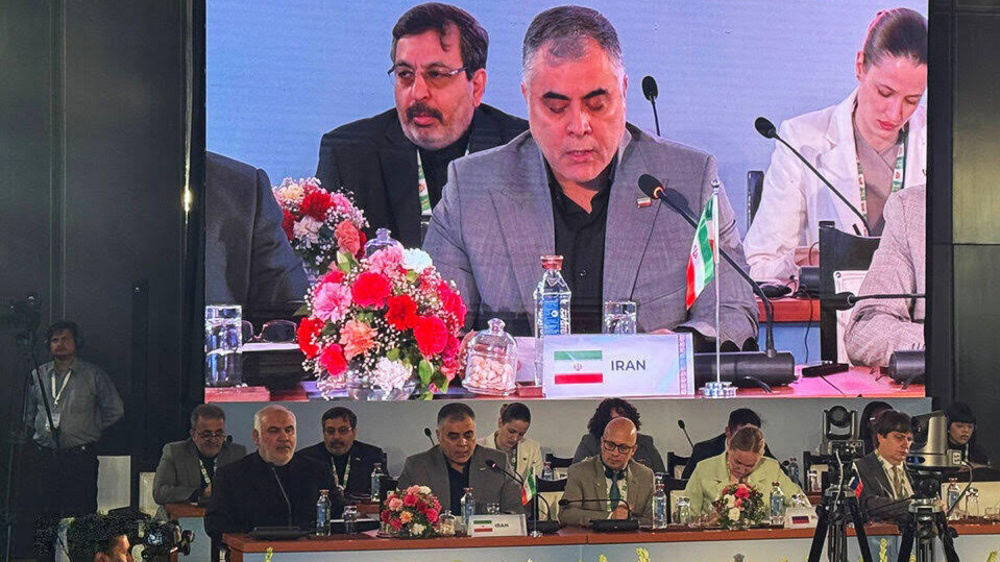
The 11th BRICS Energy Ministers' Meeting, hosted by India in Gurugram last week, unfolded against a backdrop of unprecedented global turbulence.
The preceding months witnessed a dramatic escalation of the US-Israeli terrorist war on Iran, which affected the world's most critical energy arteries, namely the Strait of Hormuz, the Bab el-Mandeb, and the Suez Canal.
The crisis, rather than diminishing Iran, has paradoxically catapulted the Islamic Republic to the zenith of future energy security discussions, granting it a commanding role in the global energy equation.
Iran's participation in the BRICS meeting was in fact a strategic assertion of its newfound centrality to a bloc that is rapidly transforming into a formidable power axis.
Through its new-found unique geoeconomic position, Iran has assumed a leading role in shaping the future of global energy governance and the very architecture of the emerging multipolar world order.
The US-Israeli war on Iran, which began in February 2026, triggered a 100-day disruption in the Strait of Hormuz, a critical maritime chokepoint through which approximately 20% of the world's crude oil supply passes.
The blind war on Iran immediately sent shockwaves through the global economy, which affected not just fuel prices but also fertilizer production, transportation, and the cost of consumer goods, creating an inflationary spiral that threatens economies worldwide.
Though the attacks damaged Iran's oil, gas, and petrochemical infrastructure, they also exposed the global economy's profound dependence on the stability of the Persian Gulf and Iran's strategic position within it.
The crisis starkly illustrated that Iran is not just a major producer but a gatekeeper of global energy flows.
This reality was amplified by Iran's related influence over other key waterways like the Bab el-Mandeb and its proximity to the Suez Canal, giving it a unique ability to project power and influence across the world's most vital maritime routes.
The BRICS Energy Ministers' Meeting in India provided the perfect platform for Iran to assert its newfound strategic position, with Petroleum Minister Mohsen Paknejad's presence signaling Tehran's intent to lead rather than merely participate.
Paknejad sought to revitalize crucial bilateral energy partnerships, particularly with India, while projecting a unified vision for energy security through the BRICS framework. His discussions with Indian officials, which centered on enhancing hydrocarbon cooperation, were a direct outcome of the crisis.
The war on Iran had severely disrupted India's energy imports, forcing it to scramble for alternative suppliers and deal with exorbitant freight and insurance costs.
This made India acutely aware of its vulnerability and the necessity of a stable relationship with Iran, especially after US attacks on Indian-crewed vessels in the Gulf of Oman which killed three sailors and prompted New Delhi to summon the American charge d’affaires.
The attacks underscored the brutal reality that under the existing US-led order, India's energy lifelines were subject to the whims of American military policy.
Hence, the prospect of reviving imports from Iran as its former top supplier was a major incentive for India which imports nearly 88% of its crude oil requirements.
The discussions were extended from crude oil imports to liquefied petroleum gas (LPG), investment in oil and gas projects, and exploring the Farzad B gas field, signaling a comprehensive effort to restore and deepen the bilateral energy partnership.
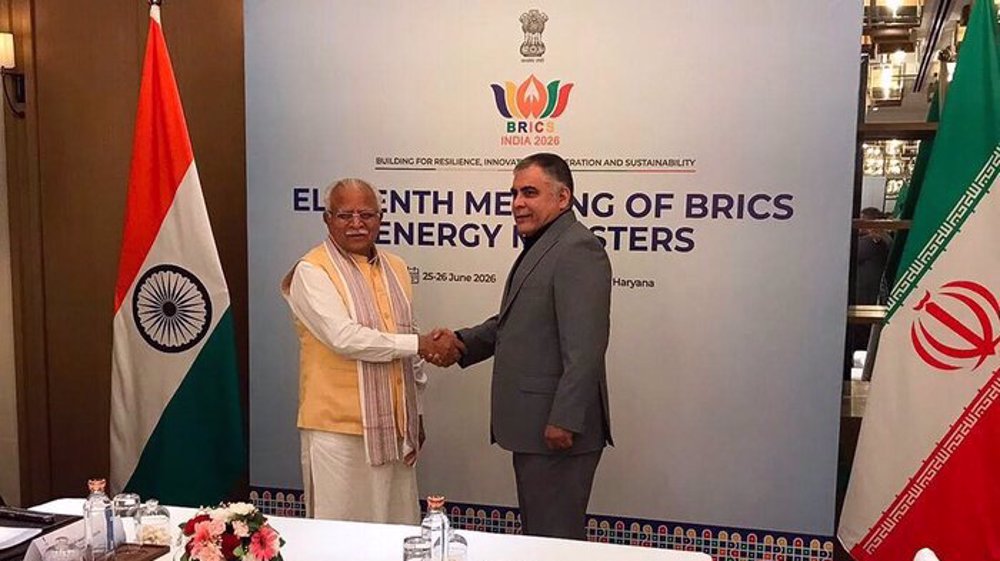
Beyond the bilateral track, Paknejad's address to the BRICS Energy Ministers' Meeting outlined Iran's vision to lead the bloc's energy agenda.
Most importantly, he proposed the establishment of a "BRICS Energy Security Partnership" under the bloc's 2025-2030 Energy Cooperation Roadmap, that would naturally position Iran as a central pillar of the bloc's energy architecture given its vast reserves and strategic geography.
The proposal called for regular information exchange, cooperation on protecting critical infrastructure, enhancing emergency response, and encouraging strategic energy investment among members.
This initiative, if realized, would position Iran as a key architect of the bloc's energy policy, reinforcing its leadership role and deepening the bloc's collective approach to energy security among the world's most prominent emerging economies.
Iran is an indispensable geoeconomic bridge for the BRICS coalition. Its shared sea and land borders with 15 nations make the country a strategic transit corridor, connecting the Caspian Sea to the Persian Gulf and linking the Caucasus, Central Asia, and South Asia.
At the meeting, Minister Paknejad proposed that Iran could serve as the physical and financial nexus for BRICS, offering to host a financial free zone that would facilitate investment flows and trade settlement in local currencies, thereby reducing reliance on the US dollar.
Paknejad emphasized technology and infrastructure as new pillars of cooperation. He inaugurated the BRICS Centre of Excellence for Digital Technologies, Smart Grids, and Energy Storage, positioning Iran as a hub for technological collaboration within the bloc.
Simultaneously, Tehran has floated ambitious infrastructure proposals, such as connecting the power grids of Russia, Saudi Arabia, and the UAE through Iran.
Such a project would be a monumental achievement, physically and electronically integrating BRICS members through Iranian territory and reinforcing its role as the bloc's energy backbone.
These proposals collectively suggest a vision where Iran transitions to the central nervous system of the BRICS energy network, coordinating the flow of electricity, capital, and technological know-how among member states.
The crisis on the Strait of Hormuz forced the world to acknowledge the reality of Iran's commanding position. At the Gurugram meeting, Iran seized this opportunity to redefine its role in the emerging world order.
The meeting demonstrated that in the post-crisis world, the era of sidelining Iran is over and the era of Iran leading through BRICS has begun.
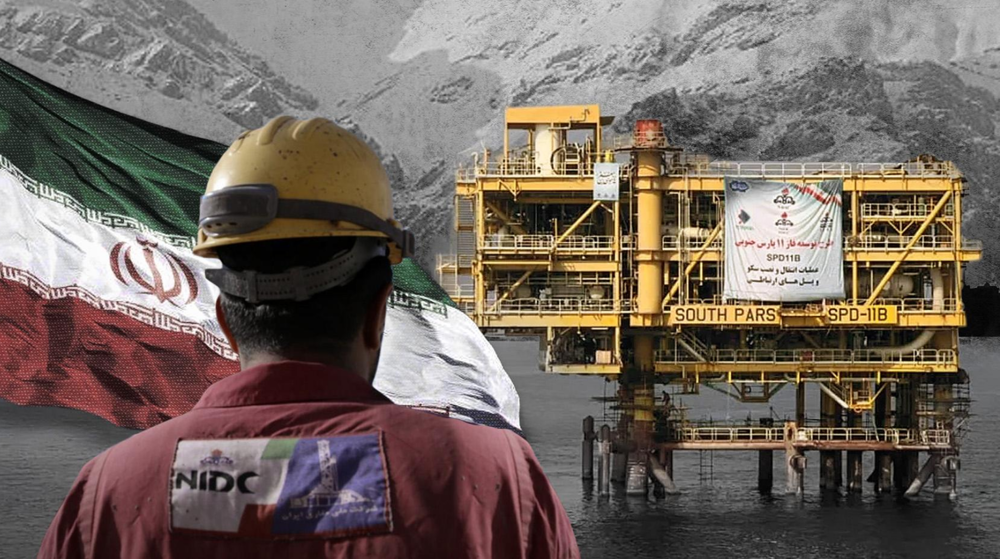
Iran’s energy rebuild sparks unprecedented industrial shift
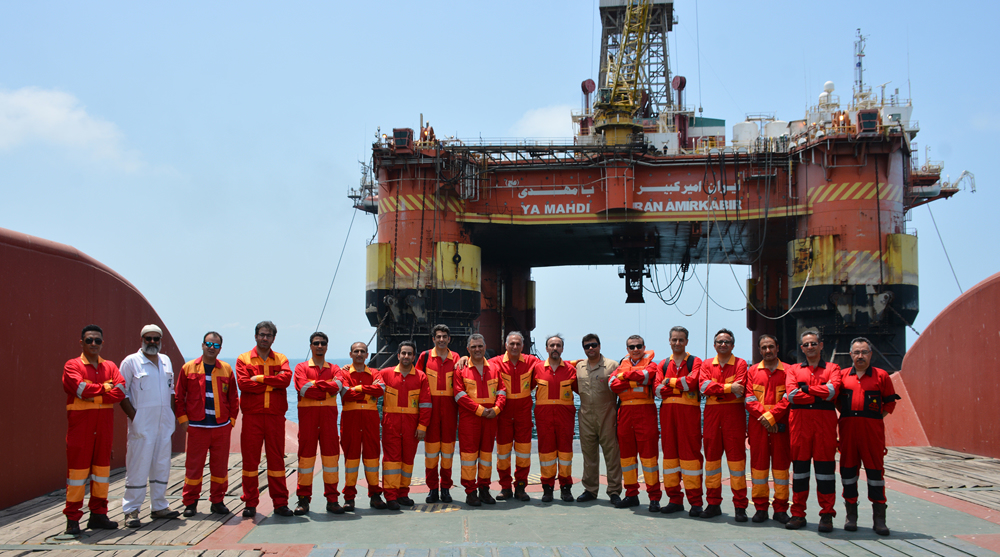
War spurs Iran’s push to develop Caspian energy frontier
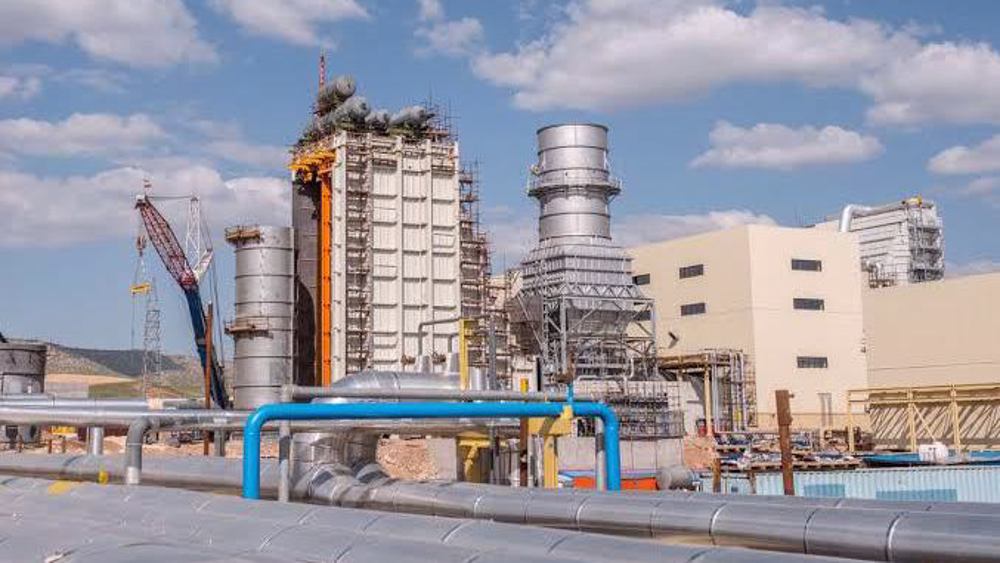
Iran connects 290MW Dalahoo power unit to grid, showcasing elite F-class turbine technology



VIDEO | Israeli siege forces Gaza hospitals to cut services
Grand Ayatollah Shobeiri Zanjani passes away at age of 98
Yemen pledges to escalate campaign to break Saudi blockade
VIDEO | Iran's warning to US, regional allies
Gaza health system nears collapse amid shortages and fuel crisis
Saudi Arabia bombs Yemen 760 times since escalating aggression
VIDEO | Press TV's news headlines
VIDEO | Saudi Arabia, UAE helping US, Israelis to fulfill their mission in region: Analyst


 PressTV NEWSLETTER
now
PressTV NEWSLETTER
now
 This makes it easy to access the Press TV website
