
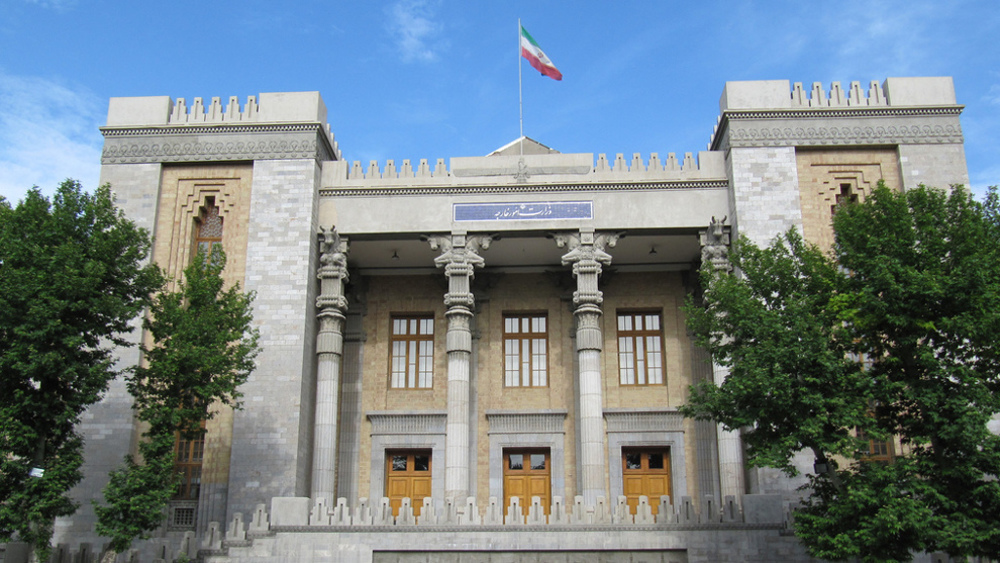
Iran’s Foreign Ministry has fiercely condemned a joint statement by the United States and the Persian Gulf Cooperation Council (GCC) as "meddlesome, irresponsible, and provocative," warning regional states against continuing their hostile alignment with Washington.
In a statement released on Friday, Tehran reacted sharply to the joint communique issued on June 25, 2026, dismissing Washington’s claims of an “enduring US commitment” to the security of Persian Gulf states as nothing more than "rhetoric and an inversion of reality."
The ministry emphasized that the US military footprint in the region remains a burden on local populations and a primary driver of insecurity.
The ministry pointed to the recent US-Israeli aggression against Iran from February 28 to April 8, during which the US utilized military bases hosted by Persian Gulf countries to launch attacks against the Islamic Republic.
The war, which began with US-Israeli airstrikes assassinating senior Iranian officials, saw Persian Gulf littoral states permit the aggressors to use their soil and airspace. Iran subsequently retaliated with 100 waves of missile and drone strikes against American and Israeli targets, and has since demanded compensation from five Arab nations for enabling the illegal attacks.
In its latest statement, the foreign ministry asserted that Washington’s use of Arab countries’ soil to attack Iran has made it clear that the US has no regard for the security of regional states or their relationships with one another.
It reminded the Arab council members of their obligations under international law and the principle of good neighborliness. It urged them "to prevent any use of their territory and facilities by third parties to plan, organize, support, and execute illegal actions, including military aggression against the Islamic Republic of Iran."
Tehran also expressed "loathing at the repetition of the big lie" fabricated by the US and the "genocidal Zionist regime" regarding Iran’s peaceful nuclear program. Instead of echoing Western threats, the ministry advised Persian Gulf governments to join Iran’s initiative for a West Asia free of nuclear weapons and pressure Washington to stop sabotaging the effort.
‘No compromise in defending Iran’
The inclusion of the cliché phrase “threats originating from Iran” is merely a tool of a long-standing “Iranophobia” campaign designed by the US and Israel, said the statement, denouncing this language as a clear sign of the US ruling class’s ongoing attempts to “impose its illusions and greed on regional countries.”
It noted that the US has been pursuing a "divide and rule" policy that has trapped Persian Gulf states in a dangerous and endless arms race, turning the region into a massive weapons depot.
Crucially, the ministry emphasized that “sustainable peace and security in the region can only be achieved through confidence-building and mutual cooperation among regional countries, away from destructive US interventions.”
"The Islamic Republic of Iran will not make the slightest compromise in defending the country and its related capabilities," the statement warned.
Israel is the only proxy in region
Addressing the classification of Palestinian and Lebanese resistance groups, the ministry expressed deep regret over the GCC’s alignment with Washington and Tel Aviv in labeling these groups as "Iranian proxies."
It countered that "the only proxy entity in the region is the Zionist regime," asserting that the struggle against occupation and apartheid is fully legitimate under international law.
The statement also addressed the strategic Strait of Hormuz, placing direct responsibility for recent maritime insecurity on the US, Israel, and those regional states that aided their military campaign.
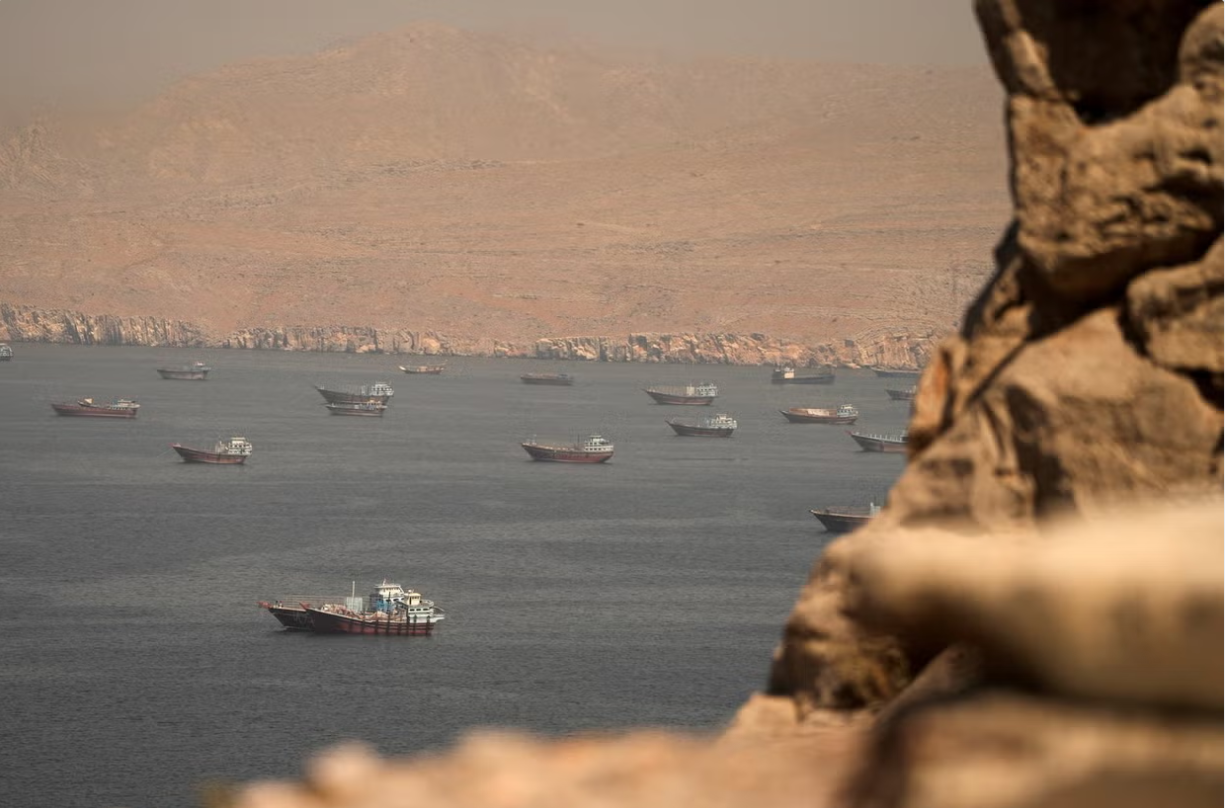
Tehran reiterated that the strait lies within the territorial waters of Iran and Oman, and that shipping management will strictly follow Article 5 of the June 18 Memorandum of Understanding (MoU) that brought an end to the recent war.
The June 18 MoU, signed remotely by Iranian President Masoud Pezeshkian and Donald Trump, called for a permanent end to hostilities, the phased lifting of sanctions, and the restoration of commercial traffic through the strait.
The foreign ministry urged GCC states to draw lessons from the recent imposed war and revise their security outlooks, reaffirming that "collective security can only be realized through the cooperation of all regional countries and without foreign interference."
 This makes it easy to access the Press TV website