Iranian forex policy shift aims to improve economic conditions in Iran
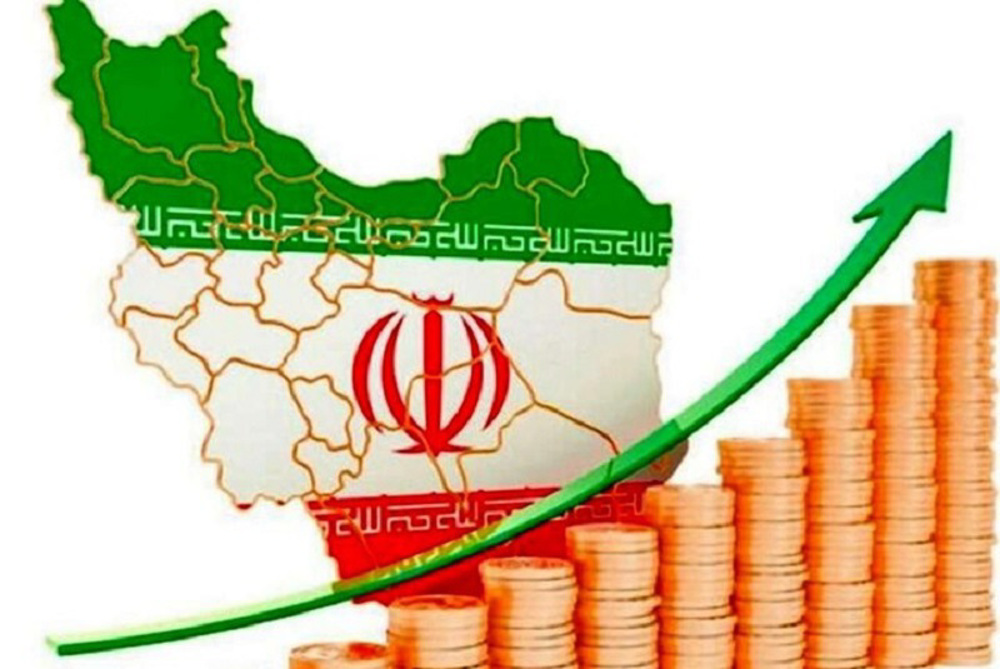
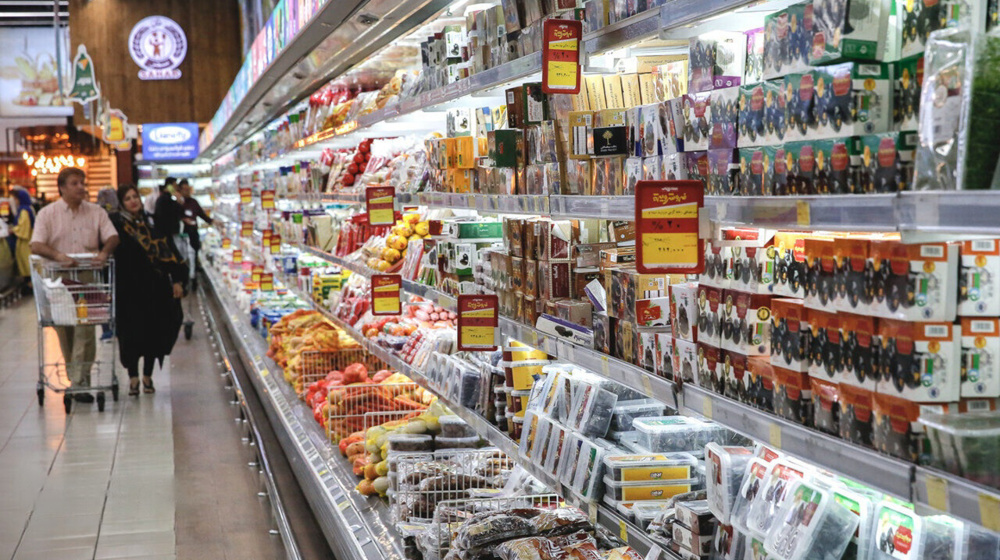
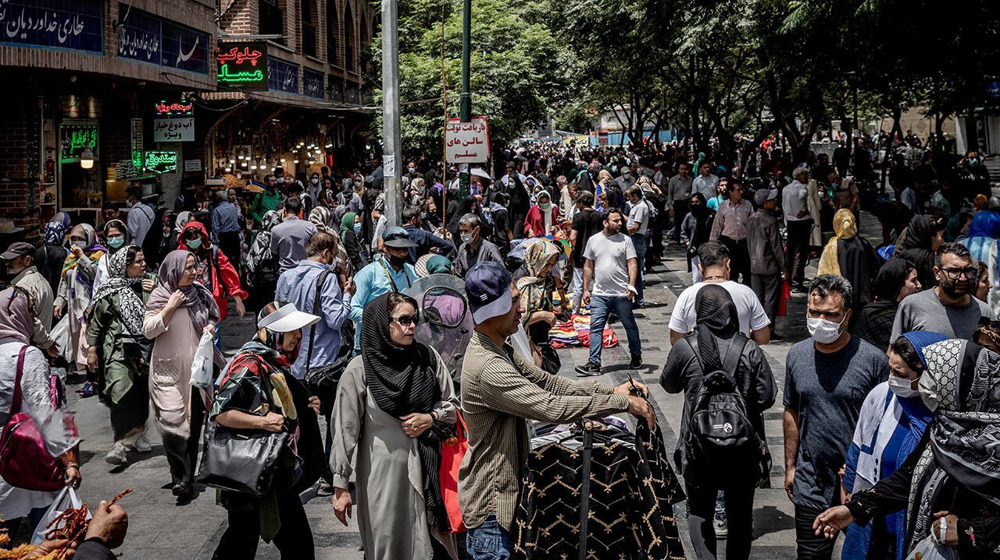
Imagine a night when prices suddenly start rising, a marketplace that changes its face every single day, a dinner table that keeps getting smaller, and families asking themselves how did we get here?
The story goes back to 2017 when a sharp currency shock pushed Iran's economy into a new and turbulent phase.
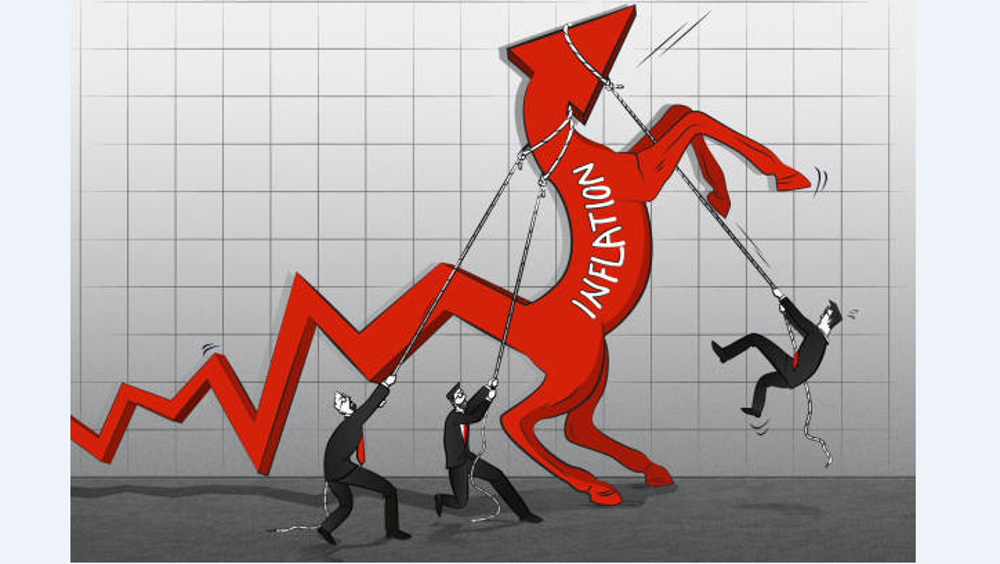
The exchange rate surged, prices climbed rapidly, and inflation began to squeeze household livelihoods.
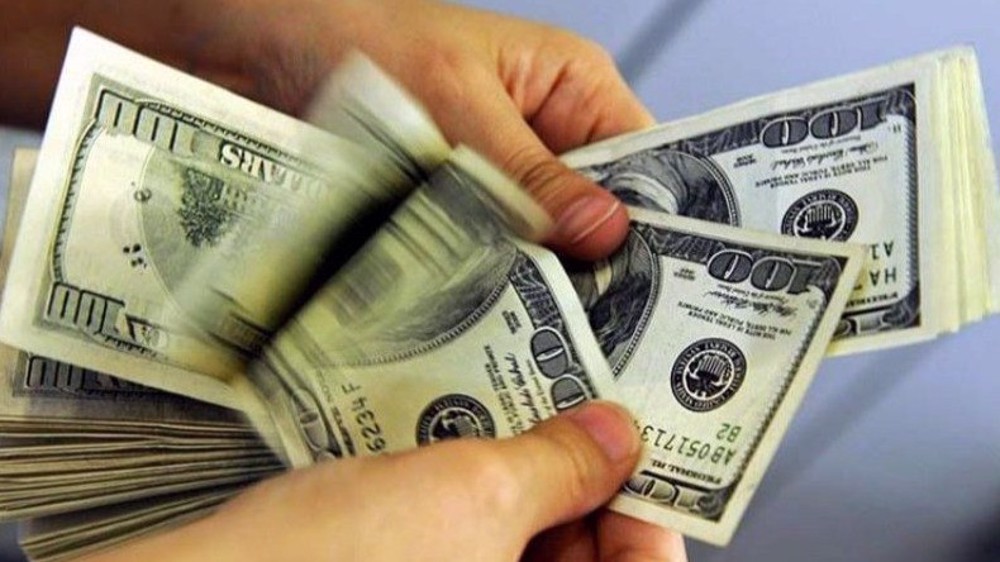
In response, the administration at the time, led by President Hassan Rouhani, introduced a policy that was meant to act as a shield against rising prices, allocating the dollar at a fixed rate of 4200 Tomans for the import of 25 essential goods.
But things did not go as planned.
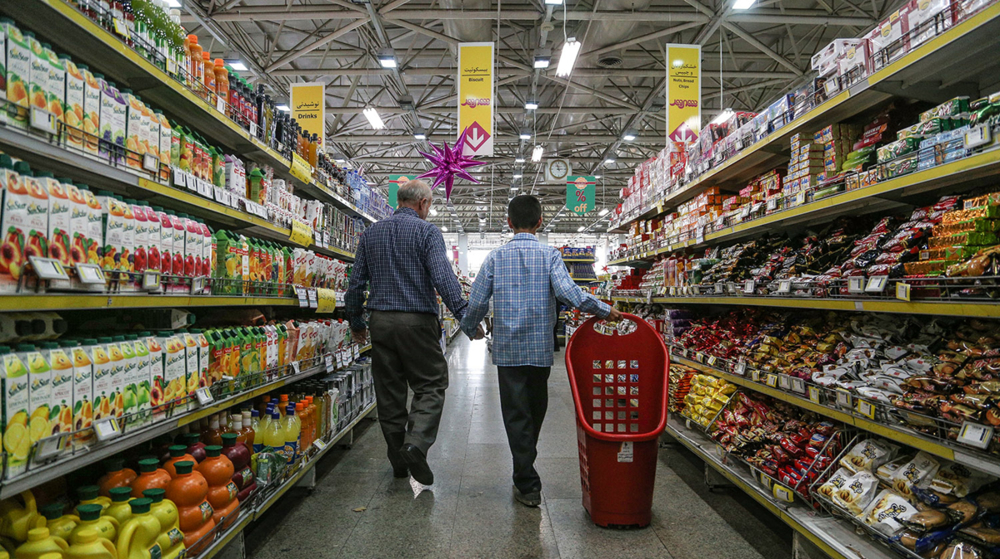
The goal of this preferential exchange rate was clear: to provide cheap dollars so that essential goods, such as bread, rice, cooking oil, chicken, and meat, could reach people at lower prices; protect household consumption, contain inflation, and ease the pressure on low-income groups.
But economies do not respond to intentions; they respond to mechanisms.
Over time, the gap between the subsidized exchange rate and the free market rate widened dramatically. That gap was not just a number; it was an opportunity, a space where rent seeking could thrive.
Those with access to cheap foreign currency could reap enormous profits from the price difference. Many goods imported with subsidized dollars never reached consumers at subsidized prices. The support that was meant to sit on family tables was lost somewhere along the supply chain.
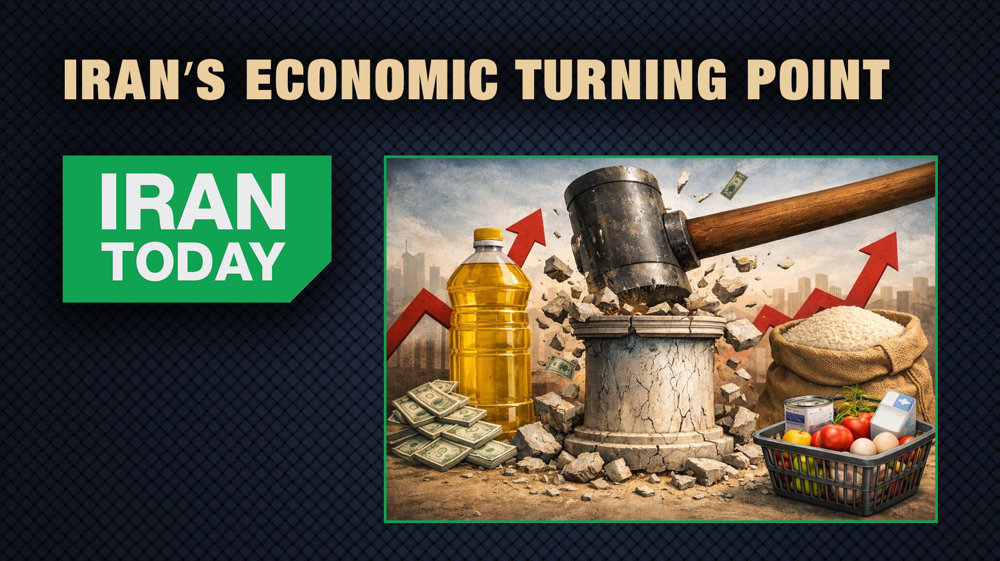
The current administration has decided to unify the foreign currency exchange rate. What led to such a solution being proposed?
The multi-tiered exchange rate system created serious problems. In many cases, foreign currency allocated for essential goods either did not result in imports, was traded on the open market at higher rates, or the goods were smuggled after entering the country.
Sometimes goods were imported at subsidized rates, but sold to the public at free market prices. This led to numerous legal cases and ultimately failed to solve people's problems.
We saw sharp price increases in essential goods and the emergence of massive rent seeking.
Majid Goudarzi, Economic Analyst
At the same time, Iran's foreign currency resources were limited, sanctions, declining oil revenues, and external pressures had tightened government finances, yet billions of dollars were still allocated at the preferential rate.
When revenues fall short, budget deficits emerge. And when deficits are financed through borrowing or money creation, the result is inflation.
Is there any guarantee that rent-seeking activities would be transferred from one channel to another channel?
The gap between the preferential exchange rate and the free market rate, combined with public demand, created conditions ripe for temptation and massive rent seeking.
The government introduced the multi-tiered system to ensure essential goods, such as poultry and meat, would reach consumers at lower prices.
But in practice, we saw reports that these same goods, despite receiving subsidized currency, were ultimately sold to people at free market prices. In the process, certain groups captured significant rents.
Yahya Ale Eshaq, Former Iranian Minister of Commerce
Herein lies the paradox. A policy designed to control inflation gradually became one of the forces fueling it. The consequences did not stop there.
Massive imports of essential goods at subsidized exchange rates weakened domestic producers.
Farmers and manufacturers expecting to compete at real market prices suddenly faced artificially cheap imported products.
Relative prices were distorted. Production incentives declined. Some businesses shut down. Nearly 3 million jobs were lost. Dependence on imports increased.
How do you think removing the preferential exchange rate will impact structural inflation?
Price liberalization is fundamentally the right idea.
Economies around the world have concluded that prices should be real, rather than controlled through heavy oversight and price-setting mechanisms.
Markets need to move toward competitiveness.
In our case, we have long had extensive subsidies in the economy. It's often said that our GDP, based on purchasing power parity, stands at around $1.6 trillion.
In practical terms, $1 in Iran has significantly greater purchasing power than $1 in Iraq, largely because of the substantial subsidies distributed throughout our economy.
Hamid Hosseini, General Secretary of the Iran-Iraq Joint Chamber of Commerce
Trade policy was also disrupted; when tariffs were calculated based on a 4200 Tomans per US Dollar exchange rate, effective protection for domestic industries was significantly reduced.
Meanwhile, in an attempt to manage domestic supply, the government imposed export restrictions on products like poultry and dairy products, which resulted in even greater instability.
And yet one important fact must be acknowledged: in the short term, the preferential exchange rate did help low-income households access certain essential goods, but the critical question was sustainability.
Could a country with limited foreign exchange reserves continue distributing cheap dollars year after year, without paying a much heavier economic price?
According to Mr. Goudarzi, one thing has unintentionally undermined the Iranian currency over time.
Unfortunately, we have taken many actions that have weakened the Rial.
One example is the roughly 65,000 unfinished projects currently underway.
The president has pointed out that completing them would require around $33.3 billion US, even if we assume these projects are 50% complete, which means an enormous amount of capital has been tied up with virtually no added value.
Majid Goudarzi, Economic Analyst
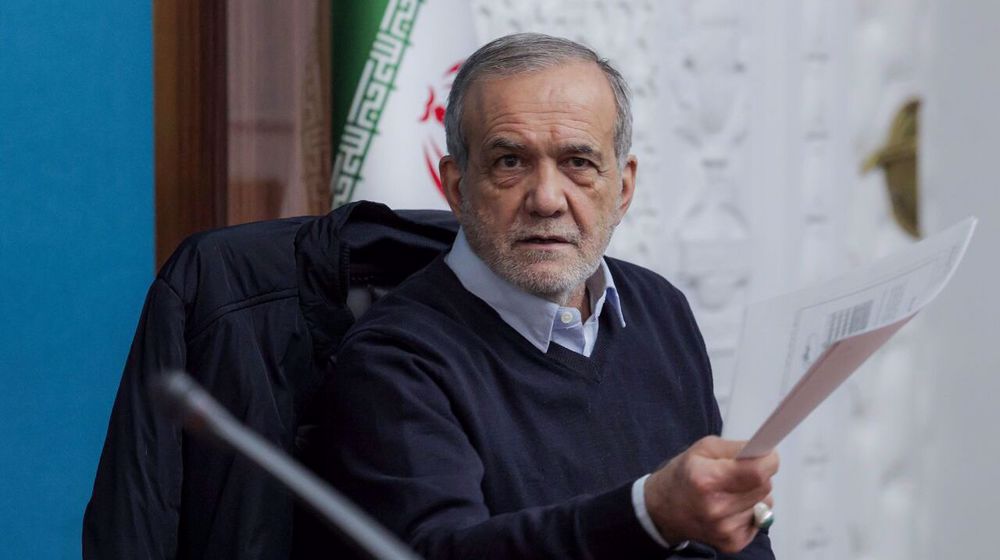
Decades of exchange rate policy experience in Iran offer a clear lesson: whenever the official rate diverges significantly from the market equilibrium, imbalances, rent seeking, and instability follow.
The preferential exchange rate was no exception.
We face both official and unofficial demand for foreign currency, along with limitations in maintaining balance in the exchange system to manage this, we have tried multiple approaches.
At one point, all foreign currency revenues were to be centralized in the central bank. Other measures included tighter controls and smuggling and currency speculation.
There were efforts to have a government directly control the currency market, which proved unsuccessful.
We also tried fixing the exchange rate at a single point and for a period, implemented and managed float within a defined band, again without lasting success.
Another approach was to allocate foreign currency specifically for essential goods, such as wheat, oil, rice and agricultural inputs.
Yahya Ale Eshaq, Former Iranian Minister of Commerce
Finally, this year, a major decision was made: the removal of the preferential exchange rate.
It was not an easy decision. It was not painless. It led to price increases for several essential goods and added short-term pressure on household budgets.
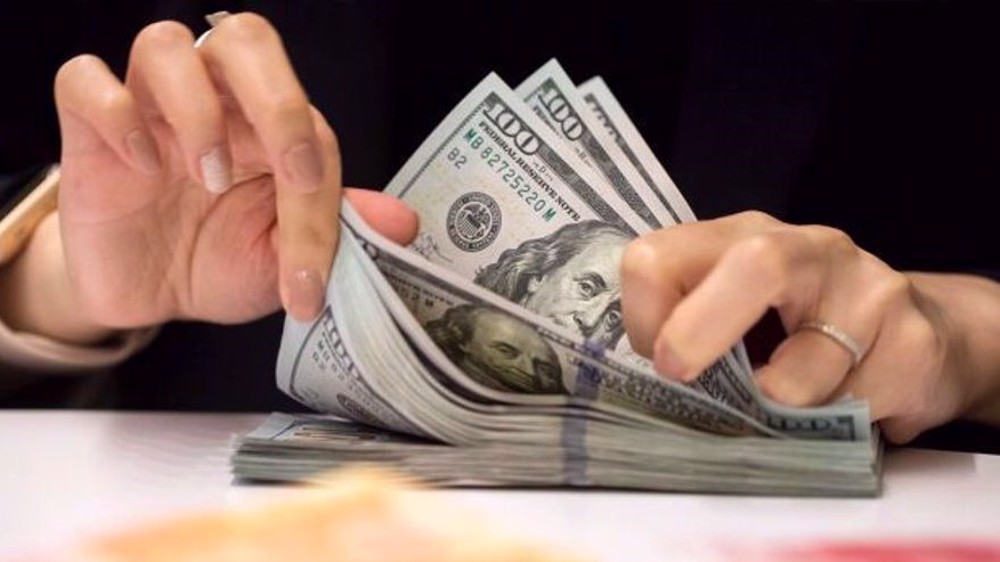
Iman Zangeneh, an Iranian economist, believes the new administration has made the right decision regarding the exchange rate system.
In previous administrations, governments have sought to support various segments of society, and one of the main tools for that support was the allocation of preferential foreign currency.
We witnessed multiple exchange rates being assigned to different target groups. Over time, however, Iran's economy accumulated vast amounts of these allocated currencies, and it appears that the policy gradually lost its original purpose.
The government's core objective, supporting the public, was not being effectively realized, which ultimately led to a policy reassessment.
Iman Zangeneh, Economist
Critics argued that the policy would intensify inflation and in the short run, a price shock did occur, but the deeper question remains: what would have happened if the policy had continued?
Had the 4200 Toman rate been maintained, the price gap would have widened further, rent seeking would have expanded, foreign currency reserves would have been depleted more rapidly, budget deficits would have deepened and inflation might have returned later, stronger and more destructive.
Smuggling goods out of the country was another negative aspect of the so-called preferential exchange rate.
Whenever you try to manage an artificial price in an economy, you inevitably create layers of bureaucracy and oversight systems.
Experience has shown that such systems often lead to rent seeking.
Moreover, when imported goods do not reach consumers at their true market value, consumers may not recognize their real worth.
In fact, some of these subsidized goods ended up being smuggled.
Hamid Hosseini, General Secretary of the Iran-Iraq Joint Chamber of Commerce
From this perspective, removing the preferential rate was not an attempt to eliminate inflation; it was an effort to prevent the accumulation of a much larger structural crisis.
What do you think were some of the reasons that the current administration decided to remove the preferential exchange rate?
If foreign currency revenues and foreign currency expenditures are not balanced, that imbalance can undermine overall economic stability.
For various reasons, after the victory of the Islamic Revolution of Iran, our foreign exchange income and spending have not been aligned.
Our need for foreign currency compared to the government's earnings, mainly from selling state assets, such as oil and financing imports, has not matched.
Therefore, this must be managed through clear policies and prioritization to ensure the best possible efficiency.
Yahya Ale Eshaq, Former Iranian Minister of Commerce
After the reform, the mechanism of support has also changed.
Instead of allocating cheap foreign currency at the beginning of the supply chain, support has now shifted toward direct assistance to consumers. Electronic vouchers have replaced hidden exchange rate subsidies.
The idea was simple: make support more transparent and more targeted so that low-income households benefit directly, not intermediaries.
Considering the high rate of inflation and the possibility of generating an inflationary shock, do you think that the administration chose an opportune time to enact this plan?
Regarding the removal of the multi-tier exchange rate, I believe we had to start somewhere and ensure the public was informed.
The government says it is saving about 8.8 billion US dollars from subsidies on essential goods and plans to distribute a portion of those savings directly to the people.
This is a positive step for our economy.
Majid Goudarzi, Economic Analyst
Imports, too, have begun moving toward more realistic pricing. Importers no longer have to wait for subsidized allocations. Costs have become clearer.

Competition between domestic producers and importers has entered a new phase, one that, if managed correctly, could improve quality and availability.
At this stage, the government concluded that preferential currency should be removed from the beginning of the supply chain and instead allocated at the end to the final consumer.
From a theoretical standpoint, this is a highly sound approach.
The plan reduces corruption, limits side effects and curbs opportunities for misuse.
Iman Zangeneh, Economist
One of the first effects of the new policy has become visible in the foreign exchange market.
Following the removal of the preferential exchange rate, the average daily trading volume in the commercial foreign exchange market has increased from around $100 million to approximately $145 million.
This rise is considered a sign of stronger currency supply in the official market and a reduced incentive to hold foreign currency outside the formal economic cycle.
With the removal of the preferential exchange rate, the country's economic structure becomes more competitive.
We move toward genuine market competition.
Importers will no longer profit simply by obtaining low-cost government currency and bringing in goods.
Instead, everyone will have to compete on the basis of a single, transparent exchange rate.
Hamid Hosseini, General Secretary of the Iran-Iraq Joint Chamber of Commerce
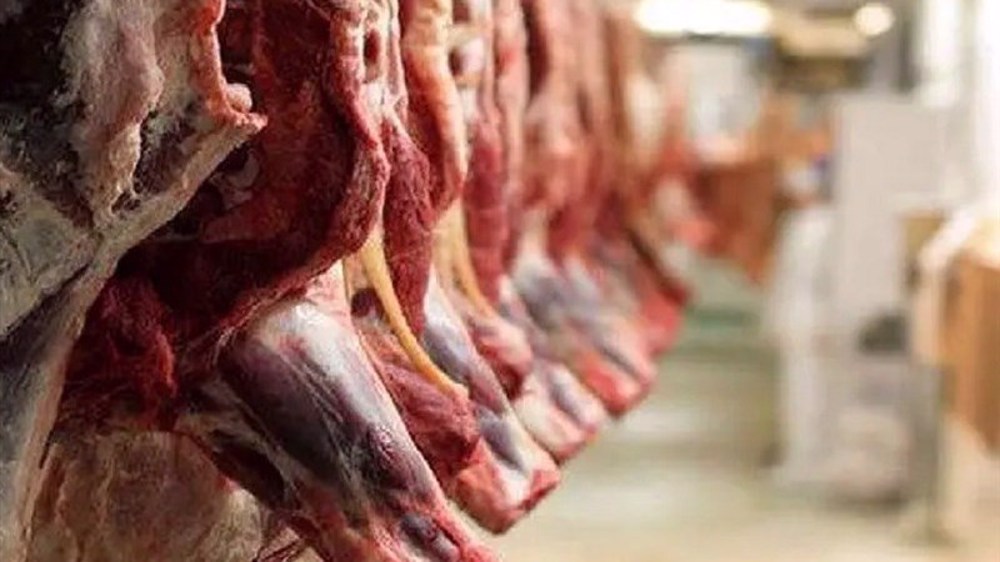
The removal of the preferential exchange rate was naturally accompanied by a price increase in certain items, particularly within the food category.
However, market data suggest that this shock has not been persistent in nature.
In recent weeks, the prices of several essential goods such as eggs, chicken, and even red meat, have shown relative stability or even decline, indicating that the initial wave of market reactions has subsided and that the market is gradually adjusting to the new conditions.
How do you think removing the preferential exchange rate will impact the overall economic structure of the country in the long run?
The government has concluded that a more equitable approach is needed.
It's seen that with the preferential exchange rate currently being distributed, no one is truly satisfied, not the consumer, not the producer, not the distributor, and not the government itself.
The aim now is to move beyond this phase, to make the dollar rate more realistic, instead of allocating roughly $10 billion annually for essential goods, and to redistribute that subsidy directly among the people.
Ultimately, if the government can demonstrate over the long term that this policy benefits the public, as we saw when egg prices declined, then if tomorrow meat prices fall and the day after Poultry prices drop, people will certainly welcome the plan.
Yahya Ale Eshaq, Former Iranian Minister of Commerce
But one essential point remains: removing the preferential exchange rate was a necessary condition for reform, not a sufficient one.

If fiscal discipline is not maintained, if the foreign exchange market lacks stability, if oversight over supply chains is not strengthened, if targeted support is not effectively implemented, then the reform risks remaining incomplete.
Economies are built through difficult decisions. No structural surgery is painless, yet sometimes avoiding short-term pain only leads to deeper, more chronic illness later.
The real issue today is not whether removing the preferential exchange rate was costly; it is whether continuing it would have been even more costly.
This was a choice between bad and worse, between paying the price today or risking a larger crisis tomorrow.
If the government implements this reform as part of a broader policy package, meaning exchange rate reform and direct allocation to consumers accompanied by banking system reform, tax system reform and improvements in administrative processes, then you can expect a synergetic effect.
The combined impact of these complementary policies would significantly strengthen the overall outcome.
Iman Zangeneh, Economist
Perhaps years from now, when we look back at this moment, we will see it not simply as a period of price increases, but as a turning point, a moment when Iran's economy attempted to move away from multiple exchange rates, rent seeking and structural distortion, toward transparency and realism.
The question remains, will this path continue with discipline, transparency and smart support policies?
The answer to that question will shape the future of Iran's economy.
South Korea rejects Hormuz deployment plan

Jordan: the Kingdom of compromise - Part 2
Skyrocketing US inflation



UN chief warns Israeli violence in West Bank raises ‘specter of ethnic cleansing’
VIDEO | ‘Korea gets nothing, loses everything, with Hormuz deployment’
Iran parliamentary commission approves penalties for violators of Hormuz laws
VIDEO | Trump’s war disrupts the world
Araghchi urges world to hold US accountable for ‘war crimes’ at UNGA
VIDEO | Press TV's news headlines
US F-16 fighter jet crashes at air base in Germany
Iran warns US against new attack, says Washington will gain ‘nothing but failure’



 PressTV NEWSLETTER
now
PressTV NEWSLETTER
now
 This makes it easy to access the Press TV website
