
A recent government decision to allow Iranian businesses to import basic goods using hard currency not controlled by the Central Bank of Iran (CBI) has been blamed for a sharp surge in foreign exchange prices.
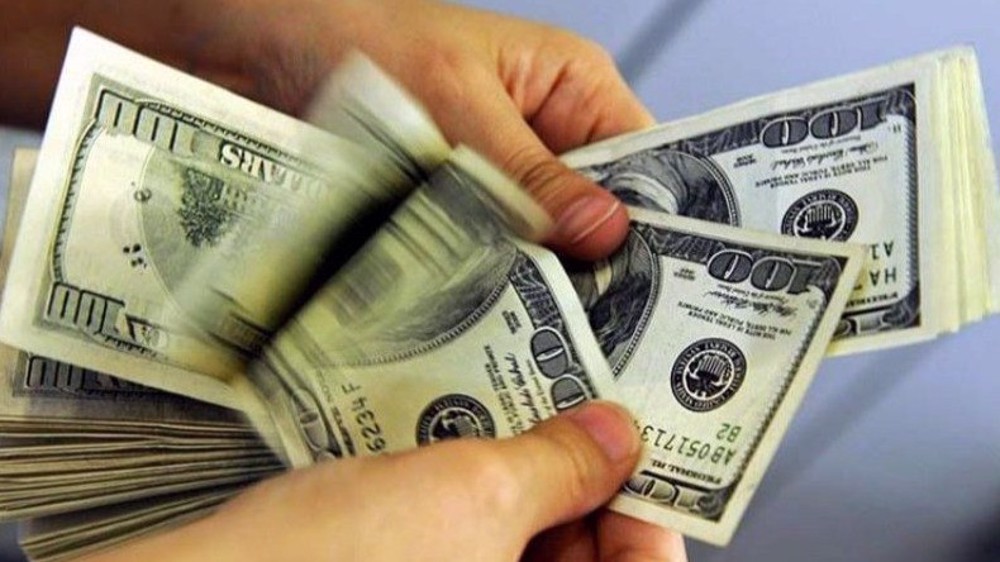
The US dollar climbed to a record high of 1,250,000 rials in Tehran’s free market on Monday, sparking renewed criticism of the government’s economic policies.
Fars News Agency said in an analysis that the main driver of the nearly 14% jump in prices over the past weeks was a December 2 announcement permitting importers to purchase essential goods with their own hard currency resources, without needing to disclose the origin of their funds.
Until that change, importers were required to source hard currency through a CBI-regulated market supplied by metals and petrochemical exporters’ proceeds.
According to Fars, the policy shift has had two major effects on the currency market: increased demand for foreign currency as importers turn to the free market, and a rise in capital outflows due to unrestricted imports.
Tasnim News Agency also reported that bypassing official banking channels has opened the way for an additional $100–150 million in monthly demand in the free market.
Both outlets said the decision violates Iran’s broader laws on currency control and anti-smuggling measures.
Experts say the move aims to ease the import of essential goods amid intensifying economic pressure caused by sanctions and falling global oil prices.
 This makes it easy to access the Press TV website