
By Ivan Kesic
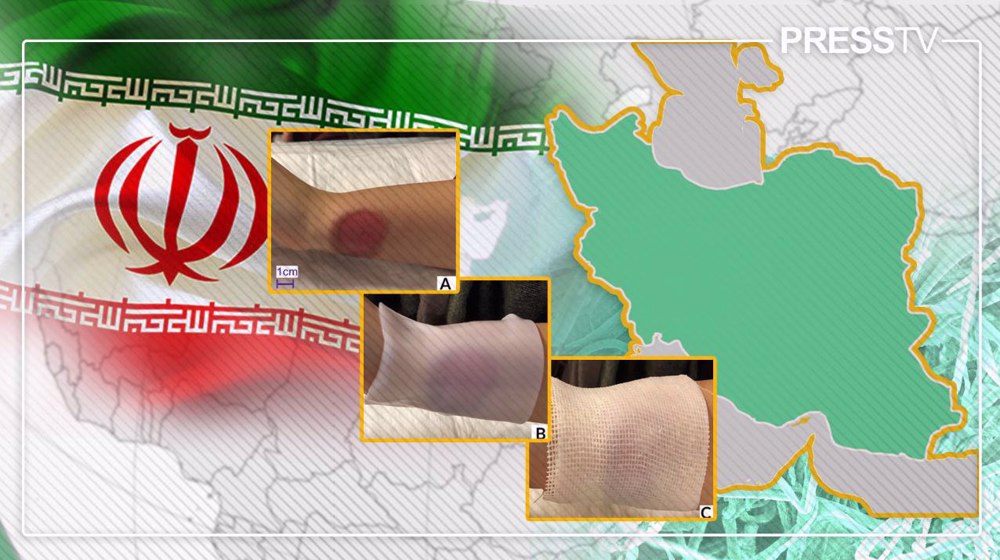
In a significant advance for regional medical science, Iranian innovators have unveiled West Asia’s first smart nanocellulose wound dressing, a breakthrough poised to transform the treatment of both chronic and acute wounds through the advanced integration of nanotechnology and biomimicry.
The landscape of modern wound care is being quietly reshaped in laboratories and knowledge-based companies across the Islamic Republic of Iran.
The unveiling of the country’s first smart nanocellulose wound dressing marks more than a national achievement, according to medical experts. It represents a pioneering moment for West Asian medical technology, positioning Iran at the forefront of a global shift toward interactive, biomaterial-based healing solutions.
Emerging from a sustained national investment in nanotechnology, this innovation employs cellulose fibers engineered at the nanoscale to create a dressing that functions not as a passive covering, but as an active, responsive participant in the healing process.
Designed to tackle some of the most persistent clinical challenges – from diabetic ulcers to severe burns – these advanced dressings enable targeted drug delivery, precise moisture regulation, and intrinsic antimicrobial protection.
By translating locally developed scientific expertise into a high-value medical product, Iran is demonstrating a powerful model of scientific self-reliance.
This approach, according to experts, not only reduces dependence on imported healthcare technologies but also offers renewed hope to patients whose wounds have long resisted conventional treatments.
Architecture of healing: Decoding smart nanocellulose
At the core of this latest medical breakthrough lies a simple natural polymer: cellulose.
Sourced from plant cell walls or biosynthesized by specific bacteria, cellulose is reengineered at the nanoscale to unlock exceptional functional properties. When transformed into nanofibers, it exhibits remarkable mechanical strength, high surface-area-to-volume ratios, and outstanding flexibility.
In wound care applications, nanocellulose provides a biocompatible scaffold that closely replicates the natural extracellular matrix of human skin, thereby promoting cellular migration, angiogenesis, and tissue regeneration.
The evolution from a conventional dressing to a “smart” therapeutic system is defined by the integration of responsive technologies.
Iranian-developed solutions, such as the BC-Derm dressing and products from Teba Biopolymer, incorporate advanced features including embedded nanocarriers capable of releasing growth factors or antimicrobial agents in response to the wound’s biochemical signals.
These responses may be triggered by pH shifts indicative of infection, the presence of inflammatory biomarkers, or through programmed, sustained release mechanisms designed to optimize healing timelines.
The result is a breathable, transparent, and mechanically supportive film that preserves an ideal moist environment, permits controlled oxygen exchange, and effectively blocks pathogenic microorganisms.
🇮🇷 Iran unveils West Asia's first smart nanocellulose wound dressing.#IranFirst🇮🇷 pic.twitter.com/dRuj2BWIdd
— Iran First (@IranFirst_PTV) November 16, 2025
Convergence of national strategy and scientific enterprise
The emergence of this technology is not an isolated development but the culmination of a sustained national investment in nanotechnology. For nearly two decades, Iran has identified nanoscience as a strategic priority, systematically cultivating a research and innovation ecosystem that now positions the country as a regional leader in the field.
This long-term commitment has given rise to a dynamic network of knowledge-based companies, Iran’s equivalent of deep-tech startups, operating at the nexus of academic research and commercial application.
Companies such as Nano Zist Polymer Pars, Hoda Sanat, Teba Biopolymer, and Noavaran Salamat Gino serve as key drivers of this innovation, frequently emerging from university laboratories and benefiting from institutional support provided by technology parks and specialized accelerators, including Sonova and Shezan.
Their efforts build upon earlier Iranian achievements in nano-enabled wound care, such as antimicrobial silver nanoparticle dressings, while advancing decisively toward intelligent, responsive therapeutic systems.
The development trajectory of these smart dressings typically spans several years, encompassing foundational laboratory research, rigorous preclinical evaluation in animal models, and a structured regulatory pathway overseen by Iran’s Food and Drug Administration.
Notably, the regulatory framework has been reported to facilitate expedited approvals for high-potential medical technologies, striking a balance between innovation and patient safety.
Together, these elements form a structured yet agile innovation ecosystem, one that illustrates how a clear scientific vision, reinforced by entrepreneurial initiative, can effectively translate fundamental research into clinically viable medical solutions.
Clinical promise: Addressing a spectrum of therapeutic challenges
The potential impact of smart nanocellulose dressings on patient care is substantial, particularly for conditions that place a significant and growing burden on healthcare systems worldwide.
Chronic wounds, including diabetic foot ulcers, venous leg ulcers, and pressure injuries, remain among the most challenging clinical problems due to compromised blood flow, elevated infection risk, and prolonged healing timelines.
Iranian-developed smart dressings are specifically engineered to address these complexities. Their nanostructured scaffolds support granulation tissue formation, while precise moisture regulation prevents both desiccation and maceration, two common impediments to effective healing.
For patients with diabetes, who are especially susceptible to non-healing wounds, the potential integration of localized drug delivery and antimicrobial control offers a pathway to reducing complications that frequently lead to hospitalization or limb amputation.
Beyond chronic conditions, these dressings have demonstrated promise in the management of acute wounds, including surgical incisions, burns, and traumatic injuries.
A particularly valuable feature, consistently highlighted by developers, is the transparency of many nanocellulose dressings. This allows clinicians to visually assess wound healing without removing the dressing, minimizing disruption to the wound environment and reducing patient discomfort and anxiety.
The ability to conduct direct, non-invasive monitoring represents a meaningful advance in routine clinical practice, improving both care efficiency and patient experience.

Patient and practitioner experience: redefining wound management
Beyond their biochemical and material advantages, these innovations are designed to fundamentally enhance the wound-care experience for both patients and healthcare professionals.
A defining advantage of several Iranian-developed products, including the BC-Derm dressing, is their extended wear time, which has been reported to last up to 31 days without replacement.
This represents a marked departure from conventional dressings, which often require daily or near-daily changes. Frequent replacement is not only painful for patients and disruptive to the healing process, but also resource-intensive, placing significant demands on nursing staff and clinical infrastructure.
In contrast, the nanocellulose architecture is engineered to avoid adherence to the wound bed, enabling atraumatic, pain-free removal when a dressing change is ultimately required.
High absorbency allows for effective management of wound exudate, while selective permeability forms a robust barrier against external contaminants without compromising oxygen exchange.
These properties are especially critical for patients with conditions such as Epidermolysis Bullosa, where skin fragility is extreme, as well as for individuals recovering from cosmetic or reconstructive surgical procedures, where gentle yet reliable wound protection is paramount.
Equally important, the domestic production of these advanced dressings significantly improves affordability and accessibility within Iran’s healthcare system. By reducing reliance on costly imported alternatives, these innovations help ensure that high-quality wound care is broadly available rather than restricted by financial barriers.
This emphasis on user-centered design reflects a holistic philosophy of medical innovation, one in which technological sophistication is carefully aligned with real-world clinical utility.
Economic sovereignty and regional leadership
The development of indigenous smart wound dressings carries substantial economic and geopolitical significance for Iran. With more than 90 percent of advanced wound-care products previously sourced from abroad, local manufacturing is projected to save tens of millions of dollars annually in foreign currency expenditures.
This transition from import dependence to domestic production strengthens national healthcare resilience and supports broader strategic objectives aimed at fostering a knowledge-based economy.
In parallel, the sector generates high-skilled employment across research, development, regulatory science, and advanced manufacturing. Success in the domestic market also lays the groundwork for regional export expansion.
As the first smart nanocellulose dressing developed in West Asia, Iran’s innovation positions the country as a potential supplier of advanced biomedical materials to neighboring markets in Central Asia, West Asia, and beyond.
Beyond direct economic benefits, this capability enhances Iran’s scientific soft power, signaling its capacity to contribute advanced, locally developed solutions to global health challenges.
The showcasing of these technologies at international forums such as Iran Expo and Far Iran 1404 (2025-26) underscores this outward-facing ambition, inviting cross-border collaboration, investment, and commercial partnerships.

Road ahead: Validation, scale, and global integration
While the unveiling of these smart dressings marks a major step, the journey from promising prototype to widespread clinical adoption must still pass through several critical milestones.
Foremost among these is the need for robust clinical validation through comprehensive human trials that conclusively demonstrate safety, efficacy, and measurable advantages over existing standards of care across diverse patient populations.
Iranian researchers and companies are keenly aware of this requirement, with several products already having completed preliminary case studies that have yielded encouraging results. Nonetheless, large-scale, randomized clinical trials will be essential to securing broad clinical confidence and institutional uptake.
Equally important for global market entry is the pursuit of international regulatory approvals, such as the European CE mark or clearance from the US Food and Drug Administration.
These processes demand extensive technical documentation, rigorous clinical evidence, and manufacturing systems that comply with the highest international quality standards. Meeting these benchmarks represents both a challenge and an opportunity to position Iranian medical technologies on the world stage.
Another key hurdle lies in scaling production from controlled laboratory environments to industrial manufacturing volumes without compromising the delicate nanoscale structures that underpin the dressings’ performance.
Companies such as Hoda Sanat have reported steady progress in overcoming this challenge, following seven to eight years of sustained development and process optimization.
Finally, successful integration into routine clinical practice will require targeted education and training for healthcare professionals. Familiarity with the capabilities, indications, and advantages of smart wound dressings is essential if they are to become trusted tools within the wound-care specialist’s therapeutic arsenal.
Addressing these interrelated challenges will be pivotal in transforming a national scientific achievement into a globally competitive medical technology.
A testament to resilience and ingenuity
Iran’s unveiling of West Asia’s first smart nanocellulose wound dressing represents far more than a single product launch. It stands as a testament to the resilience, adaptability, and ingenuity of the country’s scientific and entrepreneurial communities, which have cultivated world-class expertise in nanotechnology despite persistent external constraints.
This accomplishment reflects a long-term strategic vision, one that has steadily expanded research capacity, strengthened public-private collaboration, and translated academic excellence into tangible societal benefit.
The innovation also exemplifies the power of biomimicry: by drawing inspiration from nature’s own structural and biological systems, Iranian scientists have created a medical tool that is at once technologically advanced and profoundly humane.
By engineering a dressing that functions as a protective, responsive second skin, this work advances not only the science of wound healing but also a broader principle, which sustained investment in fundamental research and domestic talent can yield lasting returns in public health, economic resilience, and technological stature.
As these smart dressings move closer to the bedsides of patients, they carry with them the promise of accelerated healing, reduced suffering, and a new chapter in Iran’s contributions to the evolving global medical frontier.
 This makes it easy to access the Press TV website