The US economy is showing clear signs of strain, with rising unemployment, mounting layoffs, and accelerating inflation fueling fresh recession fears.
Newly released data shows the unemployment rate climbed to 4.4% in September, the highest level since October 2021, signaling a labor market losing momentum.
The unemployment rate for college graduates is rising fast with one in four unemployed, the highest rate since 2014.
Meanwhile, job growth in the past three months is the lowest since 2010 and employers announced almost 1.1 million job cuts through October 2025, the highest total since 2020.
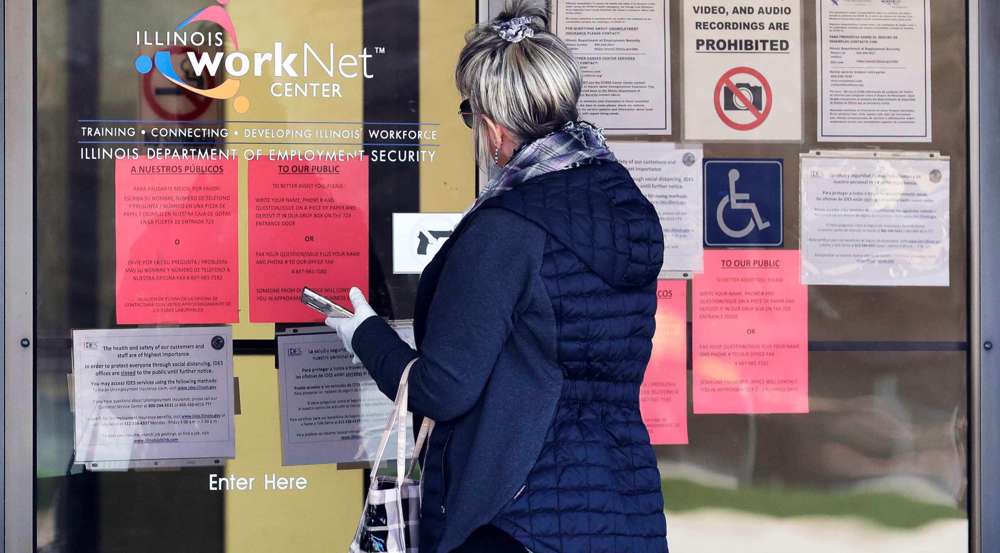
Government, technology, warehousing, and retail saw the largest increases in layoffs, while aerospace, apparel and transportation saw a sharp decline.
Transportation and warehousing shed more than 95,000 jobs, while manufacturing lost about 6,000 positions, with retail and services suffering losses as well.
Inflation in September reached its highest level since January, confirming that prices are accelerating at the fastest pace of the year.
The typical American household now spends $208 more every month just to purchase the same basket of goods and services as earlier in the year, and more than $1,000 more per month compared with early 2021 when the nation was emerging from the pandemic.
Currently, 82% of the US population resides in regions experiencing an economic recession, the highest share since 2020.
The percentage has doubled since the start of 2025.
Over the last 20 years, only 2008 and 2020 saw such a large share of the economy in recession. Meanwhile, the latest Atlanta Fed estimate for real US GDP growth in the third quarter of 2025 is 3.9%.
How can this disparity be explained?
Even though the US economy appears to be growing, only a small handful of companies are propping up the US economy; GDP growth is overly reliant on one sector: AI.
One example is Nvidia, with a market valuation of around $5 trillion, and the numbers are going up mostly because these companies keep investing in each other.
There is one economy for the rich 10% and another for everyone else.
The proof of the US economy doing badly is evidenced by the Federal Reserve having decided to cut interest rates by a quarter of a percent from four to 3.75%. This move signaled a pivot to print money known as quantitative easing.
Quantitative easing, or QE, is a monetary policy where a central bank purchases predetermined amounts of government bonds, company shares, or other financial assets, in order to artificially stimulate economic activity, this ultimately leads to more inflation.
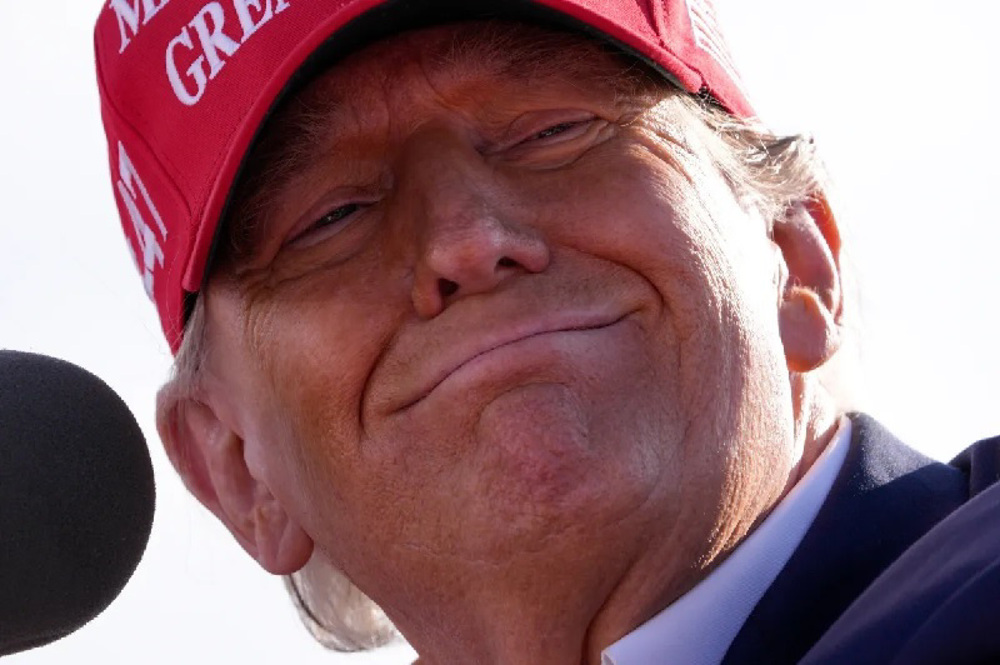
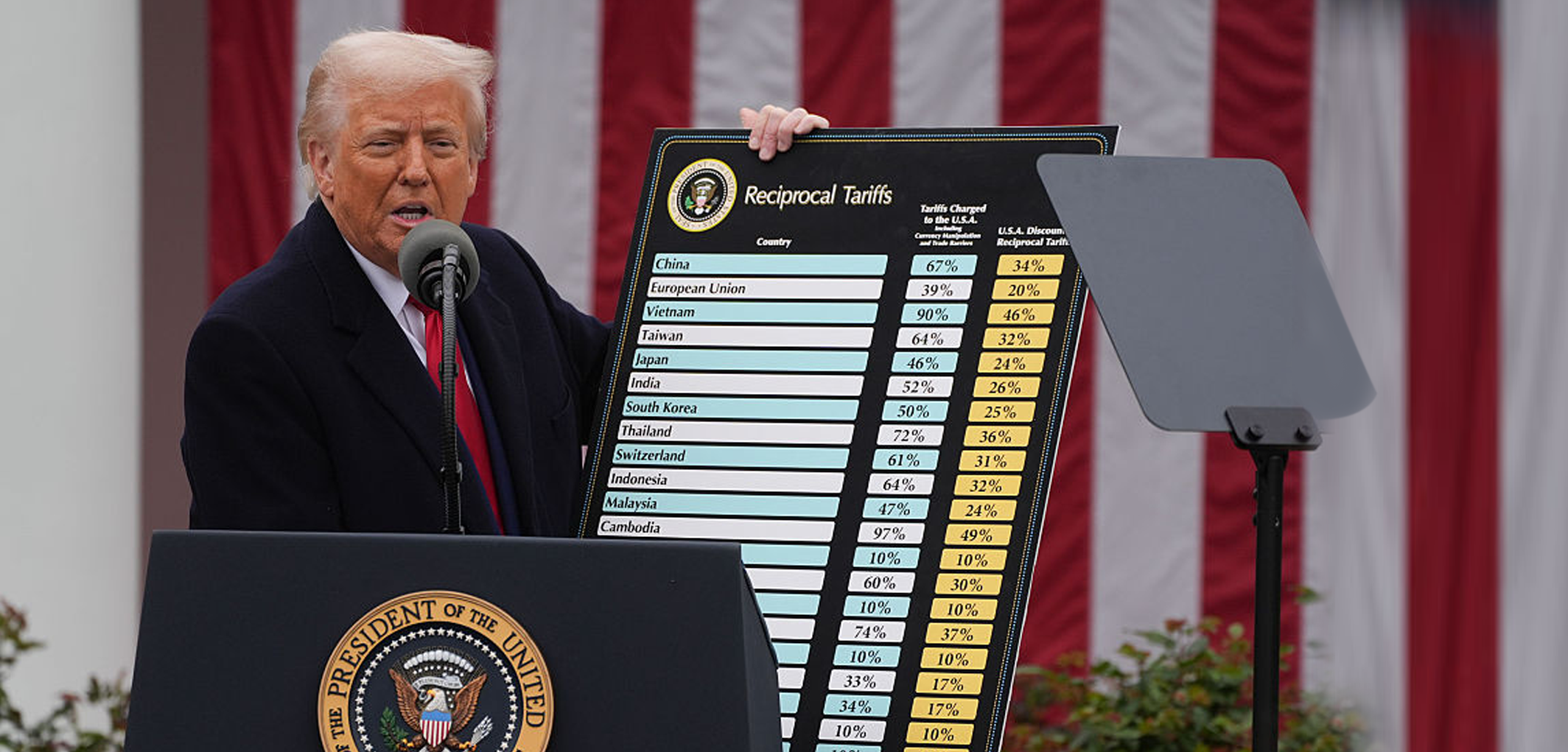
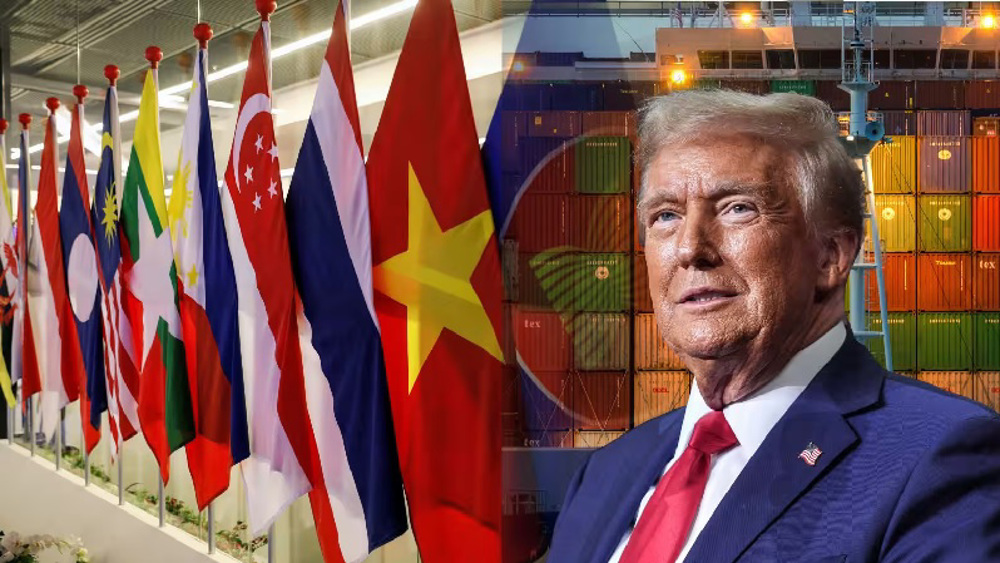
The tariff policy of President Donald Trump has touched almost every corner of the economy.
His sweeping tariffs took a toll on trade in August, as imports of goods and services dropped 5.1% to $340.4 billion.
The US economy contracted at an annualized 0.3% rate in the first quarter, the first contraction in three years, a sign that the economy was losing momentum even before the higher tariffs took effect.
 This makes it easy to access the Press TV website