
With the fall of Bashar al-Assad, a fleeting wave of hope swept across Syria. For a brief moment, many believed the better future was within reach.
But those dreams quickly dissolved. The new dawn proved to be a mirage. Instead of renewal, Syria plunged deeper into crisis.
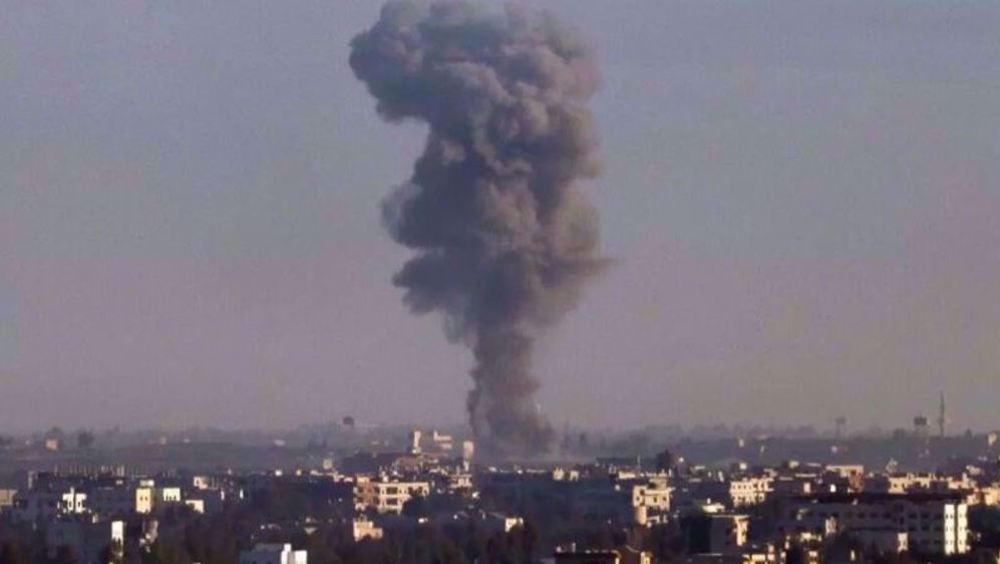
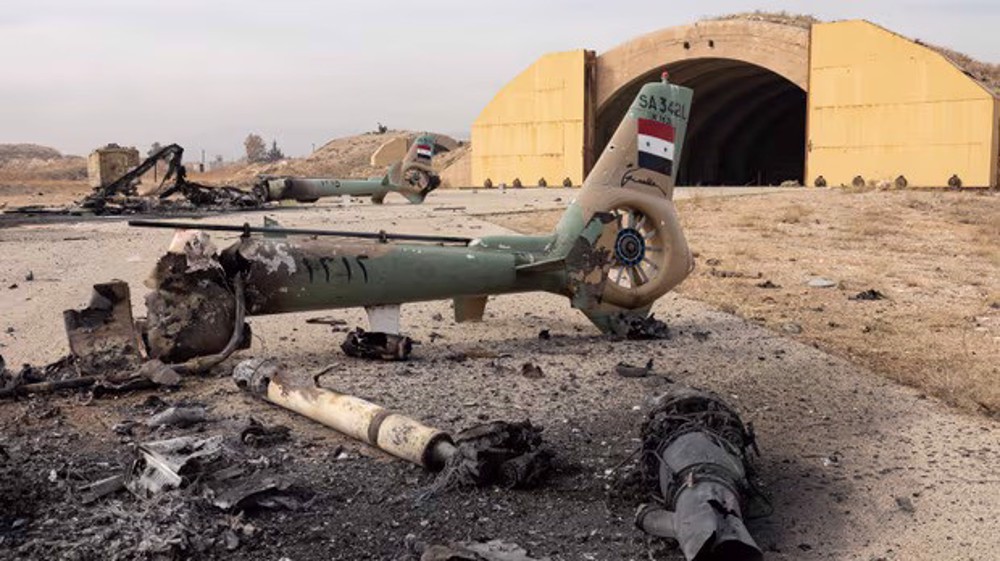
As the Assad regime’s power fractured, Israel seized the moment, exploiting the chaos; it launched hundreds of strikes across Syrian territory and quietly expanded its footprint in the south.
In the two days following Assad's overthrow, Israel carried out more than 500 airstrikes targeting both military and civilian infrastructure.
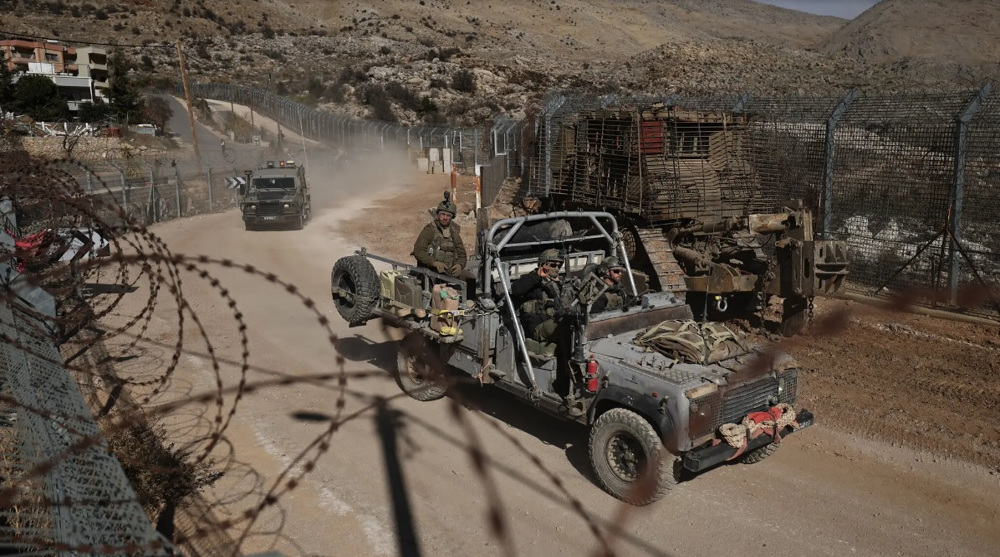
Since then, it has been occupying swathes of Quneitra and Daraa under the banner of preventing extremist threats.
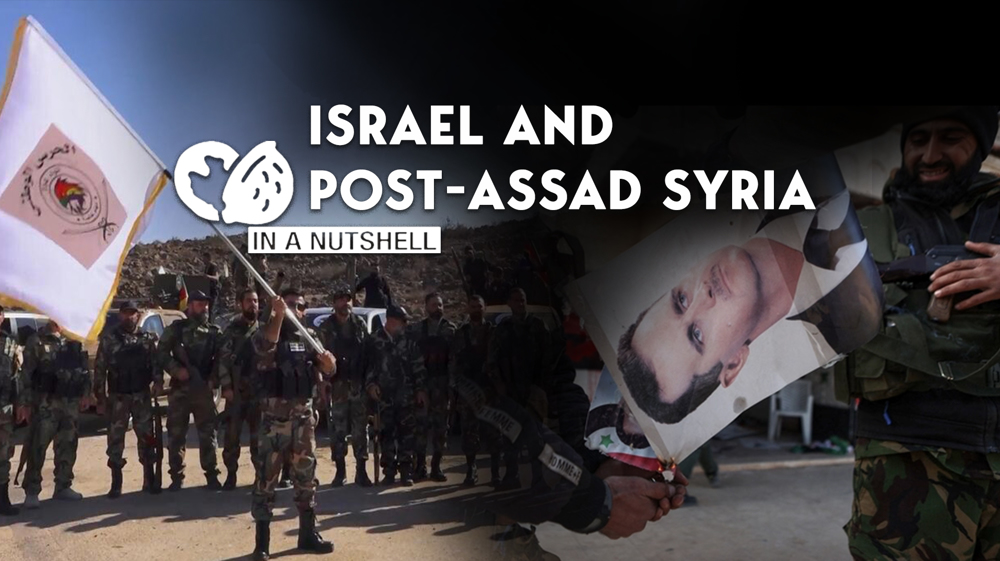
Since Assad's fall, Israel's military presence has evolved from opportunistic incursions into a strategic project, one aimed at reshaping southern Syria to fit its security and economic map.
From Quneitra to Jabal al-Sheik, also known as Mount Hermon, Israeli forces have entrenched themselves along key highlands, water basins, and energy corridors.
The new balance of power in the Levant increasingly revolves around two words: water and gas.
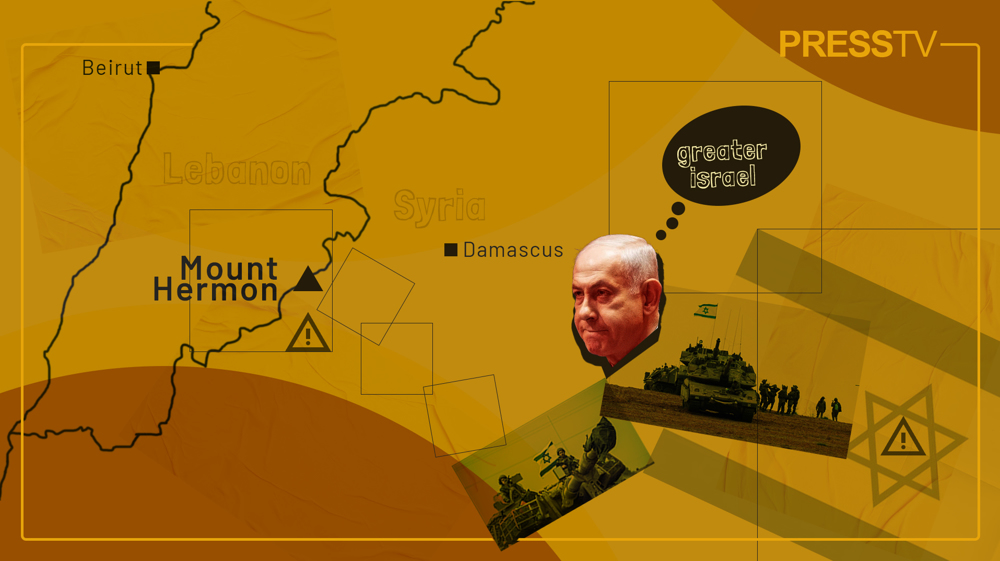
Jabal al-Sheik, the highest peak in the region, stands as the crown jewel of this expansion. At 2814 meters, it offers an unrivaled surveillance hub, giving Israel a panoramic view from Damascus to the Mediterranean and deep into Iraq, Jordan, and Lebanon.
To the southwest, Israeli forces have fortified Quneitra, extending their reach to within 20 kilometers of central Damascus.
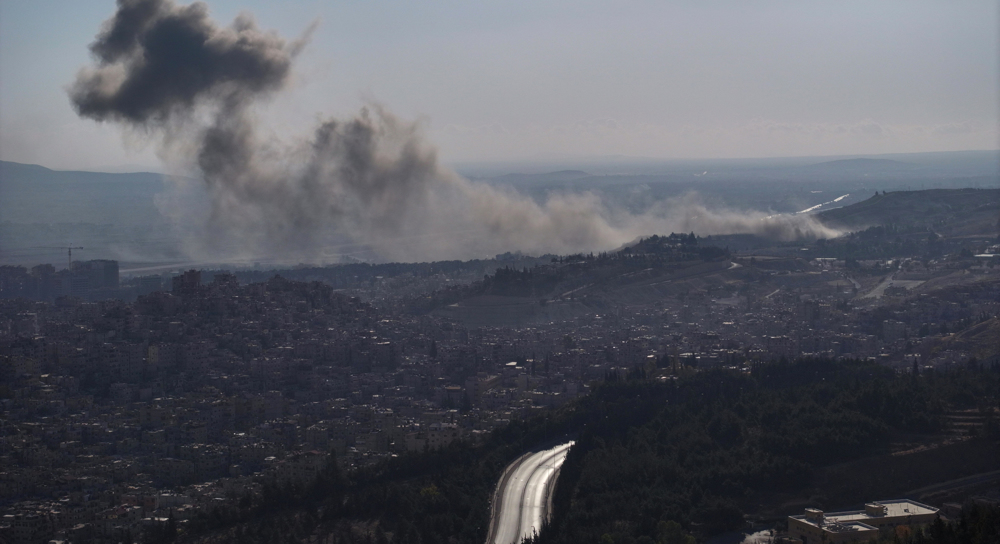
New positions in Raqqa now oversee three key routes linking Damascus to Beirut and Baalbek, effectively giving Israel a hand on Syria's Western gateways.
In the Suweida province, Israeli influence is spreading under the guise of supporting the Druze.
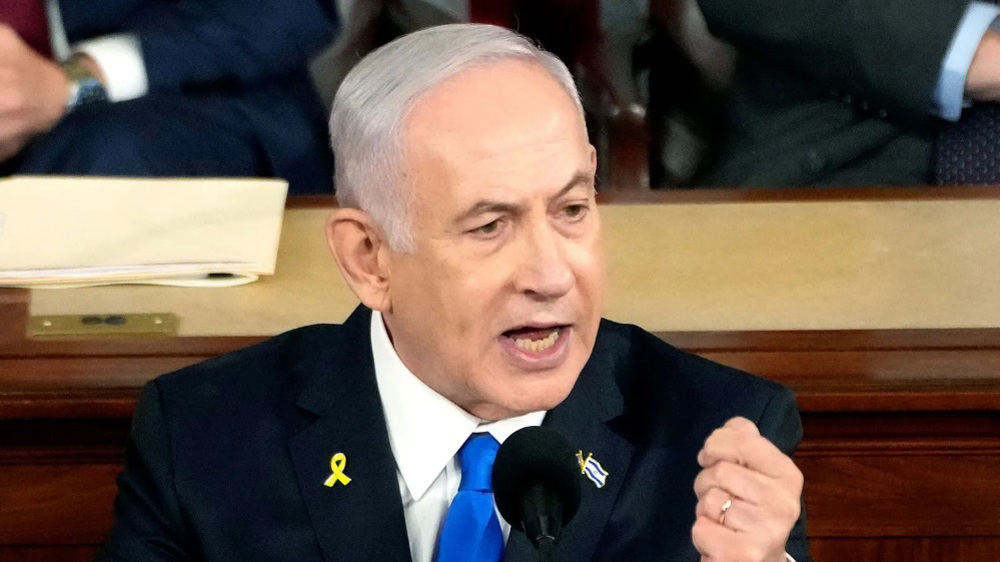
Following the July 2024 formation of the so-called National Guard, a 3000-strong Druze force reportedly funded by Israel, Tel Aviv's reach deepened.
Netanyahu's public pledges to protect the Druze community signaled more than goodwill. They marked the birth of a semi-autonomous security zone, loosely tied to Damascus.
Beneath the rhetoric of security, however, lies a contest for control over energy routes and water reserves, the true currency of power in today's Levant.
The revival of the long-stalled Qatar-Turkey gas pipeline has only sharpened these rivalries.
Once blocked by Assad to protect Russian interests, the project roared back into life after its fall.
In December 2024, Turkey's Energy Minister announced its potential restart once Syria stabilizes.
For Israel, that's a red flag. A functioning Qatar-Turkey-Europe pipeline would undercut Israel's own EastMed pipeline ambitions; a direct challenge to its vision of becoming Europe's next gas supplier.
Analysts at the Begin-Sadat Center for Strategic Studies warn that this gas race pits two visions against each other: Ankara's dream of an Islamic Energy Corridor versus Tel Aviv's push for a Mediterranean one.
Both see Syria as the crucial crossroads, but Israel's ambitions go beyond gas.
Control of water, the lifeblood of the region, has become another front.
Through its hold over the Yarmouk River Basin and the Al-Wehda Dam on the Syrian-Jordanian border, Israel now wields a strategic lever over both Syria and Jordan.
The Golan basin alone provides nearly a third of Israel's agricultural water needs, and every step deeper into southern Syria secures that lifeline.
From Jabal al-Shaykh to Daraa, Israel's control of springs, rivers, and dams has turned southern Syria into a meticulously managed zone of influence.
In this reshaped landscape, fertile lands once tilled by Syrian Farmers are being eyed for Israeli agricultural expansion, their crops destined for regional markets.
These same corridors, rich in water and soil, double as potential land routes for future pipelines stretching from the Persian Gulf to the Mediterranean or Turkey.
The fall of Assad was supposed to bring about a bright season for Syria. Instead, it opened a new chapter of domination, one where Syria, fragmented and exhausted, has become a playground for power politics and expansionist ambitions.
Israel's quiet conquest of the South is not just about borders, it's about resources, leverage and rewriting the strategic map of the Levant.
 This makes it easy to access the Press TV website