Epstein’s Pandora’s box: The high-profile names alongside Trump in the ‘hall of shame’
By Maryam Qarehgozlou
The public release of more than 20,000 pages of newly unsealed documents related to the late financier and convicted sex offender Jeffrey Epstein has brought to life a long-running scandal over his ties to the rich, the powerful, and the institutions that shielded him for decades.
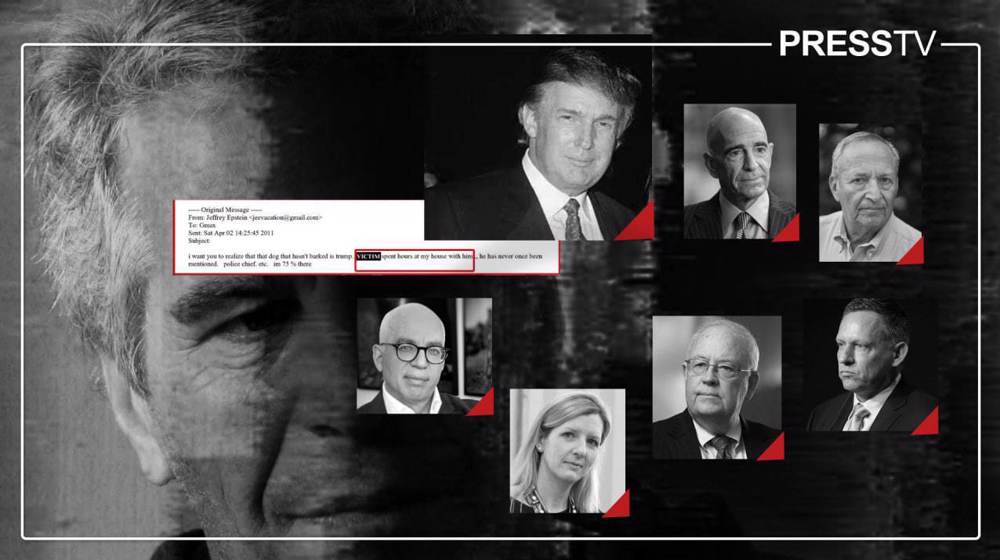
Last week, Democrats published three emails from Epstein’s estate showing that US President Donald Trump had long been aware of Epstein’s crimes, despite repeatedly denying it in public.
Trump’s team dismissed the release as “cherry-picked,” prompting Republicans to retaliate with a much larger batch of documents that implicated many other US politicians.
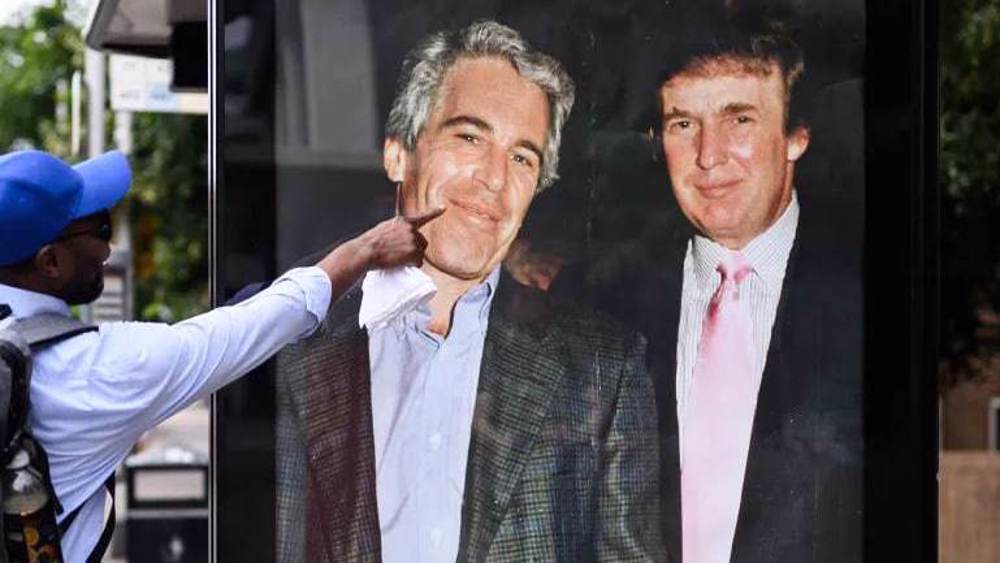
Other than Trump, who appears in more than 4,400 of the files — far more than any other public figure, others named include Andrew Mountbatten-Windsor, the former prince and brother of King Charles; Trump’s former adviser Steve Bannon; and a long cast of media, political, and entertainment figures.
Together, the records highlight the sheer breadth of Epstein’s contact network, which spanned politics, business, arts, as well as royalty -- from the US to Europe and the Israeli regime.
Epstein was not merely a predator with rich friends, according to those who knew him. He was a politically connected individual protected for years by powerful US intelligence agencies.
His transformation from a failed schoolteacher into a multimillionaire financier was implausible from the start. Even his highly suspicious “suicide” in 2019 — in a US federal jail with malfunctioning cameras and missing guards — underscored how thoroughly America insulated him until the very end.
✍️ Feature - Inside the Epstein saga: Untangling his ties to Israeli spy agency, US presidents
— Press TV 🔻 (@PressTV) July 27, 2025
By Maryam Qarehgozlou
Read More: https://t.co/LkZKBtKqBS pic.twitter.com/sxcvDv4A57
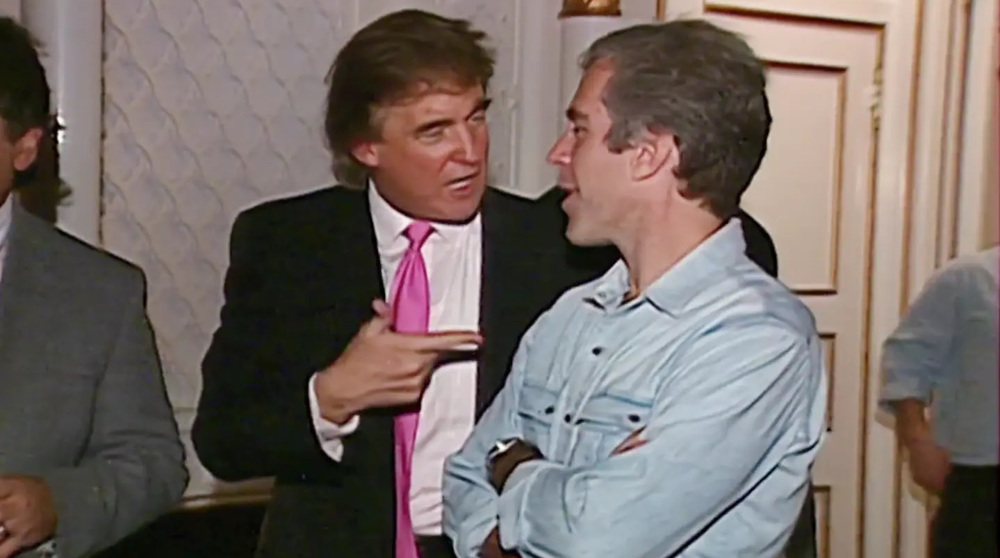
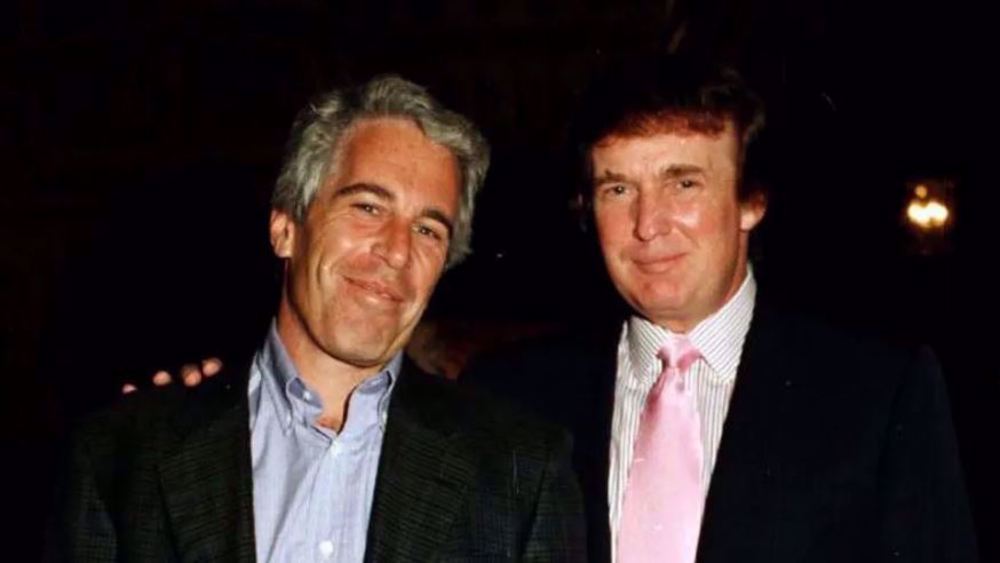
Trump publicly socialized with Epstein for years, complimented him for liking “younger” women, and moved comfortably within his social circle before later rewriting their history.
The newly released emails directly contradict Trump’s previous denials, placing him at Epstein’s home with a victim — yet US authorities continue to minimize, obscure, or sidestep these connections.
Epstein’s long-suspected ties to the Israeli intelligence services add an even darker dimension.
His association with Mossad linked him to Israeli political elites, intelligence-adjacent financiers, and a network that benefited from compromising powerful figures in the US and beyond.
His protection by both American and Israeli institutions — right up to his convenient death — has strengthened the belief that he operated less as a financier and more as a protected asset serving the strategic interests of both regimes.
Below are some of the prominent names featured in the new cache of files.
Kathryn Ruemmler
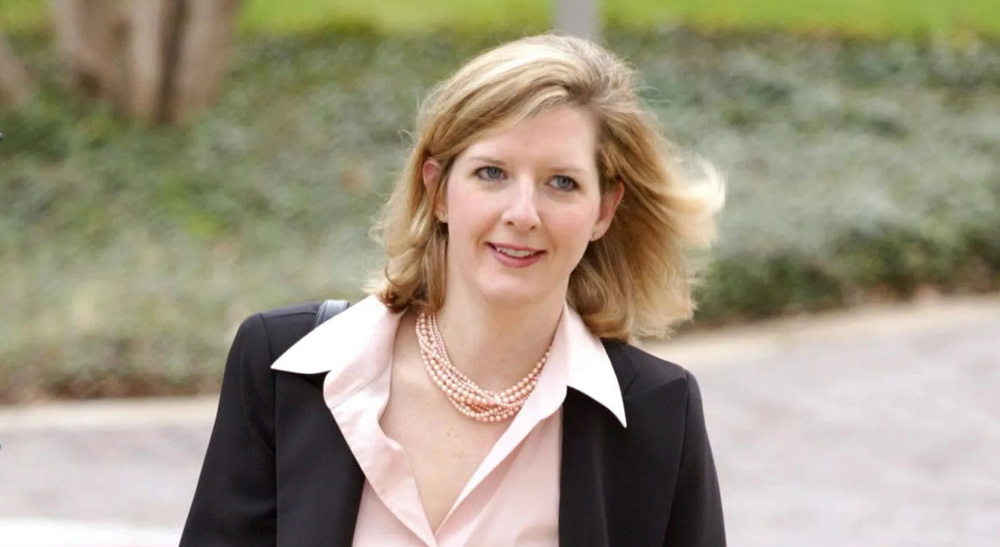
The House Oversight Committee released multiple email exchanges between Epstein and Kathryn Ruemmler, who served as White House counsel under Barack Obama.
Ruemmler, known for her prosecution of the Enron scandal, frequently discussed Trump with Epstein.
“Trump is truly stupid,” she wrote in a July 21, 2017, email.
In another email, she called Trump “so gross.” The message is partially redacted, but Epstein replied: “worse in real life and up close.”
Epstein also downplayed Trump’s wealth, telling Ruemmler: “Donald doesn’t really own very much; he rents out his name.”
In August 2018, the two discussed the hush-money payments Trump made to adult film actress Stormy Daniels before the 2016 election — the same issue for which Trump was later convicted of falsifying business records. Trump denies having an affair with Daniels.
Their exchange ended with Epstein writing: “You see, I know how dirty Donald is.”
Other emails show Epstein detailing a whirlwind of meetings with an ambassador, a tech giant, foreign business figures, academics, and a film director. “You are a welcome guest at any,” he told her.
Michael Wolff
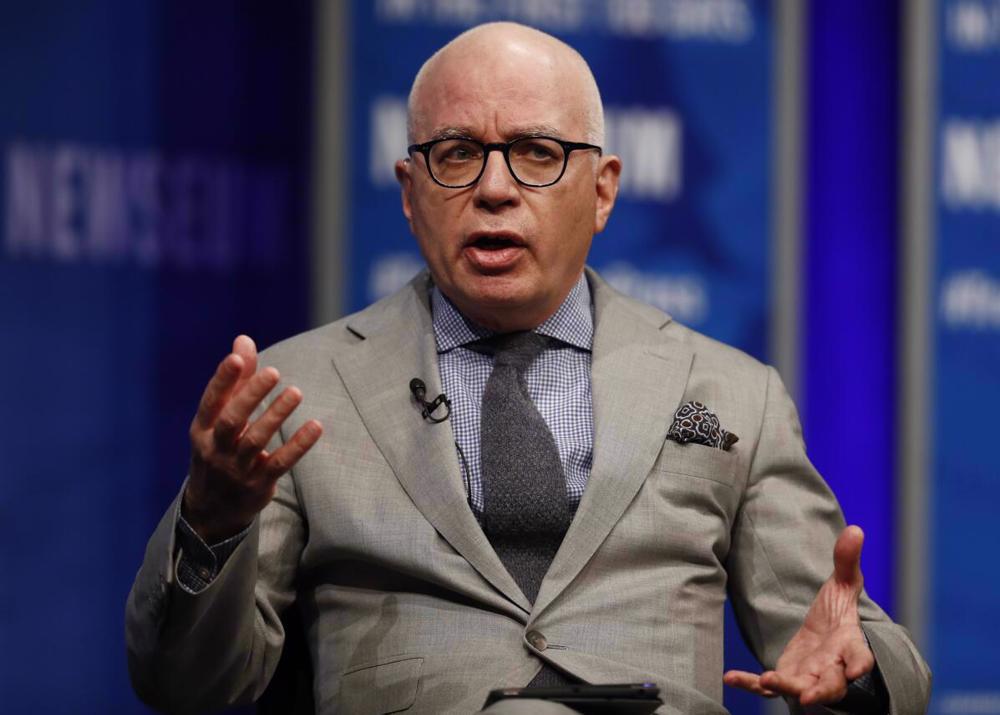
Michael Wolff, an American journalist and author known for his bestselling book Fire and Fury, also appears in the newly exposed correspondence.
One 2015 email draws particular attention: Wolff informed Epstein that CNN planned to question Trump — then a presidential candidate — about his relationship with Epstein.
Epstein responded: “If we were able to craft an answer for him, what do you think it should be?”
The two go on to discuss a strategy, with Wolff writing: “I think you should let him hang himself.”
In another message from October 2016, just days before the presidential election, Wolff offered Epstein the chance to sit for an interview that could “finish” Trump.
Reacting to the publication of the emails, Wolff said in an Instagram video: “Some of those emails are between Epstein and me, with Epstein discussing his relationship with Donald Trump. I have been trying to talk about this story for a very long time now.”
Wolff previously released tapes of his conversations with Epstein and acknowledged interviewing him “periodically” while researching Fire and Fury.
Larry Summers
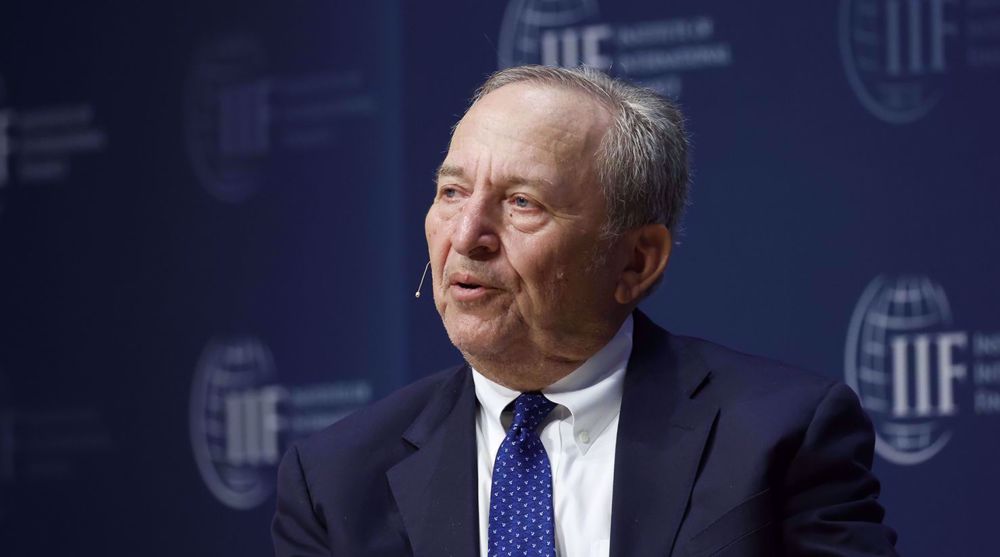
The documents also reveal extensive correspondence between Epstein and Larry Summers, the former Treasury Secretary under Democratic President Bill Clinton.
Their association had been known, but the new files show a far closer relationship than previously reported.
The two met for dinner frequently, and Epstein often tried to connect Summers to senior global figures — at one point proposing a meeting with the “president [sic] of the United Nations, interesting person for you.”
In late November 2016, just after Trump’s election, Summers wrote to Epstein: “Spend zero effort on anything about me with Trump.”
Emails from 2017 through 2019 — long after Epstein’s 2008 conviction — suggest a striking degree of personal intimacy.
In one exchange, Summers, who had also served as Harvard University President, sought Epstein’s advice on managing a relationship with a “female acquaintance,” despite being married to Harvard professor Elisa New.
He also enlisted Epstein to raise $110,000 for one of New’s poetry projects.
Their financial entanglement had already surfaced in 2023, when The Wall Street Journal reported on a 2014 exchange in which Summers asked Epstein to help secure $1 million in funding for one of his wife’s projects.
This week, Summers put out a statement of apology. “I have great regrets in my life,” he wrote. “As I have said before, my association with Jeffrey Epstein was a major error of judgment.”
'Prince' Andrew
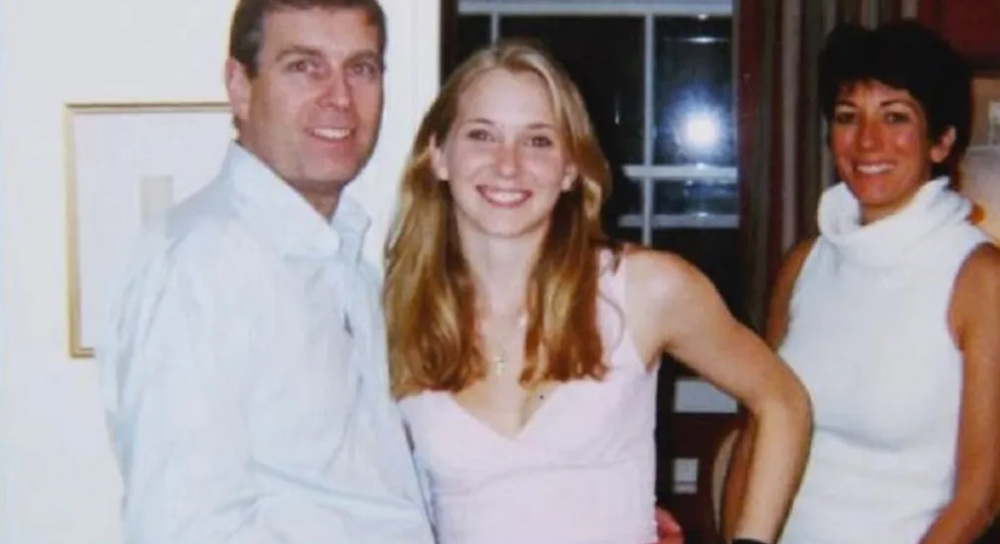
According to the newly released emails, Epstein appears to have confirmed that Andrew Mountbatten-Windsor was photographed with Virginia Giuffre and the two were intimately linked.
Mountbatten-Windsor, who was recently stripped of his titles of prince and Duke of York over his association with Epstein, had sexually abused then-17-year-old Giuffre three times after she was trafficked by Epstein and his associate, convicted child sex offender Ghislaine Maxwell.
A photo taken in 2001 by Epstein shows a young Andrew with his arm around Giuffre’s waist.
The former prince has said he has “no recollection” of the photo or the girl in it. He’s repeatedly suggested it might be a fake.
Nonetheless, a July 2011 email sent by Epstein reads, “Yes, she [Giuffre] was on my plane and yes she had her picture taken with Andrew.”
Epstein’s account contradicts the former prince’s assertion that he never met Giuffre and his longstanding suggestion that the image of him with his arm around her may have been doctored.
The documents - published by Democrats on the House Oversight Committee - also confirm that Andrew and Epstein remained in contact four months after the prince claimed their relationship had ended.
Giuffre - a prominent accuser of Epstein and Mountbatten-Windsor - died by suicide aged 41 in April.
Landon Thomas Jr.
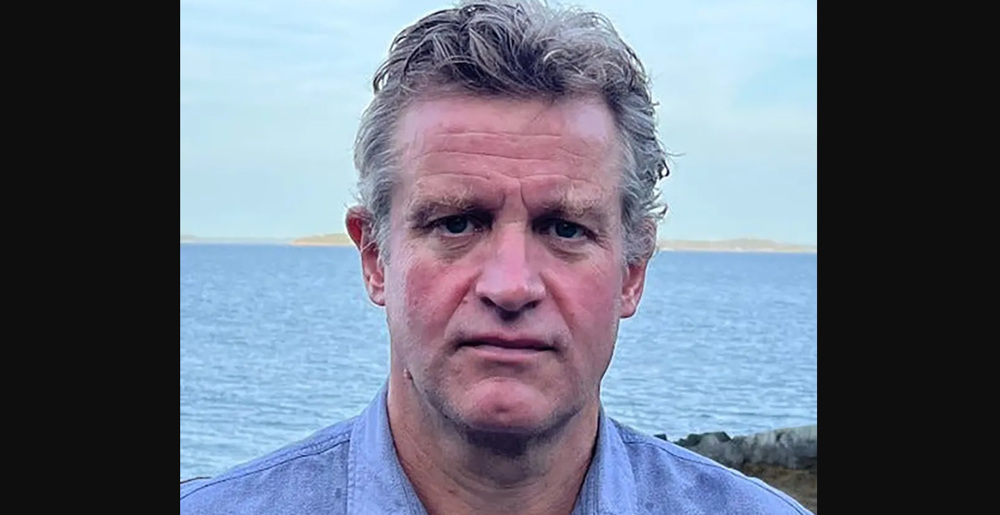
Former New York Times journalist Landon Thomas Jr also appears multiple times in the newly released email list, confirming his close connection with the convicted sex offender.
Thomas gave the disgraced financier a heads-up after being contacted by ex-cop-turned-reporter John Connolly about the tome, which became “Filthy Rich,” according to a tranche of emails released.
“Keep getting calls from that guy doing a book on you — John Connolly. He seems very interested in your relationship with the news media. I told him you were a hell of a guy :),” Thomas wrote to Epstein in an email dated June 1, 2016.
Connolly, who died in January 2022 at the age of 78, published “Filthy Rich: The Shocking True Story of Jeffrey Epstein” in October 2016, sharing author credit with celebrity wordsmith James Patterson.
Thomas sent an email to Epstein: “I think the big issue is separating yourself from Andrew. I mean, in the end, he had consensual sex with [redacted]. And [redacted] worked for you. The rest is atmospherics. You have moved on! People don’t know that and can’t accept that unless you say as much.”
Other emails in the trove of more than 20,000 documents released Wednesday detail Thomas’ chummy relationship with Epstein through the years — revealing that the reporter picked the pervert’s brain for background information on a potential story about Saudi Arabia.
Another email had a longer thread, all dated to 2015-16, shows Epstein writing, “Would you like photos of Donald and girls in bikinis in my kitchen,” to which Thomas replied, “Yes!!”
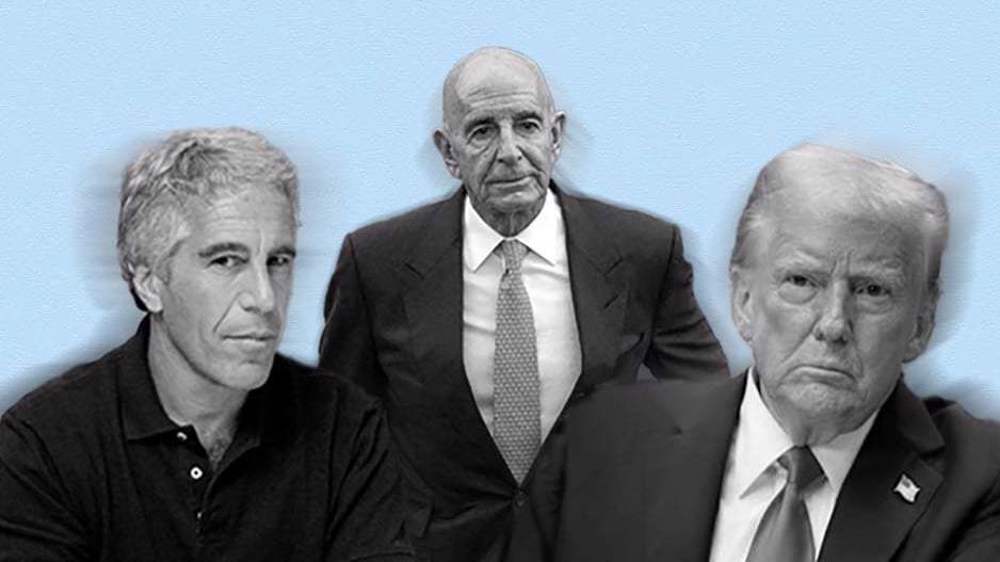
Tom Barrack
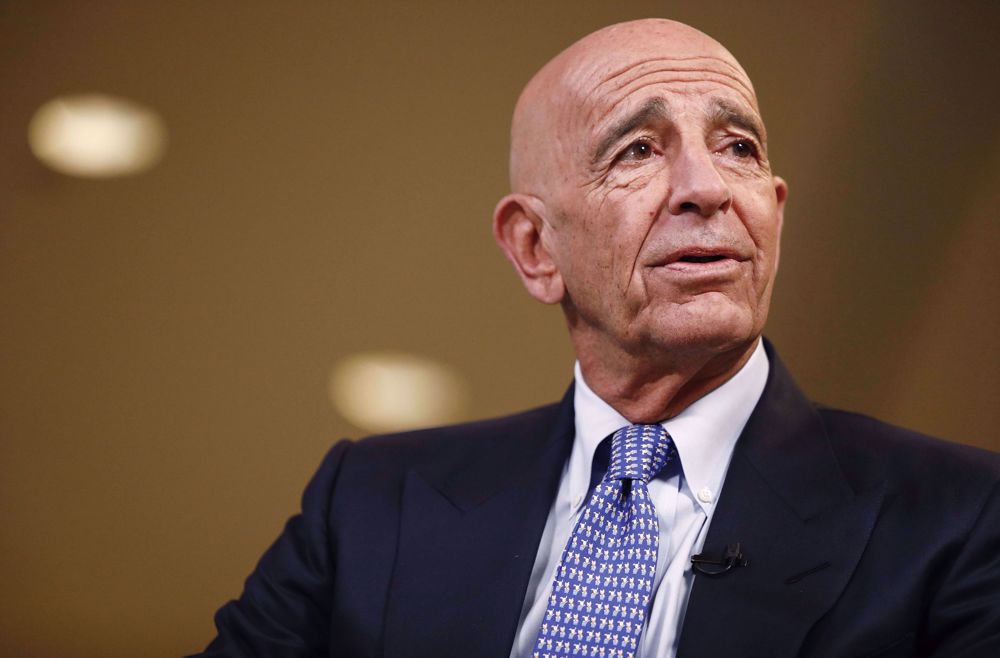
Barrack was the former US presidential advisor and investor, and currently serves as US Ambassador to Turkey and Trump's special envoy to HTS-ruled Syria.
One 2016 exchange between Epstein and Barrack has attracted particular scrutiny.
In March of that year, Epstein emailed Barrack, writing: “Send photos of you and child. Make me smile.” The documents do not specify which child he was referring to.
The message came shortly after Epstein told Barrack he was receiving "many calls" about his friendship with Trump, but was choosing not to respond. Barrack had earlier suggested the two men should "catch up".
By that time, Epstein’s sexual abuse of minors was already widely known, and he had served roughly a year in jail for sexually assaulting a 14-year-old girl he had hired as a “masseuse.” Despite this, communication between the two men continued.
Barrack, who was confirmed as US ambassador to Turkey in April, has not commented publicly on the emails.
Steve Bannon
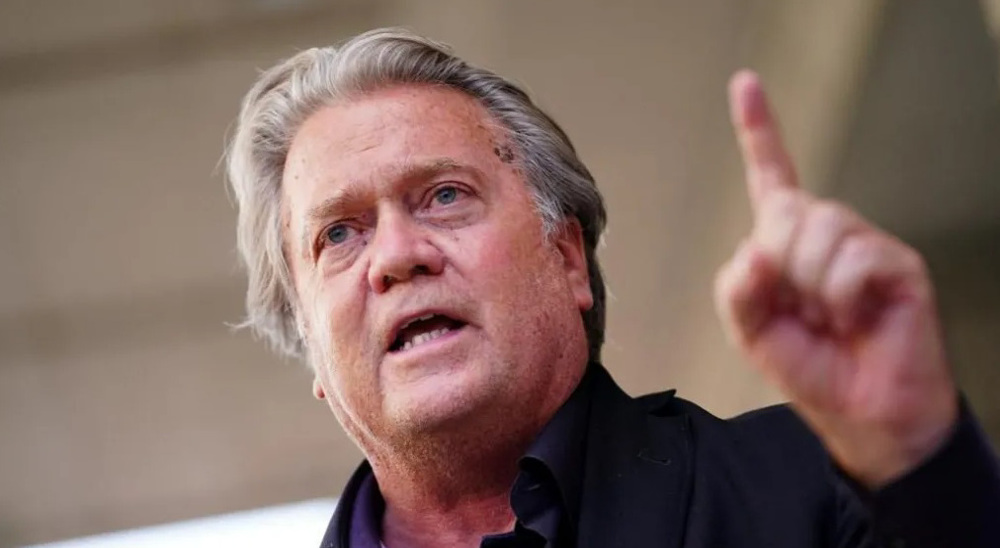
Text messages released by the House reveal Epstein served as an informal adviser to former Trump strategist and MAGA figurehead Steve Bannon during an August 2018 media campaign.
The goal was twofold: defend Trump and boost Bannon’s own media ventures.
The messages span six days, from August 17 to 23, and show Epstein coaching Bannon on television appearances and political messaging.
Bannon, one of the architects of the MAGA movement that propelled Trump to the presidency twice, maintained direct, secretive communication with the convicted sex offender.
Earlier this year, Tesla CEO Elon Musk said that “Bannon is in the Epstein files.” The newly released material confirms it.
The documents also capture Bannon arranging a private meeting with Epstein. Worried about being seen, Bannon wrote: “Is there any other access than the front door? They’re watching you at all hours of the day right now.”
Epstein reassured him: “There’s a back entrance… super secure. Someone can meet you and escort you in.” Bannon accepted the arrangement.
Peter Thiel
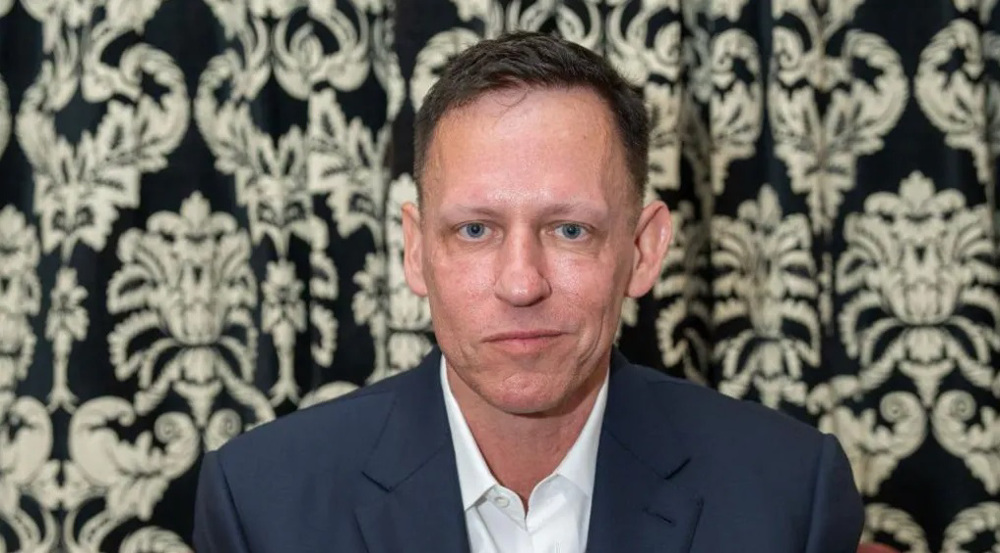
The latest document release also places billionaire investor and on-and-off Trump supporter Peter Thiel back into Epstein’s orbit. Thiel had already appeared in a previous batch of files published in September.
Epstein emailed the PayPal co-founder in November 2018, writing, “I liked your Trump exaggerations, not lies. … Dec visit me Caribbean.”
Epstein’s private island — the site of many of his crimes — was part of his trademark way of enticing powerful figures. Thiel’s representative told Politico he “never visited the island.”
Other documents show Thiel scheduled a lunch with Epstein on November 27, 2017, in New York.
Thiel has previously acknowledged that he met Epstein a few times after being introduced by another Silicon Valley executive in 2014.
Epstein files and Iran
One of the most unexpected revelations in the newly released Epstein emails is how frequently Iran appears in his correspondence.
Iran is one of the most referenced geopolitical topics in the entire cache, with hundreds of mentions scattered across emails spanning more than a decade.
The references come in many forms — forwarded articles, political analyses, and exchanges with globally influential figures who seemed eager to discuss Iran’s internal politics, nuclear program, and regional policies.
Dozens of articles about Iran were shared back and forth between Epstein and a network of diplomats, journalists, billionaires, and political strategists.
In some cases, well-known public figures sent Epstein lengthy examinations of Iran’s nuclear negotiations or regional military strategy. In others, Epstein himself initiated the conversation, forwarding think-tank pieces, economic assessments, and commentary.
✍️ Feature - Epstein emails: Trump knew of abuse, spent hours at his mansion and stayed silent
— Press TV 🔻 (@PressTV) November 16, 2025
By Maryam Qarehgozlou https://t.co/Q8ExZFZCAN
The volume and tone of these exchanges suggest that Iran was more than a passing interest for Epstein.
Instead, it appears to have been one of the core geopolitical subjects he monitored and discussed with powerful contacts — raising new questions about whether his role extended beyond finance and social engineering into the realm of quiet geopolitical influence, information-gathering, or intelligence-adjacent networking, regarding his links to Israeli spy agency Mossad
A sudden shift
The new files highlight a crucial pattern: despite Trump’s years of public denials, he was well aware of Epstein’s behavior toward underage girls — and remained silent.
On Sunday, after dismissing the renewed focus on Epstein as a “Democrat Hoax” meant to “deflect from the Great Success of the Republican Party,” Trump performed a stunning U-turn.
Within hours, he instructed congressional Republicans to vote for the release of the Epstein files — reversing his long-held opposition.
Lawmakers in the House, including several Republicans, forced a vote to release unclassified government-held Epstein documents. Whether the Senate will follow suit remains unclear, especially now that Trump has publicly shifted his stance.
If the legislation passes both chambers, Trump himself would need to sign off on the release — placing him directly at the center of a scandal he has spent years trying to distance himself from.
US judge strikes down Trump’s immigrant visa ban on 75 countries
Global impact of US war against Iran
Canada vows ‘dollar-for-dollar’ tariff retaliation as Ottawa-Washington trade war escalates



VIDEO | Analysts assess US pressure campaign on Iran, its global fallout
VIDEO | Roots beneath rubble: Farmers in south Lebanon under Israeli attacks
VIDEO | Iran National Defense Industry Day highlights indigenous strength
Palestinian resistance factions back broad alliance for legislative elections
Iran urges UK, France to heed veteran diplomats’ warning on Israel
Iran to neutralize econ. pressure, keep Hormuz closed until US meets commitments: Security chief
VIDEO | New security arrangements in region
VIDEO | Lebanese authority ignores Israeli aggression: Political analyst


 PressTV NEWSLETTER
now
PressTV NEWSLETTER
now
 This makes it easy to access the Press TV website
