
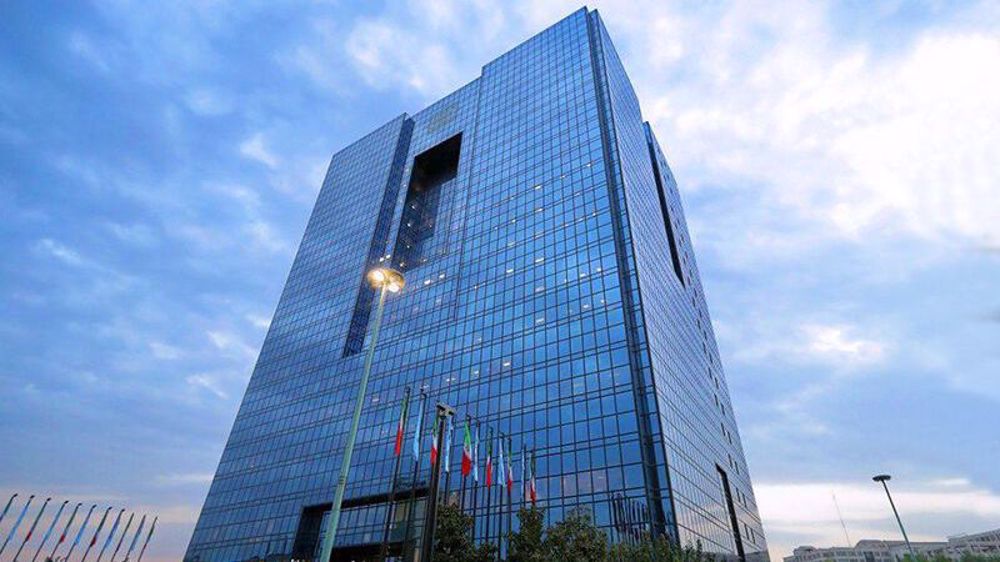
The Central Bank of Iran (CBI) will continue its efforts to rescue the few remaining ailing banks in the country, according to a senior official who stated that the regulator has been successful in reforming Iran's banking system.
On Wednesday, Farshad Mohammadpour, who is CBI’s deputy head for oversight, said that the lender had identified four banks and one credit institution as being undercapitalized or having a high level of non-performing loans.
Mohammadpour said that Bank Sepah, a state-controlled bank and the largest in Iran by the number of branches, is undergoing a smooth reform process. He added that the CBI believes Bank Sepah will soon achieve a healthy balance sheet.
He also said that three private banks—Dey, Sarmayeh, and Iran Zamin—have begun efforts to increase their revenues and reduce their borrowing from the CBI. The official did not elaborate on the CBI’s plans for Melal Credit Institution.
His comments came days after the CBI declared Bank Ayandeh, one of Iran's largest private banks, insolvent and transferred its assets and staff to the state-run Bank Melli. Recent CBI statements revealed that the bank had accumulated losses of 5,500 trillion rials ($5.14 billion), in addition to 3,100 trillion rials in overdrafts from CBI resources.
The move has been welcomed in Iran as a sign that the government is serious about reforming the country's banking system, despite being subject to harsh international sanctions that restrict its access to foreign capital and investment.
Mohammadpour said the number of distressed banks and credit institutions in Iran has been reduced from 14 to 5 over the past three years as a result of the CBI's reform plans.
Meanwhile, Iran’s Finance Minister, Ali Madanizadeh, also said on Wednesday that rescuing troubled banks was one of his main priorities. However, he cautioned that the government would have no option but to dissolve banks that fail to fix their problems.
 This makes it easy to access the Press TV website