Jolani’s bloody gamble: French terrorists turn guns on former ally in Syria’s new war
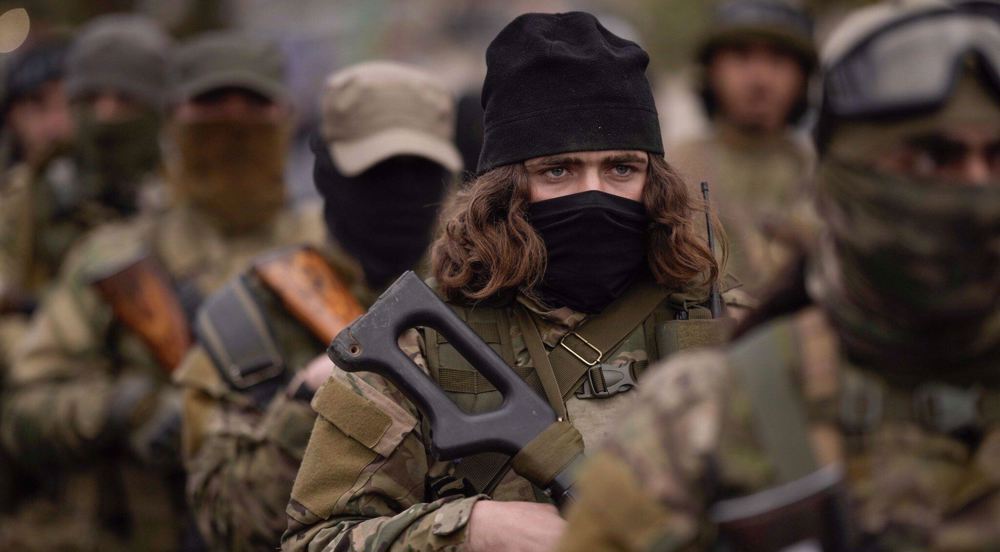
The Hay'at Tahrir al-Sham (HTS) forces of Abu Muhammad al-Jolani have clashed with a battalion of French militants and mercenaries that assisted the terrorist group to topple the Arab country’s democratically elected former president Bashar al-Assad in December last year.
The violence broke out in a camp in northwestern Syria’s Idlib Province near the Turkish border between HTS group and a number of French militants and their families led by Omar Diaby, an internationally wanted French terrorist and citizen.
Local media reported that the HTS forces surrounded the al-Fardan camp after complaints from residents about “grave violations,” including the alleged kidnapping of a girl from her mother by Diaby’s men.
Jolani's interior ministry said in a statement that the HTS forces tried to convince the French militant leader to surrender, but he “refused, barricaded himself inside the camp, prevented civilians from leaving, and began firing, provoking security personnel, and terrorizing residents.”
SARI Global, a center providing geopolitical and security analysis, said the armed clashes had begun overnight from Tuesday into Wednesday with “intense exchanges of gunfire and drone strikes reported inside the camp.”
The reports failed to make clear how many people were killed and wounded. Videos circulating on social media, apparently shot by residents of the camp, showed blasted-out walls and windows.
Diaby has denied the HTS’s accusations of child abduction, calling the case a “fabrication” and alleging coordination between the French government and Damascus militants to dismantle the battalion.
Diaby’s son, Jibril, in a video posted on social media on Wednesday appealed to its supporters, stressing that the HTS forces were preparing to overrun the camp.
“We are your brothers,” he claimed. “The immigrants who left our lands and our families and everything behind us to come and help you …Now you have turned on us.”
Diaby, also going by the name of Omar Omsen, is a Senegal-born French citizen known for posting French-language Takfiri recruitment videos on YouTube.
France issued an international arrest warrant against him in 2014.
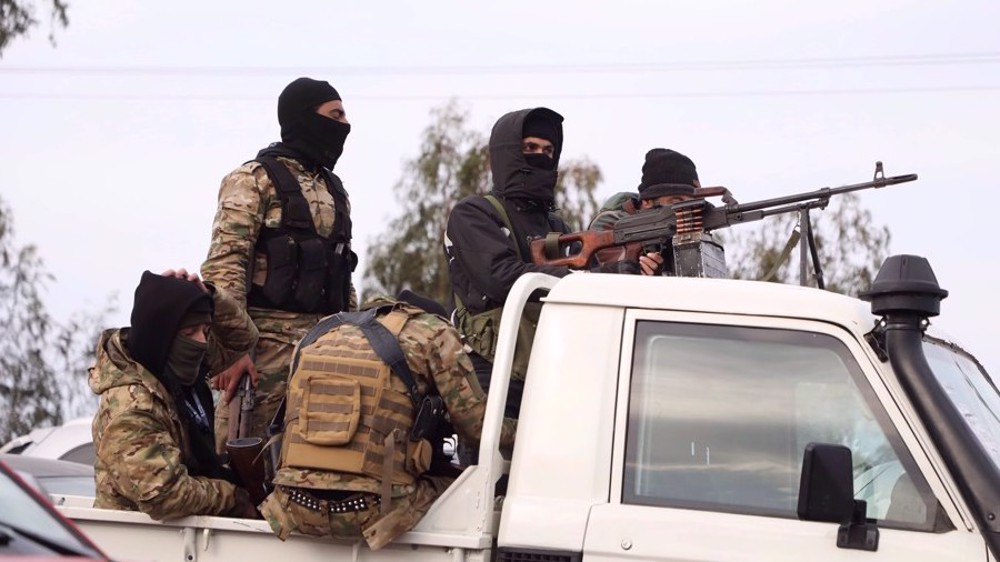
In 2016, the US State Department said that he led a battalion of about 50 French fighters — known as al-Ghuraba (The Strangers) — who had joined the al-Qaeda-linked al-Nusra Front terrorist group in Syria, one of the spinoffs of which is the HTS.
Jolani, backed by foreign fighters and mercenaries, seized the helm in Damscus after removing Assad from power in a lightning offensive on December 8, 2024 amid a 13-year-long foreign-sponsored militancy.
The latest clash comes as the Arab country’s new leaders are trying to court the West, with foreign fighters having become a political liability.
The presence of foreign fighters has also been widely unpopular with Syrians, who view them as plunderers of their natural resources.
According to the so-called Syrian Observatory for Human Rights (SOHR), a Britain-based war monitor, Jolani recently assured France that he would end the presence of French terrorists in Syria and hand them over to Paris.
He also reportedly pledged to Russian President Vladimir Putin during his visit to Moscow last week that his regime would begin “extraditing Russian and Chechen foreign fighters to Russia”.
The operation has sent shockwaves through Syria’s remaining foreign mercenary communities—particularly Uzbek and Turkestani contingents, many of whom fear they will be next.
Some have publicly expressed solidarity with the French terrorists and even joined them in combat, raising the risk of a broader confrontation in northern Idlib. If the clashes persist, they could erode the Jolani's regime's fragile security gains.
Foreign terrorists remain a significant military force in the northwest, and their alienation could reignite dormant insurgencies. At the same time, prolonged fighting could undermine the remnants of HTS, whose power once rested heavily on the same foreign elements now under siege.
The recent clashes expose a shifting power struggle in postwar Syria, where alliances between Washington, France, and Hayat Tahrir al-Sham (HTS) increasingly blur the lines between counterterrorism and political engineering.
Officially presented as a crackdown on foreign terrorists, the campaign appears to serve broader geopolitical objective of consolidating control over remaining militant factions while showcasing Damascus’s cooperation with Western powers.
Analysts argue this alliance, forged through mutual pragmatism, reflects a calculated effort to reconfigure Syria’s fractured landscape under international oversight while preserving core Western and regional security interests.
At the center stands Jolani, whose transformation from Takfiri commander to de facto head of state embodies Syria’s paradox. By turning against the same foreign elements that once bolstered his rise, Jolani seeks legitimacy from the very powers that once bombed his positions.
Yet his gamble is fraught with risk. As factions splinter and rival militias resist disarmament, Syria teeters on the brink of another chaotic chapter—one where former allies become enemies, and foreign patrons manipulate the battlefield’s survivors.
Jolani’s “new Syria” could swiftly unravel into another Libya.
Israeli forces raid villages in Syria's Quneitra, ransack houses
Truce breach: Heavy clashes erupt in southern Syria; no casualties
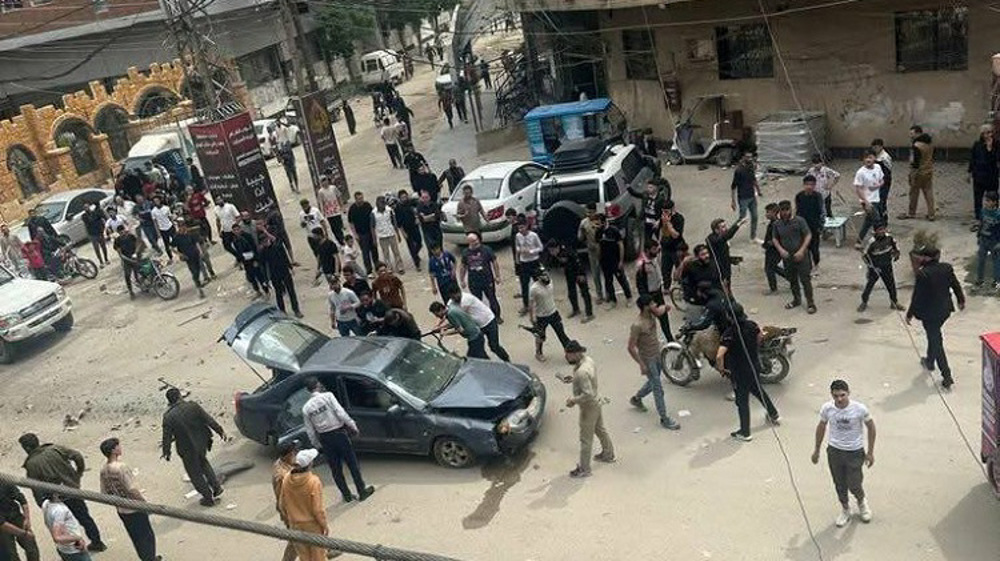
Shia cleric injured in explosion near Damascus shrine: Report



New Israeli strikes kill five in southern Lebanon amid relentless truce violations
Most EU states favor foreign policy shift away from US: Survey
Iran urges end to Israeli ‘impunity’ as UN blacklists regime over sexual violence
Trump’s remarks on US-Iran talks ‘distortion of reality’: Report
Leader’s advisor: Iran remains formidable obstacle to US-Israeli malicious plans in West Asia
Iran says no final understanding with US yet, rejects Trump's 'language of must'
Iran, Oman FMs discuss administration of Hormuz Strait in ‘very productive’ call
Italy: Protesters stage nationwide strike, demand end to Israeli genocide in Gaza


 PressTV NEWSLETTER
now
PressTV NEWSLETTER
now
 This makes it easy to access the Press TV website
