Fahimeh Hashemitabar woke from 112-day coma to learn parents killed in Israeli strike
By Humaira Ahad
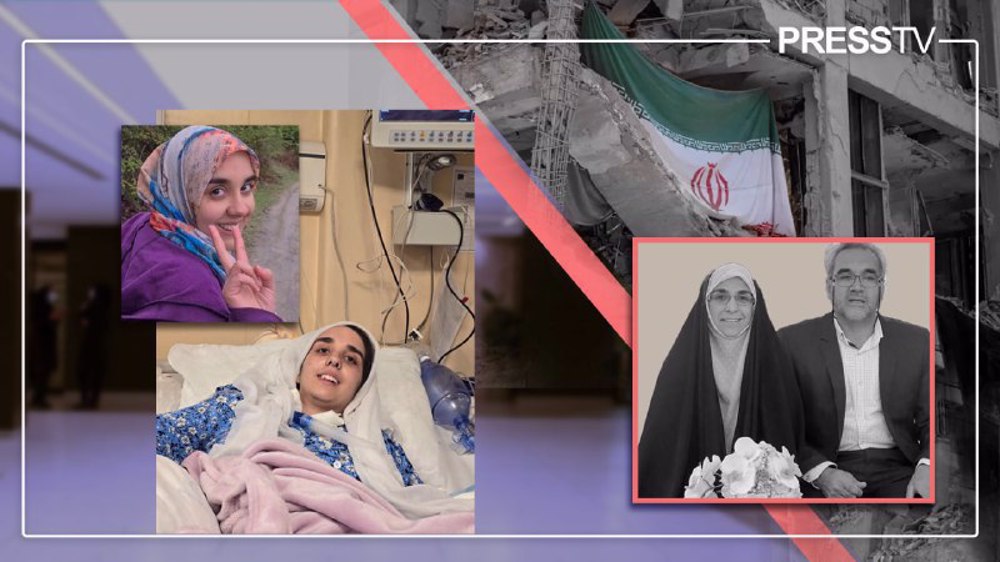
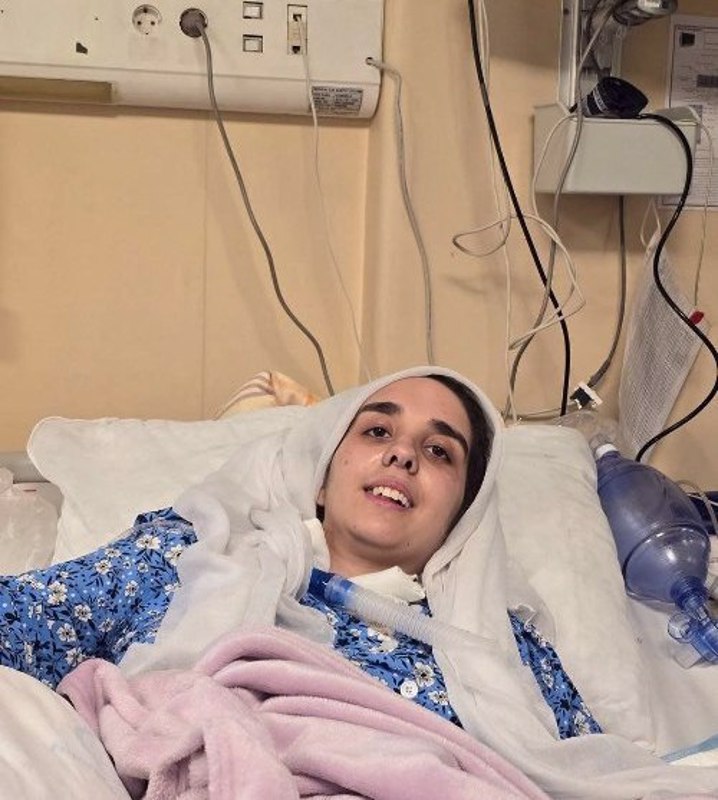
For more than three months, young Fahimeh Hashemitabar lay in a hospital bed, in a state of deep coma, her body motionless and sustained only by machines.
This week, she regained consciousness in what doctors call a medical miracle, bringing joy to her family and friends. Yet, her relief was tempered by a bitter and devastating reality – her beloved parents were no more.
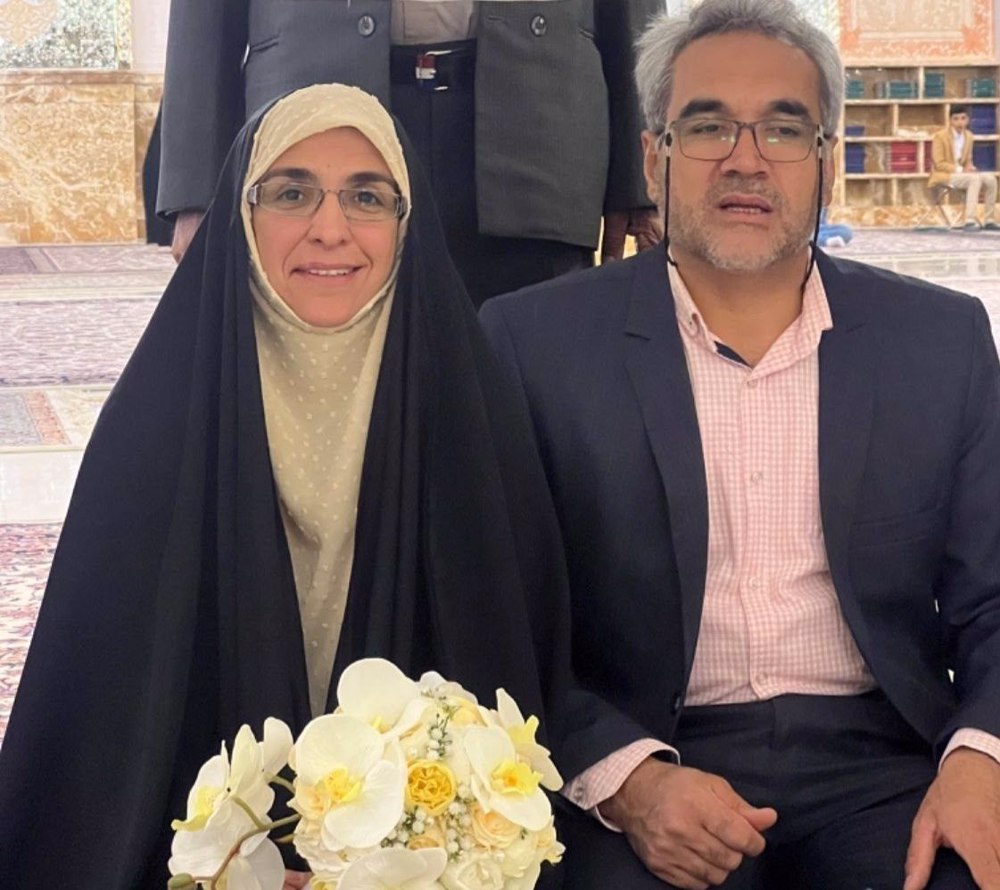
She is the only survivor of the Israeli airstrike that killed her parents, Dr. Seyed Asghar Hashemitabar, a senior Iranian nuclear scientist, and his wife, Tahereh Taheri, at their home in Tehran on June 14, 2025.
The attack, part of the unprovoked Israeli aggression on the Iranian soil in mid-June that targeted Iranian scientists, army commanders and civilians, left Fahimeh critically injured with brain and spinal trauma. Physicians described her recovery as improbable.
When she finally regained consciousness after 112 days, the medical staff and family members were cautious not to overwhelm her.
For several days, she struggled to make sense of what had happened. As she started to recover, she asked doctors about her parents, about the night of the Israeli attack, and about why she was in the hospital.
Fahimeh discovered the truth of her parents’ death through an online search, a painful revelation that came after months of unconsciousness and isolation.
Night of the Israeli attack
Dr. Hashemitabar, 51, had long been on Israel’s radar. In 2019, the US Treasury placed him under unlawful sanctions for his role in Iran’s defence research.
His name was quietly added to the list of Iranian scientists, engineers, and researchers who were eventually targeted by the Zionist regime in its 12-day brutal war against Iran.
The regime targeted his residence, killing the husband and wife as they sat in their living room and leaving their daughter in a deep coma.
The June 14 strike was not an isolated attack. In recent years, Israel has carried out dozens of targeted assassinations, cyber attacks, and air raids, often aimed at Iranian scientists.
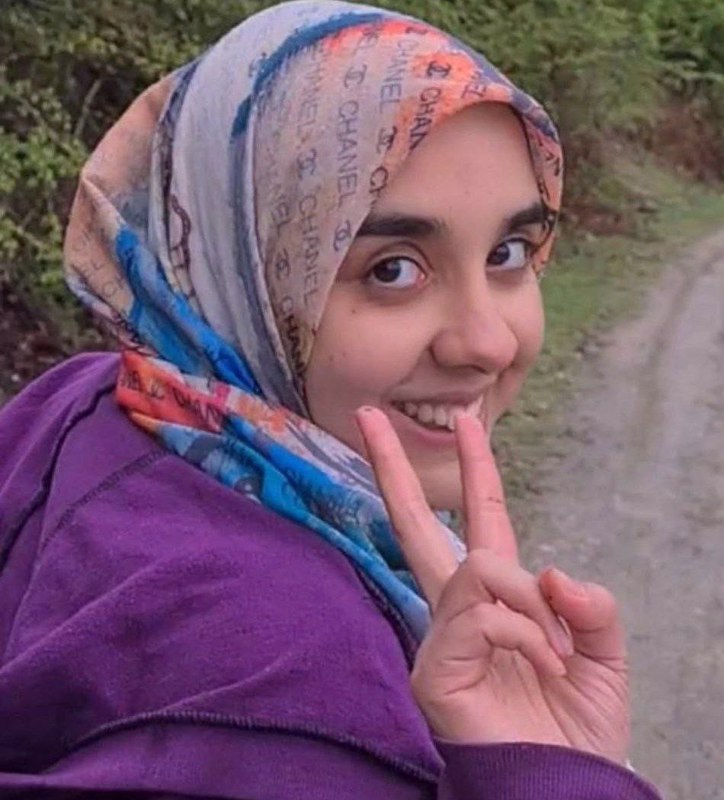
Before the fateful night that shattered her life, Fahimeh was praised on campus for her quiet brilliance and unassuming nature.
A product of Iran’s National Organisation for Development of Exceptional Talents (NODET) schools, she has been the school topper since childhood.
At the University of Tehran, she first enrolled in Petroleum Engineering before switching to Industrial Engineering, a move that would define her academic path.
Her professors recall her precision in class projects and her diligence as a teaching assistant in programming courses.
“She has been disciplined and deeply focused,” says her fiancé, Hossein Cheharbaghi. “She always chose study over comfort. Even during her master’s program, she worked full-time as a project control specialist. She never let anything distract her from learning.”
Fahimeh met her fiancé when both were teaching assistants for the same course at Tehran University. What began as a collegial friendship soon turned into a matrimonial relationship. But there was one condition.
“If you want to make me happy,” she told Cheharbaghi, “you must be admitted to Sharif University.”
He did, and the two continued their studies side by side. Their wedding was planned for September 2025, but her world came crashing down months before that.
Gaining consciousness after 112 days
In the weeks that followed the attack, Fahimeh lay unconscious in a Tehran hospital, her body supported by machines and her mind drifting in an induced sleep.
Her fiancé stayed by her side every day, reading books to her and reciting prayers.
To protect her fragile state, doctors and family members told her that her parents were hospitalised elsewhere, recovering from injuries.
But as she began to regain memory and speech fragments, questions surfaced. “Who has been martyred?” she whispered after gaining consciousness.
She asked for her phone. Alone in her hospital bed, she searched the internet and found her parents’ names were among the dead.
“I knew they were martyred,” she later told her husband, “but I wanted to deny it.”
Shohreh Pirani, the widow of martyred nuclear scientist Dariush Rezaeinejad, who was assassinated by Israeli agents in 2011, was among the first to visit her.
In a post on social media, Pirani described seeing Fahimeh in her hospital bed, motionless, unable to speak but conscious at last.
“She survived,” Pirani wrote, “but what a survival it was. One hundred and twelve days of silence. Machines breathing for her. A body that endured what no human should.”
To Pirani, the young woman’s regaining consciousness was not only a medical milestone but a spiritual one, a testament to the human will to live amid targeted violence by Israel that has targeted families of Iranian nuclear scientists for decades.
Between life, death, and faith
Fahimeh cannot walk or talk. She is fed through a tube, and her recovery is slow and uncertain. Yet her mind, sharp, alert, and remarkably lucid, remains intact.
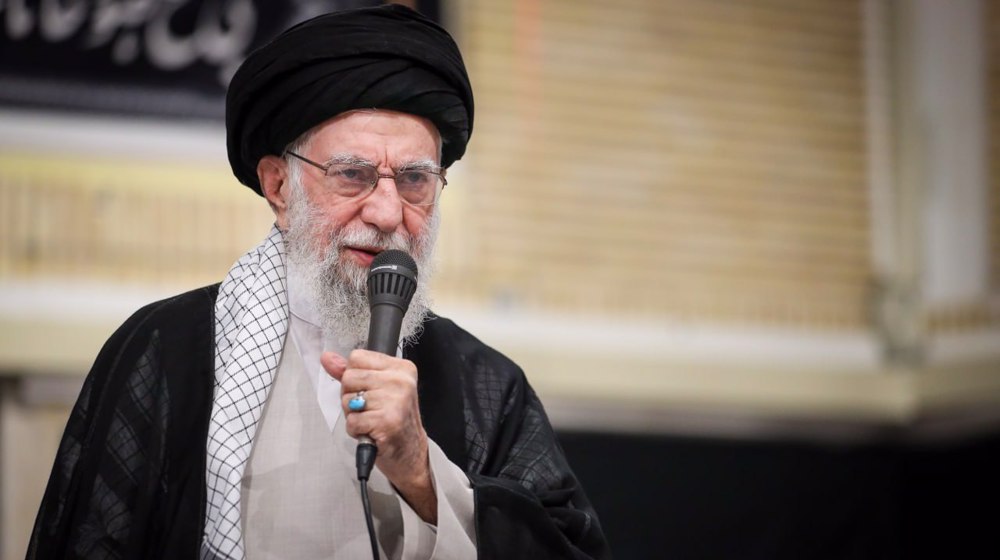
When asked what she wished for most, her answer was: “I want to meet the Leader, she told her fiance through lip-reading, expressing her wish to see the Leader of the Islamic Revolution, Ayatollah Seyyed Ali Khamenei. “I will ask him to pray for me.”
Her message, relayed later through Pirani, carried a strength that belied her frail condition:
“My parents longed for martyrdom,” she said. “They have achieved their wish.”
Fahimeh’s survival is a rare exception in a brutal Israeli war of aggression that led to the martyrdom of 1062 people.
She remains unable to walk or speak, dependent on medical care, and bears the physical and psychological scars of a strike that obliterated her family.
US will stop attacking Iran unless it wants to ‘commit suicide’: IRGC chief commander’s advisor
US losing response capability as Iran maintains control of Strait of Hormuz: IRGC
Pezeshkian: Iran’s strong maritime presence in Hormuz kept vital national lifelines moving



Seven killed in bus attack in central Syria as blast hits gas pipeline near Damascus
Genuine sovereignty lies in independent decision-making, says Iraqi MP after US pullout
Israel’s next cabinet faces mounting debt, war costs: Report
VIDEO | News Review: UK economic challenges
2026 Asian Games: Abdevali beats Olympic champion to win Greco-Roman gold for Iran
VIDEO | Press TV's news headlines
US exit from Iraq heralds ‘beginning of expulsion’ from West Asia: IRGC
UNICEF cautions against generational crisis in Lebanon amid Israeli attacks


 PressTV NEWSLETTER
now
PressTV NEWSLETTER
now
 This makes it easy to access the Press TV website
