Discover Iran: Shah Cheragh shrine — beating heart and timeless heritage of Shiraz
By Humaira Ahad
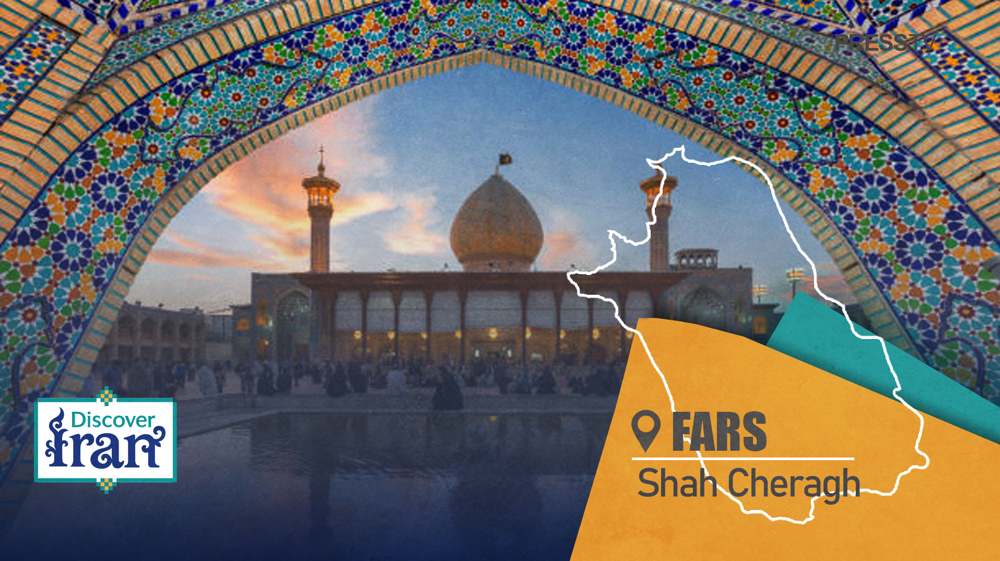
To walk through the magnificent Shah Cheragh shrine is to step into the living soul of Shiraz — a city where the poetry of Hafez and Saadi intertwines with the gentle murmur of prayer.
The fragrance of orange blossoms from the gardens nearby drifts into the shrine’s courtyards, merging nature’s beauty with spiritual calm.
Its mirrored halls and turquoise tiles narrate a story of a people who built, rebuilt, and preserved their sacred spaces across centuries of transformation.
The sacred shrine draws pilgrims and travellers alike into a space where centuries of devotion combine with the enduring beauty of Iranian art and architecture.
For the people of Shiraz, Shah Cheragh symbolises a living presence, a place in which faith and craftsmanship intertwine, with the glint of mirrored ceilings reflecting its timeless significance.
Shrine rooted in history
Shah Cheragh Shrine was first built in the 6th century AH during the rule of the Atabegs of Fars, an era when Shiraz flourished as a centre of learning and piety.
It houses the tomb of Ahmad ibn Musa (AS), the eldest son of Imam Musa al-Kazim (AS), the 7th Shia Imam and brother of Imam Reza (AS), the 8th Shia Imam, whose magnificent mausoleum is located in the eastern Iranian city of Mashhad.
Over time, the shrine became a central place of devotion and reverence in Shiraz, and in 745 AH, the Injuid dynasty’s Queen Tashi Khatun ordered its repair and expansion.
She also established a large school beside it and endowed nearby shops to sustain the sacred site of pilgrimage.
Discover Iran: Iconic mosques of Shiraz narrate a compelling story of artistic evolution
— Press TV 🔻 (@PressTV) October 12, 2025
Follow: https://t.co/mLGcUTS2ei pic.twitter.com/If3RDmtFO4
Over the following centuries, countless travellers have recorded their visits to the shrine, describing its serenity and its central place in the life of Shiraz.
The building itself has endured earthquakes, invasions, and repeated reconstructions.
In 1507, Shah Ismail Safavi ordered a major restoration, only for an earthquake in 1588 to cause significant damage.
After his victory over invading Afghan forces in the 18th century, Nader Shah Afshar again repaired the shrine.
Story behind the name ‘Shah-Cheragh’
The name Shah Cheragh, meaning “King of the Light,” originates from a legend deeply ingrained in the city’s memory.
Centuries ago, an elderly woman would see a mysterious radiance shining from the area of the burial site of Ahmed ibn Musa (AS) every Thursday night.
Convinced the site marked a great man’s resting place, she brought the matter to Amir Adud al-Dawla Dailami, the ruler of Shiraz. When he came to witness the phenomenon himself, the woman saw the light brighter than ever and cried out, “Shah Cheragh!”
The Amir ordered the site excavated, uncovering the tomb of Ahmad ibn Musa (AS). From that night onward, the place became known by the name the old woman had uttered, a name that continues to illuminate Shiraz centuries later.
Architecture of faith
Architecturally, Shah Cheragh reflects the Azeri style refined by Persian artistry. Its northern and southern gates open into a vast courtyard framed by delicate rooms.
Inside, mirrored walls multiply every ray of light into a thousand fragments, surrounding pilgrims in a quiet brilliance that feels transcendent.
The first silver latticework around the tomb was installed during the reign of Fath-Ali Shah Qajar; the second, also silver, was completed in 1827.
The shrine’s museum today houses over 8,000 artefacts spanning different dynasties, while its library, one of the largest in southern Iran, holds nearly 100,000 volumes.
Together, they embody the cultural richness of Shiraz, a city where art, learning, and faith have always been at the heart.
Many distinguished scholars and poets have chosen to be buried in the Shah Cheragh shrine, seeking closeness to its sanctity.
Among them are Ayatollah Martyr Sayyid Abdol Hossein Dastgheib, Ayatollah Najabat, Vesal Shirazi, and several figures from the Zand dynasty.
These graves, scattered around the shrine’s courtyards, are a reminder that knowledge and faith have always been revered in Iran.
Discovering Shiraz: Iran's Cultural Gem
— Press TV 🔻 (@PressTV) October 14, 2025
Shiraz is renowned for its rich literary heritage, having been the birth and inspiration ground for legendary poets such as Hafez, and Saadi.
Follow https://t.co/B3zXG73Jym pic.twitter.com/k894aM9e7e
Terror attacks
In recent years, the shrine has faced at least two terror attacks. In 2022 and again in 2023, terrorists targeted the holy site, killing and injuring worshippers. The responsibility was claimed by the Takfiri Daesh terrorist group.
Yet that didn't prevent pilgrims from thronging the shrine. Its courtyards continued to be filled with local and foreign pilgrims. Families whispered prayers and stood together in silence beneath the mirrored dome, their faith unbroken.
For Iranians, Shah Cheragh’s endurance symbolises the strength of belief that no act of terror can darken the light of devotion.
In the flicker of light beneath the dome, pilgrims see reflections of themselves and of generations who came before, each drawn to the same enduring glow of faith.
As part of Shiraz’s vibrant cultural landscape, Shah Cheragh shrine remains a sanctuary and symbol of Iran’s spiritual heritage, its reverence for beauty, and its unshakeable connection to faith.
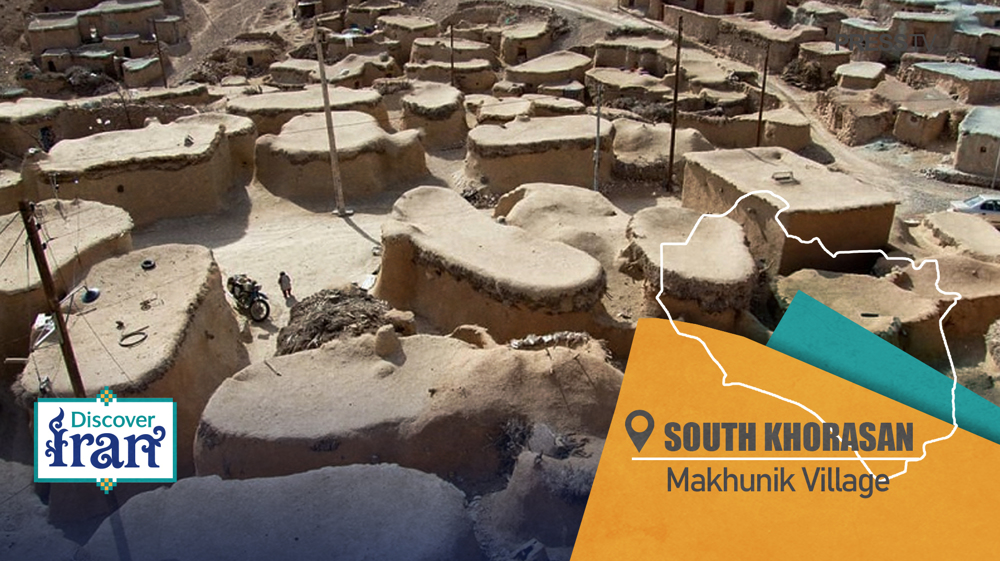
Discover Iran: Makhunik – South Khorasan’s “lilliput village” and its centuries-old mystery
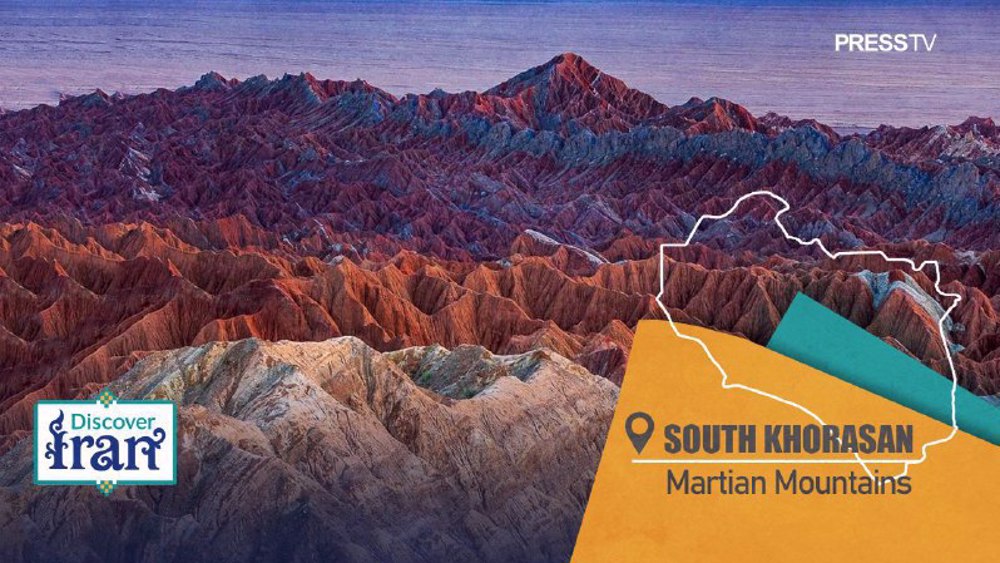
Discover Iran: Martian Mountains in South Khorasan, an otherworldly desert wonder
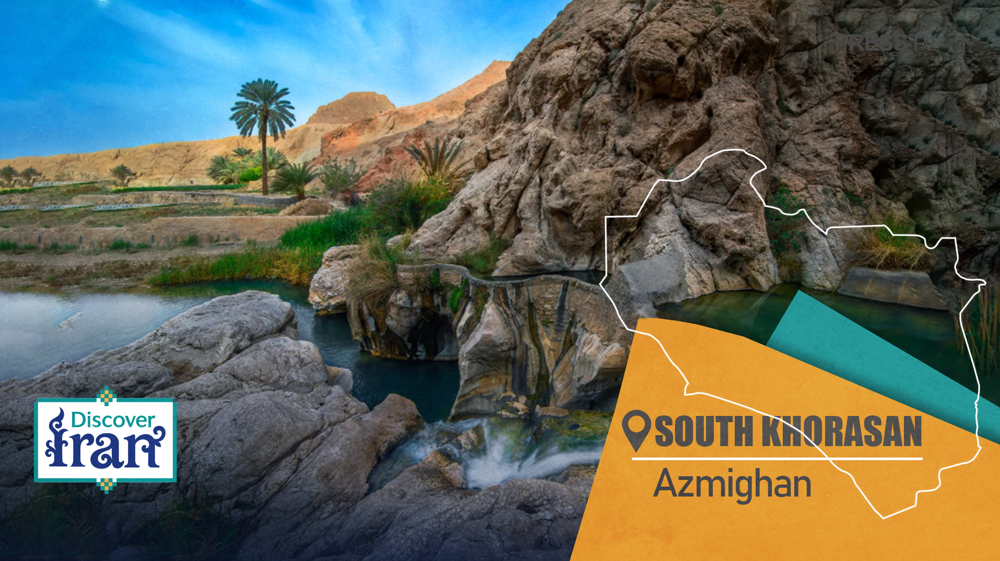
Discover Iran: Ezmeyghan – A South Khorasan village where rice paddies bloom in desert



‘Sickening’: Trump’s ‘Peace Prize’ moment at World Cup draw sparks worldwide cringe
Iran drawn against Belgium, Egypt, New Zealand in 2026 FIFA World Cup Group G
VIDEO | Slamming ‘Greater Israel’ project
VIDEO | Press TV's news headlines
VIDEO | UAE-backed separatists seize key provinces in eastern Yemen
VIDEO | New data reveals India’s exports slide sharply over US tariffs
Man shot dead leaving mosque as Israeli raids, settler violence sweep West Bank
Niger accuses French nuclear giant Orano of ‘mass crimes’


 PressTV NEWSLETTER
now
PressTV NEWSLETTER
now

 This makes it easy to access the Press TV website
