Trump Economic Zone: A plot to undermine resistance and advance US-Israeli interests in Lebanon
By Isabella Tarhini
Southern Lebanon is currently being confronted by a new form of occupation, coordinated by the world’s leading capitalist states, wielding investment schemes as weapons with the overarching goal of granting the Israeli regime impunity over the Arab country.
South Lebanon has long found itself subjected to foreign interference as a result of the hegemonic ambitions of some Western states and their regional allies.
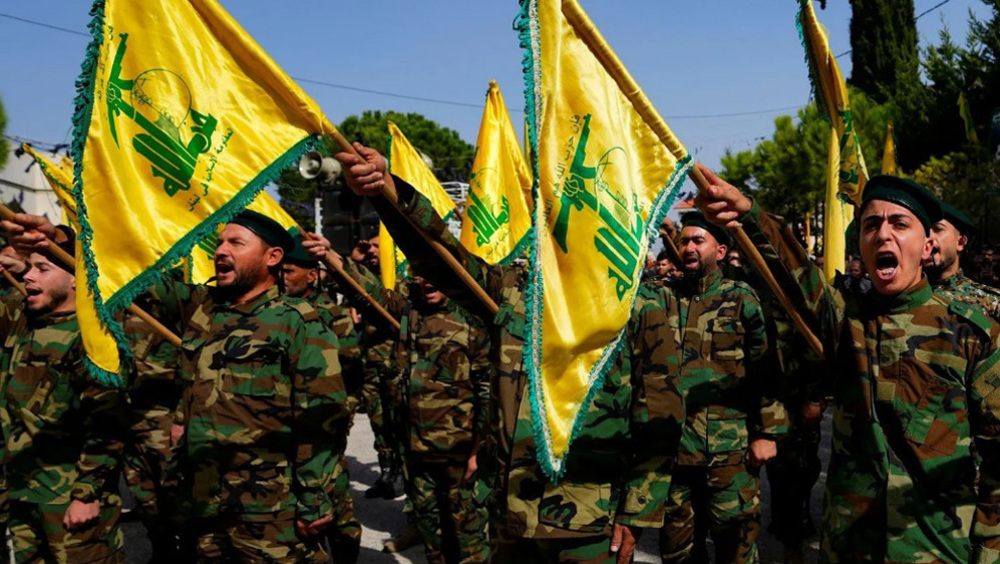
Israel’s countless massacres, invasions, military assaults, political interference, and covert meddling have marred the country’s past and have provided the necessary grounds for the legitimacy and necessity of Lebanese resistance groups, such as Hezbollah.
Contrary to flawed Western narratives, resistance is not unfounded, but an organic response to the brutal circumstances under which a people are subjugated. It is for this reason that attempts to dismantle Lebanon’s resistance through political, military, and now economic means are futile, as resistance exists as a response to such unnecessary and disastrous interventions.
The destabilizing realities that resulted in the inception of Hezbollah in Lebanon are present today with far more severity than ever before. Since the approval and initiation of a ceasefire between Hezbollah and the Israeli regime, Lebanese authorities have reported thousands of Israeli violations in Lebanon, with countless civilians killed.
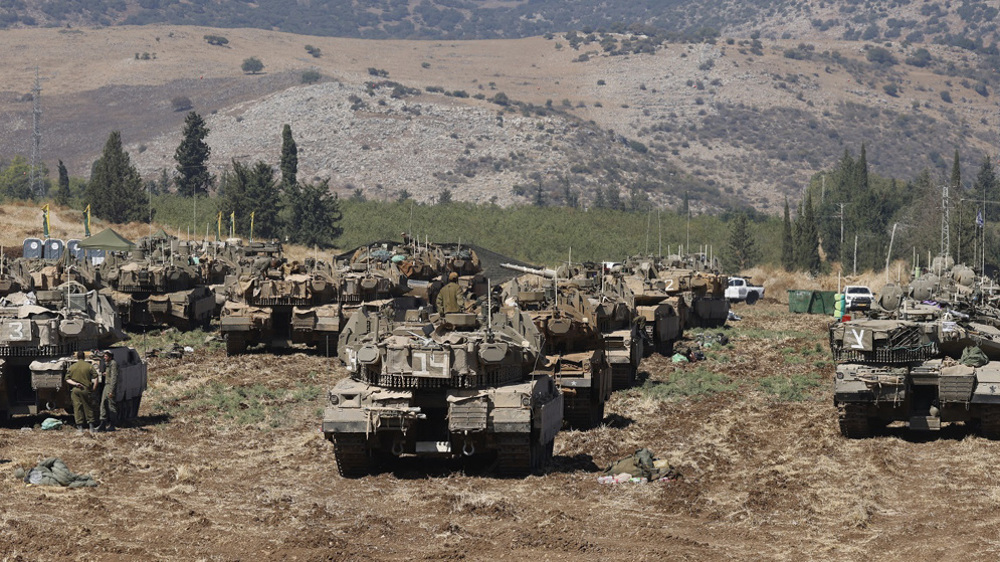
The construction of five occupation military outposts across the South also took place after the announcement of the ceasefire. Despite Israel’s blatant disregard for any agreement impeding its unhinged aggression, the US is contriving new means to effectuate Hezbollah’s disarmament and advance Israel’s strategy in Lebanon.
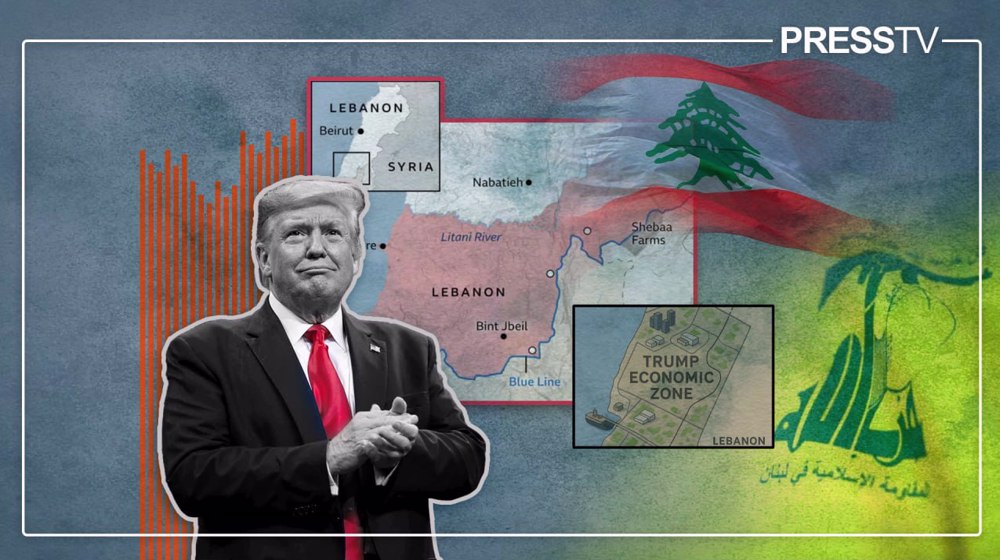
The US anticipates the establishment of the so-called “Trump Economic Zone” across 27 Southern Lebanese villages, in what appears to be an attempt to curb or contain Hezbollah’s presence near the border, citing Israel’s so-called “security concerns.”
The Cradle website recently reported that the scheme entails the seizing of towns from Naqoura to the Marjayoun district, with the forceful displacement of residents and the deployment of 1,500 to 2,000 US soldiers to the zone.

Saudi Arabia and Qatar have endorsed the scheme, agreeing to financial investment through the reconstruction of areas within the zone.
When imposed by a foreign power, Special Economic Zones seek to facilitate tax incentives and relaxed economic regulations to encourage Foreign Direct Investment (FDIs) in designated areas. The initiatives taking place within the Washington-coordinated zone are said to include solar energy, electricity, and tech hubs, as well as the development of untapped gas reserves.
Under the guise of “development,” this blatant attempt at economic imperialism and de facto military occupation is being presented as a means to bolster Lebanon’s economy and ensure stability in the South. In reality, the neoliberal scheme aims to extend the capital accumulation of the US and Arab investors through exploiting the land’s resources and people, whilst simultaneously leveraging Lebanon’s economic instability to coerce political compliance.
Consequently, structural dependency eventuates, entangling Lebanon’s economic trajectory with the country’s willingness to follow the demands of the US and, by extension, Israel.
As intended by the US, this would completely sever Hezbollah’s network in Southern Lebanon, which is not only represented by its military standing but also through its social, economic, and political infrastructure, rendering Israel’s ploys to occupy the South effectively achievable.
In March of this year, American think tanks such as The Washington Institute for Near East Policy outlined strikingly similar plans for a reimagined Lebanon without Hezbollah and under US guidance.
Hanin Ghaddar and Zohar Palti authored a policy analysis titled ‘Trump Should Aim for a “Riviera” in Lebanon,’ presenting a blueprint that Washington, Europe, and Gulf states could follow to weaken Hezbollah.
Of the seven measures outlined in the analysis, those most closely resembling the current proposal include: coordinating financial assistance with Saudi Arabia, Qatar, and other donors to make compliance with economic reforms—in this case, Trump’s Economic Zone—a prerequisite for any reconstruction aid; and, once the reconstruction process is approved, implementing close monitoring to ensure that Hezbollah and its local partners do not benefit.
The current proposal mirrors this approach by restricting reconstruction efforts exclusively to the US-coordinated economic zone.
The actualization of the Trump Economic Zone would shift the encroachment of the South from Israel to the US under the guise of peacemaking, only then to be transferred back to the Israeli regime once the zone has been implemented to grant them unfettered autonomy to advance their pursuits with Washington’s support.
The paradox lies in the rhetoric of US officials, who claim such plans aim to strengthen the Lebanese state and its institutions while curbing so-called 'non-state actors,' yet simultaneously tie Lebanon’s economic growth and domestic politics to American personnel, infrastructure, and resources, as if the US itself were not an external actor.
The Trump Economic Zone reveals the immediacy with which the US and Israel, its outpost in West Asia, are intending to disarm Lebanon’s resistance movement after having failed to achieve this outcome through war and massacres.
By masking occupation in the rhetoric of progress, Washington and Tel Aviv expose their agenda to actualize Hezbollah’s disarmament through economic duress, engineering the eventual collapse of Lebanon’s sovereignty.
Isabella Tarhini is an Australia-based writer and researcher.
(The views expressed in this article do not necessarily reflect those of Press TV.)

Hezbollah chief: Lebanon faces ‘dangerous, expansionist’ Israeli aggression
Israel conducts violent airstrikes on Lebanon after direct talks
Top Hezbollah cmdr. vows resistance group won’t give up weapons



Hezbollah chief: Lebanon faces ‘dangerous, expansionist’ Israeli aggression
Israeli reservist ends his life after participation in Gaza genocide
Israel is the ‘troublemaker’ in region, Saudi Prince Turki says
Threatening Iraq's sovereignty, US opens world’s largest consulate in Erbil
US Navy struck by Yemen: USS Truman disasters expose combat strain
Putin, Modi sign landmark deals to cement strategic partnership
VIDEO | Press TV's news headlines
IRGC Navy launches ballistic, cruise missile during major drill




 PressTV NEWSLETTER
now
PressTV NEWSLETTER
now

 This makes it easy to access the Press TV website
