Iran reaffirms support for Syrian people in pursuit of peace: Ambassador
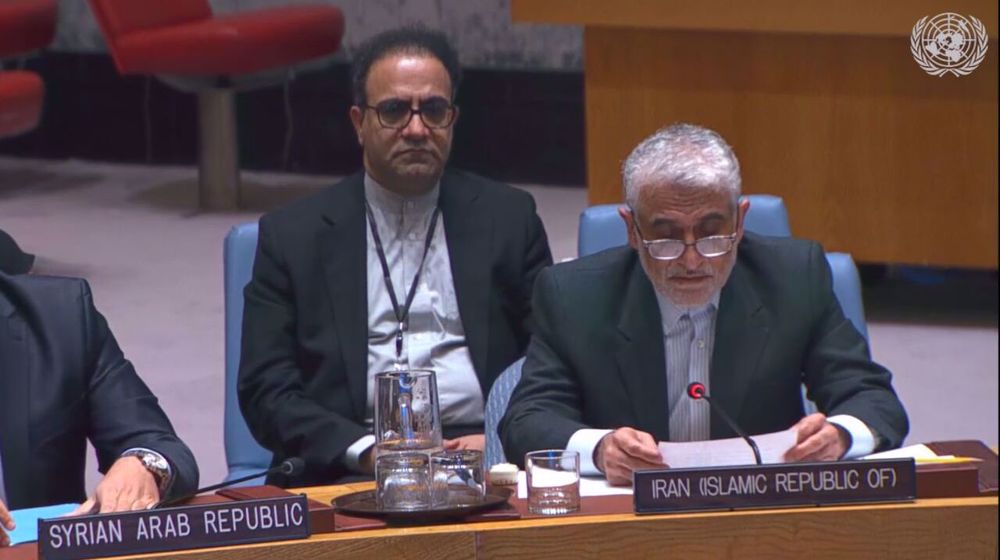
Iran has reiterated its unwavering support for Syria's sovereignty and territorial integrity, deeming any attempts to impose external agendas or fragment the nation unacceptable.
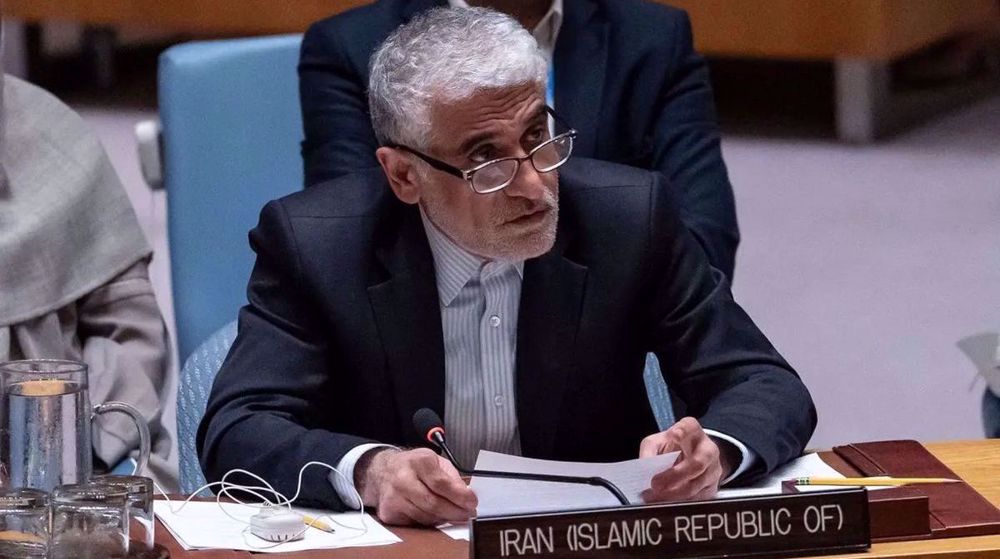
Iran's Ambassador to the UN, Amir Saeid Iravani, addressed a Security Council meeting on Syria on Thursday, expressing concern regarding agendas advocating for the federalization of Syria.
He noted that such aspirations could exacerbate fragmentation and reignite conflict within the country.
"Iran will continue to support the Syrian people and their efforts to restore peace, stability, reconstruction, and national reconciliation, in full alignment with the will of the Syrian people," Iravani stated.
He emphasized that lasting peace and stability can only be achieved through a Syrian-owned and Syrian-led political process, free from foreign interference and coercion.
"This process must be genuinely inclusive of all communities. Excluding key groups would only deepen grievances, undermine legitimacy, and risk destabilizing an already fragile situation," he remarked.
"Such a process must safeguard the legitimate rights and aspirations of all Syrians while preserving Syria’s sovereignty, independence, unity, and national institutions. In this context, we support the recent diplomatic engagement of the Special Envoy with Syrian authorities in Damascus concerning the inclusive political transition," he added.
Iravani also stressed that the UN Security Council must not overlook the ongoing destabilizing and aggressive actions of the Israeli regime in Syria.
He condemned Israel’s acts of aggression against Syria as blatant violations of international law and the UN Charter.
"Iran underscores that all foreign occupations must come to an end. Israeli acts of aggression, including repeated airstrikes on Syrian territory, represent clear violations of international law and the Charter of the United Nations. The Council must not remain silent on these violations," Iravani concluded.
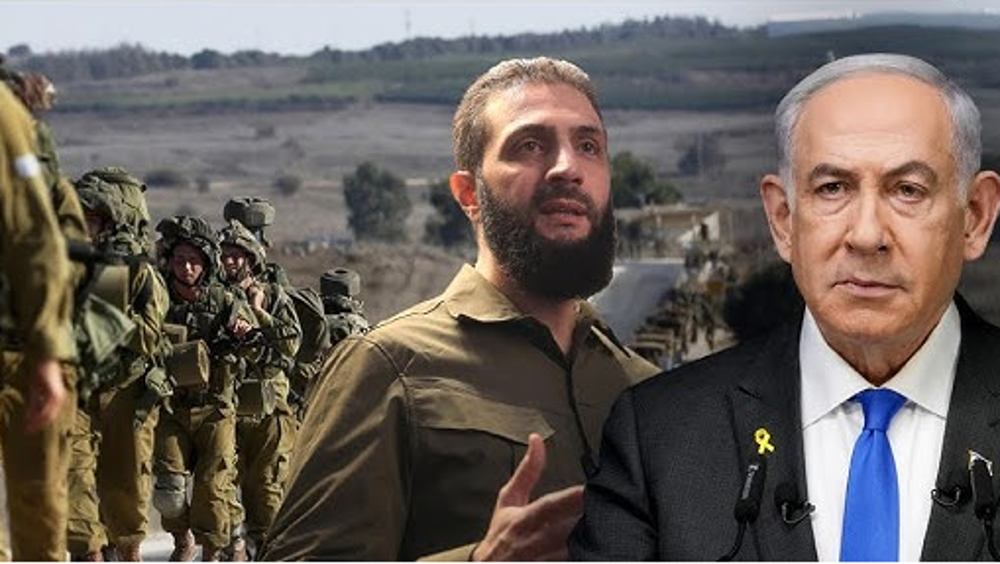
Israel has conducted repeated acts of aggression across the Syrian territory following the collapse of former President Bashar al-Assad’s government last year.
Israeli prime minister Benjamin Netanyahu has ordered his forces to push deeper into Syrian territory and seize several strategic locations.
Israel has expanded its military footprint in southwest Syria, conducting hundreds of airstrikes aimed at weakening Damascus’s capabilities under the HTS-dominated regime.
Israeli forces have deployed to at least nine posts deep inside southern Syria, mostly within the UN-monitored buffer zone, citing the need to counter Takfiri threats. However, this deployment serves as cover for a broader strategy of territorial expansion through both military aggression and settler incursions.
Iran strongly condemns US threat of sanctions against Oman
IRIB condemns killing of al-Alam journalist by Israel in southern Lebanon
Iran: US bears 'direct' responsibility for unlawful actions in Strait of Hormuz



Trump’s remarks on US-Iran talks ‘distortion of reality’: Report
Leader’s advisor: Iran remains formidable obstacle to US-Israeli malicious plans in West Asia
Iran says no final understanding with US yet, rejects Trump's 'language of must'
Iran, Oman FMs discuss administration of Hormuz Strait in ‘very productive’ call
Italy: Protesters stage nationwide strike, demand end to Israeli genocide in Gaza
US will not be allowed to control Cuba's destiny through coercion, military threats: Diplomat
Iran’s active role in Eurasian bloc reflects its strong commitment to development: President
Champions again: Iran women’s volleyball retains CAVA title


 PressTV NEWSLETTER
now
PressTV NEWSLETTER
now
 This makes it easy to access the Press TV website
