
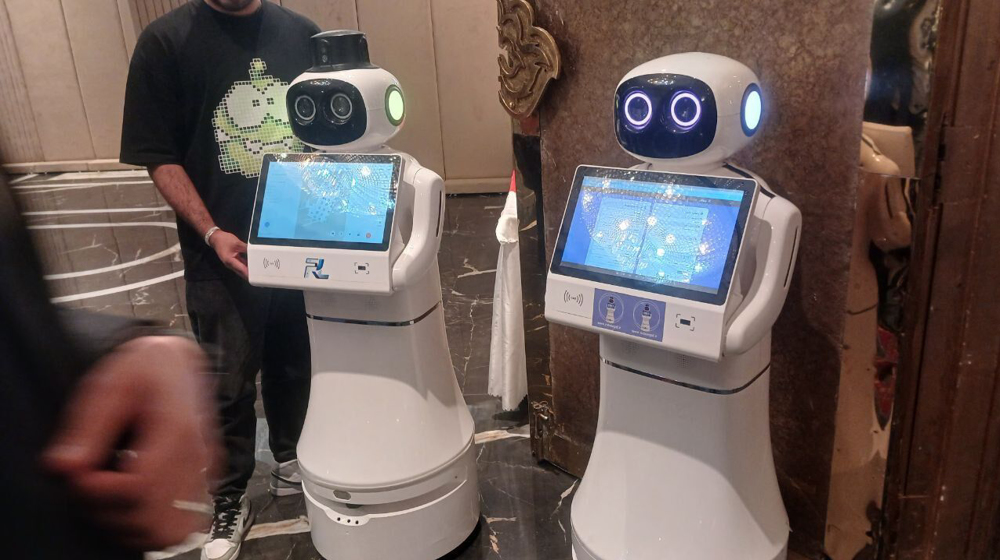
Iran has taken a big step forward by introducing its first AI-powered legal robot called “RoboLegal”, using smart technology to improve everyday services for its citizens.
This new technology is designed to help people get legal advice easily and quickly, allowing individuals with varying levels of legal knowledge to interact via voice or text.
Making RoboLegal easy to use means that legal help is now available to more people, including those who couldn’t afford it before or who live far from big cities. This helps create a fairer legal system where everyone has a chance to get advice.
People can ask their legal questions by typing or speaking to the robot, and it will give answers based on a large collection of Iranian legal cases.
RoboLegal shows how artificial intelligence can solve real problems and help millions of people in their daily lives. Using AI in the justice system is a smart move to make services faster, clearer, and easier to use.
The Iranian government has been working hard to make public services digital in areas like education, health, farming, and administration. Thanks to these efforts, new ideas like RoboLegal can grow and reach more people.
RoboLegal can also help judges and lawyers by handling simple tasks, speeding up court cases, and reducing costs. This means problems can be solved faster, which is good news for businesses and the economy since it reduces delays and uncertainty around legal issues.
What makes RoboLegal special is that it’s made to fit the country’s needs. Instead of using foreign technology that may not fully understand Iran’s laws and culture, the robot is built using local knowledge. This makes it very accurate and useful for people in Iran.
The innovation comes at a time when Iran’s tech world is growing fast. Many young people with good education are starting new companies and creating digital services in areas like online shopping, banking, and more.
Iran’s tech companies, especially small and medium-sized ones, are growing in areas like mobile apps, digital platforms, hardware, and internet services. These companies know what local users need and create products that fit well with Iranian culture, sometimes even competing well in the region.

Artificial intelligence’s role in Iran’s public sector is expected to grow rapidly beyond legal services. AI’s capacity to analyze large datasets, identify patterns, and automate administrative functions can revolutionize many government operations.
RoboLegal is a sign that Iran is becoming a center for innovation in West Asia. Despite challenges, the country’s technology sector is thriving thanks to talented people, good education, and a clear focus on using technology to improve society and the economy.
Iran’s growing digital ecosystem benefits from a vibrant startup culture characterized by agility and innovation.
The government currently offers 201 general public services and 734 specialized services electronically, covering areas such as judiciary, agriculture, education, healthcare, and culture.
Iran’s information and communications technology (ICT) companies continue to innovate across software, hardware, digital platforms, network services, mobile applications, and artificial intelligence.
The country hosts more than 45 Science and Technology Parks, 600 Innovation and Growth Centers, and numerous Innovation Factories—dynamic hubs where startups, investors, accelerators, and R&D labs come together to fuel innovation and growth.
Many small and medium-sized enterprises (SMEs) are focused on producing locally tailored digital products. Notable examples include Skyroom in online education, Digikala in e-commerce, and Cafe Bazaar in mobile app distribution, alongside numerous firms in digital health, fintech, smart insurance technologies, and smart city solutions. However, most innovative firms in the ICT sector remain startups and SMEs.
The rise of tech hubs within the country is helping to nurture this entrepreneurial spirit, encouraging further innovation and economic diversification.
RoboLegal can be seen as part of this broader technological momentum, exemplifying how Iran is leveraging AI not just for economic benefit but to address pressing social needs.
By improving access to legal information and reducing barriers to justice, the advancement aligns with global trends where technology serves as a bridge between governments and people, enhancing participation and fairness in public life.
The successful deployment and expansion of AI tools like RoboLegal could signal a new chapter in Iran’s digital transformation. As AI technologies become more embedded in public services, they can create more responsive and transparent governance.
 This makes it easy to access the Press TV website