Iran-E3 negotiations: 'Europe has to stop absurd double standards'
Welcome to Press TV’s show, unscripted.Today we have the pleasure of hosting Jeffrey Sachs, an American economist and public policy analyst who's a professor at Columbia University, where he was formerly the director of the Earth Institute.
He's also a bestselling author, innovative educator and a global leader in sustainable development, and he's internationally renowned for advising governments in Latin America, Eastern Europe, the former Soviet Union, Asia and Africa, on economic reform.
Jeffrey Sachs, welcome to unscripted.
Thank you very much; it is a pleasure to be with you.
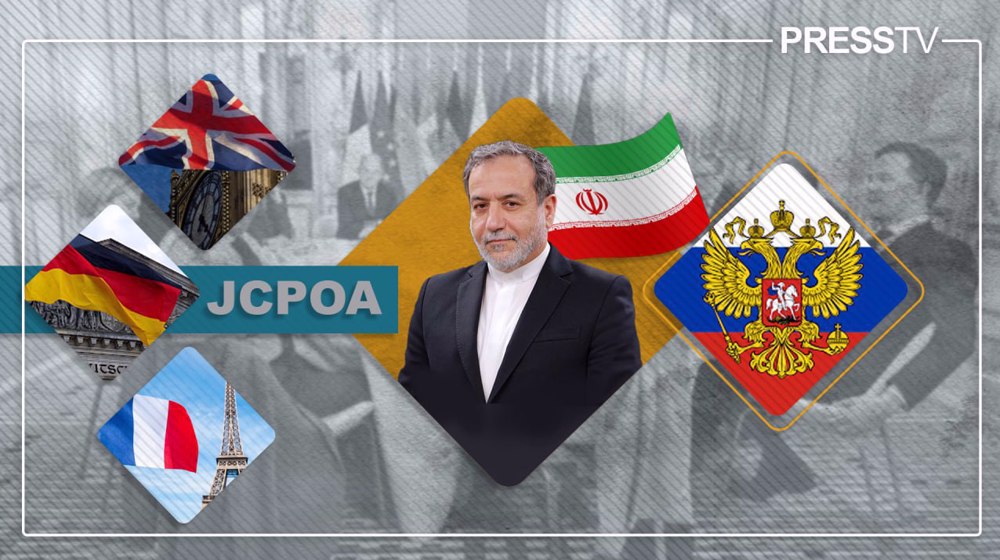
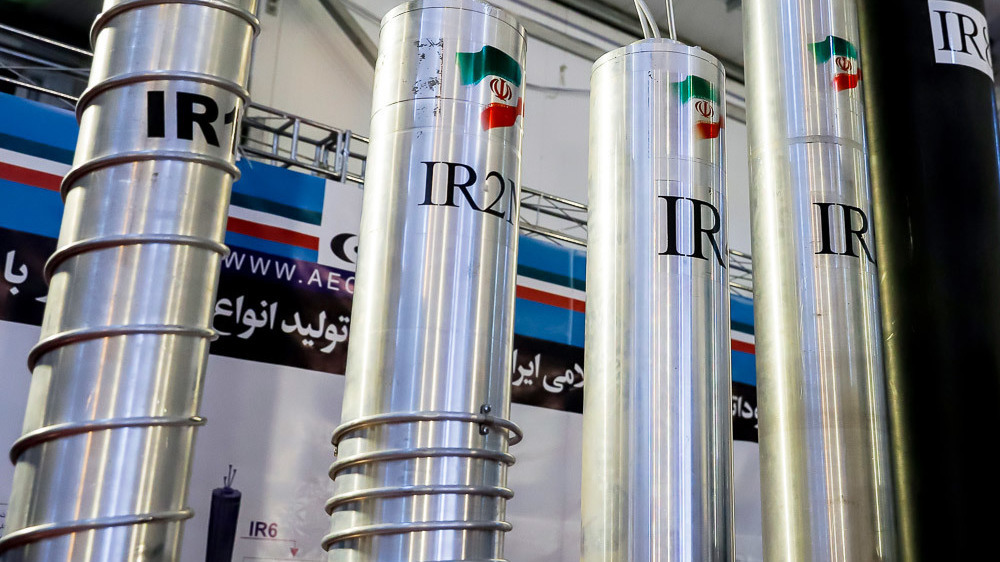
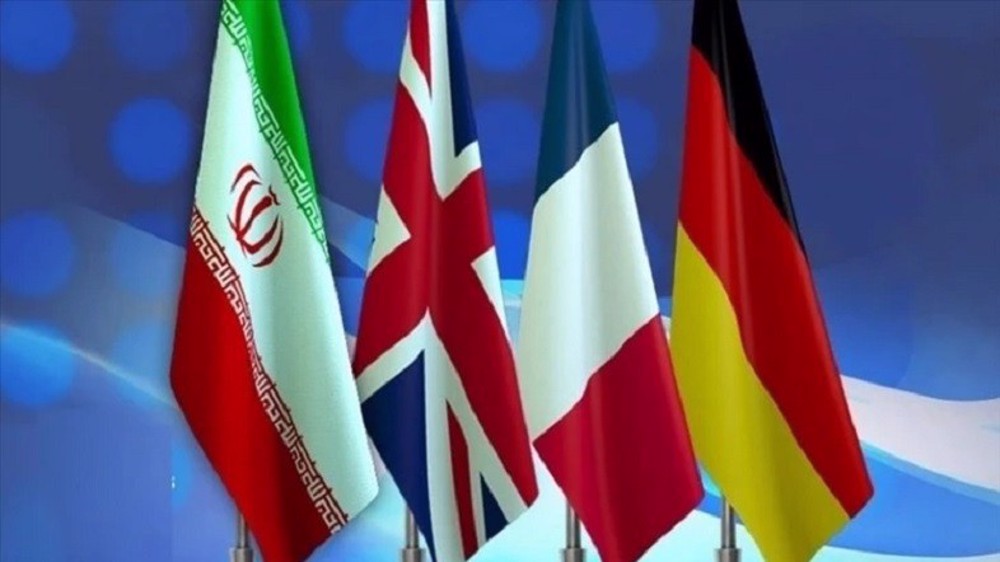
Let’s begin with the meeting between Iran and the E3 and the somewhat threatening tone that the E3 has used when it comes to the snapback. Having seen Iran's obvious nuclear advancements, they have used a threat in the negotiating tactic by saying that the snapback is going to take place.
What do you think will happen if the E3 decides to enable the snap back mechanism?
Well. I think Europe should gain some self-awareness and some sense in all of this. Iran, many European countries and the United States negotiated the Joint Comprehensive Plan of Action. It was the United States that broke that agreement, and so to blame Iran for that is absurd.
Then more recently, when the Trump government came to office, the Trump government said that it would try a new round of negotiation, ironically, since Trump was the one that broke the JCPOA, but in any event, they started a new round of negotiations.
Both sides, in several rounds, said there was promising progress. Then after the fifth round, the United States and Israel launched a war on Iran, and then the Europeans, I watched them at the UN Security Council, blamed Iran again.
So Europe has to stop its absurd double standards and recognize that Iran has tried the diplomatic course twice, both times it has been defeated in diplomacy.
Why doesn't Europe turn to the US and say, negotiate, be diplomatic? Stop making war on Iran. That's what should happen.
Professor Jeffrey Sachs, Columbia University

And one of the things that did happen, as you're well aware, is the fact that five rounds of negotiations had taken place, and then Israel attacked Iran, which was followed by the US bombing of three Iranian nuclear sites.
If the snapback does actually take place, it leaves Iran with one major option which is to drop out of the NPT, and that would mean no IAEA inspections, or inspections of any kind, similar to the way that the Israeli regime doesn't allow any inspections of its nuclear facilities, though undeclared. And of course, the Israeli regime is not a party to the NPT.
Do you think that that is an option that Iran may actually take?
Well, I think that if Iran is sanctioned for the fact that the US has broken diplomacy repeatedly, it pushes Iran closer and closer to countries that don't want to be bullied by the United States. And I think that the BRICS is part of that story.
Iran is a member of the BRICS countries. It will find allies in Russia, China and other countries and so Iran will have choices, but it will not be subservient to the US will.
Frankly, Europe is so sad and so pathetic, I have to say, Europe watches all of this. Europe did not break the JCPOA. It watched the United States break the JCPOA, but Europe is pathetic vassals of the United States, so it can't even say the truth for one moment that it was the US that did this.
And then when Israel and the US bombed Iran, I watched the UN Security Council session a couple of days after that, and all the Europeans threatened Iran if it retaliated.
Are you kidding? What kind of option is this? It is just brazen duplicity. This is not diplomacy.
I hope the Iranian negotiators will make clear that there has to be a single standard. I don't know whether anyone would listen, but that's the basic truth in this.
Professor Jeffrey Sachs, Columbia University
There needs to be a way for Iran to counter these threats to its national security from the US.
Some in Iran believe, based on the advancements it has made, that Iran has intense and extreme missile capabilities.
So what approach would Iran need to take in order to avoid conflict?
I still believe, although I'm just one of the only ones, but I still believe that there is the need and hope and possibility of a comprehensive peace in the Middle East and Western Asia.
And by that, I mean a peace in which there is a state of Palestine, established in short order, even in September, recognized and admitted to the United Nations, in line with the two-state solution ... Iran and the Arab League and the Organization of Islamic Cooperation generally recognize the state of Palestine, and say that on this basis all belligerency and militant groups should stop because there can be peace.
And on that basis, the Security Council [should] protect Iran from further attack by the United States and by Israel.
In other words ... we have a linked peace agreement in which Iran is made secure from further aggression by the United States and Israel, in which the two-state solution is implemented, in which ... on the basis of the two-state solution, any reasons for war in the region are ended, and non-state militarism can end as well.
In other words, I think that there is a basis for a sensible, rational, mutually respectful, peace, not only for security through armaments.
I'm a believer in diplomacy. I admit the track record is not very good, and I regard the United States as the biggest blockade to diplomacy in the world today, and think that's been true for decades, because the US is the most arrogant country in the world, that has been very powerful.
It doesn't have the power that it used to have, but it's still powerful, and it's very arrogant, and it believes in double standards at the core.
Now we're not going to have peace with double standards. We can only have peace with a single standard under the UN Charter and mutual respect. But that's what I would aim for.
Iran has many powerful supporters in the BRICS, I would say in particular Russia and China in the UN Security Council. And I also want all global pressure on the United States right now to recognize the state of Palestine and to lift the US veto on the membership of Palestine in the UN.
Because ultimately, these wars are Israeli wars of aggression, and Netanyahu's idea has been no compromise with the Palestinian people, but war everywhere in the Middle East where governments object to Israeli control over the Palestinians, and the US has backed up Israel until now, so I want the world to pressure the United States, stop being complicit in Israel's crimes, stop being complicit in Israel's wars, and on that basis, we can make peace, including security for Iran.
Professor Jeffrey Sachs, Columbia University
Well, Iran is in favor of diplomacy also, but with the whole notion of the -so-called] two-state solution there are some hurdles to overcome in order for that to happen.
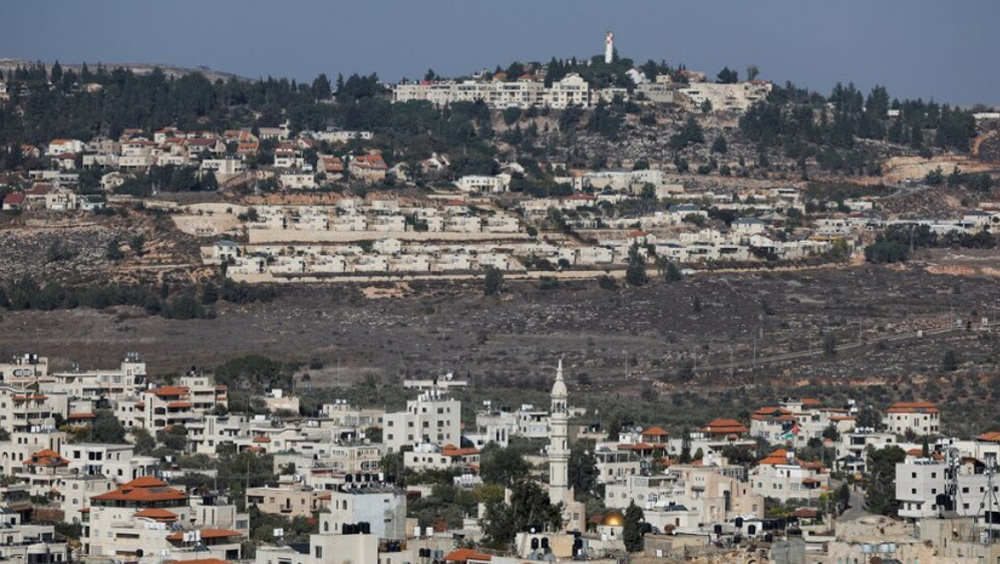
One such obstacle is the move that the Israeli regime made recently; cutting off the West Bank into two by the E1 settlement.
The finance minister, Bezalel Smotrich, was very proud of saying "we want to kill that idea of a two-state solution".
And then you have the other actors, the regional countries, Arab countries, which come out and obviously condemn the genocidal war. However, one should consider the leverage that the US has over Saudi Arabia, the UAE, or Jordan.
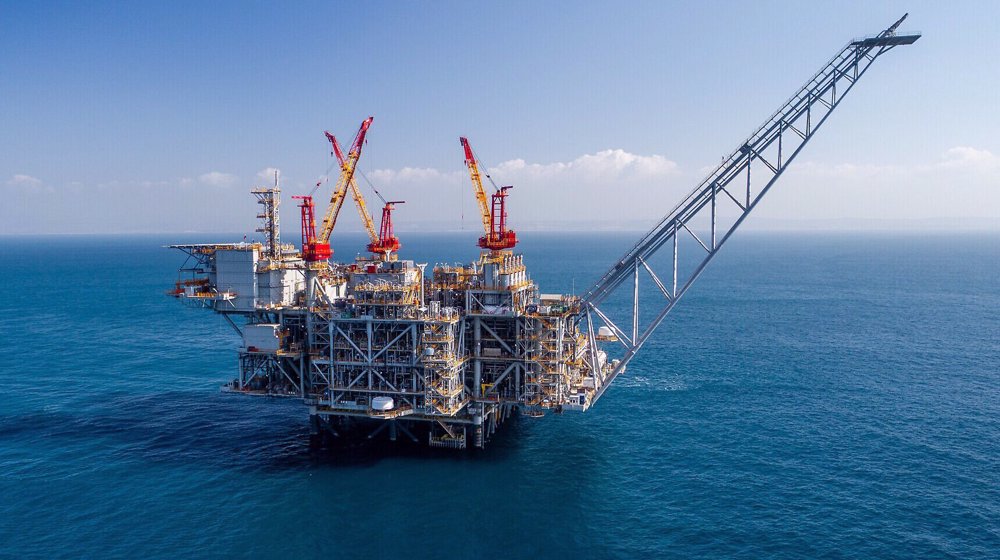
For example, Jordan and Egypt are given military assistance, I think over $3 billion each. You have $35 billion gas deal between Egypt and the Israeli regime.
They are economically intertwined with the US in terms of investments, military cooperation, and therefore that could be used as leverage by the US against them, in favor of Israel. Do you think that that is the case?
Well, of course it's the case. And let me be clear; Israel will never accept the two-state-solution it's got to be imposed on Israel. So I am not talking about negotiating with Israel. That's hopeless. I'm not talking about a peace process. I'm not talking about the Palestinians and Israelis negotiating and eventually reaching a peace. I'm talking about the world community, through the UN Security Council, imposing a peace, and the peace would be a state of Palestine on the borders of the fourth of June, 1967 with capital in East Jerusalem (al-Quds) and control over the Islamic holy sites. That's the deal imposed.
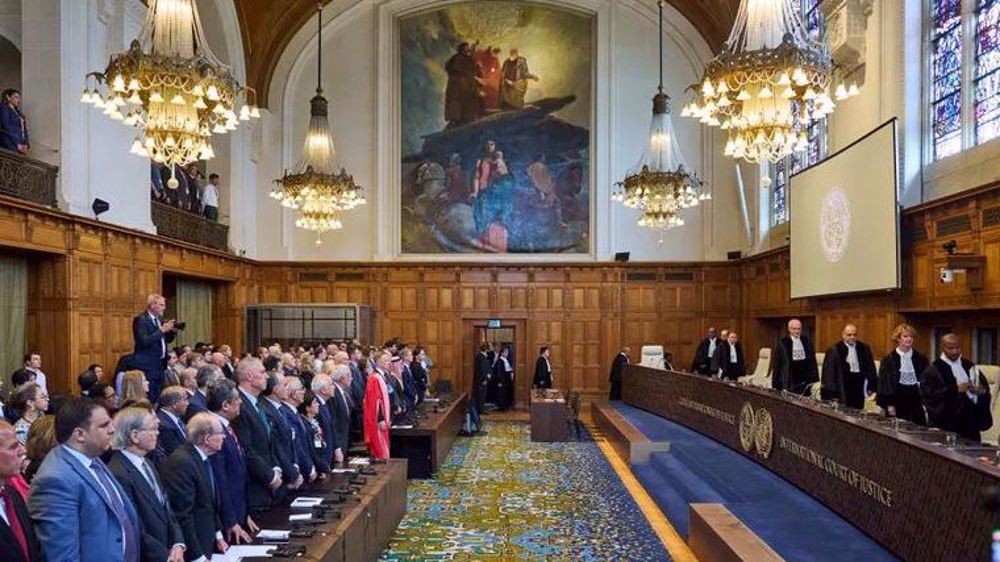
Now. Can that happen? I believe that it can happen because it is what is international law, the International Court of Justice declared last year unequivocally, very sharply, that Israel's occupation of Gaza, the West Bank and East Jerusalem (al-Quds), is illegal. The ICJ absolutely said that there needs to be Israeli withdrawal.
There was just a UN General Assembly meeting on implementing the two-state solution on July 29 at the UN, there is overwhelming global support for this. The only opposition, other than Israel, that matters is the United States.
Then comes the question, well, are the Arab countries so dependent on the United States that they can't lift their heads and say the truth? And of course, over the years, the answer has been, it's been very hard for them, but the truth is, the Arab League, the Arab countries, since 2002 have put forward the Arab Peace Initiative.
With Israel, openly committing genocide and mass starvation, the overwhelming majority of the world now understands the criminality of the Israeli ... [regime] and even countries that are staunch US vassal states, even I would say like Britain or Canada or Australia, in their usual foreign policy behavior, are saying no, we're going to recognize the state of Palestine.
I think in September, we could have dozens of countries that have not yet recognized the state of Palestine do so. There is a catch, though, which is to be a UN member state requires the vote of the Security Council, and the US has a veto.
So what I'm arguing is that the world community should point the finger, not at Israel, everyone understands that this is a radical, extremist, murderous, I would say, genocidal [regime] ... but point the finger at the United States. You are the one blocking peace. You have interests that are different from ongoing war and genocide, and I think that that's the case with the United States.
The American people are sick of this. They are supporting the Palestinian cause by roughly two to one. This is something new in American public opinion. Israeli behavior is so extreme and so criminal, it's turned the American public against Israel and in favor of Palestine.
So I think that there is more possibility right now. I don't doubt that the US has its pressure and arm twisting, and it's not just military supplies, its direct economic support.
But frankly, if the countries of the OIC, of the Organization of Islamic Cooperation, really understand world politics right now and understand the multipolar world right now, and understand the dynamics of the BRICS and understand the influence of other major powers, they have enough to get this done.
This is actually the truth. If Iran and the Arab League, the OIC, China, Russia, India, Brazil and others work together, it can get done.
Professor Jeffrey Sachs, Columbia University
This genocide that's happening has turned public opinion and some regional countries are shocked beyond belief.
I mean, when you take a look at, for example, this Israeli expansionism that's taking place on the notion of a greater Israel that involves a number of countries regionally.
These countries even include a signatory to the Abraham Accords, the UAE, but a country like Egypt or Saudi Arabia or Lebanon or Syria, these countries are part of that plan.
When dealing with that type of posturing and stance, Isn't it too optimistic to think that there can be a push towards the recognition of Palestine when you're dealing with Israel and the US?
Well, the only thing that keeps Israel able to do this is the United States.
So I acknowledge the question is will the United States persist in actions that are criminal, genocidal and completely against the wishes of the American people, against the interests of the United States and against the overwhelming voice of the world community.
My guess is that the United States can be shifted from this. The US likes to take comfort in its allies; in 'well, Europe is with us' and so on, but that cover is disappearing very quickly.
The United States is standing naked, alone in its complicity and genocide, increasingly by the day, and that means that there is more that can be done right now, but this is not the time for equivocating or to please Donald Trump or to soft pedal what is happening.
This is a mass murder underway, mass starvation before our eyes. So this is the time to rally governments around the world that we do not want and will not have a world in which mass starvation takes place in front of our eyes, on Tik Tok feeds, day by day of 2 million people, announced by the Israeli [regime] ... itself.
But my recommendation is that the finger should be pointed at the United States, because that is where the enabling of this is happening.
Professor Jeffrey Sachs, Columbia University
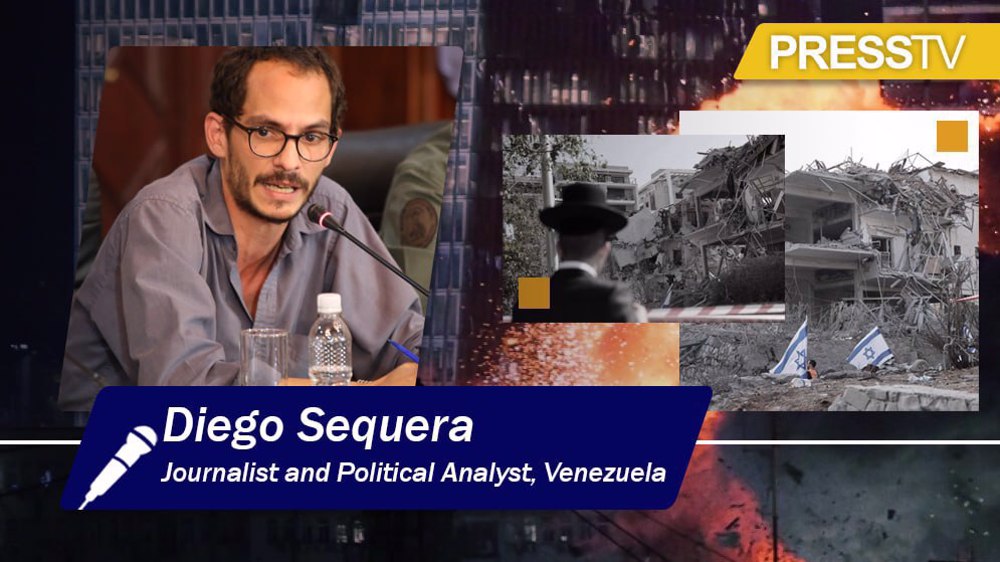
We are looking at a very tense situation with the 12-day Israeli aggression against Iran, and the possibility of another war breaking out between the Israeli regime and Iran.
Tell us first of all, what you thought about that 12-day aggression by Israel. What was it that Israel was able to achieve there?
Well, I don't think anything was achieved by Israel or the United States in those 12 days.
Of course, Israel succeeded, if you want to put that in quotation marks, in murdering a lot of people in Iran, lots of scientists, lots of political and military figures. Israel showed that Mossad is a murder machine. This is not exactly news, but it demonstrated its capacity for murder in Iran of senior people.
In terms of the real effects of the war, I think two things were the result of the war.
One is that it became clear that Iran can penetrate Israel's anti-missile defense system, and this happened repeatedly in major population centers, in Beersheba, in Tel Aviv in Haifa, frankly, Israel's so called Iron Dome, that's just one part of its system, isn't so iron after all, and there's no doubt that Iran could do truly grave damage to Israel.
One example of this was the hit on the Weizmann Institute, which basically destroyed the main building of Israel's premier scientific University. Iran has this capacity, without question, and that capacity will grow over time.
Second, Israel and the United States did not do anything decisive regarding Iran's choices regarding nuclear weapons. The bombing at Fordow and others did not stop the possibility, in any way, of Iran acquiring nuclear weapons, if it aimed to do so. So from a military point of view, this was a failure.
From a diplomatic point of view, it did two things. One, inside the United States, there was strong opposition to even the 12 days, within Trump's base and among the American people. Believe me, the American people are sick of this stuff, really sick and disgusted of these wars of choice. So there was no heroism and greeting Trump with accolades. Quite the contrary.
This was everything the opposite of what he promised. It just shows that he's completely beholden to the Israel lobby. So this was one implication, also that that was very powerful. In Israel people were shocked by the vulnerability of all of this.
It upended negotiations. It exposed the failure of the IAEA to be an honest multilateral agency, in this regard, the whole thing was a complete debacle, no strategic or even tactical benefits by Israel and the United States, but that will not stop them from doing this again if something doesn't advance on the diplomatic side. [
This has been Netanyahu's idea going back to 1996; he wants war with Iran. But of course, he understands what he wants is a total American war with Iran. He knows Israel can't do this. He wants the United States to go to war with Iran, just like he wanted the United States to go to war with Iraq.
I don't know about everybody. I'm sick of Netanyahu's wars, and I think I'm speaking for the vast majority of the American people, the guy should just shut up and stop dragging the United States into these wars.
Professor Jeffrey Sachs, Columbia University
It's interesting that there's a consideration that it is Prime Minister Netanyahu who is the driving force in all these aggressive military maneuvers inside the Gaza Strip and elsewhere.
When you mentioned the year 1996, you're referring to that strategy which was called "the clean break, a new strategy for securing the realm".
On close examination it appears that this was a US blueprint for the newly elected Prime Minister Netanyahu, in order to set up an American satellite state in the Middle East and West Asia.
So are we looking at him being directed by Washington that these are the types of things he should do, and in some sense taking directives from the US. But I'm sure the Prime Minister Netanyahu puts in his two cents when it comes down to a variety of things that are being done.
It's an interesting question. Who's using who? Was this the neocons using Israel, or is this Israel using the neocons? If I had to adjudicate between the two theories, I'd say it's Israel using the neocons, that this is an Israel agenda.
It's true, Clean Break was written with American advisors, but American advisors very close to the Israeli right wing. This wasn't, say, the Pentagon writing a blueprint for Netanyahu. This was a political plan written by American right wingers with Netanyahu to basically justify Netanyahu's political movement.
Remember the Likud in its founding charter in 1977 said, from the Jordan river to the sea, Israel will have sovereignty, and that is Netanyahu's goal since 1997 and no doubt before then, and his father's and and the tradition that he comes from politically.
So I think the clean break doctrine is basically a doctrine of the Likud extreme Zionist right wing movement. And the idea is very clear. The idea is Israel will keep control over all of what was the British Mandatory Palestine that will lead to opposition, including militant opposition by groups like Hamas and Hezbollah and others.
Outside governments will support those militant movements like Iran, but the list was much longer than Iran, like Saddam Hussein or Muammar Gaddafi and others, and then it is the job of the United States to get rid of those other regimes. That's the idea of Clean Break. In other words, full Israel control over Mandatory Palestine, or we could say today, permanent control over the occupied lands, kill the two-state solution, and the United States will be the agent of that militarily, and we know that there was a list of seven wars that were part of this idea that was concocted, probably, in the late 90s, but known immediately after 911, in 2001. That list was Lebanon, Syria, Iraq, Iran, Sudan, Somalia and Libya. And there have been wars in all seven countries now. this is the sense in which I think it's really Israel's agenda that the United States, for many reasons, has supported, but that it is a kind of Likud's agenda.
Does one think that America has some strong interest in preventing a state of Palestine and Gaza, the West Bank and East Jerusalem (al-Quds)? Of course, not. That would be both sensible according to international law and be irrelevant from America's interests. This is an extremist Israel agenda, not an American agenda. And the idea is that war is the way to bring it about.
Professor Jeffrey Sachs, Columbia University
You mentioned seven countries, Iran being one of them, but I think Iran is probably is going to be the most challenging.
The Iranian navy has just completed a naval exercise called 'Sustainable Authority 1404' in the Indian Ocean of the Gulf of Oman. This involved many different military maneuvers; Iran also tested a 20 meter missile capable of carrying a warhead of up to four tons, and other revelations of the military equipment that Iran has in its arsenal.
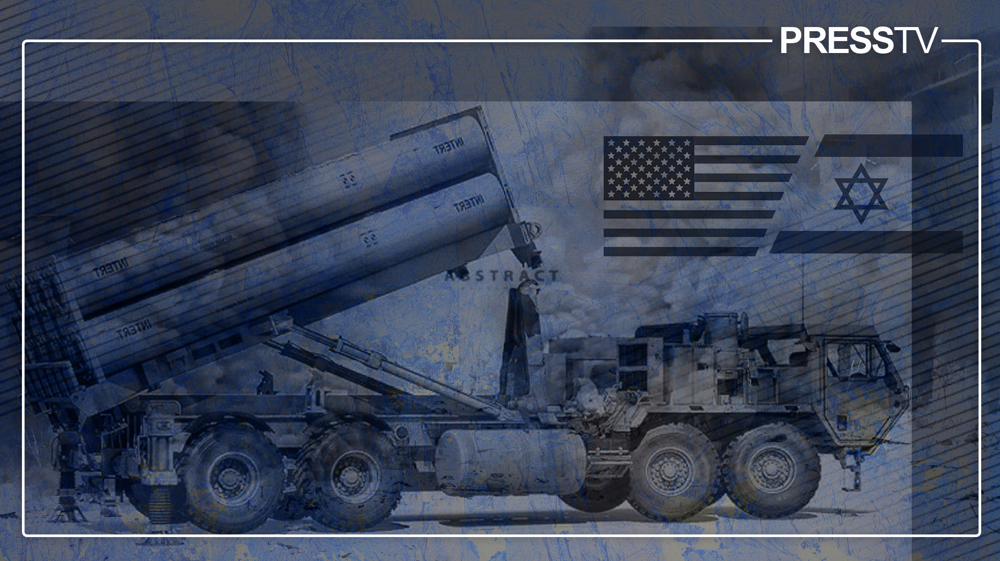
Given Iran's naval and military capabilities, combined with the Iron Dome's weakness, around 10 to 15% of Iranian missiles did make it through the Israeli missile defense shields.
The US, and by extension Israel, is having a hard time replenishing its THAAD missiles.
Do you think that there's still a possibility of another war involving Iran and Israel?
I'm not in inside the circle in the US thinking, in fact, I think it's well-known that I detest American foreign policy of the recent decades. I think it's been reckless and foolhardy and destructive and all the rest.
But if you ask me do I think that another war is possible, even in short order, I would say yes, for all the reasons that the 12-days attack occurred, and that is that Netanyahu wants a wider war.
Professor Jeffrey Sachs, Columbia University
Why was it only 12 days? What happened?
I think that, first of all, Israel was really getting very badly bloodied. And Trump was finding that this was politically extremely uncomfortable for him, very contrary to every commitment, very contrary to his base, contrary to his politics.
So I think Israel was hurting very badly. And I think Trump saw this is a dead end. It's not going anywhere. And Trump loves, of course, the surface show. So the bombing of the facilities allowed him to stop it.
But I don't think that there was any support inside for an escalation. And from Israel's point of view, this was extremely dangerous, because the missiles were getting through.
Professor Jeffrey Sachs, Columbia University
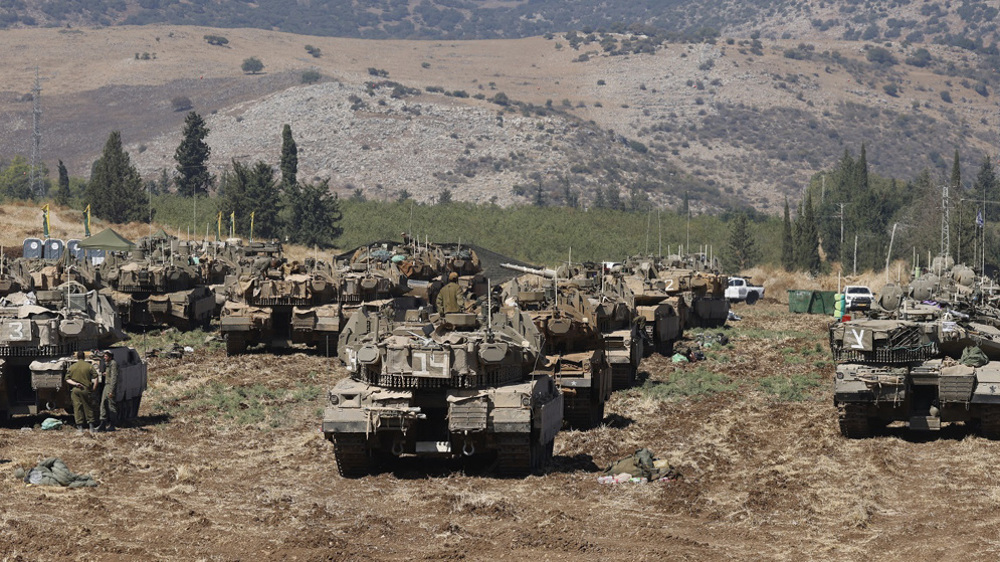
The Israeli regime, along with the US, is currently focused on the resistance groups in the region.
There is a real push to disarm the Hezbollah resistance movement in Lebanon. This is very controversial since it's well-known that Hezbollah serves as a deterrence against Israel. However, Hezbollah and its allies are much more than that.
Within Lebanon, it has a political block, and they're very well liked, particularly in southern Lebanon. What is going to happen there if this disarmament, which the Hezbollah Secretary General, Sheikh Naim Qassem has said, is not going to happen?
Israel has indicated that it may withdraw from Lebanon if Hezbollah disarms.
Some say that this may lead to an internal crisis which could spark a civil war, which the region certainly doesn't need. What is your take on that?
You know, I believe, and again, I'm not necessarily the majority view, I believe that peace is possible on the basis of mutual respect, political agreements, and, disarmament.
What I don't believe is that the demands for unilateral disarmament have any viability at all; to demand that Hamas disarm without an agreement on a state of power is not going to happen, to demand that Hezbollah unilaterally disarm without an Israeli withdrawal from Lebanon and a political solution is not going to happen.
But disarmament, I think, should happen, of non state actors, but in the context of a political resolution of the causes of conflict, the most important of which, in my opinion, is the lack of a state of Palestine. And that traces back to Clean Break.
The wars are, to a large extent, Israel's wars, and they're Israel's wars to try to enforce this so called Greater Israel concept, which is a terrible concept. So by ending the Greater Israel concept through the two-state solution, a lot of the motivation for war immediately ends as well.
It's not the only reason for these wars, and the issue, say, of the nuclear question with Iran is a real issue, but demanding one side to unilaterally succumb or submit to the other side is not peace. It's just the continuation of war such demands.
So that's why I believe we need political solutions at the core of all of this, not demands for cease fires or demands for unilateral disarmament or exchange of hostages or whatever it is. We need political settlements, and we need to talk directly and honestly about the politics that's involved.
Professor Jeffrey Sachs, Columbia University
And you know, what you just said is something that Iran's Leader actually said very recently, that the US wants Iran to submit, it is not about the nuclear question, it wants Iran to submit to the US diktats, in order for it to then listen to what US directives are.
Since around 1750, the European and US empires have had the idea that they can force the rest of the world to submit.
So this is the modus operandi of empire, and the US and Europe have been the empires that were dominant from around 1750 to 2000, so the mindset is a mindset of submission, forcing the other side to submit. It's not a mindset of respect, of multilateralism, of rule of law. This is what needs to change.
My argument inside the United States is we're living in an anachronism. The United States doesn't have the power or the interest to force other sides to submit, especially in this nuclear age. This is extraordinarily reckless and dangerous for the United States. It's not a sensible foreign policy.
So that's why I'm saying we have to end this idea of submission and return, or turn for the first time, maybe in centuries, to the idea of mutual respect.
Professor Jeffrey Sachs, Columbia University

What's going on between the US and China when it comes to the tariff war, the US is looking at China's growth economically, militarily, and it has said that It may enter some kind of war with the US, even though in some respects it may be losing this tariff war.
What is the real goal behind this projected war? Could it be because, technologically, the US has fallen behind China, due to the variety of advancements made in the AI field, for example, and that the US needs to catch up?
Could that be the real reason behind this US militaristic approach to China?
There's no doubt that the US cold war on China started around 2015 with the idea that the US needed to contain China using a game plan that the US had used to "contain the Soviet Union", and that meant through a variety of tools, including embargoes on technology exports, trade barriers, trade relations with other countries, to exclude China, military bases around China and so on.
So it's a multi instrument approach that was spelled out in 2015; it's not working. China is too big to contain. It's too successful. It's too innovative. It's too hard working.
Where do things stand right now? The United States and China may be roughly on par on technology, but China is way ahead on production. This is the real point. China's industrial base, in operational terms, is far ahead of the United States, even though, in the technology level, they're competing with each other.
But in actual production facilities, and this is almost across the board in industry and especially in advanced manufacturing, China is just a larger scale. It dominates in all the green energies. It dominates in electric vehicles. It dominates in fourth generation nuclear, it dominates in so many areas in actual production.
The United States can't really impose its will, and when the US put the trade war on China a few months ago, it lasted two days. China said, okay, you don't get rare earth magnets. Oh, my God, this is going to stop American industry. And so they immediately postponed.
Trump is now saying, unless you give us rare earth magnets, I'm putting on a 200% tariff. It's not exactly a show of strength, I have to say it's a kind of show of desperation. So it's a foolishness.
The United States shouldn't be in this war. China is successful. It's not a threat to US security. It's a challenge to US competitiveness, because China works hard and it's very clever, and it's doing very, very well. But it's not a threat to us security and the United States should drop the idea completely of "containing China".
Professor Jeffrey Sachs, Columbia University
Jeffrey Sachs, thank you so much for this interview. We do appreciate it. Giving us your time and insights. Thank you so much.
Great pleasure to be with you. Thank you.
Professor Jeffrey Sachs, Columbia University
Trump’s Iran gamble turns into a search for an exit
Jordan: The Kingdom of repeated compromise
President Pezeshkian UN speech



‘Cut off funding’: US lawmakers lash out at Trump for war on Iran, price increases
VIDEO | Press TV's news headlines
VIDEO | Hudaydah residents vow resistance, back Yemeni army
VIDEO | France school protests rage on as students decry police repression
Zionist settlers murder 19-year-old in West Bank amid record surge in violence
Saudi airstrikes intensify as Yemeni army advances toward Taiz
VIDEO | On Non-Violence Day, Gazans still suffer Israeli brutality
Iraqi resistance official hails public defiance that broke US siege on Najaf-Iran flights


 PressTV NEWSLETTER
now
PressTV NEWSLETTER
now
 This makes it easy to access the Press TV website
