Iran’s bold vision to transform deserts into fertile lands
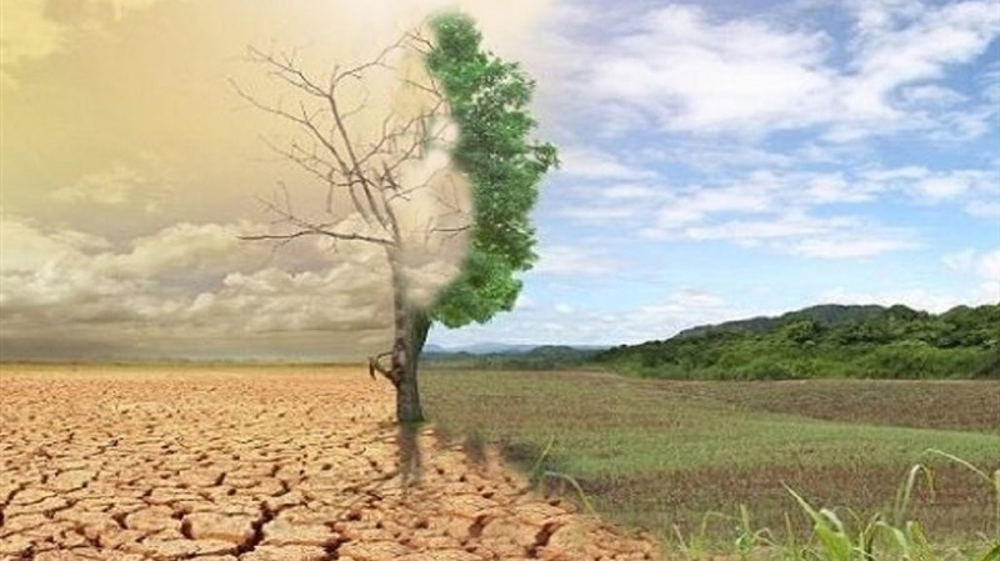
A gathering of scientists, policymakers, and innovators in Tehran on Monday unveiled a groundbreaking vision that could redefine the future of agriculture in Iran.
At the annual summit titled “Achievements and Future Plans of the Food and Agriculture Knowledge-Based Economy Development Headquarters,” the focus was on harnessing cutting-edge technology to transform barren deserts and saline wastelands into fertile grounds for crops.
Officials of the Secretariat for the Knowledge-Based Food and Agriculture Economy under the Vice Presidency for Science and Technology announced that Iran has begun pioneering efforts to apply advanced agricultural know-how to reclaim vast stretches of uncultivated land.
These efforts are inspired by successful pilot projects in China, where similar technology turned shifting sands into viable soil.
Encouraged by promising results from trials at the University of Tehran, plans are underway to establish a dedicated experimental station in the province of Qom, aimed at strengthening the nation’s food security in an era of climate uncertainty.
Iran’s geographical kinship with China, lying along comparable climatic belts, lends this venture additional promise.
Notably, China and Saudi Arabia have recently succeeded in converting vast deserts into productive farmland by using innovative soil regeneration techniques. Iran, eager to replicate and adapt these successes, is embarking on this path with a sense of urgency and hope.
Desertification looms as one of Iran’s gravest environmental challenges. More than 60 percent of the country lies within arid and hyper-arid zones — landscapes where traditional farming is nearly impossible.
Environmental experts warn that if current trends of climate change and human intervention persist, Iran risks becoming a vast desert within just over a century and a half.
Public perceptions of agriculture in Iran often confine it to lush rural valleys or open fields. But Iran’s untapped potential lies in its deserts, saline plains, and coastal zones — environments once thought inhospitable to farming.
Today, emerging technologies offer new hope of transforming sand into soil, and deserts into cultivable lands that can sustain crops. These scientific breakthroughs could turn the tide on desertification and usher in a new era of agricultural resilience.
The Vice Presidency’s program for 2025 dedicates a special focus to “Agriculture of the Future,” emphasizing two pillars: new environments and novel crops.
Without swift implementation, the nation’s food security faces increasing threats, as existing farmlands alone cannot meet rising demands. Science and technology stand as the keys to unlocking Iran’s dormant agricultural potential.
One flagship initiative involves converting sandy deserts into arable soil while preventing erosion and halting the advance of dust storms.
This venture, led by knowledge-based enterprises under the guidance of the scientific secretariat, includes creating desert forest parks to green the arid regions, cultivating orchids in harsh desert conditions, and employing satellite data to issue early warnings for dust storms.
In creating desert forest parks, Iran aims not only to expand green spaces but also to restore ecological balance in barren areas. By transforming sand into fertile soil, it can significantly increase the land available for farming.
In the city of Behshahr, greenhouse projects have successfully grown orchids, cacti, and even cactus fruit — crops previously unimaginable in such environments. Another promising agricultural experiment is the cultivation of caper plants in western Iran’s dry climate, a hardy species with medicinal qualities and economic potential.
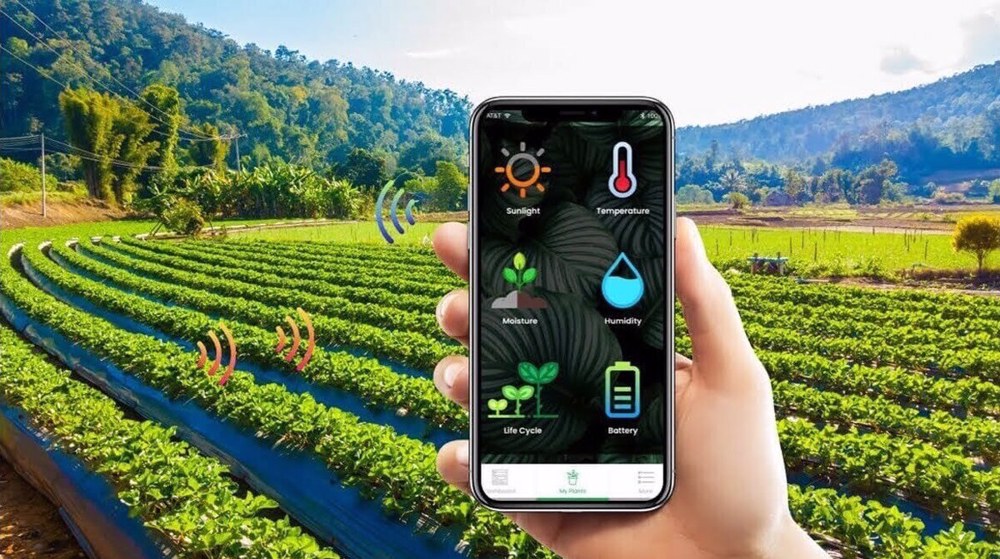
A pivotal innovation driving these advances is a biodegradable “plant glue” developed by Chinese scientists. Derived from plant cells, this adhesive enables sandy soils to retain water, nutrients, and microbes essential for plant growth.
Originating in 2008, the material has reportedly undergone rigorous testing, including large-scale trials across diverse deserts in Inner Mongolia, Xinjiang, and parts of West Asia. The compound can convert sand into fertile soil within seconds, making the process environmentally safe and scalable.
Between 2013 and 2015, researchers successfully extracted this compound and tested it in simulated desert conditions in Chongqing, China. The substance has since been certified non-toxic by credible institutions, bolstering confidence in its broad application.
Field trials from 2016 to 2020 covered over 1,300 hectares across desert regions, including Iran’s own arid zones, confirming the technology’s adaptability and efficacy.
This fast and straightforward soilification process holds immense promise for combating desertification, curbing soil erosion, and controlling dust storms — environmental scourges that threaten not only Iran but many regions around the world.
The economic ramifications are substantial. Expanding arable land could boost domestic agricultural output, reduce reliance on imports, and improve Iran’s trade balance.
Building a knowledge-driven desert reclamation sector also promises high-skilled jobs, fosters entrepreneurship, and strengthens the innovation ecosystem.
Iran’s strategy marries environmental protection with economic growth. Halting desertification and rehabilitating degraded land avoids costly impacts on health and infrastructure linked to dust storms.
In sum, Iran’s desert reclamation plan represents a forward-looking economic strategy leveraging scientific innovation to tackle urgent environmental and food security challenges.
By greening its deserts, Iran aims to build a more sustainable, prosperous future, safeguarding millions of livelihoods.
Remembering Martyr Leader’s legacy of defeating the politics of hunger
Iran set for economic rise without anyone's permit

Iran, Pakistan forge blueprint for Islamic economic integration



One-third of Americans believe Israel has committed genocide in Gaza: Poll
VIDEO | Tehran and Qom witness massive funeral processions for martyred Leader
Pezeshkian, Iraqi PM attend official reception for martyred Leader in Najaf
VIDEO | Large funeral turnout strengthened legacy of Iran's martyred Leader
VIDEO | Press TV's news headlines
President Pezeshkian arrives in Najaf ahead of funeral ceremony for martyred Leader
US provocations in Strait of Hormuz to be met with swift, decisive response: Source
‘People of Iran have spoken’: Netizens astonished by scale of funeral for Iran’s martyred Leader


 PressTV NEWSLETTER
now
PressTV NEWSLETTER
now
 This makes it easy to access the Press TV website
