Turning tide with technology to transform Iran’s aquaculture
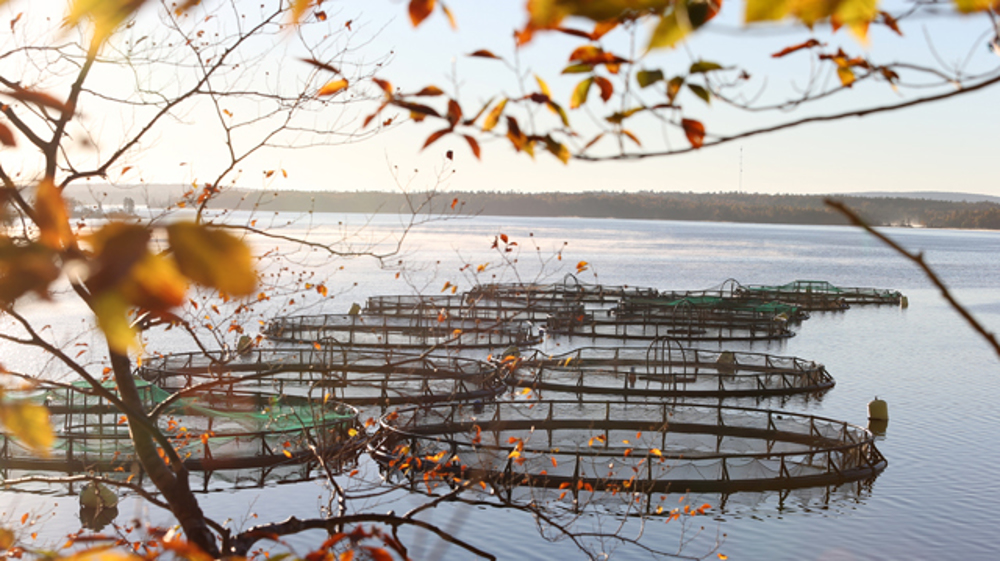
Iran’s fisheries sector stands as a crucial pillar in the country’s food security, economy, and rural development.
With access to vast water bodies—the Caspian Sea to the north, and the Persian Gulf and Gulf of Oman to the south—Iran holds immense potential to expand its fisheries and aquaculture industries.
However, this potential is challenged by declining fish stocks, water pollution, climate change, and limited resources. Still, recent technological innovations and targeted government policies are paving the way for a more sustainable and productive future for the sector.
Fisheries play a significant role in providing protein for millions of Iranians, supporting livelihoods especially in coastal and rural communities, and contributing to Iran’s export earnings.
Official figures indicate fisheries exports hover between $500 million and $700 million annually. These numbers clearly highlight the economic weight of the sector.
One of the most pressing challenges in Iranian fisheries is the decline of wild fish stocks due to overfishing and unsustainable fishing methods. This not only reduces the availability of natural fish but also disrupts the delicate balance of marine ecosystems.
The introduction of invasive species and environmental changes further threaten native populations. Pollution from factories, farms, and urban runoff contaminates fishing waters, lowering water quality and harming both fish health and consumer safety. These environmental pressures create serious obstacles for the industry’s long-term viability.
Climate change is an emerging concern as well. While Iran has so far avoided major production declines linked directly to climate shifts, global warming, ocean acidification, and changing currents are expected to influence fish migration patterns and biodiversity in the coming years.
This calls for adaptive management approaches and continued research to anticipate and respond to these changes effectively.
In response to these challenges, Iran is embracing innovative aquaculture technologies to increase productivity and sustainability. One such technology gaining momentum is the use of closed recirculating aquaculture systems (RAS).
These systems recycle water within contained environments, dramatically reducing the need for freshwater—a critical advantage in Iran’s arid and semi-arid regions. RAS allows fish farming to continue even where freshwater resources are limited, while minimizing pollution risks and disease outbreaks.
Alongside RAS, Iran is exploring integrated approaches combining aquaculture with saline agriculture. The cultivation of salt-tolerant plants alongside fish farming opens new opportunities to utilize saline lands and water resources, particularly in desert areas such as Yazd, Kerman, and parts of Khorasan.
These saline farming systems create a sustainable synergy, producing biomass and aquatic products simultaneously and helping to mitigate the impacts of soil and water salinity.
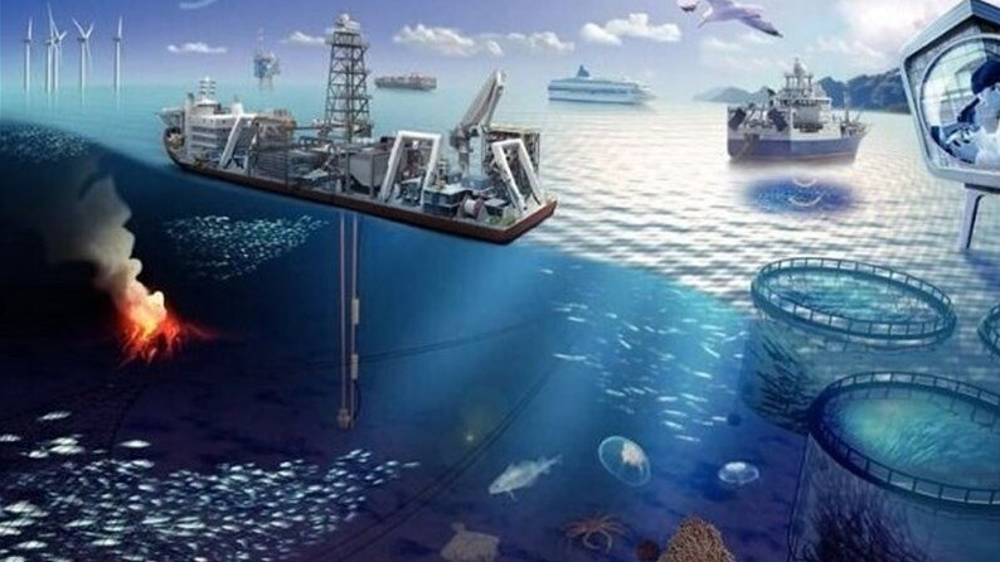
Iran is also making strides in offshore aquaculture, with cage farming projects underway in the Caspian Sea and Persian Gulf.
These initiatives aim to shift some production from freshwater farms to marine environments, thus reducing the pressure on scarce freshwater sources and enabling larger-scale production.
This approach aligns well with national priorities to build a “blue economy,” which emphasizes sustainable use of marine resources to foster economic growth, job creation, and export expansion.
Government commitment to developing fisheries is reflected in strategic documents like the Seventh Five-Year Development Plan. The Ministry of Agriculture and related institutions have increased investments and support for the sector, recognizing its potential to boost rural incomes and contribute to national food security.
This political backing is essential to unlocking private sector investment, enhancing research capacity, and ensuring institutional coordination.
Export performance demonstrates both promise and room for improvement. Although official export values are encouraging, Iran has yet to fully tap into global seafood markets.
Iran’s marine aquaculture potential is underscored by its rich biodiversity. Over 900 marine fish species are found in southern waters, and more than 80 species inhabit the Caspian Sea, many of which are suitable for cage culture.
National research institutions have made strides in broodstock development, breeding, and feed formulation, building the foundation for scaling up marine aquaculture operations.
Current marine cage culture production, though modest—around 6,700 tonnes in marine environments and 4,100 tonnes from freshwater cages—has been steadily increasing in areas such as the Persian Gulf, Sea of Oman, and Caspian Sea.
In summary, Iran’s fisheries sector is at a pivotal moment. Environmental challenges and resource constraints pose serious risks, but the sector’s geographic advantages, combined with technological innovation and strong policy support, offer a path to revitalization.
The move toward advanced aquaculture systems, saline agriculture integration, and offshore farming projects signals a shift to smarter, more sustainable production methods.
With continued investment, transparent governance, and a focus on quality and sustainability, Iran’s fisheries can meet growing domestic demand, increase exports, and improve livelihoods for coastal communities.
In a world facing climate change and resource scarcity, the sector’s success will depend on its ability to adapt and innovate while preserving the health of aquatic ecosystems.
Iran’s fisheries sector exemplifies the country’s efforts to balance tradition with modernity, combining centuries-old fishing knowledge with cutting-edge technologies to ensure a sustainable future.
Its future is one of cautious optimism, offering hope for a vibrant, sustainable industry that supports both the economy and the environment for generations to come.
ECO can play greater role in regional peace, economic integration: Araghchi

Iran says international flights continue despite US sanctions pressure
Iran slams US for blaming Tehran over rising fuel prices, Strait of Hormuz closure



Hezbollah leader: Resistance will continue until ‘complete expulsion’ of Israeli forces
VIDEO | 'Nasrallah brought Palestinian issue back to the core of international issues': Hamas
Plans to Judaize occupied al-Quds and al-Aqsa Mosque will fail: Hamas
Saudi attacks on market in Yemen's Ta’iz leave 50 killed, injured
Iran will shape region’s security future as US exits: Top military adviser
Irish goalie’s withdrawal from Israel match turns personal choice into a statement of conscience
Iran Army vows stronger response to any renewed US aggression
IRGC captures second US underwater drone in Strait of Hormuz


 PressTV NEWSLETTER
now
PressTV NEWSLETTER
now
 This makes it easy to access the Press TV website
