Hawaii resuming nuclear attack siren tests amid N Korea threat
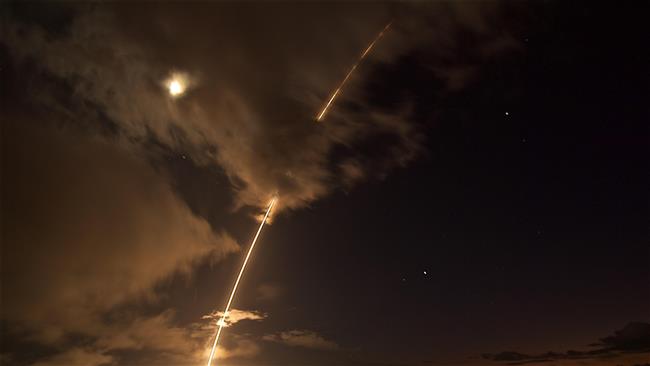
The US state of Hawaii is resuming monthly statewide testing of its Cold War-era nuclear attack warning sirens for the first time in almost three decades, amid escalating tensions between the United States and North Korea.
Emergency management officials in Hawaii said on Monday the state is restarting the practice in preparation for a potential nuclear missile attack from North Korea, Reuters reported.
The officials added that wailing air-raid sirens from more than 400 locations across the central Pacific islands will be sounded for about 60 seconds starting at 11:45 a.m. on Friday.
These tests of the nuclear attack siren, discontinued since the 1980s when the Cold War drew to a close, will be repeated on the first business day of each month, they said.
The monthly tests are being reintroduced in Hawaii in line with public service announcements calling on residents of the islands to “get inside, stay inside and stay tuned” if they should hear the warning, the officials noted.
“Emergency preparedness is knowing what to expect and what to do for all hazards,” Hawaii Emergency Management Agency chief Vern Miyagi said in a video message posted online. The official did not mention North Korea specifically.
But the nuclear attack sirens are being reactivated in light of recent tests of intercontinental ballistic missiles from North Korea which are capable of reaching the state, according to Hawaii Emergency Management Agency spokeswoman.
The US Air Force has also reportedly placed its fleet of B-52 bombers rigged with nuclear weapons on 24-hour alert for the first time since 1991.

The B-52 can fly up to about 50,000 feet and at subsonic speeds, and it has the ability to carry and fire a variety of weapons, including cluster bombs, gravity bombs and precision guided missiles.
The long-range bomber is capable of carrying up to 70,000 pounds (32,000 kg) of weapons, and has a typical combat range of more than 8,800 miles (14,080 km) without aerial refueling. It can also unleash both nuclear and precision-guided conventional ordnance.
The White House has already warned the United States is ready to use its nuclear weapons against North Korea if the country continues to threaten Washington or its allies, amid escalating tensions between the two countries.

The North Korean leader has ordered the production of more rocket warheads and engines, shortly after the United States suggested that its threats of military action and sanctions were having an impact on Pyongyang’s behavior.
Pyongyang says it will not give up on its nuclear deterrence unless Washington ends its hostile policy toward the country and dissolves the US-led UN command in South Korea. Thousands of US soldiers are stationed in South Korea and Japan.
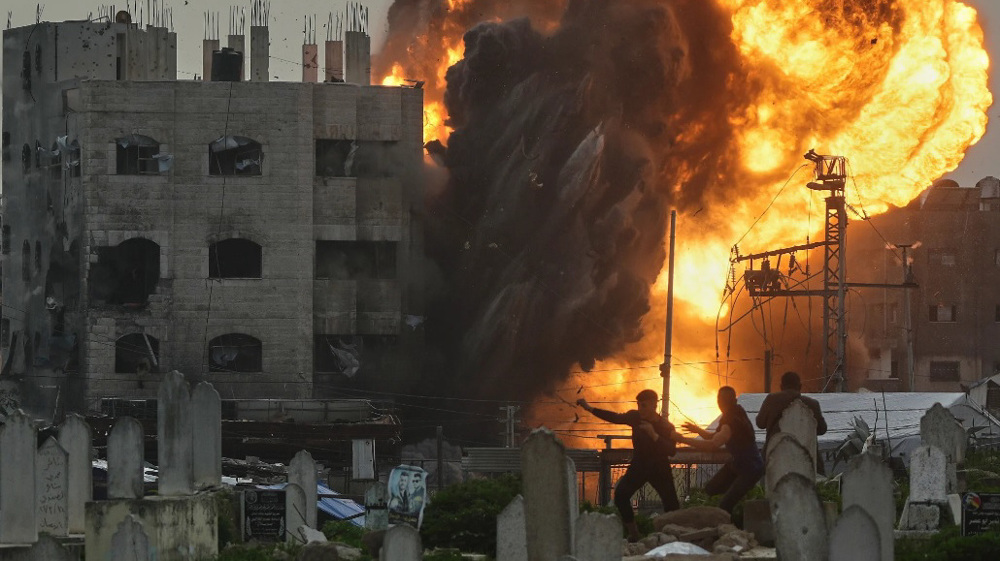
US congresswoman urges end to arms transfer to Israel amid Gaza genocide
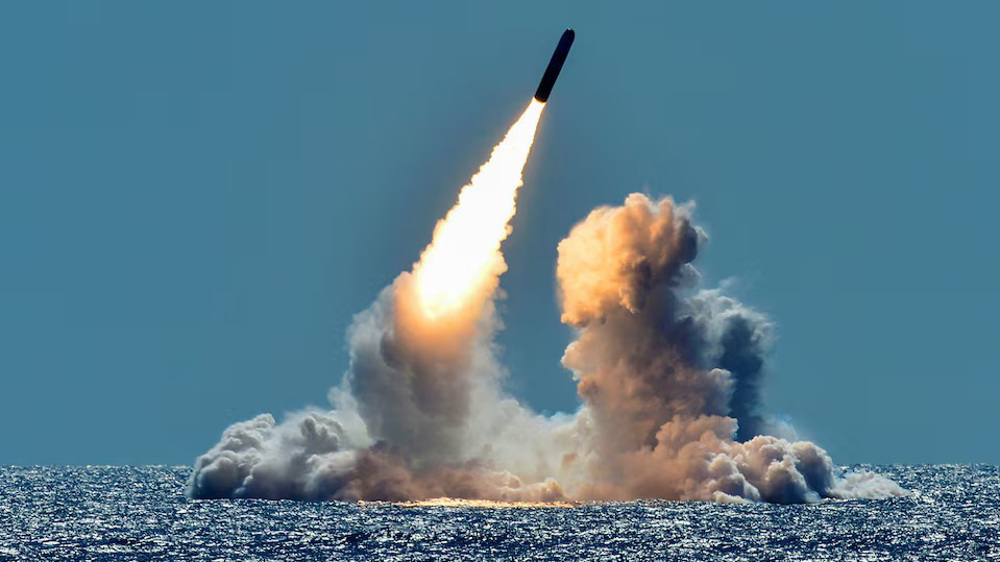
US-Russia nuclear limits end as New START treaty expires
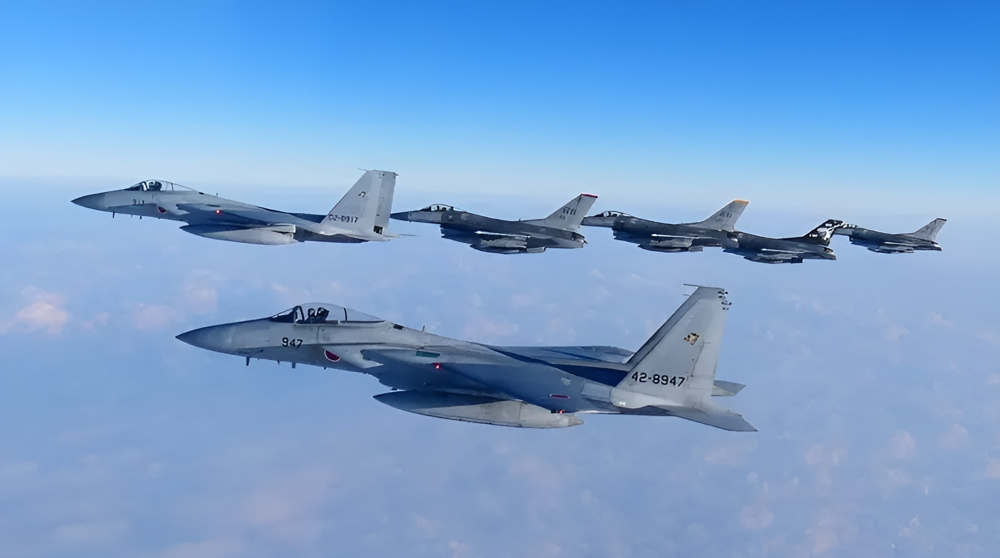
US approves $3 billion deal for sale of F-15 equipment to Saudi Arabia



Norwegian ambassador resigns over expanding Epstein-linked scandal
Russia will not launch attack on Europe unless struck first: Lavrov
Israeli forces kill three Palestinians, including teen, in raids across Gaza
Israel finalizes execution plans for Palestinian abductees after Knesset vote: Report
VIDEO | Press TV's news headlines
VIDEO | Pakistan mosque attack in Islamabad sparks protests in Kashmir, Kargil
Hamas condemns Israel's 'fascist settler-colonial' project aimed at annexing West Bank
Iran's Greco-Roman wrestling team wins championship title at Zagreb Open 2026


 PressTV NEWSLETTER
now
PressTV NEWSLETTER
now

 This makes it easy to access the Press TV website
