Biggest crackdown on trade unions in 30 years
The British government is to undertake the biggest crackdown on trade unions in 30 years, according to new reports.
The new plans include preventing union funds from reaching the Labour Party, criminalizing picketing and permitting employers to hire strike-breaking agency staff.
The proposal, which has been likened to the one introduced in 1985, will request at least 40% of votes by those asked to take part in the case of public sector strikes. For example, if 100 teachers request a strike, it would be illegal to do so unless 50 teachers voted and 40 of those backed the motion.
“This is the biggest attack on trade unions’ rights in this country for a generation to organize and resist. It is clear, on which side the government is, in terms of disputes between workers and the police. This attack on trade unions has come from a government that wasn’t elected with over 50% of electorate voting for the two parties. So this is a hypocrisy in the rank, a double standard”, Max Watson, Branch Secretary of UNISON, London Metropolitan University told Press TV.
Business secretary, Sajid Javid is also expected to propose giving government powers to fine trade unions as much as £20,000.
The Conservative government expressed concern over strikes which have recently affected the country, including the London Underground strike which took place last week, as well as railways and teacher’s strikes. Working days lost to strikes amounted to 704,000 in the 12 months to April 2015 while an average 13m were lost in strike action in the 70s.

Paul Kenny, the GMB general secretary said: “When workers jump through draconian hurdles for their vote for strike action to be lawful, the employers can then ignore the will of their own workers. Workers will have to give employers 14 days’ notice of strike action. That is more than enough time for employers to legally hire another workforce to break the strike.”
Javid said: “Trade unions have a constructive role to play in representing their members’ interests but our one-nation government will balance their rights with those of working people and business...These changes are being introduced so that strikes only happen when a clear majority of those entitled to vote have done so and all other possibilities have been explored...This will deliver a key commitment we made in our manifesto.”
“This attack on the trade unions’ right to resist is an attack on our democratic human rights. The government is actually worried about anti-austerity protests”, Watson said.
The employment minister, Nick Boles, said: “People have the right to expect that services on which they and their families rely are not going to be disrupted at short notice by strikes that have the support of only a small proportion of union members...These are sensible and fair reforms that balance the right to strike with the right of millions of people to go about their daily lives without last minute disruption.”

Two Palestine Action hunger strikers hospitalized amid rising health concerns
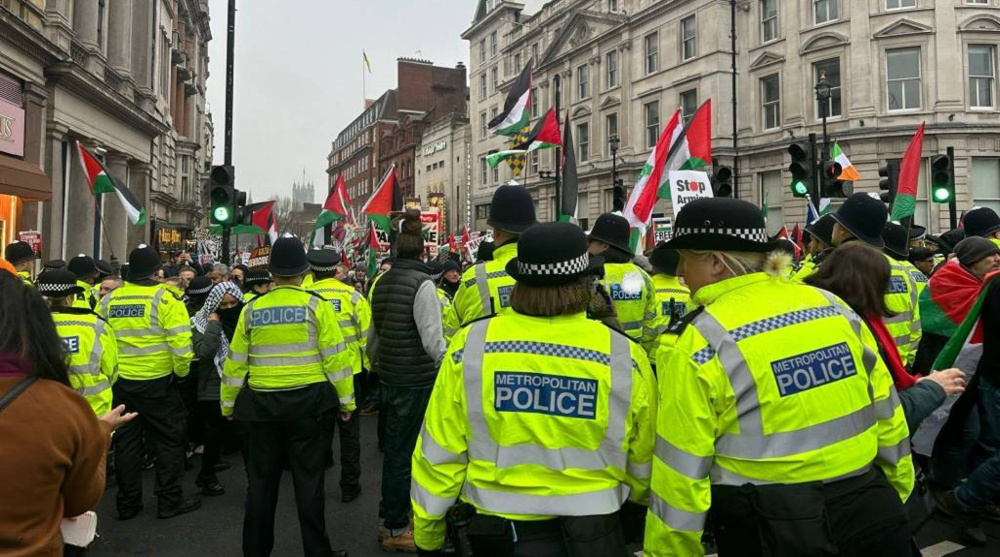
UK doctor arrested under pressure from Israel lobby over ‘anti-genocide posts’
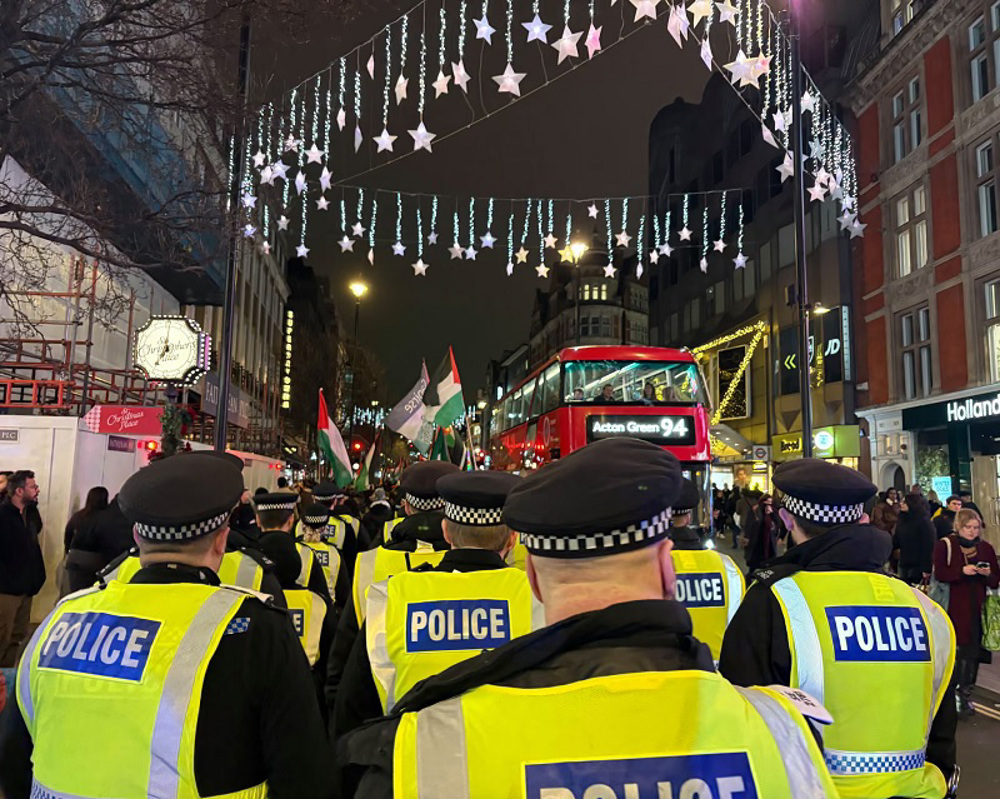
British protestors arrested for chanting ‘globalize the Intifada’



Trump withdraws US from 66 international organizations
Israeli forces abduct four young Syrians after incursion into Syria's Quneitra
Trump says US will oversee Venezuela ‘for years’
Iran FM warns of Israel’s threats to region as he arrives in Lebanon for talks
VIDEO | France’s economic crisis
VIDEO | Press TV's news headlines
VIDEO | US's illegal assassination of Martyr Haj Qassem Soleimani
Israel kills Palestinian girl in Gaza amid repeated ceasefire breaches


 PressTV NEWSLETTER
now
PressTV NEWSLETTER
now

 This makes it easy to access the Press TV website
