Swiss probe reveals Israeli ties to Palestinian-American journalist’s detention
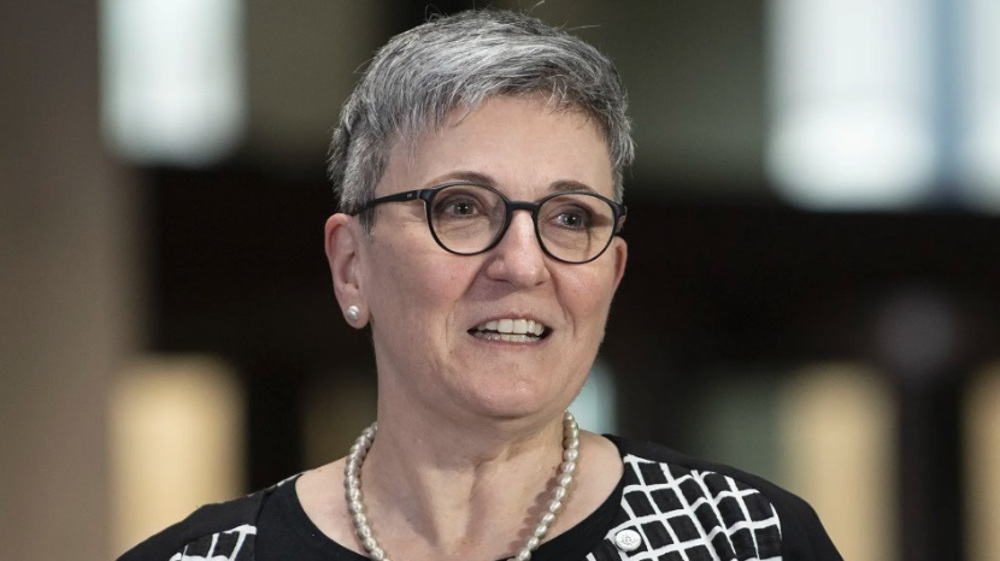
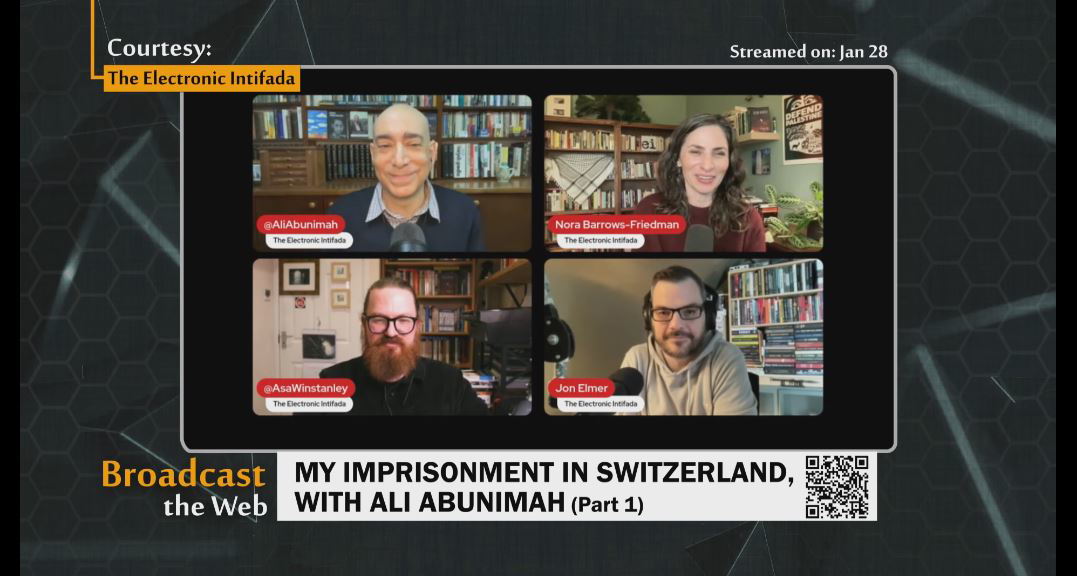
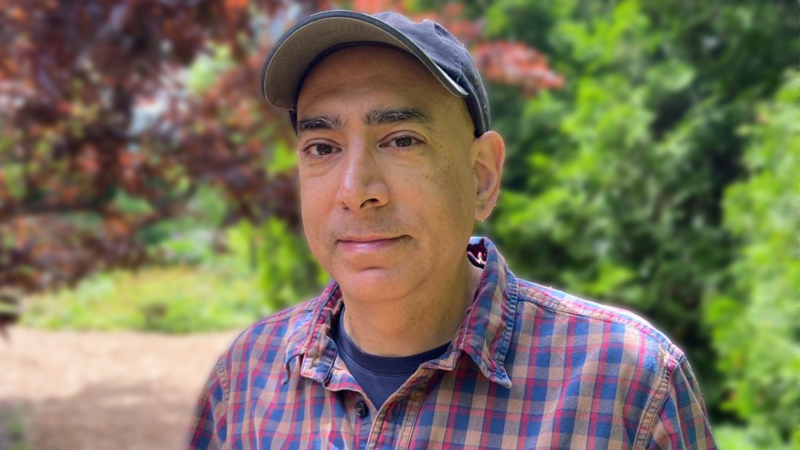
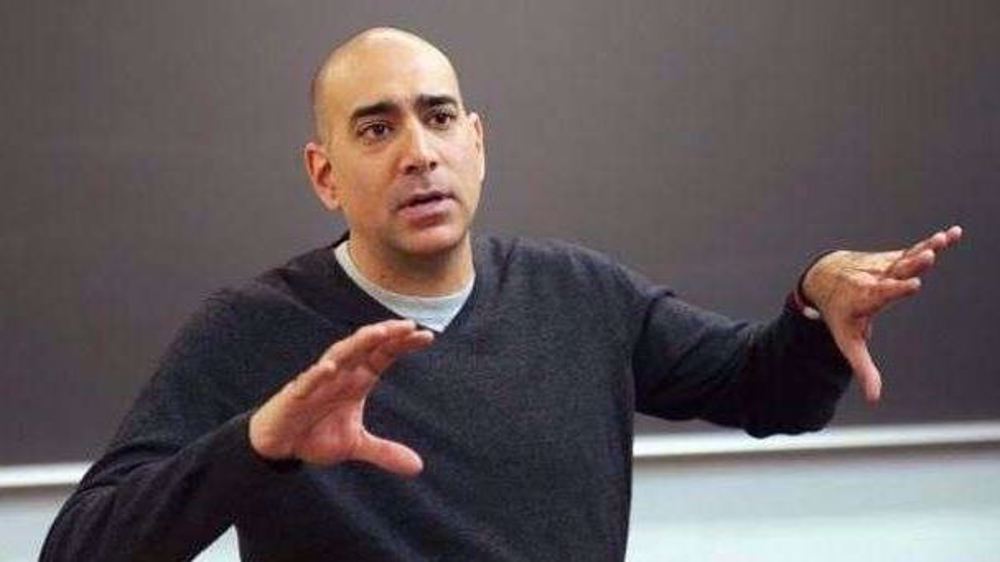
A Swiss parliamentary investigation has delivered a damning verdict on the January detention and expulsion of Palestinian-American journalist Ali Abunimah, uncovering political interference, procedural violations, and undisclosed ties between senior Swiss officials and Israeli interests.
The report, released last week by the Control Commission of the Council of States and reflected across Palestinian media outlets on Monday, marks the first official confirmation that Nicoletta della Valle, then director of the federal police agency Fedpol, personally intervened to impose an entry ban that investigators say “deviated from standard practice” and was “unsatisfactory.”
The commission’s findings sharply criticized della Valle’s actions as “particularly problematic,” concluding that she used her authority to override earlier assessments that found Abunimah, executive director and a co-founder of The Electronic Intifada website, posed no threat and that his speech activities were protected under Swiss law.
Abunimah said the revelations confirmed the political motivations behind his arrest, writing on X that “these grave violations of democratic and human rights were carried out to prevent me from speaking at lawful public events – organized by Swiss citizens and residents – calling for an end to Israel’s genocide in Gaza.”
He had entered the country legally before being seized without warning by plainclothes police, held incommunicado for three days, and summarily deported.
International rights bodies condemned the incident at the time.
United Nations Special Rapporteur on the Occupied Palestinian Territories, Francesca Albanese, warned that “the climate surrounding freedom of speech in Europe is becoming increasingly toxic, and we should all be concerned.”
UN Special Rapporteur on Freedom of Expression and Opinion, Irene Khan, described the broader crackdown on critics of Israeli policies as “alarming” and unjustifiable.
'Criminalizing pro-Palestine journalism': UN experts, activists slam Swiss arrest of journalist Ali Abunimahhttps://t.co/GrNVa4reOR
— Press TV 🔻 (@PressTV) January 27, 2025
The parliamentary report reconstructs the full chain of events.
Zurich cantonal police sought to bar Abunimah before his arrival, but the Fedpol rejected the request after consulting intelligence and immigration authorities. The next day Zurich resubmitted the request, still without new evidence, and this time, Fedpol approved it, but only after Abunimah had already entered Switzerland.
The report concluded that the reversal occurred “following a call from the commander of the Zurich cantonal police,” after which della Valle verbally instructed her staff to impose the ban.
Abunimah called the findings proof of “serious irregularities and abuses of power,” noting that della Valle was “notorious for her staunch support of Israel” and highlighting her lucrative post-retirement role with the Israeli investment firm Champel Capital. The company’s partners include retired Israeli Major General Giora Eiland, known for advocating the creation of “a severe humanitarian crisis in Gaza,” and co-founder and Israeli politician Amir Weitmann, who has described Gaza’s population as “scum” he wished to “expel” while urging the Israeli regime to “flatten the Gaza Strip.”
Della Valle’s name has since been quietly removed from the firm’s website.
The story extends far beyond a single official. Switzerland hosts one of Europe’s most entrenched networks of Zionist organizations tied to the global Zionist movement and the regime’s institutions.
✍️Viewpoint - Arrest of Electronic Intifada journalist exposes deep Zionist footprints in Switzerland
— Press TV 🔻 (@PressTV) February 20, 2025
By @Tracking_Power https://t.co/IO2xMgW3tr
The Swiss Zionist Federation, the local arm of the World Zionist Organization, operates alongside the Swiss branch of KKL-JNF, a deeply institutional Zionist organization with historic roots in land acquisition for illegal settlements, Keren Hayesod, the fundraising arm of the Zionist movement, and the Swiss branch of the Jewish Agency, which also supports settlement projects.
Parallel Zionist groups, including the Swiss Federation of Jewish Communities (SIG), the Switzerland-Israel Society (GIS), the so-called Intercommunity Coordination against Anti-Semitism (CICAD), the European Jewish Congress, and newer outfits such as NAIN that represents the latest wave of organized, young, and media-savvy Zionist advocacy in Switzerland, have helped enforce political narratives, lobby the government, and campaign to silence pro-Palestinian voices.
Several of these organizations have pushed for bans on Gaza’s Hamas resistance movement, cuts to funding for UNRWA, the UN agency for Palestinian refugees, and efforts at equating opposition to Zionism with anti-Semitism.
Critics say these policies blur dissent with discrimination, enabling authorities to target legitimate Palestine advocacy.
Observers commenting on the report said taken together, the commission’s findings and, what they denounced as, Switzerland’s dense ecosystem of Zionist lobbying underscore how institutional pressure and foreign-linked allegiances converged in the effort to silence a prominent Palestinian voice.
Abunimah is now pursuing legal action in Zurich and federal courts, as his lawyers prepare further filings based on the commission’s report.

Deadly al-Saada collapse exposes Gaza’s worsening housing crisis
Appeal filed for Press TV's Naqaa Hamed as Israel prolongs her unlawful detention
Israel seeks US 'compensation' over Saudi F-35 deal: Report


Iran Judiciary issues indictments against US, Israeli officials over assassinations
VIDEO | Intl. Nuclear Medicine Congress wraps up in Tabriz
Man convicted of spying for Israel, providing information on missile sites executed in Iran
ICRC: Palestinians in Gaza experience ‘death, destruction’ on daily basis
Trump announces ‘security’ agreement on Greenland after threatening to annex it
CPJ slams Israel’s abduction of Press TV journalist, demands her immediate release
‘Stop your crocodile tears’: Araghchi hits back at French FM over human rights allegations
Trump bars CNN, MS NOW and Politico from White House as they question his pro-war policies


 PressTV NEWSLETTER
now
PressTV NEWSLETTER
now
 This makes it easy to access the Press TV website
