Iran’s energy transformation: Turning waste gas into economic power
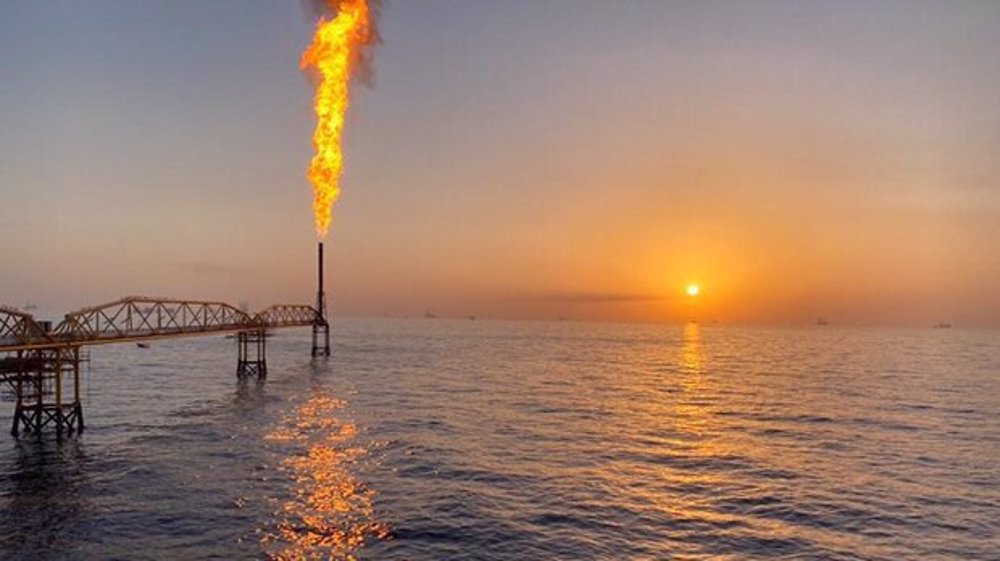
This month, Iran took a major step toward transforming its oil economy by launching the largest national flare gas recovery project in its history in a ceremony attended by President Masoud Pezeshkian.
The newly signed contracts between the National Iranian South Oil Company (NISOC) and private and knowledge-based companies mark the beginning of a strategic shift from viewing oil as a short-term revenue source to treating it as a productive national asset.
This shift reflects a new vision of Iran’s economic policy that links energy efficiency, environmental protection, and industrial growth.
For decades, billions of cubic meters of associated gas released during oil production have been burned off in flares, wasting valuable energy and releasing harmful greenhouse gases. Now, Iran aims to capture and use this gas to feed its refineries, petrochemical plants, and national gas grid.
The scope of Iran’s flare gas recovery initiative is unprecedented. It includes 70 major and minor projects across the southern oil-rich provinces, with 40 of them recently awarded to the private sector.
These contracts, worth more than $800 million in total investment, cover operations in Ahvaz, Aghajari, Masjed Soleyman, and Gachsaran, all located within the country’s main oil belt.
The project is scheduled for completion within 18 months and will involve both domestic and international investors.
Its goals are to protect national resources by preventing the waste of valuable gas, to reduce environmental pollution caused by flaring, and ease the country’s gas shortage, especially during peak winter demand.
Currently, according to World Bank data, Iran ranks third globally in gas flaring, burning around 17.3 billion cubic meters of flare gas annually. In 2011, about 17% of total natural gas production was flared, a staggering loss in both energy and financial terms.
To put this in perspective, that amount of gas is roughly equal to one-third of all the natural gas consumed by France in a year, or about the annual household gas use of more than 10 million European homes.
In energy terms, it represents nearly 180 terawatt-hours, which is enough to supply the entire residential gas demand of countries such as the Netherlands or Austria. In other words, the gas Iran burns off each year could power a mid-sized European nation.
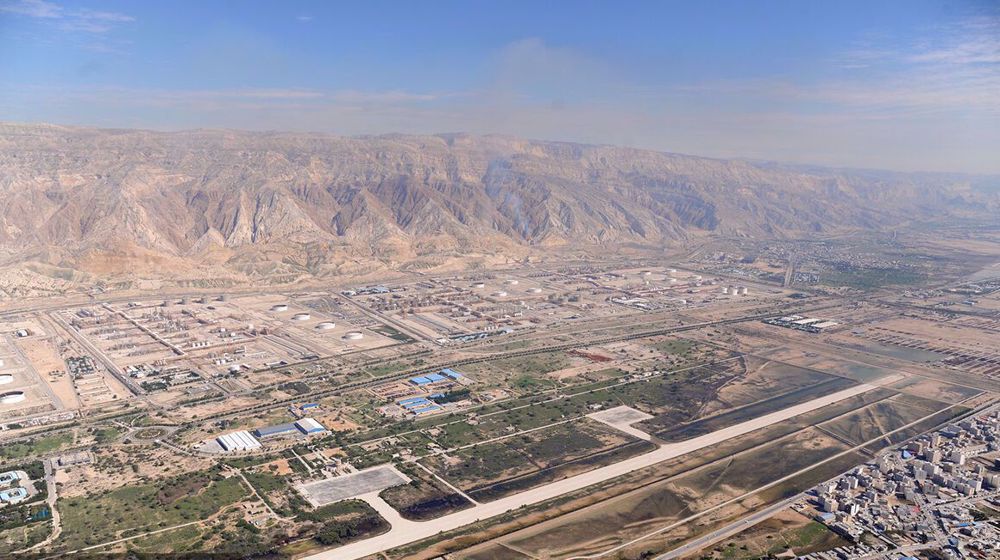
The new program aims to change that. Once fully operational, it will deliver several measurable outcomes, including extinguishing about 30 flares across 11 production units, recovering over 295 million cubic feet of gas per day that would otherwise be wasted.
It will also generate around $550 million in annual revenue, produce 800,000 tons of gas liquids annually to provide stable feedstock for petrochemical plants, and inject 200 million cubic feet of light gas daily into the national network, helping to balance gas supply during winter.
These numbers represent a transformation in how Iran’s oil and gas sector operates, heralding a move from waste to efficiency, from pollution to production, and from short-term export revenue to long-term industrial growth.
The recovered gas will not only supplement the national gas grid but also supply feedstock for petrochemical and gas-to-liquids (GTL) industries.
This supports Iran’s broader strategy of developing downstream industries, particularly petro-refineries, which convert crude oil and natural gas into higher-value products such as fuels, lubricants, and chemicals.
For years, experts have argued that Iran’s economic model was trapped in raw export dependency. Selling crude oil generates quick cash, but it offers little industrial development or job creation.
In contrast, processing oil and gas domestically adds multiple layers of value. Each ton of recovered gas can be converted into petrochemical products worth several times more than the raw gas itself.
Iran’s new energy policy embraces this principle. Instead of increasing crude exports alone, it now aims to integrate production, refining, and petrochemical operations, building a value chain that keeps more wealth within the country.
Beyond industrial growth, the project has strong environmental and social dimensions. Flaring not only wastes fuel but also emits large volumes of carbon dioxide, methane, and toxic compounds.
These gases contribute to global warming and local air pollution that particularly affects Iran’s southern oil regions. By capturing flare gas, Iran can cut millions of tons of CO₂ emissions annually.
The program will also create hundreds of new jobs in construction, engineering, and plant operation, particularly in oil-producing provinces like Khuzestan.
One notable aspect of the plan is its non-governmental approach. Unlike past state-driven projects, this initiative relies heavily on private and knowledge-based companies, with support from international partners for technology transfer.
The contracts use flexible legal and financial frameworks that allow domestic investors to participate in energy development — a key step in diversifying the country’s industrial base. This private-sector inclusion not only attracts new capital but also accelerates innovation.
For decades, Iran’s vast energy reserves have been both a blessing and a challenge. Now, by converting waste gas into economic value, the country is taking a concrete step toward energy efficiency and environmental stewardship.
Each flare extinguished represents the return of lost national wealth and a promise of cleaner skies over the oil fields of the south. Every flame that goes out in the southern skies is a light turning on in the industrial heart of Iran.
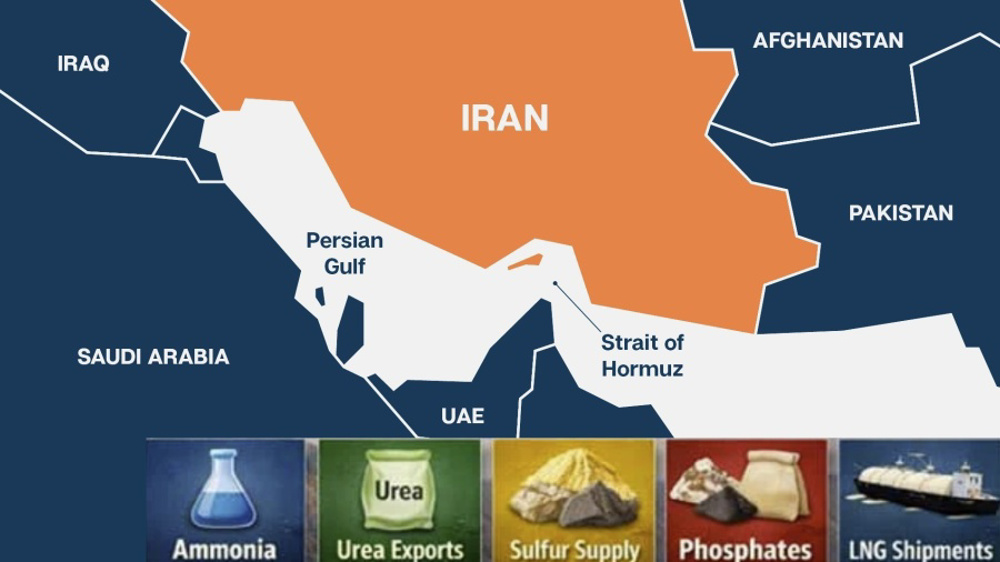
The urea factor: How war on Iran is starving the world
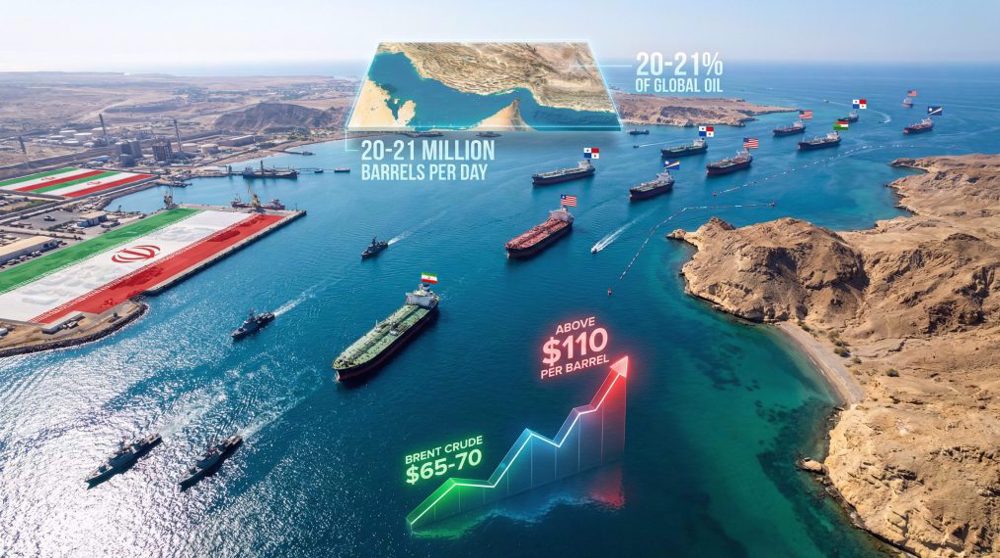
Iran's strategic leverage shatters US's illusion of blockade
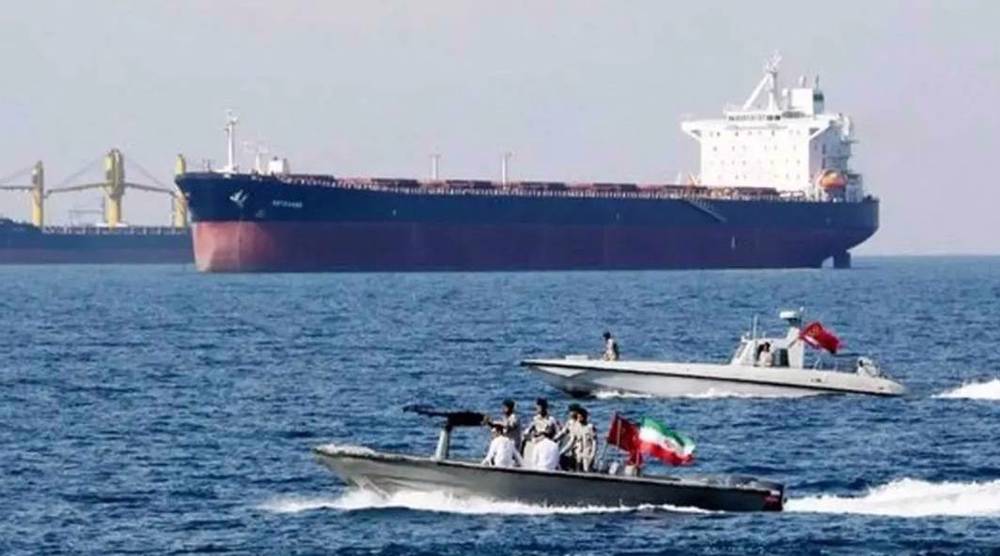
Oil prices jump as Strait of Hormuz tensions weigh on markets



VIDEO | Negotiations will consolidate Iran's military authority, victory in war
IRGC says to reverse engineer 15 undetonated US missiles uncovered in southern Iran
Israeli attacks kill more Palestinian civilians amid Gaza truce violations
Israel orders evacuations as it ramps up attacks on south Lebanon despite ceasefire
Israel secretly deployed Iron Dome to UAE amid Iran’s reprisal strikes: Report
Iran FM holds talks with Qatari, Saudi counterparts on regional stability
Iran FM returns to Islamabad for further consultations with Pakistani mediators
Iran's principled red lines and Trump's desperation to exit the quagmire show who holds cards


 PressTV NEWSLETTER
now
PressTV NEWSLETTER
now

 This makes it easy to access the Press TV website
