Iran’s pharma industry charts a path to global partnership
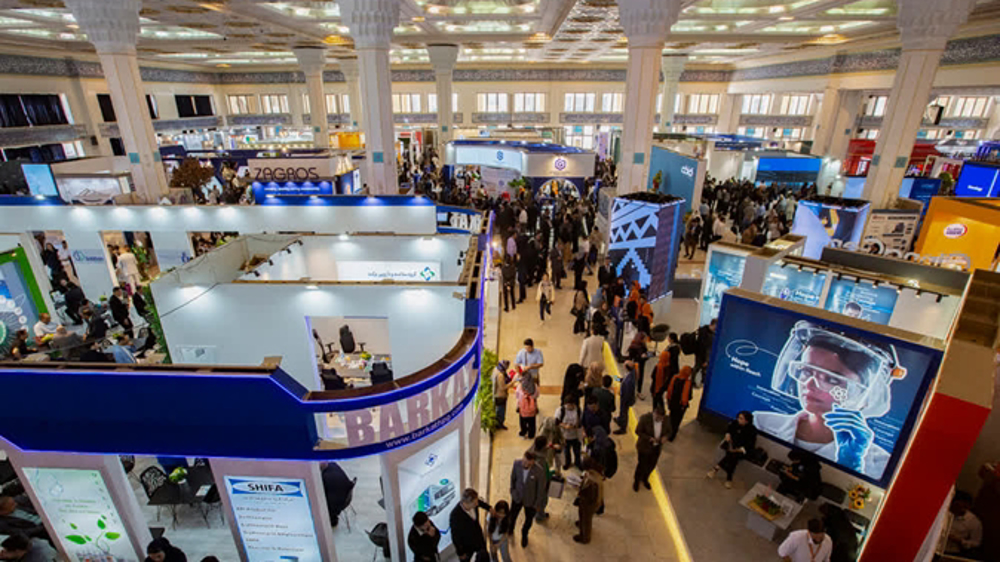
In the heart of Tehran, beneath the vaulted ceilings of the Imam Khomeini Mosalla, the 10th Iran Pharma International Exhibition unfolded with little fanfare outside the region. But for those paying attention to the shifting dynamics of Iran’s economy, it was an assertion of capability.
With 743 pharmaceutical companies from 28 countries gathered together, Iran’s health sector sent a message to the world that despite sanctions and economic pressure, it is not only surviving but increasingly thriving.
That the pharmaceutical industry has emerged as one of the sectors capable of real international outreach is no accident. In recent years, Iranian policymakers and industry leaders have made a concerted effort to decouple healthcare from the broader political constraints of US-led sanctions.
The numbers underscore this shift. Iranian pharmaceutical exports rose 16% in the last fiscal year, and continued to grow by 11% in the first five months of this year.
Iran now produces 95% of the drugs it consumes, and exports to over 40 countries, including neighbors in Central Asia, the Caucasus, and the Middle East.
With over 140,000 workers directly employed and dozens of firms shifting into biotech and knowledge-based production, Iran’s pharmaceutical sector is gradually evolving from a generics-heavy, state-supported enterprise to a more nimble and innovation-oriented industry.
Crucially, beyond being a commercial trade fair, the Iran Pharma exhibition was a carefully orchestrated act of diplomacy. Representatives from India, China, Switzerland, and even European Union countries were present as potential partners.

Bilateral meetings focused on joint ventures, licensing agreements, and access to raw materials. For a country facing restricted access to international banking systems, these direct, face-to-face connections are essential.
Foreign delegations appeared receptive. India and China, in particular, are already critical players in Iran’s pharmaceutical ecosystem, supplying raw materials and, in return, exploring Tehran as a manufacturing base for reaching underserved regional markets.
That calculus is not merely economic; it’s strategic. As global supply chains fragment and the West-China rivalry deepens, countries like Iran may emerge as important nodes in alternate global trade systems. Pharmaceuticals, given their neutral political role and their essential nature, could lead the way.
This kind of international cooperation is viewed as essential for overcoming the technical and financial challenges posed by sanctions and for accelerating the modernization of Iran’s pharmaceutical infrastructure.
Industry leaders and government representatives stressed the importance of improving quality standards and obtaining international certifications, such as those recognized by the World Health Organization.
Achieving such credentials is expected to bolster the credibility of Iranian pharmaceutical exports, facilitating greater access to regional and global markets, including countries in the Middle East, Central Asia, and Africa.
Inside Iran, the exhibition also galvanized domestic confidence. Industry leaders noted a surge in public and private investment in pharmaceutical infrastructure over the past two years, including in R&D, quality control, and regulatory alignment with global standards.
The state has positioned the pharmaceutical sector as central to its post-oil economic diversification strategy.
Economists note that the pharmaceutical sector’s growth is an important driver of economic diversification in Iran, reducing dependence on oil revenues.
It supports thousands of jobs across manufacturing, research, distribution, and export services, contributing to both employment and foreign exchange earnings.
As global demand for affordable medicines rises, particularly in developing markets, Iran’s pharmaceutical industry is well positioned to capture new opportunities.
The focus on expanding biotechnology and specialty medicine production is a key development. These segments offer higher margins and greater growth potential compared to traditional generic drugs, and Iranian companies are investing in advanced manufacturing capabilities and clinical research to enhance their competitiveness.
Such efforts align with global health trends and can help position Iran as a regional hub for pharmaceutical innovation.
Experts at the exhibition emphasized that success will depend on maintaining momentum in research and development, improving regulatory frameworks, and deepening international cooperation.
Partnerships with leading global pharmaceutical firms could bring critical technology transfers and improve standards, enabling Iran to better compete in international markets.

The 10th Iran Pharma exhibition also served as a reminder of the sector’s vital role in national healthcare security.
With many countries experiencing drug shortages and supply chain disruptions, Iran’s ability to produce the majority of its medicines domestically ensures more reliable access for its population. This capability has become even more important amid ongoing geopolitical tensions and economic uncertainty.
Looking forward, stakeholders are optimistic about the industry’s prospects. The combination of government backing, growing export markets, and technological advancement creates a promising outlook for Iran’s pharmaceutical sector.
Officials are particularly hopeful that increased exports and stronger global ties will help offset some of the economic pressures the country faces.
As Iran continues to navigate a complex international environment, the pharmaceutical industry stands out as a resilient and growing pillar of its economy.
The success of this year’s exhibition and the participation of numerous international companies signal a sector ready to expand its horizons and contribute more significantly to both domestic health and economic diversification.
Iran’s active role in Eurasian bloc reflects its strong commitment to development: President
New US sanctions reflect fury over Iran's rapid air recovery: Official
Iran's unprecedented aviation comeback from US-Israeli terrorism


As US-Canada ties sour under Trump, more Americans consider moving to Canada: Report
Iran to respond more forcefully to any fresh enemy aggression: Senior Army commander
‘Ceasefire is a joke’: Israeli troops recount killings in Gaza based on ‘a hunch’
Lebanese PM warns of ‘dangerous’ Israeli escalation as fighting intensifies in south
Israeli strike kills head of anaesthesia department at Gaza hospital
Iran says IRGC Navy to control all Strait of Hormuz traffic ‘with full authority’
Iran’s Defense Ministry to establish drone support center: Spokesman
Iran's Shahpari snatches second silver, rewrites national record at Asian U20 Athletics C'ships


 PressTV NEWSLETTER now
  This makes it easy to access the Press TV website