Haj Hassan: Sayyed Hassan Nasrallah’s trusted confidant — in life and in death
By Hiba Morad
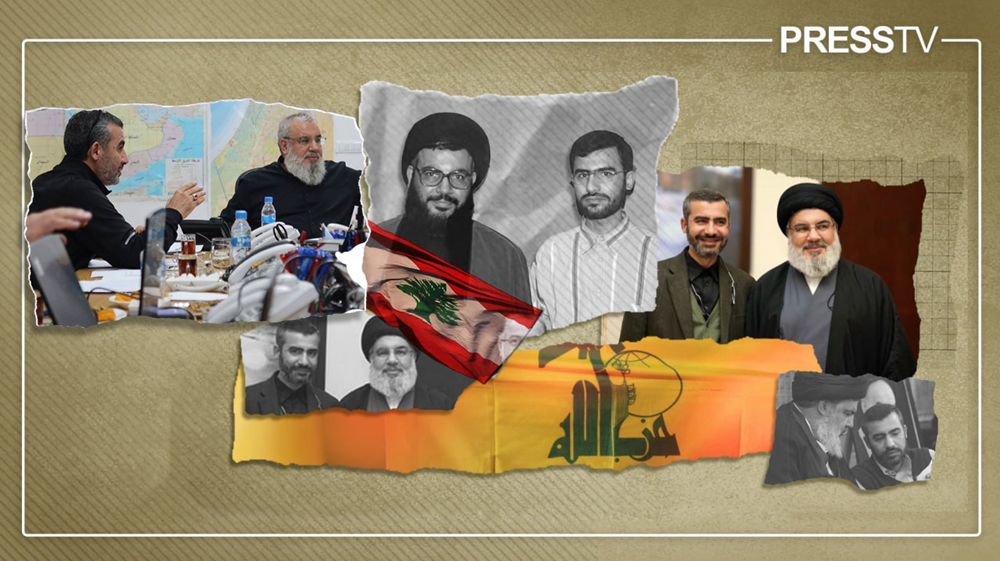
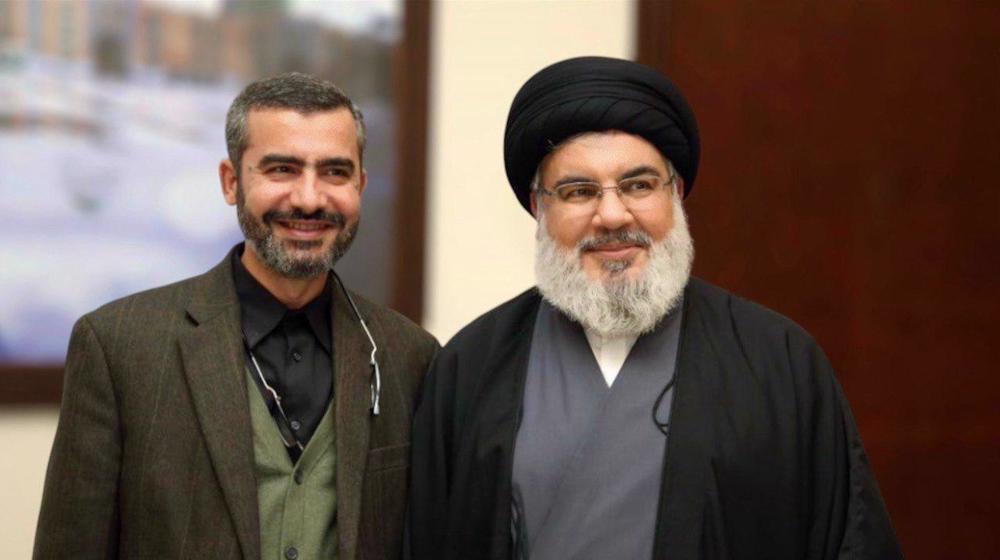
For 35 years, Mohammad Habib Kheiredine – known by his nom de guerre Haj Hassan – worked closely with the martyred leader of the Lebanese resistance movement Hezbollah as his secretary.
A trusted aide of Sayyed Hassan Nasrallah, Kheiredine also headed Hezbollah’s Jihad Council, a body responsible for directing and overseeing the movement’s military and security affairs.
Yet, he remained an enigmatic figure until his martyrdom on September 28 last year, alongside his mentor and leader in a devastating Israeli airstrike on a residential building in southern Beirut.
In an exclusive interview with the Press TV website on the first anniversary of his martyrdom, his wife Fadia said only a few people truly knew him during his lifetime.
“On the personal level, you can summarize his personality when you read what Imam Ali said, that ‘I once had a brother in faith. What made him great in my eyes was the insignificance of this world in his own eyes. He was beyond the control of his stomach, so he did not desire what he couldn't find, nor did he overindulge when he found it. Most of his life, he was silent,” she stated.
She said the martyred Hezbollah official was silent and calm most of the time and led an ascetic life.
"He was very neat, well-dressed, loved perfumes, enjoyed having a good time with family and friends and was always racing to create pleasant times for the family,” the wife recalled.
According to Fadia, his life’s guiding motto was defined by the Quranic verse: “So that you do not grieve over what you have missed and do not rejoice over what He has given you.”
She said Haj Hassan was an exceptionally patient man, and many were amazed at how he managed to carry out such a demanding role, lead a normal life, and keep his identity secret for so many years.
Anonymous for 35 years
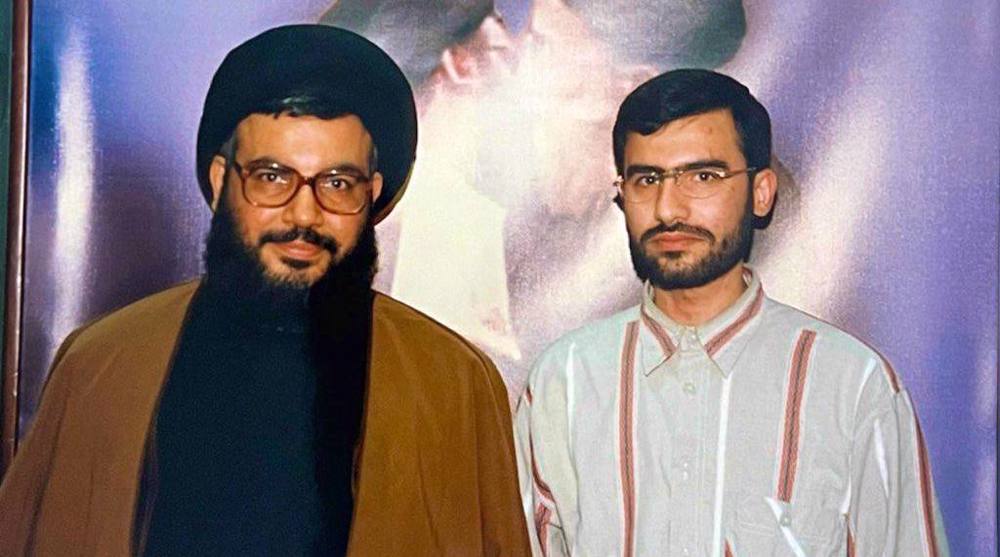
For 35 years, Haj Hassan worked as Sayyed Nasrallah's personal secretary and a close confidante, participating in every important political, military and strategic decision-making process.
And despite assuming such key responsibilities in the resistance movement, he preferred anonymity.
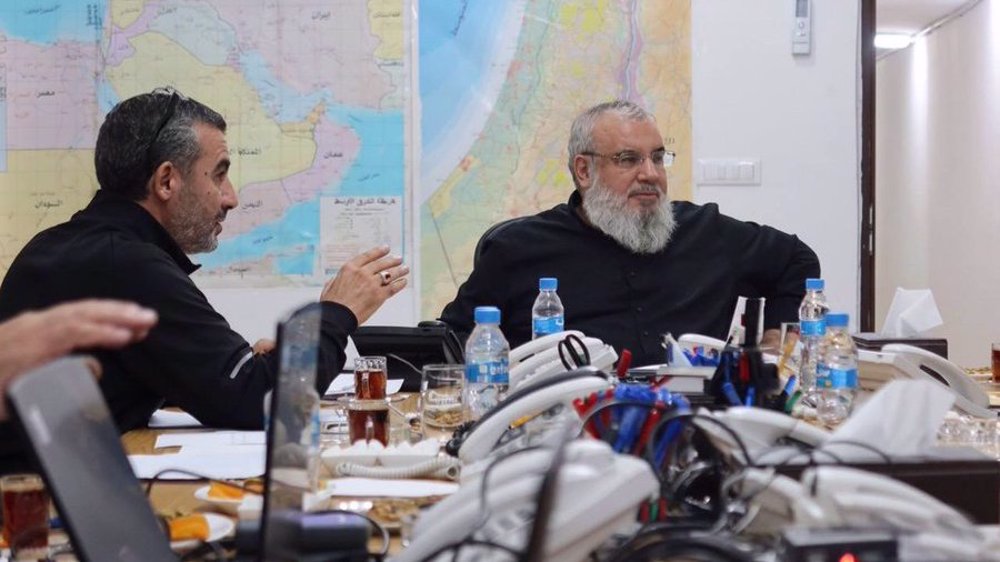
A viral photo, believed to be the last photo before the Hezbollah Secretary-General was martyred last year, shows both Sayyed Nasrallah and Kheiredine sitting in a war room, directing military operations against the Zionist regime in defense of the Lebanese nation and Palestine.
“Only a few people knew of him until he was martyred. He always tried to keep his identity anonymous. He worked with different leaders, such as Haj Imad Moghnieh, Sayed Mustafa Badredine, and worked with Sayyed Nasrallah since the very beginning," his wife told the Press TV website.
In 2008, following the martyrdom of Haj Imad Moghnieh, he became the secretary of Sayyed Nasrallah and would see him and speak to him every day,” Fadia noted.
Fadia said she did not know about his work when they decided to get married.
“After several years into our marriage, I came to know from someone that he is the head of Hezbollah's Jihad Council and the secretary of Sayyed Hassan Nasrallah. Also, for long years, we did not know that he reported directly to Sayyed Nasrallah," she stated.
"But during the past few years, Sayyed Hassan would call him almost every day at home to discuss work on the landline network, and he would send his kind regards to me and my children. He would sometimes even send us gifts, especially when my children got married.”
High security measures
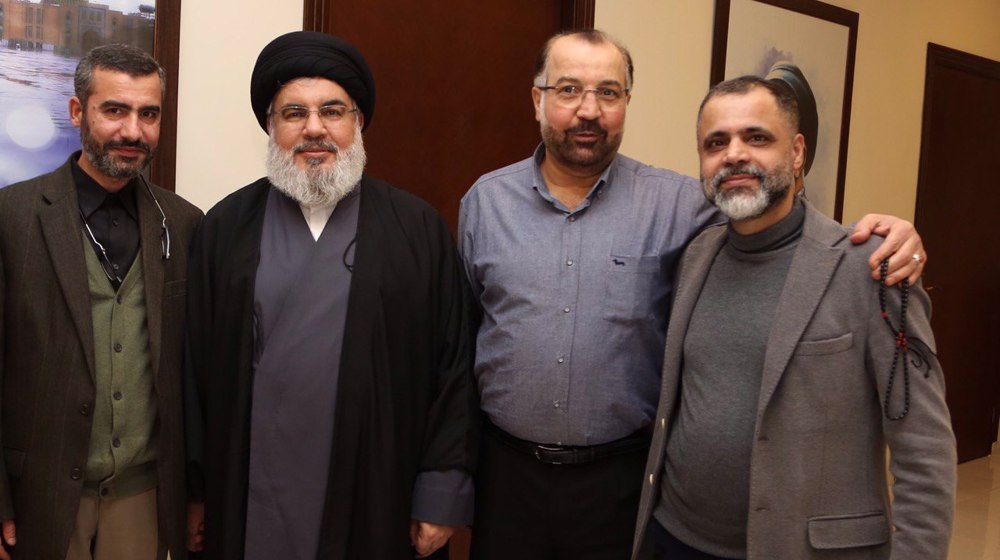
Haj Hassan personally trained Fadia and her children at home on maintaining strict security measures, ensuring they never spoke about his work or his close association with the Hezbollah leader.
He was meticulous about these precautions, both to protect Hezbollah and to try to lead as normal a life as possible with his family.
“Since 2000, Haj Hassan never carried or had a mobile phone. He had set strict measures for himself to make sure he remains unknown and avoid having to use security guards or live in complicated circumstances. Also, the reason why we have only a few photos and videos of Haj Hassan is because he always made sure we didn't take photos of him,” Fadia told the Press TV website.
“Due to these measures, he was able to participate in important family events, like the graduation ceremonies of our children, their birthdays, hijab ceremony of our daughter and other occasions," she added, noting that they are grateful to have been able to share those happy moments with him.
However, she said, since the Al-Aqsa Flood, his presence at home became infrequent. Though extremely busy and exhausted, he continued to carry out his work with unwavering dedication.
Helping others anonymously
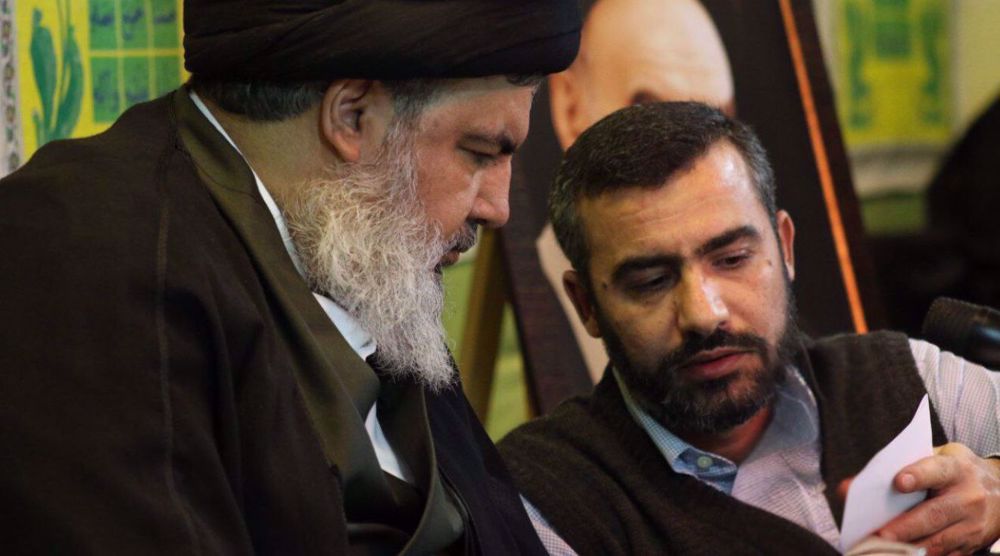
Fadia describes her martyred husband as very kind, patient, and hospitable, with special traits that she came to know after they got married, especially his selfless community and social service.
“He helped others and was always at the service of his Muslim brothers and sisters without anyone knowing. For instance, after he was martyred and his identity was revealed, many people told us stories about how he helped them build their lives, pay their debts, pay for medication, etc,” she said.
She told the Press TV website another story, recalling how her husband would extend a helping hand to those in need, without anyone knowing about it.
“A young man told me, if it were not for Haj Hassan, I would have never been able to marry. He helped me with my expenses and helped me buy a house,” Fadia said.
Another young man told her that his mother was seriously ill in the hospital and required a large sum of money for surgery. It was Haj Hassan who raised the necessary funds and paid the hospital directly.
According to his wife, one of his most remarkable qualities was his deep care for his parents and family, which he maintained until his very last moments.
“When Israel launched the war on Lebanon on September 23, he made sure his parents left Bekaa and moved to a safe place. He told me he felt at ease after they moved to a safe place.”
He also called Fadia and told her to leave the Dahiyeh immediately following the aggression. “That was the last time he spoke to me, on Monday midnight,” she recalled.

Jokes, tears of sadness and joy
Fadia said her husband admired Sayyed Nasrallah deeply and looked up to him so much that everyone noticed they were beginning to resemble each other in manner and behavior.
She added that he would share stories about his daily life with Sayyed, and they always enjoyed listening to those stories.
“Once when we were talking at home and we mentioned Sayyed Nasrallah, my husband told my children: If you think Sayyed Hassan is always a serious personality, you are wrong, Sayyed Hassan has a high sense of humor, he smiles a lot and jokes with us lovingly,” she said.
Another time, she recalled him saying that Sayyed Hassan looked at him, touched his hair, and said, "Oh Haj Hassan, you have grey hair now," to which he replied that he was in his fifties now.
Sayyed Hassan cared about everyone around him and everyone he knew, she said.
“When our children got married, he was really happy to hear the news. He sent them gifts and kept asking my husband: So, Haj Hassan, have you become a grandfather or not yet?” she said.
“My husband also recalled how at work, Sayyed Nasrallah would look at him, smile and say, “You are Hassan, and I am Hassan, we are the only two Hassans here, referring to the meaning of the name Hassan while joking, which means ‘handsome’ in Arabic.”
According to Fadia, Sayyed Nasrallah often spoke about Haj Hassan in gatherings with other officials, describing him as a patient and humble man who strictly adhered to security measures.
Haj Hassan, in turn, told his wife several times that Sayyed Nasrallah was a deeply sensitive person, and that he had witnessed both his tears of joy and his tears of sorrow.
“My husband said Sayyed Nasrallah would cry to see the suffering of the displaced people in Lebanon due to the Israeli war on South Lebanon during the Al-Aqsa flood. He also told me how, back in the 2000 liberation of Lebanon, Haj Hassan stayed in the operations room to finish work with Sayyed Nasrallah while all other leaders headed to the South of Lebanon to check out the situation on the ground. On that day, Haj Hassan said he saw Sayyed Nasrallah’s tears of joy.”
Grieving for Sayyed Nasrallah
Fadia said that on September 27, when they heard the massive explosion in Dahiyeh and saw the news that Israel had targeted Hezbollah's operations chamber or headquarters, she immediately feared that her husband had been there with Sayyed Hassan Nasrallah and the leadership.
“Knowing the nature of his work and presence with Sayyed Nasrallah at all times, I told my children to be ready to hear the news that their father might have been martyred. I was not certain he was there, but since during the last couple of years I knew what his job was like, I assumed he was present at the site,” she told the Press TV website.
But surprisingly, Fadia said that her husband’s safety was not their primary concern. They were all praying for Sayyed Nasrallah, hoping he was safe and alive, even if that meant her husband and others might have to sacrifice themselves for him.
When the news finally came, Fadia said she and her children first wept for their great loss, Sayyed Hassan Nasrallah, the father of all, and only then did they mourn their own father.
“However, whether it is my children, family, or myself, we believe in this path, and since the very beginning, I knew this moment was to happen and that my husband would get martyred, but I was praying that it would happen later rather than sooner,” she stated.
“It is painful not to see him around us, participating in all occasions like he used to, but we were ready for this moment. The most painful was realizing that Sayyed Hassan Nasrallah was martyred, and no longer among us. However, we knew they were in a better place and that martyrdom was what they longed for. One thing we are certain of is that we will continue this path all the way until the end.”
When Fadia and her children saw Haj Hassan, he had a few small scratches on his chin, but his body was unharmed, his face was radiant as always, she said.
"We spent the night with him, reading verses of the Holy Quran and bidding him farewell, and then we left on the next morning and waited for the burial later on,” said the wife.
New generations of leaders
Three months before the war, Haj Hassan told his wife that he wanted to renew his written will. “He had written one in the nineties, but he said he felt that martyrdom could come at any moment,” she recalled.
Fadia told the Press TV website that her husband often said, 'Since 2006, Hezbollah’s leadership has known they might be targeted one day—either together or separately, but possibly simultaneously—and they have always been prepared to be martyred at any time for the cause’.
During the Al-Aqsa flood, when Hezbollah leaders were being targeted one by one, she said she shared her feelings and sorrow with Haj Hassan over the situation.
“His response was that we should not feel sad, martyrdom is the dream come true of all these leaders, and that we should not forget the thousands, if not tens of thousands, of new young leaders who also need to take initiative and fill these positions sooner or later,” she recalled.
“He would tell me that all these leaders getting martyred were the first generation of Hezbollah, and then he would ask, after all these years, what do you think is best, that I die on my bed or get martyred on the battleground, and I would say of course get martyred but after a long life.”
Potential US attack on Iran to be met with decisive missile force: Lebanese MP
Hezbollah confirms 8 fighters killed in Israeli strikes on eastern Lebanon
Lebanon’s president condemns Israeli strikes as 'blatant act of aggression'



Palestinians granted only 66 building permits in West Bank over 11 years: Report
Somaliland ready to give US access to its minerals, military bases: Minister
VIDEO | Iran's game changing retaliation boxes- part 1
VIDEO | Iran's game changing retaliation boxes- Part 2
VIDEO | Palestinian widow raises three kids in Gaza as her husband killed by Israel
Palestinian teen killed as raids and settler violence intensify across West Bank
Iran’s layered arsenal primed to deter – and decimate – US warships in Persian Gulf
Iranian commander dismisses US military buildup in West Asia as ‘theatrical gesture’




 PressTV NEWSLETTER
now
PressTV NEWSLETTER
now

 This makes it easy to access the Press TV website
