Iran’s economic outlook holds steady despite sanctions snapback
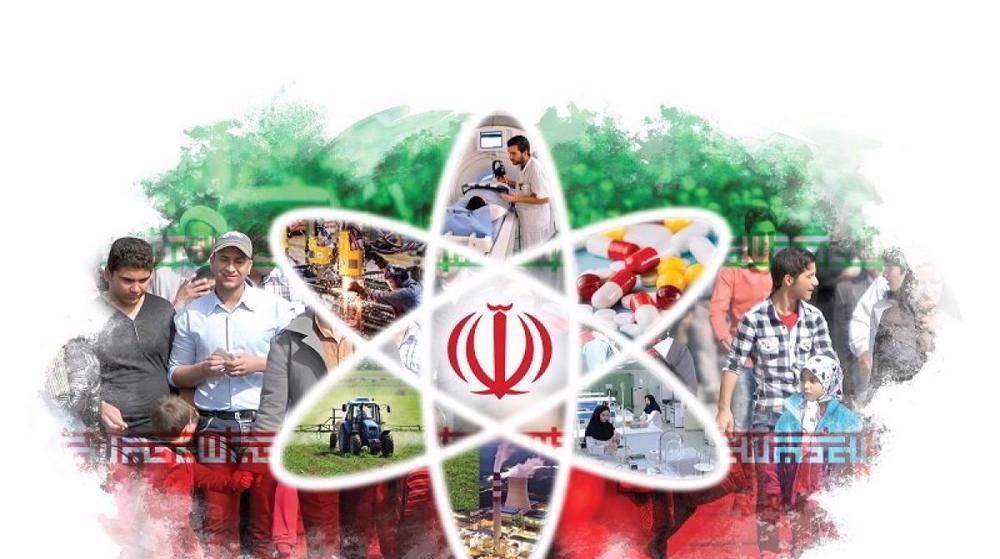
Recent geopolitical developments and the activation of the UN “snapback” sanctions on Iran have raised concerns, but many of these fears are driven more by perception than by immediate, tangible effects on the economy.
While pro-Western media headlines have highlighted the prospect of economic devastation, a closer look suggests that much of the concern is based on emotional and psychological responses, not on clear, measurable effects on the economy itself.
Historical precedent and current economic data suggest that the real effects of renewed sanctions may be limited, particularly compared to the ongoing unilateral sanctions imposed by the United States and its allies.
The snapback mechanism, enshrined within the nuclear agreement framework, allows certain UN sanctions to be reimposed should Iran be deemed non-compliant. Yet, it is crucial to distinguish between the domains affected by these sanctions and those where Iran’s economy remains relatively insulated.
The snapback primarily targets dual-use nuclear and missile-related activities and does not explicitly reimpose broad economic sanctions related to oil exports, banking, or trade.
This nuance is significant because many of these sectors have already been heavily sanctioned by unilateral US and European measures since 2017, rendering the incremental impact of snapback measures less severe than feared.
To put this into context, a review of economic trends during a previous period when UN sanctions were tightened, but before the full brunt of US sanctions was felt, is instructive.
Between 2010 and 2012, despite the imposition of UN sanctions related to nuclear activities, Iran saw steady or even increasing levels of foreign investment and external trade.
Investment inflows into key sectors, including the oil and gas industry, continued to grow, signaling resilience within Iran’s economic framework and strategic partnerships with countries willing to engage despite sanctions.
Trade relations with major partners, particularly China and Russia, provide a further buffer against external pressure. These countries, while formally supporting earlier UN sanctions, maintained and even expanded their commercial ties with Iran during sanction periods.
In today’s geopolitical environment, their stance is more supportive, providing Iran with valuable economic lifelines and reinforcing the country’s capacity to mitigate sanction-related shocks
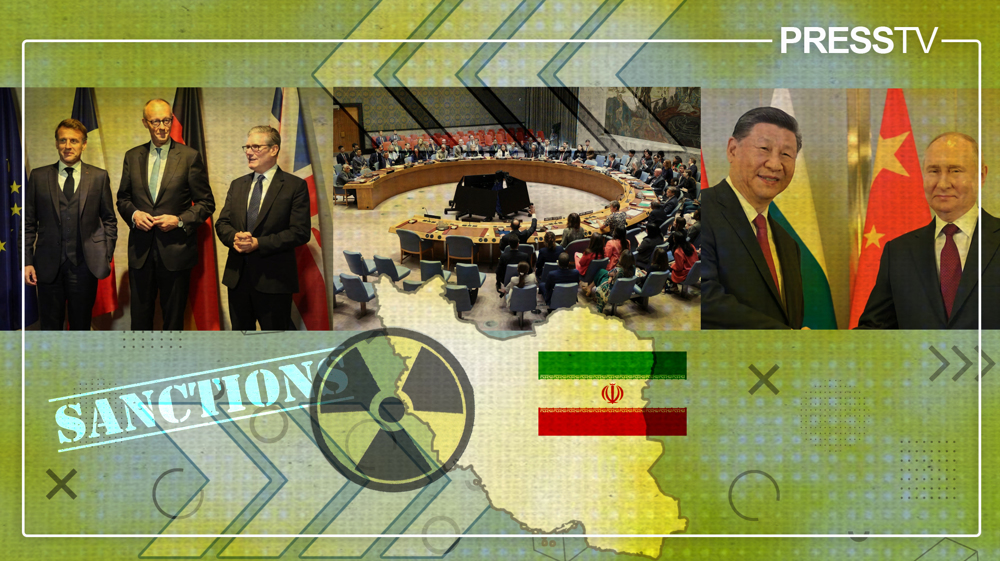

One common misconception is that renewed UN sanctions will severely restrict Iran’s ability to export oil or conduct international trade.
However, given the longstanding unilateral sanctions already in place, much of Iran’s export infrastructure, banking relations, and transportation channels have adapted to operate within a constrained environment.
While challenges remain, there is no immediate expectation that snapback sanctions alone will cause a wholesale collapse in these sectors. Instead, any economic disruptions are more likely to be driven by market psychology and speculative responses rather than fundamental changes to Iran’s trade capabilities.
Indeed, market volatility in recent weeks has largely been fueled by uncertainty and inflationary expectations rather than tangible supply shocks. Currency fluctuations and price volatility reflect nervousness rather than new economic realities.
This phenomenon underscores the importance of managing market perceptions to avoid self-fulfilling economic crises.
Iran’s government has proactively emphasized continuity in critical sectors. Oil sales, a key revenue source, are reported to continue without interruption.
Transport and logistics authorities have reinforced their preparedness, drawing on past experience in crisis management to ensure essential goods reach the population despite external pressures.
This institutional resilience highlights the adaptability and determination underpinning Iran’s economic system.
This situation shows that lasting economic strength depends not just on negotiating to lift sanctions, but on strong internal development and diversification.
The protracted focus on sanction relief has, at times, overshadowed efforts to strengthen domestic production, innovation, and infrastructure. Iran’s economy, like many emerging markets under pressure, suffers when it is overreliant on external variables rather than cultivating self-sustaining growth drivers.
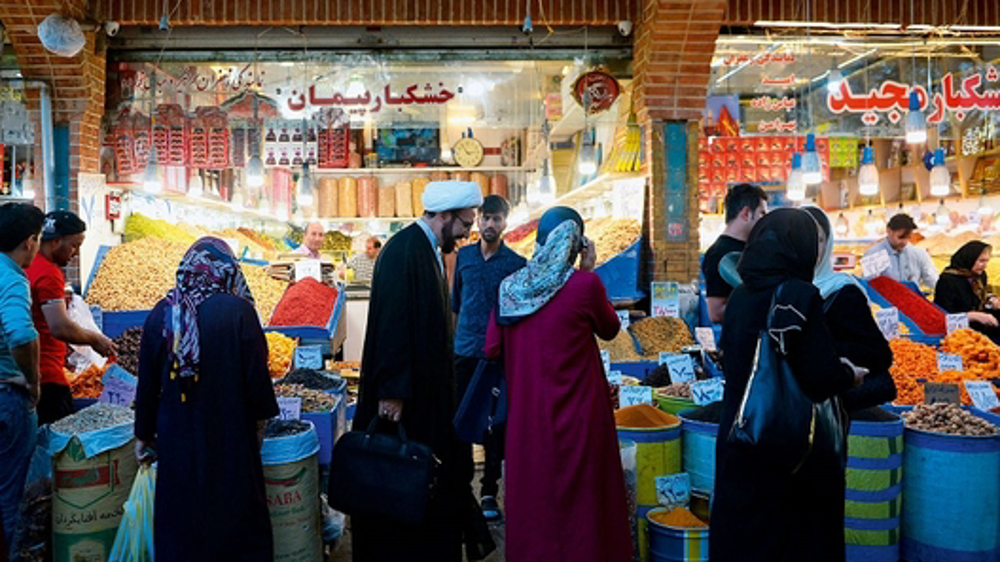
Recent economic data illustrate the nuanced state of Iran’s economy. After a sustained period of positive growth attributed to improved sanction management and domestic reforms, early 2025 saw a slight contraction.
Agricultural, industrial, and utility sectors faced declines, while services and energy sectors maintained modest growth. Consumer spending—a barometer of household welfare—also contracted slightly, reflecting inflationary pressures and uncertainty.
These figures signal challenges but do not constitute a systemic collapse. Instead, they highlight areas for policy focus, including energy management, investment facilitation, and consumer confidence restoration.
Looking ahead, Iran’s economic prospects depend heavily on several interlinked factors. Firstly, fostering a dynamic and diverse industrial base, particularly through supporting small and medium enterprises, promoting technology adoption, and enabling entrepreneurial innovation, will be vital.
Emerging sectors such as knowledge-based industries and renewable energy present opportunities for sustainable growth, reducing vulnerability to external shocks.
Also, regional cooperation with neighboring economies and engagement with multilateral trade blocs independent of Western influence could open new avenues for commerce and investment.
Existing ties with regional partners and major non-Western powers provide a foundation upon which to build resilient supply chains and financial networks.
Moreover, improving the business environment by combating corruption, streamlining bureaucracy, and enhancing transparency will attract both domestic and foreign capital. Investment-friendly reforms coupled with pragmatic economic governance can unlock latent potential and reinvigorate growth.
Finally, managing expectations both at home and abroad is crucial. Staying calm and consistent in policies will help stabilize markets and maintain social unity.
Economic diversification, along with focused social programs, can protect vulnerable groups from external shocks and support inclusive growth.
In conclusion, while renewed UN sanctions represent a geopolitical challenge, their economic impact on Iran is likely to be constrained by the resilience built over the past decade amid sanctions, evolving trade partnerships, and adaptive domestic policies.
The critical task lies not in reactionary policy shifts but in doubling down on economic self-reliance, innovation, and regional integration. By doing so, Iran can navigate current pressures and lay the groundwork for sustainable prosperity, even under continued external constraints.
ECO can play greater role in regional peace, economic integration: Araghchi
Iran says international flights continue despite US sanctions pressure
Iran slams US for blaming Tehran over rising fuel prices, Strait of Hormuz closure



VIDEO | Press TV's news headlines
VIDEO | Large pro-Palestine demonstration held in western Germany
VIDEO | 'US violating international law, going further down the wrong road': Analyst
‘Surprises in store’: Iran vows to counter any fresh aggression with ‘new technologies’
Iraqis mark second anniversary of Hezbollah leader's martyrdom
Strait of Hormuz authority warns ship owners over attempts at forcing vessels onto illegal routes
Iran FM: Restoring trust in UN requires ending impunity for those behind grave intl. crimes
Disarmament without dealing with Israel’s nukes is meaningless: Iran's deputy FM


 PressTV NEWSLETTER
now
PressTV NEWSLETTER
now
 This makes it easy to access the Press TV website
