Discover Iran: A journey through Isfahan’s culinary heritage where every bite tells a story
By Humaira Ahad
- Isfahan’s cuisine reflects centuries of culture, blending spices, stories, and traditions into immersive culinary experiences for travelers.
- Tourists engage deeply through cooking workshops, market tours, and heritage dishes that connect them to Iran’s living food traditions.
- Signature dishes like Beryani and Khoresht Mast showcase Isfahan’s artistry, history, and medicinal wisdom in every flavorful bite.
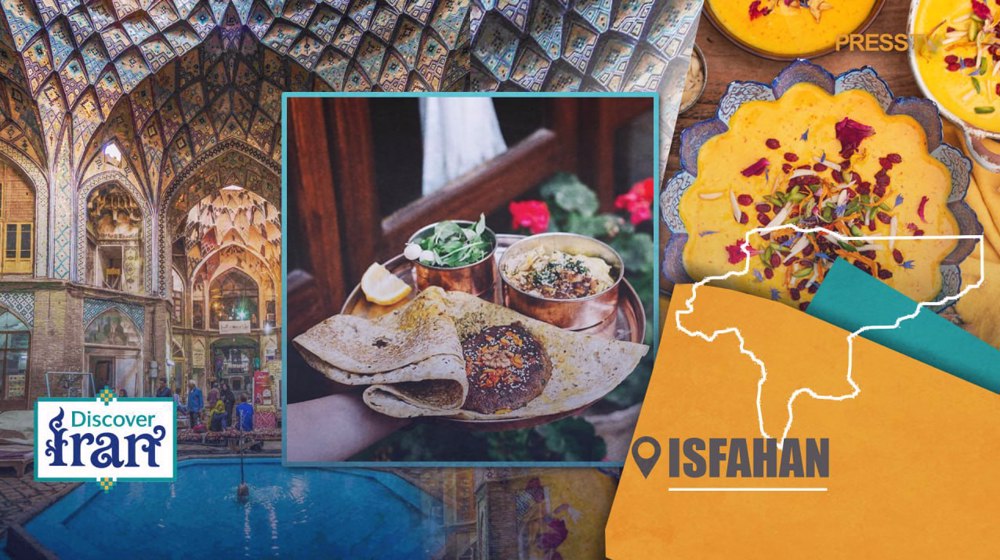
In central Iran’s Isfahan province, the dish of Beryani tells a story that spans centuries.
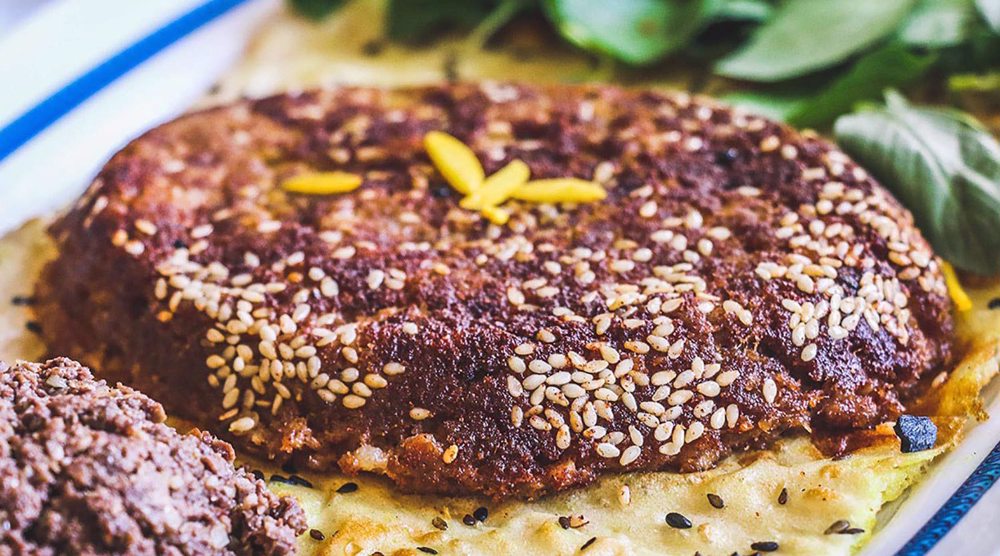
The golden hue of the meat, the appetising aroma of saffron and cinnamon, and the crisp sangak bread served alongside fresh Sabzi-Khordan, a basket of radishes, scallions, and fragrant herbs, combine to create a sensory experience that transcends mere dining.
The food carries the iconic city’s glorious history, its fascinating culture, and the enduring love for culinary craftsmanship among people there.
Iran’s cuisine has long been a reflection of its rich cultural heritage. The food captures the traditions, geography, and identity of its people. Among the country’s culinary jewels, Isfahan stands out for a gastronomic tradition that has drawn tourists for centuries.
Isfahan’s fragrant herbs, hand-ground spices, and centuries-old recipes offer travellers a chance to explore a city whose food is as intricate as its UNESCO-recognised architecture.
Local flavors: Gateway to Isfahan’s culture
Food in Isfahan is a gateway into the city’s rich culture. Traditional dishes reflect the region’s geography and history, from its desert climate to the trade routes that brought spices, herbs, and ingredients from across the Persian Empire.
Porridge-like stews and hearty meat dishes, often served with fresh bread, dominate the culinary landscape. These meals are the city’s identity, offering tourists a chance to engage with local life in an immersive way.
Today, the city’s culinary offerings are increasingly integrated into creative tourism. Tourists participate actively in food workshops, observe cooking techniques in traditional kitchens, and taste dishes prepared with centuries-old methods.
This approach transforms food from a simple commodity into a cultural experience, enabling travellers to appreciate the skill, patience, and artistry that go into every recipe.
Let's take a brief look at Isfahan — a historic city where Iran’s ancient glory meets modern industry. From breathtaking architecture to thriving modern factories discover why Isfahan is truly half the world.
— Press TV 🔻 (@PressTV) September 13, 2025
Follow Press TV on Telegram: https://t.co/LWoNSpkc2J pic.twitter.com/iMxfwd5tvA
Markets and street life: heartbeat of Isfahan’s cuisine
Isfahan’s busy bazaars offer a feast for all senses. In the alleyways of traditional markets, spices are stacked in colourful towers, the scent of fresh bread drifts from brick ovens, and vendors call out samples of Beryani, Kuku Qandi, and other delicacies.
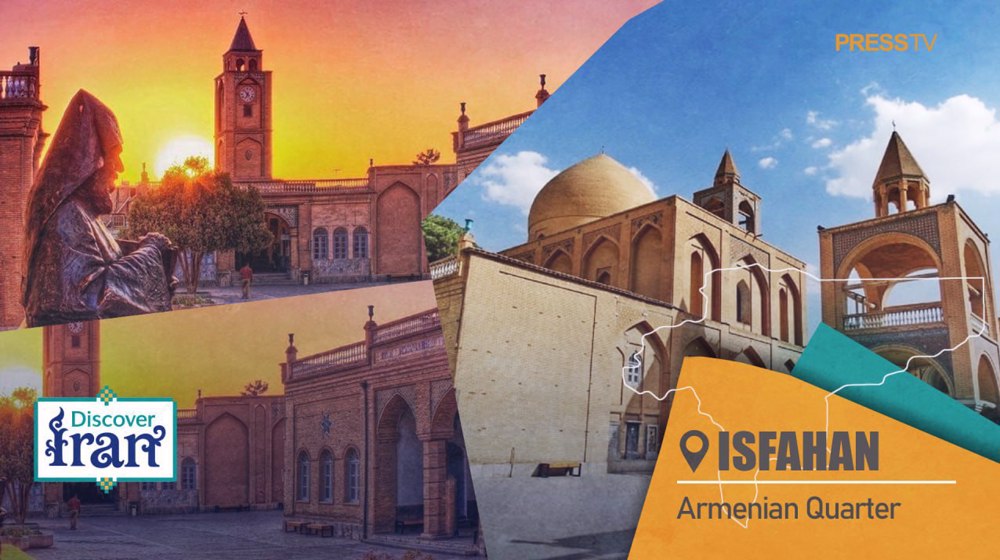
The Julfa market in the historic Armenian quarter of the city is especially famous for its aromatic products, from saffron and dried fruits to nuts and fragrant herbs that provide visitors with a direct taste of Isfahan’s culinary heritage.
Small eateries tucked away from main streets serve long-established dishes like Kaleh Joosh and Yakhmeh Torsh.
These dishes, some of which are rarely prepared in Iranian homes these days, offer tourists an authentic experience of Isfahan’s daily life and historical food traditions.
Soul of Isfahan’s cuisine
Beryani is the city’s culinary emblem. Made with ground lamb, saffron, mint, onion, and cinnamon, and garnished with nuts, it is traditionally paired with sangak bread and fresh herbs. Usually accompanied by a bowl of Aab-Goosht, a lamb stew, Beryani is a centuries-old dish whose rich flavours and distinctive appearance have made it a must-try for visitors.
Khoresht Mast or Yoghurt Stew is a cold dessert made from lamb, beaten yogurt, saffron, and sugar. The dessert distinctively blends sweet and tangy flavors, offering a striking contrast to Iran’s more conventional desserts.
Yakhmeh Torsh blends rice, lamb, apricots, quince, and sugar or date syrup into a sweet-sour stew. Traditionally considered beneficial for anemia and bone health, the dish represents centuries of culinary knowledge and medicinal wisdom. It is meticulously prepared, a process that reflects the care and patience integral to Isfahani cuisine.
Kuku Qandi, a fragrant potato-based dessert, combines potatoes, eggs, rosewater, saffron, sugar, and lemon juice, delivering a delicate aroma and nostalgic flavor.
Kachi Haft Dokhtaroon, a culturally rich dessert, is steeped in legend. Historically prepared by seven girls on Tuesdays as part of a ritual, it is made with wheat flour, pistachios, almonds, and rosewater. Its soufflé-like texture and delicate aroma make it a recipe tied to both tradition and storytelling.
Kaleh Joosh is an easy yet flavorful dish originating from the nomadic tribes of Iran. Eggplant is boiled with kashk (whey), dry mint, walnuts, and onions to create a soup that is simple, nourishing, and iconic. It is typically served with crusty bread, offering a direct taste of the nomadic life.
Immersive culinary experience
Isfahan’s culinary tourism extends into interactive workshops and cooking classes, where tourists can observe and participate in the preparation of traditional dishes.
Participants learn the subtleties of spice combinations, knead dough for pastries, or stir long-simmering stews, gaining insight into the city’s gastronomic heritage. These experiences provide interactive lessons in culture, history, and daily life in Iran.
Visitors may spend hours in a sweet-making workshop, learning how to prepare Kuku Qandi or Kachi Haft Dokhtaroon under the guidance of local cooks.
In traditional kitchens, the sounds of chopping herbs, stirring stews, and folding pastries immerse participants in the rituals and practices that have been passed down for generations.
Each sensory experience, from the scent of saffron to the feel of dough, connects tourists with the living history of the city.
In Isfahan, these include both domestic and international travelers, with studies showing that domestic visitors are often young adults seeking unique experiences. International tourists tend to be older, drawn by the opportunity for cultural immersion and authentic flavours.
Observations suggest that women prioritise food safety and natural ingredients, while men focus more on taste and novelty. These patterns have influenced the development of Isfahan’s creative culinary tourism.
Cooking workshops, market tours, and hands-on experiences are designed to meet the expectations of diverse groups, ensuring that both domestic and international travellers can engage meaningfully with the city’s food culture.
Isfahan also hosts food festivals and gastronomic events, which showcase local flavours and techniques. From small rural gatherings to urban celebrations, these events highlight saffron cultivation, pastry-making, and traditional recipes.
Tourists get the opportunity to observe Iranian chefs at work, learn local methods, and even try their hand at preparing rare dishes.
These festivals connect visitors with local producers and home cooks while emphasising heritage preservation and community engagement.
Isfahan’s cuisine is a living, breathing expression of culture, tradition, and history. Creative culinary tourism ensures that tourists do more than eat – they engage, learn, and experience the rituals, flavors, and artistry that define Isfahan.
In the city’s markets, kitchens, and workshops, food becomes a language of connection, linking tourists to locals and allowing them to participate in centuries-old traditions.
Exploring Isfahan through its cuisine offers a window into the heart of the city, where every dish narrates a story.
For those wishing to truly understand Iran, immersing oneself in Isfahan’s rich culinary heritage offers an intimate and unforgettable way to experience the country.
Preliminary review of Iran's UNESCO nomination for Historic Port of Siraf successfully completed
Arbaeen 2026 becomes statement of unity and resilience amid US-Israeli war on Iran, resistance axis
First black stork spotted in Western Iran’s Zaribar Wetland, marking an environmental milestone



US Senate overwhelmingly approves sweeping Russia sanctions package negotiated by late Sen. Graham
‘Time to rely only on ourselves, embrace true brotherhood’: Iran tells regional Muslim nations
US on the verge of 'significant strategic defeat' against Iran: Ex-US negotiator
VIDEO | Tunisia’s medicine price hikes fuel social concerns over healthcare access
AIPAC eyes another push against El-Sayed after $32 million defeat in Michigan primary
Any country joining Saudi aggression is aggressor, Yemen warns after joint ‘defense' deal
VIDEO | Press TV's news headlines
Persian Gulf security must come from within the region, not outside: Iran deputy FM


 PressTV NEWSLETTER
now
PressTV NEWSLETTER
now
 This makes it easy to access the Press TV website
