Discover Iran: From heritage to industry, how Isfahan became country’s handicraft hub

By Maryam Qarehgozlou
- Isfahan artisans have preserved centuries-old crafts like Minakari, Qalamkari, and Khatamkari, sustaining cultural heritage while providing jobs, income, and economic vitality for the province
- Isfahan produces nearly 60 percent of Iranian handicrafts, employs over 70,000 artisans, and generates significant exports and tourism revenue, showcasing handicrafts as a thriving economic sector.
- Global recognition from UNESCO and the World Crafts Council elevates Isfahan’s crafts, attracting tourists, expanding international markets, and ensuring traditional skills continue to drive Iran’s cultural and economic growth
The artisans in the central Iranian province of Isfahan have preserved centuries-old crafts while turning their skills into a vital source of income for the local economy.
In bazaars and workshops, master craftsmen continue to pass down their expertise through generations, maintaining Persian heritage and sustaining livelihoods.
Isfahan has long been considered the craft capital of Iran. In this province, handicrafts are more than a cultural legacy or souvenirs; they are a billion-rial thriving industry that sustains tens of thousands of jobs, artisans, fuels exports, and draws millions of tourists every year.
The Safavid-era capital is often called the “crown jewel of Iran’s handicraft industry,” where artisans work to preserve skills handed down through generations.
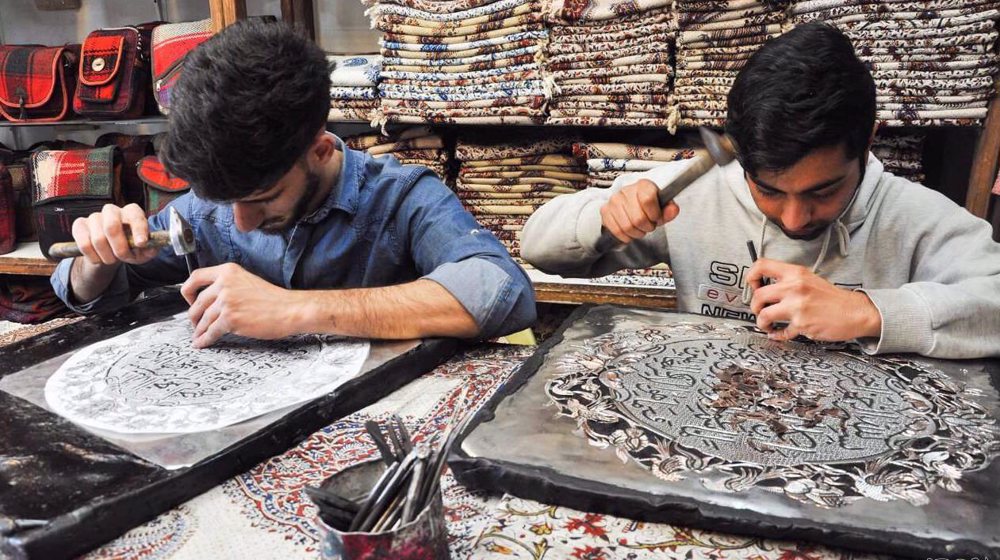
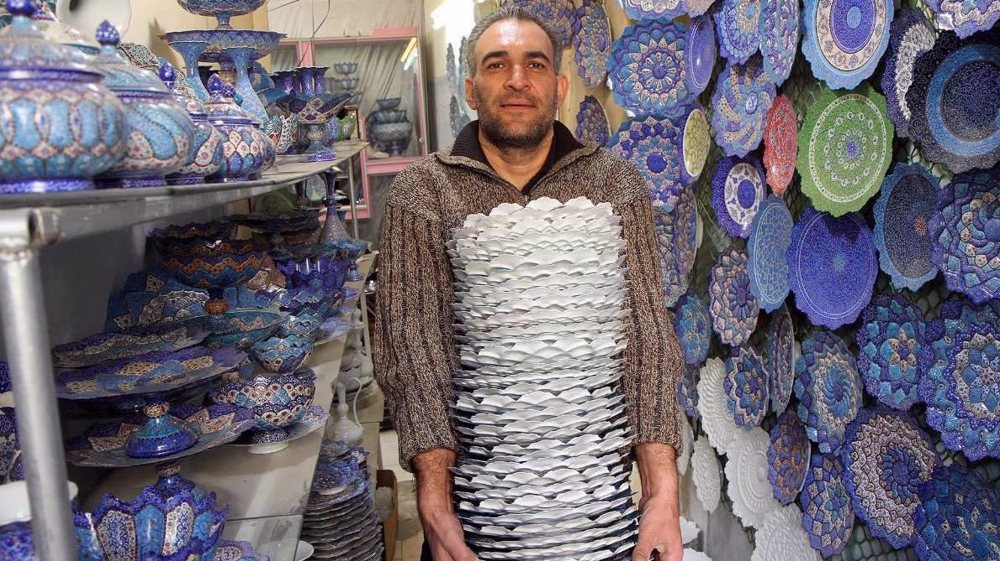
Artisans in Isfahan have preserved a range of centuries-old crafts, from intricate metal enameling (Minakari), inlaid woodwork (Khatamkari), metal engraving (Qalamzani), mirror mosaic (Ayeneh-kari), to turquoise inlay (FiroozehKoobi), carpet weaving, pottery, tilework, embroidery (Sermeh), and block-printed textiles (Qalamkari).
Apart from its many historical wonders, Iran’s Isfahan is known for its globally renowned handicrafts industry. pic.twitter.com/U2A6Xc2oyo
— Press TV 🔻 (@PressTV) October 24, 2017
Home to 60% of all Iranian handicrafts
The province produces nearly 60 percent of all Iranian handicrafts, with some 200 of the country’s nearly 300 registered craft disciplines practiced locally, according to the handicraft association of Isfahan.
More than 70,000 artisans are active across the province, working in some 9,000 workshops and enterprises, many clustered around Naqsh-e Jahan Square.
The volume of exports showcases the economic potential. In the Iranian calendar year ending March 2024, Isfahan’s handicraft exports exceeded $15 million, almost double the year before, according to the provincial tourism department.
In the first nine months of the previous Iranian calendar year (March 21 to December 20, 2024), exports reached $7.6 million, as reported by the IRNA news agency.
Tourism is also a major engine for the handicraft industry’s growth.
The governor-general of Isfahan province, Mehdi Jamalinejad, revealed in May this year that approximately 1.6 million tourists opted to stay in the province during Nowruz holidays, which mark the Iranian New Year, starting on March 21.
At that time, 600 handicraft stalls generated around 250 billion rials (about $250,000) in sales, and officials estimated the potential could climb to 2.5 trillion rials ($2.5 million).
Isfahan as prime tourist attraction
Global recognition has also strengthened Isfahan’s position, as the province is considered among the prime attractions for foreign tourists and is home to many world heritage sites.
In 2015, the World Crafts Council named Isfahan a World Crafts City, making it the first Iranian city to receive such recognition.
In 2023, UNESCO also designated Isfahan as a Creative City of Crafts and Folk Art for its role in preserving and promoting traditional craftsmanship.
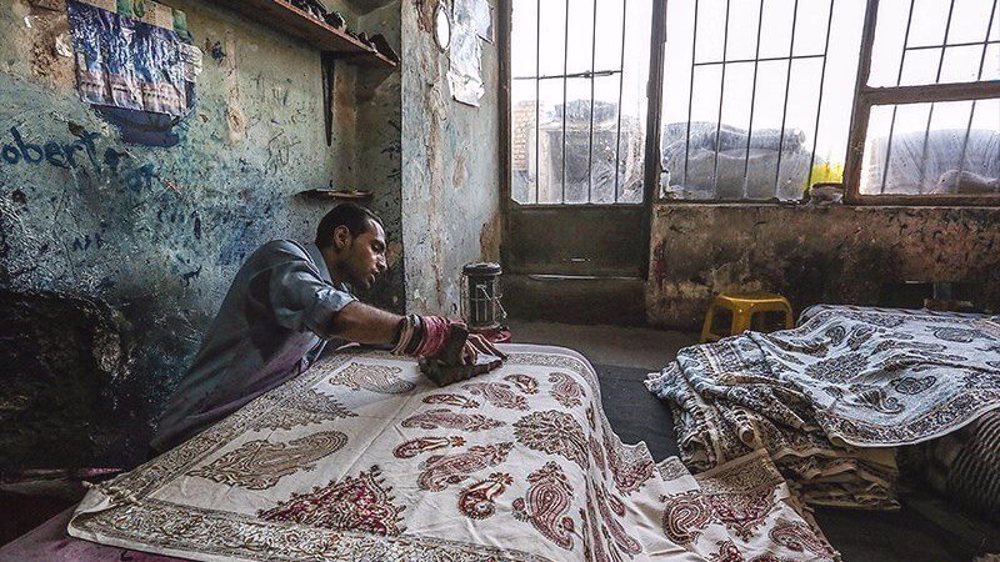
Isfahan’s art of Qalamkari—a textile-printing technique using hand-carved wooden stamps—was granted global status by the World Council of Handicrafts also in 2023.
Known for its oriental and Iranian motifs, Qalamkari often features floral patterns, arabesques, geometric designs, hunting scenes, and Persian calligraphy. Its delicate ornaments are closely tied to other Iranian arts, such as carpet weaving and mosque tilework, echoing the imagery of Persian gardens.
Traditionally printed on cotton, silk, canvas, or fustian, cotton remains the preferred fabric due to its high absorption qualities.
While the exact origins of Qalamkari remain uncertain, art historian Arthur Pope traced its presence in Iran back to the Ghaznavid era, with its golden age under Safavid ruler Shah Abbas.
Isfahan's globally recognized crafts
Qalamkari was the second of Isfahan’s crafts to be globally registered, following Minakari—the art of painting natural motifs such as flowers and birds on metal surfaces, typically copper.
In 2024, the city added another achievement when its craft of seven-color tile making received international recognition for its cultural and historical importance.
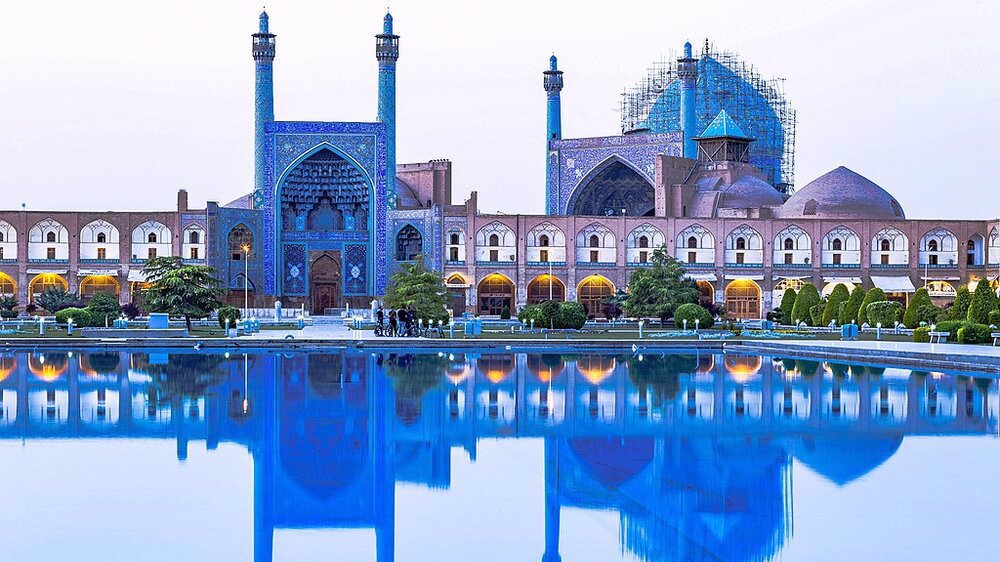
This technique, especially prominent in the Safavid era, remains a defining feature of Isfahan’s architecture. Masterpieces like the Imam Mosque and Sheikh Lotfollah Mosque in Naqsh-e Jahan Square still showcase the brilliance of these multicolored tiles.
Experts say these honors go beyond symbolism: they draw tourists, expand international markets, and help sustain livelihoods while safeguarding centuries-old skills.
For Iran’s broader economy, handicrafts offer an alternative to oil. They require limited infrastructure, create jobs across gender and age groups, and contribute to cultural diplomacy.
Reports indicate that handicrafts have become one of the country’s strongest non-oil exports, and for many artisans, they provide a stable income tied to skills handed down through generations.
From enamel and inlaid woodwork to carpets and metal engraving, Isfahan’s workshops show how traditional crafts can deliver modern prosperity.
By combining heritage with global markets, the city’s artisans keep alive a centuries-old skill set that continues to drive Iran’s economy forward.

Discover Iran: Sistan and Baluchestan Science and Tech Park powering innovation and growth
Discover Iran: How once-isolated Makran coast is rising as Indian Ocean’s next strategic powerhouse
Discover Iran: The network of rivers, lakes, and wetlands of Sistan and Baluchestan



Iran, Oman FMs discuss administration of Hormuz Strait in ‘very productive’ call
Italy: Protesters stage nationwide strike, demand end to Israeli genocide in Gaza
US will not be allowed to control Cuba's destiny through coercion, military threats: Diplomat
Iran’s active role in Eurasian bloc reflects its strong commitment to development: President
Champions again: Iran women’s volleyball retains CAVA title
Polls show Trump’s approval ratings drop to new lows
Chief negotiator: Iranian missiles win concessions, talks just make US understand
Hezbollah: 'No choice but resistance' as Israel expands Lebanon aggression




 PressTV NEWSLETTER now
  This makes it easy to access the Press TV website