Oil prices up about 2% after Israel's Doha attack; oversupply caps gains

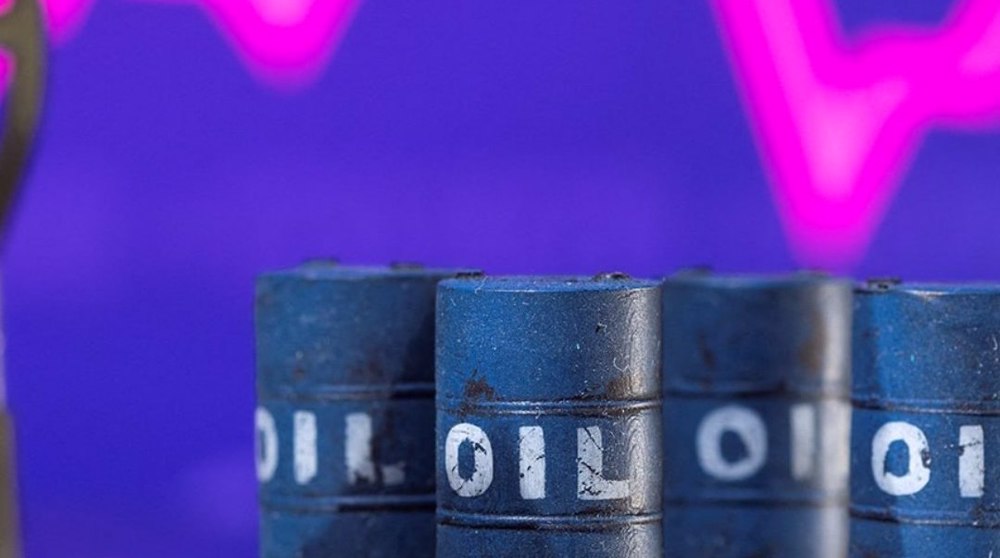
Oil prices rose nearly 2% on Wednesday in response to an Israeli attack in Qatar, Poland's downing of drones in its airspace, and a push by the US for new sanctions on buyers of Russian oil, although concerns about excess crude supply capped gains.
Brent crude futures were up $1.20, or 1.82%, to $67.60 a barrel at 1:42 p.m. EDT (1742 GMT), and US West Texas Intermediate crude futures rose $1.10, or 1.9%, to $63.75 a barrel.
Prices had settled 0.6% higher in the previous trading session after Israel said it had attacked the leadership of the Palestinian group Hamas in Doha. Both benchmarks rose nearly 2% shortly after the attack, but then retraced much of their gains.
EU mulls faster phase-out of Russian fossil fuels
Geopolitical tensions also rose when Poland shot down drones over its airspace during a widespread Russian attack in western Ukraine on Wednesday, marking the first time a NATO member had fired shots in the war. However, there was no immediate threat of oil supply disruption.
“The dark cloud of surplus ahead is ... hanging over the market with Brent trading two dollars lower than last Tuesday. Geopolitical risk premiums in oil rarely last long unless actual supply disruption kicks in,” SEB analysts said.
US President Donald Trump has urged the European Union to impose 100% tariffs on China and India - major buyers of Russian oil - as a strategy to pressure Moscow to enter peace talks with Ukraine, according to sources.
With EU officials in Washington to discuss Russia sanctions, European Commission chief Ursula von der Leyen said on Wednesday the bloc was considering a faster phase-out of Russian fossil fuels as part of new measures aimed at Moscow.
The 27-member bloc is very unlikely to impose crippling tariffs on India or China, EU sources said.
Traders expect the Federal Reserve will cut interest rates at its September 16-17 meeting, which could boost economic activity and demand for oil.
But the supply outlook remains bearish.
US crude stocks, gasoline, and distillate inventories rose last week, the Energy Information Administration said on Wednesday.
Crude inventories increased by 3.9 million barrels in the week to September 5, the EIA said, compared with analysts' expectations in a Reuters poll for a draw of 1 million barrels.
US gasoline stocks rose by 1.5 million barrels, compared with analysts' estimates for a draw of 200,000 barrels. Distillate stockpiles, which include diesel and heating oil, rose by 4.7 million barrels, versus expectations for a rise of 35,000 barrels.
“A very bearish report. The big headline is that crude build ... and then on top of that we had a big drop in gasoline, so now we are waiting to see how much gasoline demand will fall off a cliff after the US summer driving season, and it looks like it will be substantial,” said John Kilduff, partner with Again Capital.
“Given the economic data points lately showing an indicated slowdown, especially in the labor market, this weak gasoline demand and pattern of low exports could be other indicators of a slowing economy in the US and potentially globally,” Kilduff added.
The EIA cautioned on Tuesday that global crude prices will be under significant pressure in the coming months because of rising inventories as the OPEC+ group, which includes the members of the Organization of the Petroleum Exporting Countries and its allies, increases output.
(Source: Reuters)
Global oil inventories at lowest since 2018 amid war against Iran: Report
World Bank warns of record energy price surge due to US-Israeli war on Iran

US-Israeli war on Iran disrupts global circuit board supply, raises tech costs: Report



Millions across Iran renew allegiance to new Leader at Ghadir celebrations
Hamas hails Iran for insisting on simultaneous end to war across all fronts
Handala claims killing senior Mossad officer after months of surveillance
Hybrid warfare after military defeat: Iran, resistance axis to thwart enemy plots – including psyops
Hezbollah drone targets Netanyahu's location during visit to north
Hezbollah chief hails Iran’s support, reaffirms resistance against US, Israel
At UN, Iran decries world's silence as it honors children killed in Minab by US
IRGC urges immediate halt to Israeli attacks on Lebanon, troop pullout


 PressTV NEWSLETTER
now
PressTV NEWSLETTER
now
 This makes it easy to access the Press TV website
