Imam Musa al-Sadr’s family dismisses BBC documentary claims
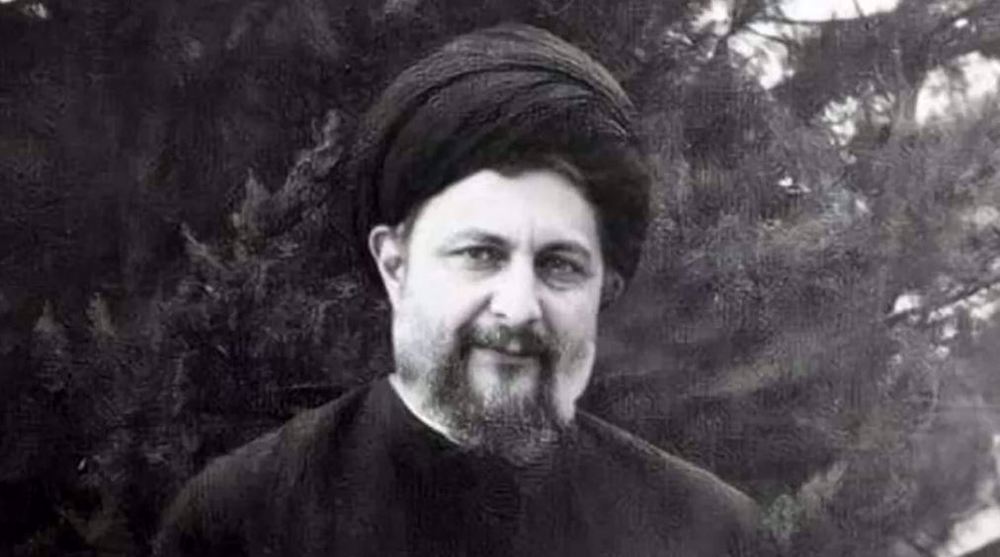
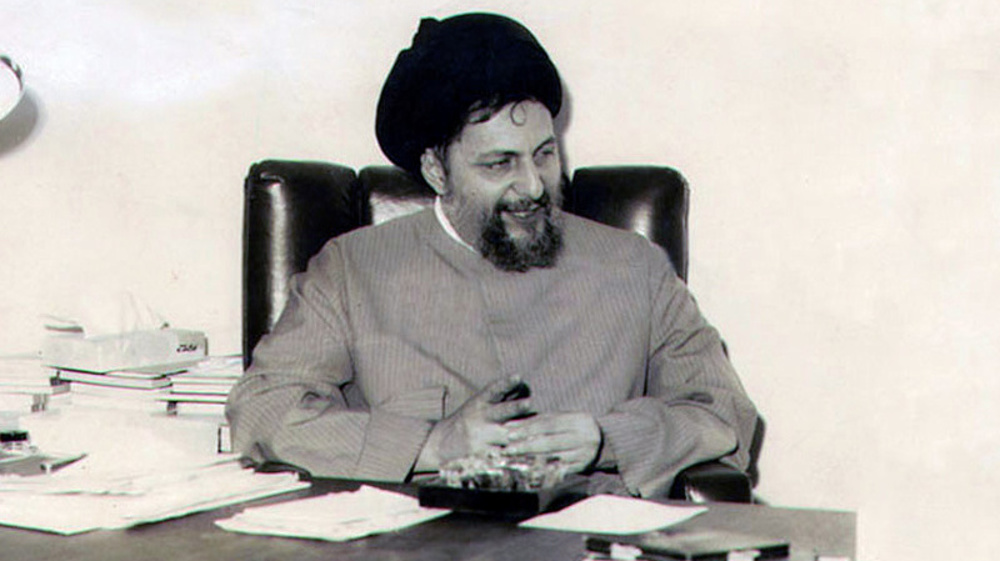
The family of missing Lebanese cleric Imam Musa al-Sadr has rejected a BBC documentary suggesting that he died in Libya, accusing the broadcaster of using an image without their consent and misrepresenting its authenticity.
The BBC program, which featured members of al-Sadr’s family and Hassan Shami, secretary of the official committee pursuing the case, aimed to address the decades-old mystery surrounding the disappearance of al-Sadr and his two companions in Libya in 1978.
In a statement, the family dismissed the broadcaster's use of artificial intelligence analysis to suggest his possible death. They said they had provided the production team with full access to photographs, documents, and other resources in the hope of advancing the investigation.
However, during the documentary’s preparation, the family and committee were shown a clip that was later used by the BBC to suggest they had found the whereabouts of the missing cleric.
“This clip included a technical effort by the network using artificial intelligence to compare a blurry image taken under poor conditions in 2011 inside al-Zawiya Hospital in western Tripoli, which they claim belongs to Imam Musa al-Sadr.”
According to the family, the comparison was made without their knowledge or permission. They said they immediately rejected the image upon seeing it, citing “clear and significant differences” in facial structure, hair color, and other obvious features.
The BBC has not yet publicly responded to the family’s objections.
The BBC's investigation, released on Monday, featured the controversial analysis conducted with deep facial recognition software developed by Professor Hassan Ugail at the University of Bradford.
The disappearance of al-Sadr, a prominent Lebanese Shia cleric and political leader, remains one of the Middle East’s most enduring mysteries.
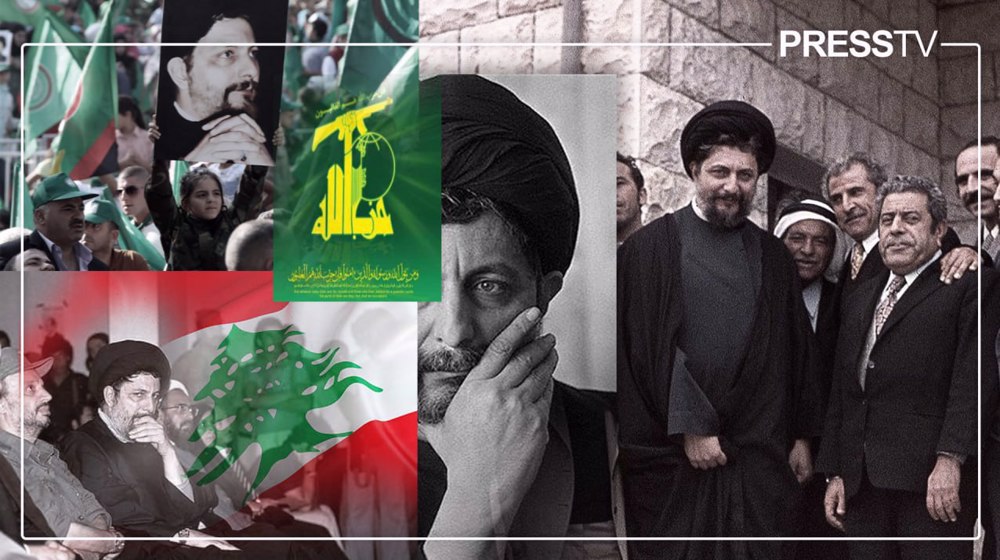
He vanished in Libya on August 31, 1978, after traveling there to meet then-Libyan leader Muammar Gaddafi. Libyan authorities later alleged he had left for Rome, a claim disproved by subsequent inquiries.
His disappearance shook Lebanon and the wider region. Al-Sadr had founded the Amal Movement, campaigned for the rights of Lebanon's marginalized Shias, and was known for promoting interfaith dialogue.
The BBC’s new film, part of its Eye Investigations series, presented what it called "dramatic new evidence."
It centers on testimony from Lebanese reporter Kassem Hamadé, who in 2011 said he discovered a secret morgue in Tripoli containing 17 bodies believed to date back more than 30 years.
Among them, Hamadé said, was a tall corpse resembling al-Sadr, who stood at 1.98 meters.
He photographed the body and took a hair sample, which he handed to the office of Lebanese parliamentary Speaker Nabih Berri, leader of the Amal Movement.
The sample was reportedly never tested, with Amal officials later claiming it had been lost due to a "technical error."
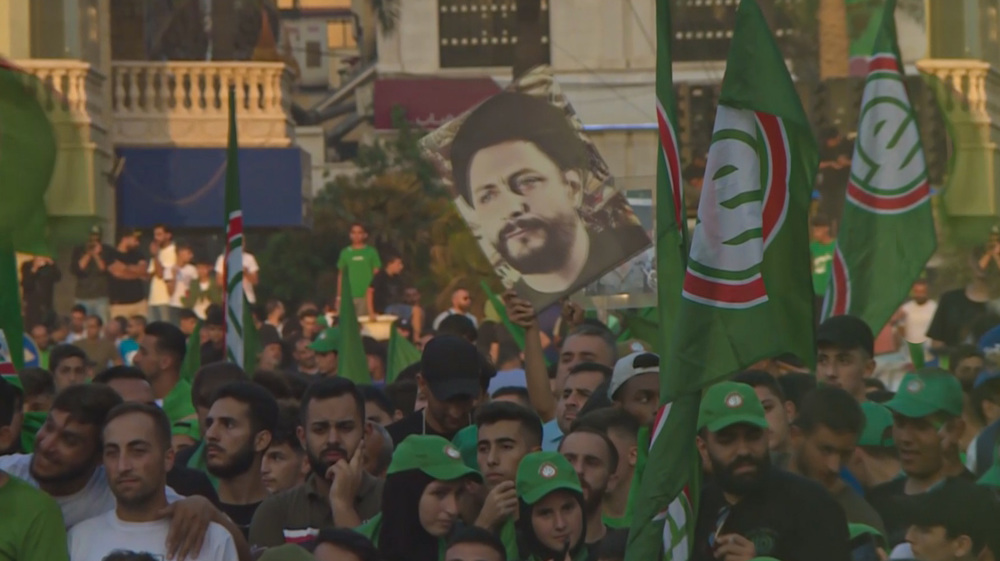
The Amal Movement continues to mark every August 31 as the anniversary of his disappearance, holding rallies demanding his release.

Pelosi: Make Iran’s rural supporters ‘feel the pain’ through sanctions

US has come to realize there is no ‘military solution’ to Iran’s nuclear issue: Ex-diplomat
Iran: Israeli violations main obstacle to peace, security in Syria



Power running out at key Gaza hospital, ICU patients at risk: Report
VIDEO | Press TV's news headlines
‘Speaking truth is her crime’: Netizens rip into European allies of Israel for targeting Albanese
Russia reaffirms support for Iran’s sovereignty amid rising US threats
VIDEO | 3,000 bodies of Palestinians ‘evaporated’ as Israel used banned weapons in Gaza
Iran says political pressure cannot undermine its ‘inalienable’ enrichment right
Former Trump adviser Bannon plotted with Epstein to 'take down' Pope Francis
China warns US against ‘plotting’ on Taiwan, says it risks confrontation



 PressTV NEWSLETTER
now
PressTV NEWSLETTER
now

 This makes it easy to access the Press TV website
