Iran's security chief: Resistance 'great asset' for the region
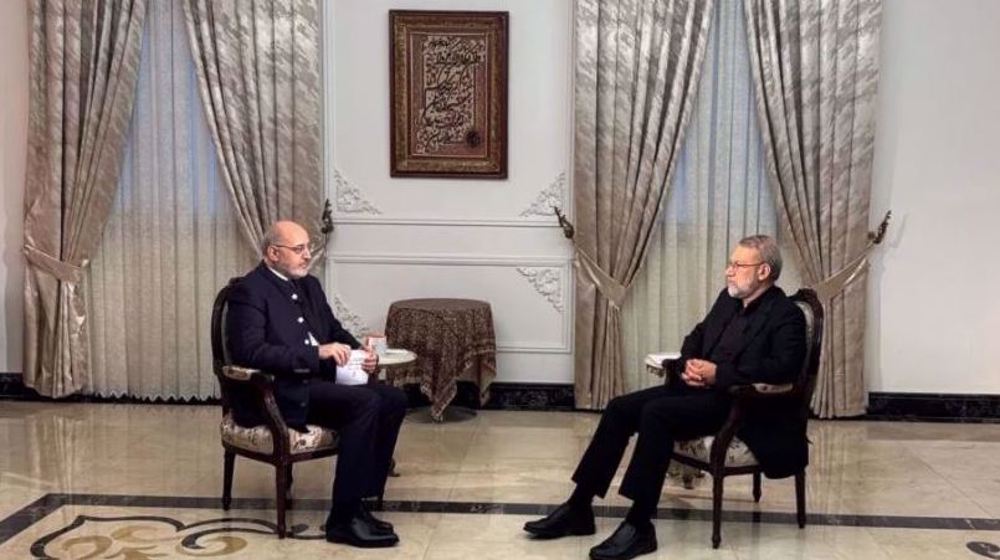
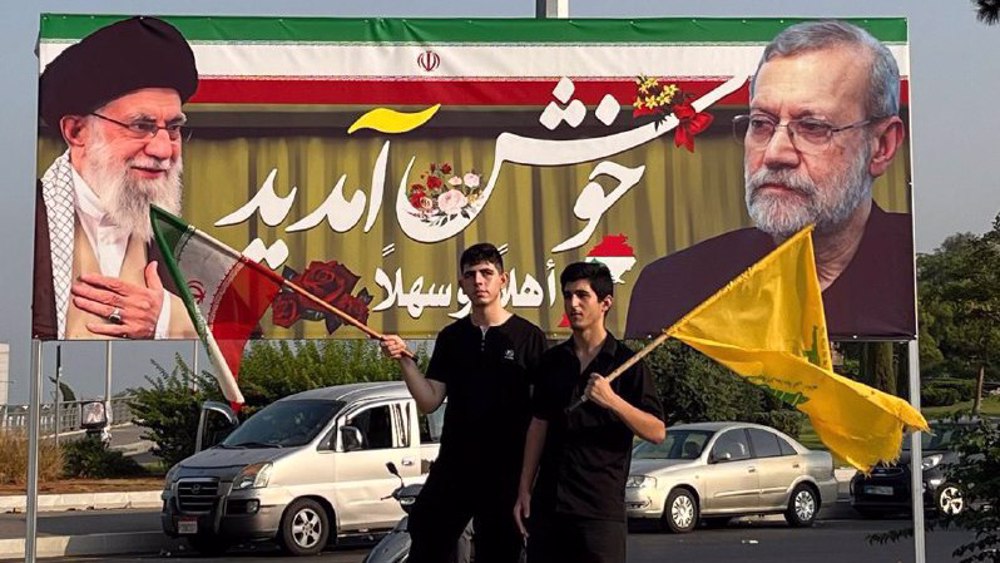
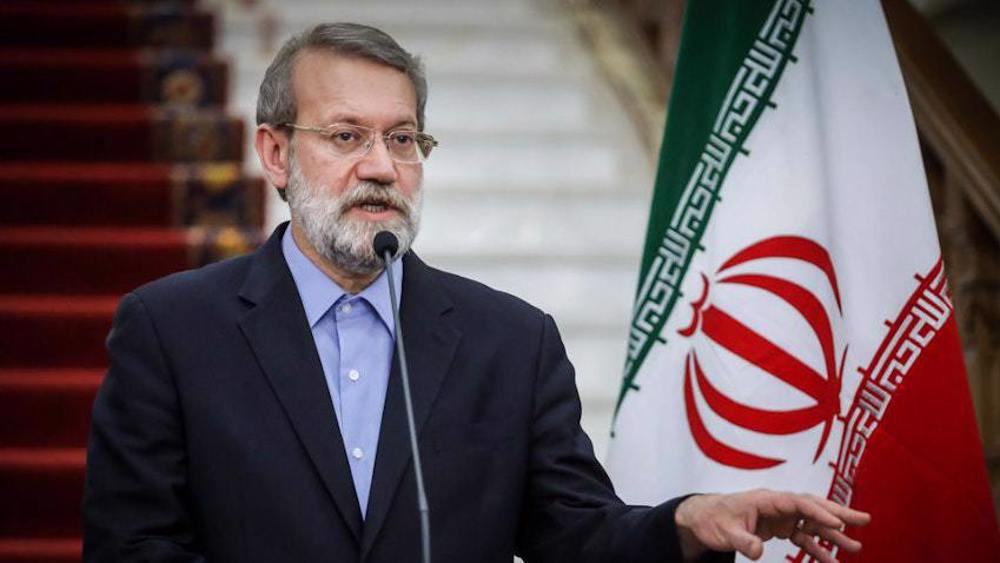
Iran’s top security official Ali Larijani has described resistance as a "great asset" for the region and the Islamic world, noting that resistance groups have reached "maturity" in their decision-making.
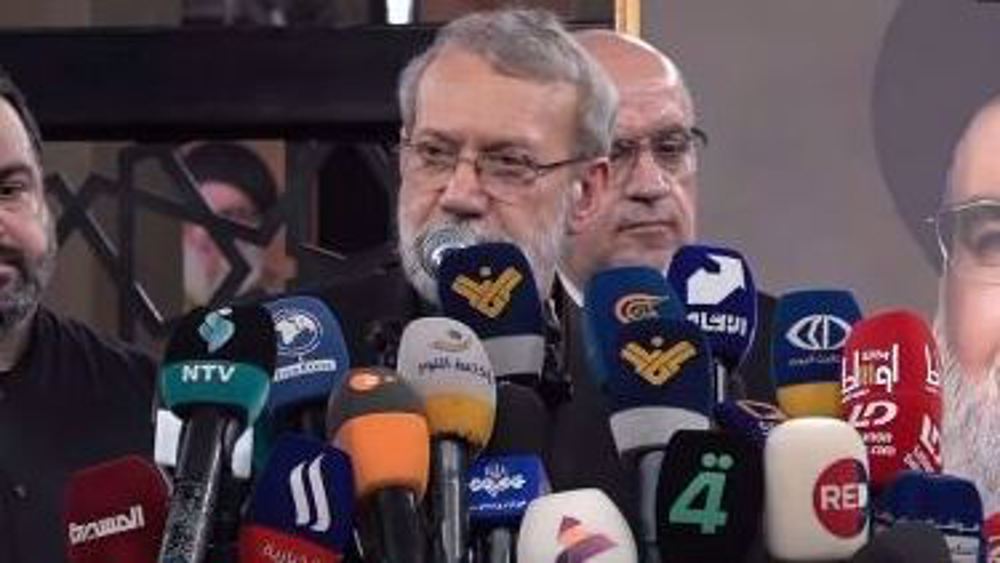
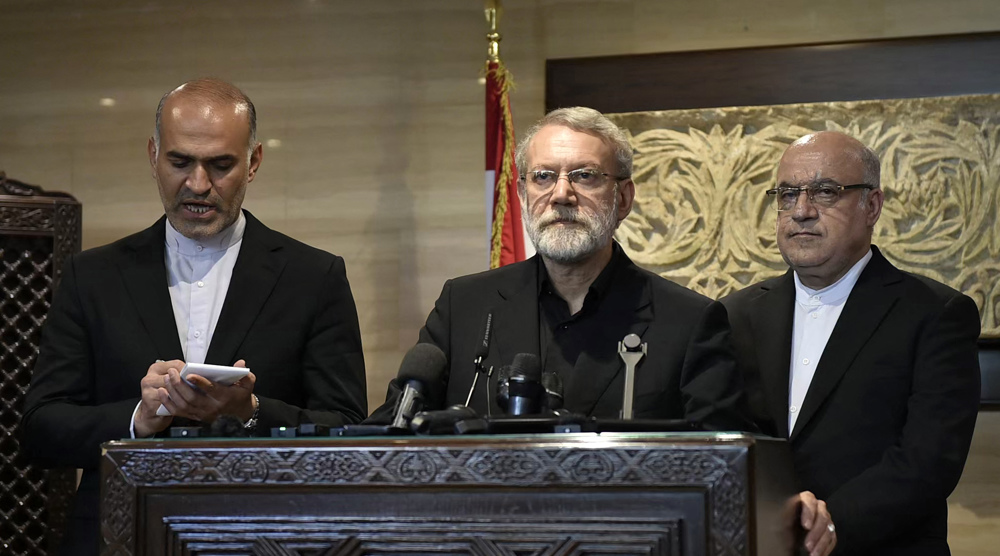
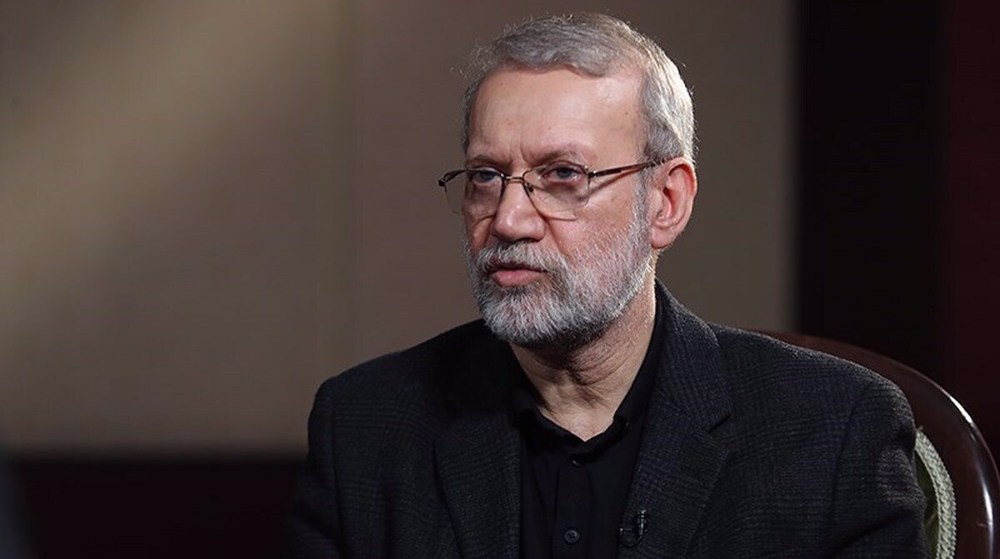
Secretary of Iran’s Supreme National Security Council Ali Larijani, who visited Iraq and Lebanon in recent days for talks with senior officials, told al-Mayadeen television that Tehran views resistance as a unifying and politically mature force in the region.
"Resistance is a great asset for the countries of the region and the Islamic nation, and it must be supported wherever it exists," he said, adding, "resistance is for all."
Stressing that Iran’s backing for resistance is not based on sectarian affiliation, he said, "We defend Hamas, which is a Sunni resistance, and Hezbollah, which is a Shia resistance. Our position is not sectarian."
He emphasized that Iran does not interfere in the internal decisions of resistance groups or those of other countries, saying groups like Hezbollah and Hamas "have reached full maturity."
"Studying the history, you will see that we have never dictated anything to them; they decide for themselves, and we just interact with them as brothers," he said.
In Lebanon, he held meetings with political leaders, including Lebanese President Joseph Aoun and Parliament Speaker Nabih Berri.
The visit came amid mounting pressures on Hezbollah, as part of a US-Israeli plan, to lay down its arms, which is seen as the main deterrent against Israeli aggression.
Israeli failure in 12-day aggression
Larijani also addressed the recent 12-day Israeli-imposed war on Iran, saying prime minister Benjamin Netanyahu failed to achieve his objectives both strategically and tactically.
"Netanyahu started the war and was the one who wanted to stop it," he said, adding, "We are always ready to give a strong response to any aggression by Israel as the regime will not let stability prevail in the region."
The Israeli regime launched a full-scale aggression on Iranian territory on June 13, striking multiple military and nuclear sites, and carrying out assassinations of senior military officials, nuclear scientists, and civilians. The United States also took part in the assault by striking Iran’s peaceful nuclear facilities located in the central region of the country.
In retaliation, Iran’s Armed Forces launched precise strikes on the regime’s military and industrial infrastructure using advanced-generation missiles. Iran also hit back at the United States by targeting a strategic airbase in Qatar.
Twelve days after the start of the war, the occupying regime was compelled to announce a unilateral ceasefire, based on a proposal from Washington.
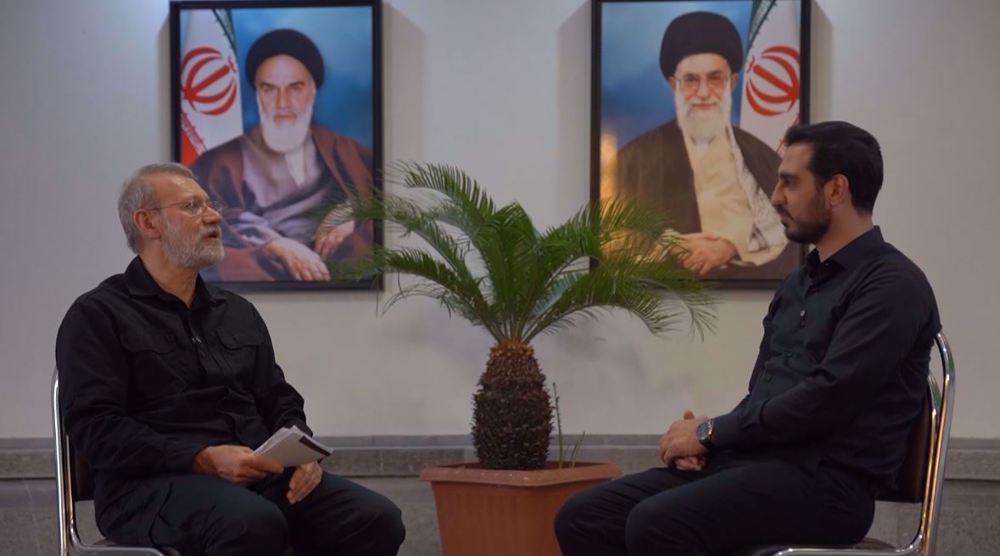
Larijani revealed that on the first day of the recent war, he was threatened with assassination via phone calls and through Israel’s Mossad intelligence service, to which he said he gave "an appropriate response."
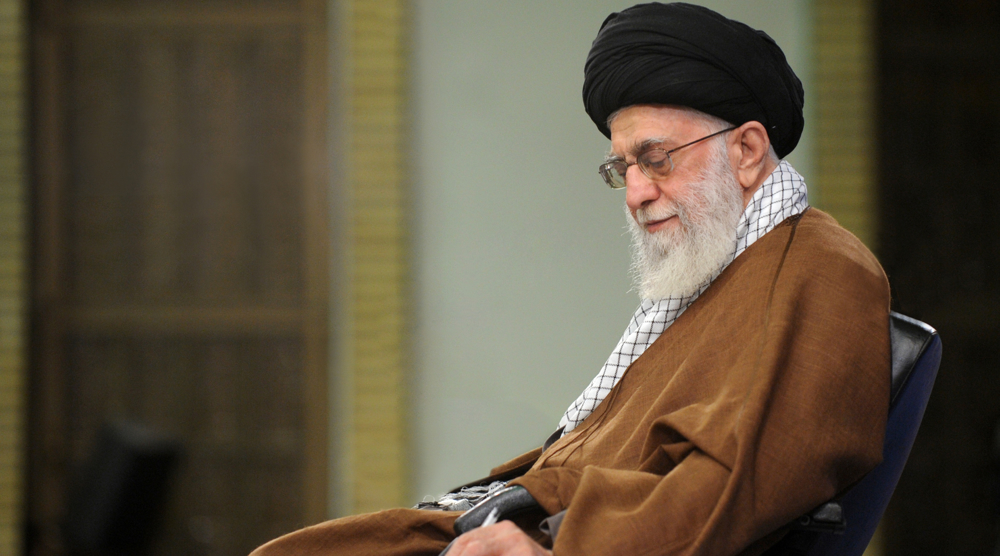
He praised Islamic Revolution Leader Ayatollah Seyyed Ali Khamenei for "breaking the balance" in the war, saying he acted "like a military commander in the operations room," replacing commanders lost in early Israeli strikes and guiding the armed forces with "strength and courage."
"When the Americans shamelessly said, ‘You must surrender,’ Ayatollah Khamenei replied powerfully, ‘We will not surrender, and we will confront you with strength,’" Larijani said.
The official noted that the US-Israeli aggression aimed to overthrow the Islamic establishment in Iran. "They sought to overthrow the Islamic Republic and their plan was to sow sedition, but the result was the opposite—even opponents inside Iran stood alongside the establishment."
'Iran will never surrender'
Elsewhere in his remarks, Larijani slammed Washington's aggressive policies in the region. He rejected the idea of achieving peace through strength, saying that security in the region should be based on the independence and sovereignty of nations, not "the submission of one country to another."
"The Americans’ anger stems from their view of how to ensure security in the region. [US President Donald] Trump has said he wants to create peace through power, whereas our view is completely different," he said.
"Either a country realizes that war is futile and turns to negotiations, which is beneficial, or it uses negotiations as a ploy to prepare for the next war, which is deception," he added.
The US-Israeli aggression on Iran came as Tehran and Washington were in the middle of indirect talks about Iran's peaceful nuclear program via Omani mediators.
"The Americans must make up their minds. When they talk about negotiations and war at the same time, it means they have not understood that war is pointless," said Larijani, adding, "As long as the US theory is to create peace through strength, they will not achieve results or succeed, unless countries surrender, as Syria did; and Iran has never surrendered and never will."
He also highlighted the global shift toward a multipolar world order, saying, "The outlook in the region and the world will change, and it will no longer remain unipolar. Can they confront China? Have they been able to impose their will on [Russian President Vladimir] Putin? We should not make ourselves an easy prey for them."
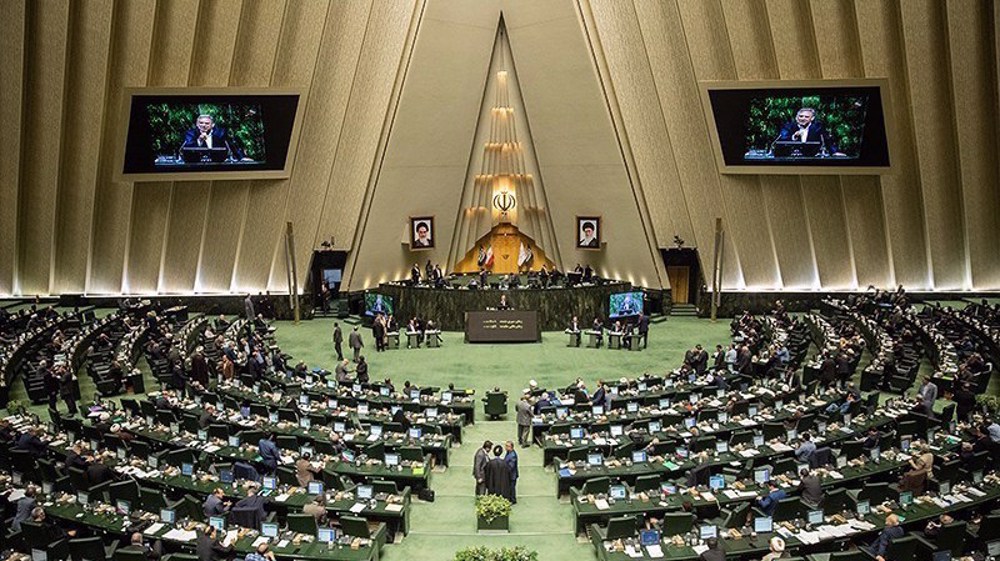
Iran Parliament hails election of new Leader, pledges allegiance
Iran's defense and security institutions unite in steadfast allegiance to new Leader
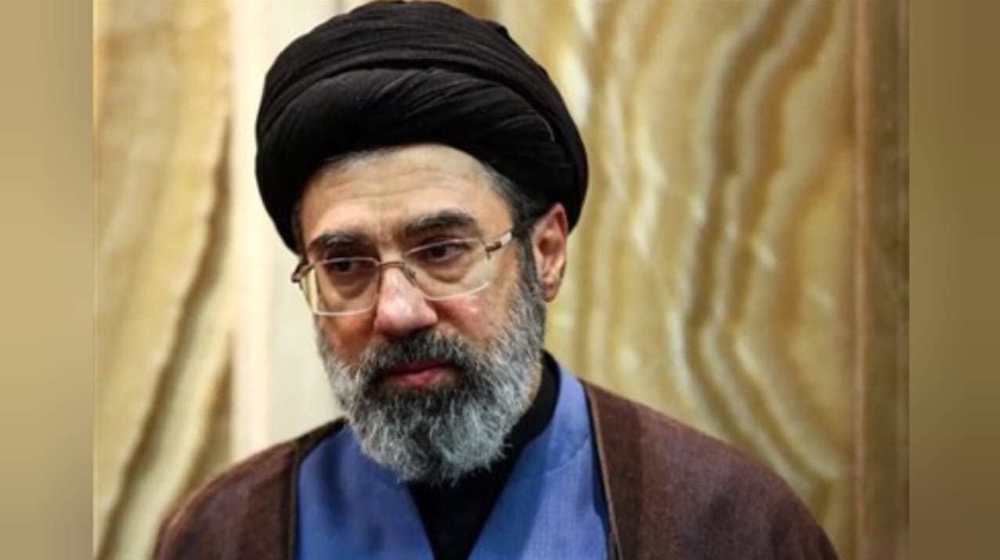
Profile: Ayatollah Seyyed Mojtaba Khamenei, third Leader of the Islamic Revolution



Blue Shield deployed at 120+ Iranian heritage sites amid US-Israeli strikes on culture
Iran: Strikes on US bases ‘legitimate self-defense’; Tehran committed to friendly regional ties
Trump's aides urging him in private to devise exit plan from Iran war
Iran destroys 10 US radars in region, says it will decide when war ends
‘There is no end to this war’: Commander says Iran firmly determined to punish US, Israel
Iran warns UN Security Council of ‘grave dangers’ to civilians amid US-Israeli aggression
Iran downed 11 US MQ-9 Reaper drones worth over $330mn: report
Iran official rejects Trump’s claims on women footballers, says ‘games’ can't divide country


 PressTV NEWSLETTER
now
PressTV NEWSLETTER
now

 This makes it easy to access the Press TV website
