Are countries hitting the brakes on F-35 orders after Israel's military debacle in Iran?
By Ivan Kesic
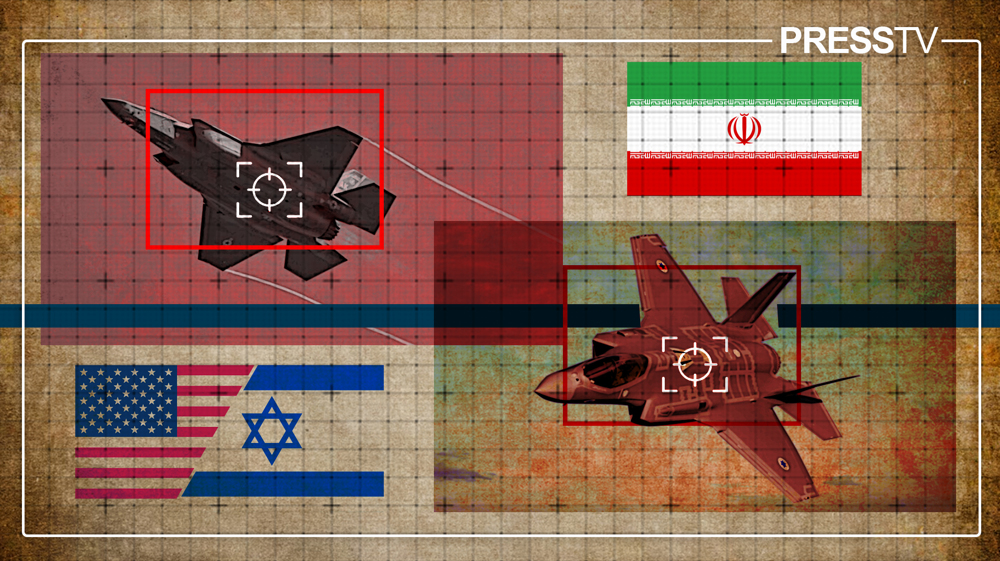
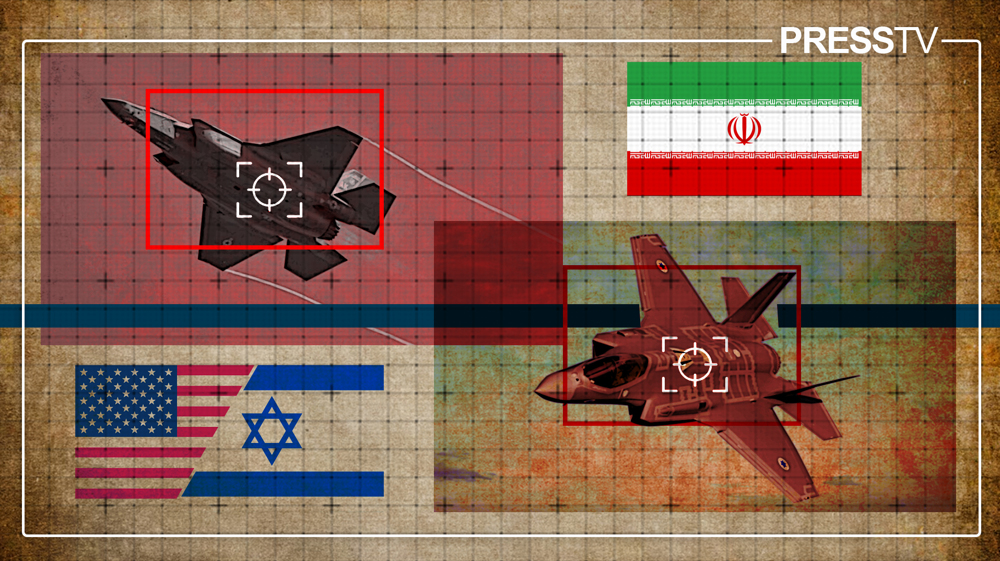
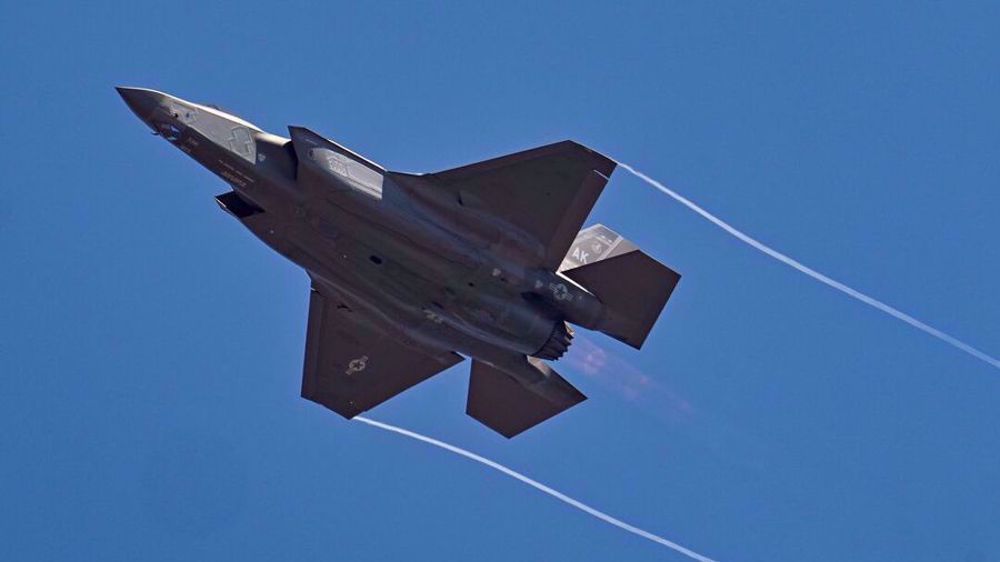
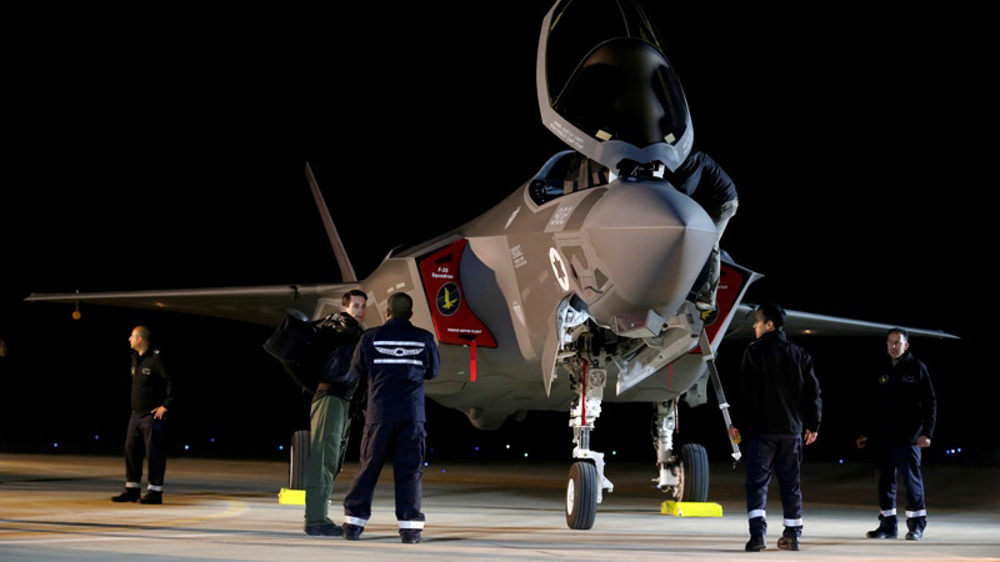
Following the embarrassing failure of much-hyped F-35 stealth jets in the Israeli aggression against Iran, Spain has officially decided to abandon plans to purchase the aircraft.
Several other countries are also reassessing their options, according to reports.
Spain has chosen to relinquish the US-made F-35 stealth fighter, instead turning its attention to European-built alternatives. This decision comes just one month after Israel’s unprovoked military aggression against Iran, during which multiple F-35s were reportedly downed.
Although no formal rejections of the F-35 had been announced previously, Spain’s move represents a significant and concrete shift, exposing the weaknesses of the American aircraft.
“This makes those concerns concrete,” said Mark Cancian, senior advisor at the Center for Strategic and International Studies (CSIS). “It shows a country altering its procurement plans based on geopolitical considerations.”
A spokesperson for the Spanish Ministry of Defense confirmed the exclusion of the F-35 from future acquisitions, telling Politico news magazine that the country would now prioritize the Eurofighter Typhoon and the Franco-German-Spanish Future Combat Air System (FCAS).
The ministry deferred inquiries to the Spanish Air Force, choosing to remain tight-lipped about it.
The announcement corresponds with a report from El País, citing government sources who said preliminary discussions regarding the F-35 have been suspended indefinitely.
Lockheed Martin declined to comment directly, noting that foreign military sales are handled by governments. The US government has not yet issued an official response to Spain’s decision.
Challenges surrounding Spain’s F-35 procurement
Spain had initially allocated €6.25 billion ($7.24 billion) in its 2023 budget to acquire new fighter jets, with the F-35 considered a potential option alongside European contenders such as the Eurofighter Typhoon and the Future Combat Air System (FCAS).
As a NATO member, Spain aimed to modernize its air force by replacing its aging F/A-18 Hornets.
The decision was driven not only by operational needs but also by alliance interoperability and regional security concerns, including tensions with Russia and instability in North Africa.
Over two years, growing domestic political pressure favored supporting European jobs and industries. Reflecting this shift, a Spanish defense ministry spokesperson confirmed on August 6 that the F-35 was no longer under consideration.
Spain canceled its plans to buy US-made F-35 fighter jets, opting instead for European alternatives amid growing tensions with Washington.
— Press TV 🔻 (@PressTV) August 7, 2025
Follow: https://t.co/B3zXG73Jym pic.twitter.com/kD1Z0almZr
Spain chose to prioritize European-made aircraft, weighing options between the Eurofighter Typhoon—co-produced with Germany, Italy, and the UK—and the FCAS, a collaborative Franco-German-Spanish program.
This move underscores Spain’s commitment to the FCAS project, in which it holds a 33 percent stake alongside France and Germany, promoting European defense collaboration and technological sovereignty.
The decision also aligns with the European Union’s broader push for strategic autonomy, aiming to reduce dependency on US technology, an imperative sharpened by supply chain vulnerabilities exposed by the Russia-Ukraine war.
Looking ahead, the Spanish government plans to boost defense spending by an additional €10.5 billion in 2025, with a clear focus on nurturing European defense industries.
From a financial standpoint, acquiring the F-35, which is estimated at $80–100 million per unit plus significant maintenance costs, was deemed less viable compared to leveraging existing Eurofighter production lines or investing in FCAS development, which promises sustained economic benefits for Spanish aerospace firms like Airbus.
Spain’s choice also sidesteps potential diplomatic friction with the US over Israel’s Qualitative Military Edge (QME) policy, a factor that has delayed F-35 sales to other regional US allies, including the UAE and Saudi Arabia. By opting for European systems, Spain avoids these complex geopolitical sensitivities.
Within Spain, public and parliamentary debates have raised concerns about US control over F-35 software and data, highlighting sovereignty issues similar to those experienced by Turkey and other countries.
Furthermore, strained relations between Europe and former US President Donald Trump have fueled momentum for European-made jets. Trump’s divisive rhetoric, including excluding European allies from Ukraine peace negotiations, repeatedly questioning NATO’s relevance, and even suggesting the seizure of European territory, has alienated traditional US partners.
Most alarmingly, Trump’s recent statement “encouraging” Russian confrontation against NATO members that fail to meet defense spending targets has deepened European doubts about America’s reliability as a security partner. These provocations, coupled with trade war tariffs, have intensified calls within Europe to bolster indigenous defense capabilities.
Other concurrent procurement setbacks for F-35
Spain is not alone in encountering difficulties with F-35 stealth fighter acquisitions. In recent weeks, a series of procurement challenges and debates have emerged globally, casting doubt on its appeal.
On July 23, Turkey took significant steps toward acquiring 40 Eurofighter Typhoon jets, signing preliminary agreements with the United Kingdom and Germany.
British Defense Secretary John Healey described these developments as “moving Turkey closer to a comprehensive agreement,” signaling what could be the final blow to Ankara’s F-35 ambitions.
Turkey was expelled from the F-35 program in 2019 after controversially purchasing Russia’s S-400 missile defense system, despite repeated warnings from Washington.
Although Ankara continues negotiations for readmission to the program, many analysts view its pivot to the Eurofighter as a strategic fallback amid likely failure with the US.
Meanwhile, on July 31, Bloomberg reported that Indian officials have formally informed their US counterparts of their decision to forgo the F-35 procurement.
According to anonymous American sources, New Delhi appears reluctant to commit to major new US defense purchases, despite Washington’s persistent lobbying to boost arms exports.
An official familiar with India’s stance noted, “The Indian government prefers partnerships centered on co-development and local manufacturing of defense systems.” This preference conflicts with the F-35’s limited customization options, which do not align with India’s push for self-reliance.
This rejection ends nearly a decade of US efforts to market the F-35 to India, including a personal appeal from Trump in February, framing the jet as part of an expanded strategic alliance.
In August, Swiss lawmakers called on their government to cancel a $9.1 billion deal to purchase 36 F-35 jets from Lockheed Martin, citing Trump’s tariffs on Swiss exports as a key reason for opposition.
Throughout the summer, Canadian military sources have also reiterated that they are reviewing alternatives to purchasing an additional 76 F-35 jets, prompting a broader defense review.
Hidden reason behind F-35 procurement doubts
Interestingly, the mounting skepticism and procurement setbacks faced by Spain, Turkey, India, Switzerland, and Canada all intensified in the wake of Israel’s failed aggression against Iran.
During this unprovoked and unjustified war, the Israeli regime falsely claimed to have achieved “air superiority” over Iranian airspace, insisting that its F-35 stealth jets operated unhindered.
This narrative closely echoed Lockheed Martin’s long-standing marketing message, which promotes the F-35 as the stealthiest fighter jet, virtually invisible to enemy defenses.
However, military analysts have since debunked these assertions, pointing out that Israeli propaganda conflated short-range drone strikes within Iran with full-scale airstrikes.
More critically, genuine air dominance would have decisively favored Israel, yet the opposite occurred: Iran’s ballistic missile attacks escalated, and Israel was ultimately forced to halt its aggression.
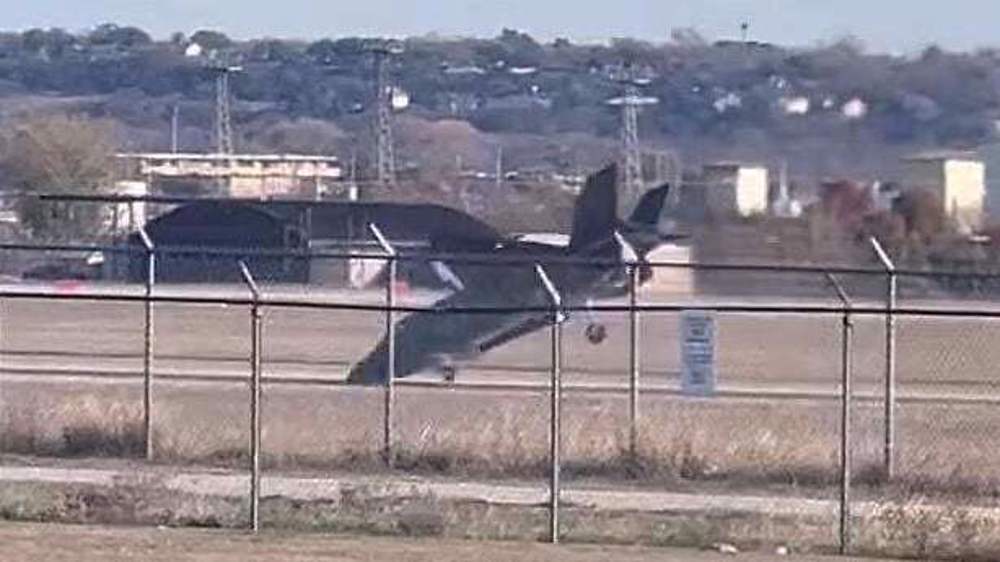
Iran’s military public relations also made a stunning revelation of downing several Israeli F-35s during the war, reports that shook confidence in the jet’s supposed invulnerability.
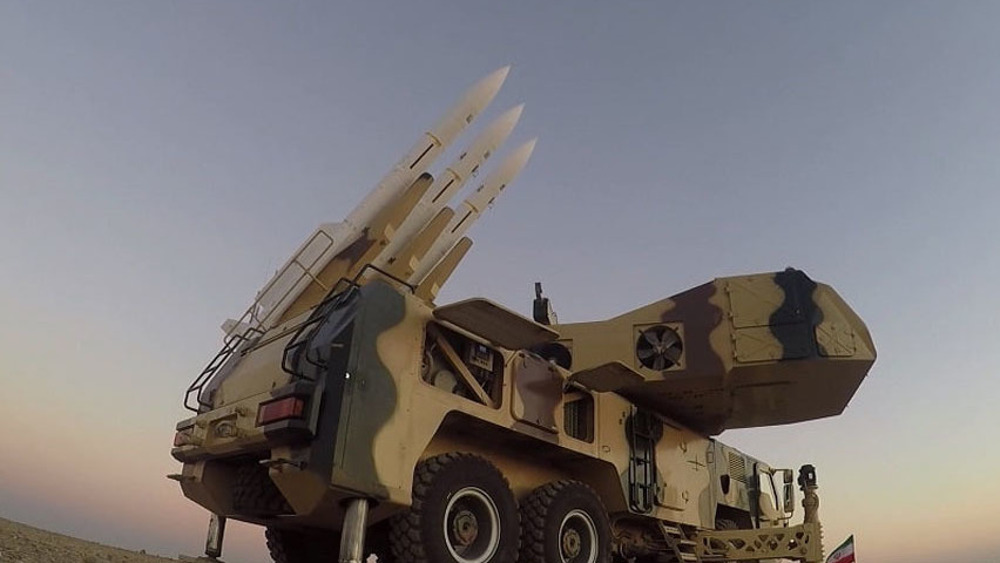
The Iranian armed forces, as per sources, executed a sophisticated deception strategy during Israel’s initial strikes: they withdrew operational radar systems from active service, concealed them, and deployed decoy installations as bait. Israeli drones successfully targeted these dummy sites, leading Israeli commanders to mistakenly believe they had crippled Iran’s air defenses.
This critical miscalculation prompted Israeli pilots to penetrate deeper into Iranian airspace, unaware that Iran had stealthily reactivated its hidden radar networks.
The result was devastating. Iranian air defenses successfully shot down multiple advanced F-35 stealth fighters, inflicting unexpected losses on the Israeli Air Force, according to military sources.
The element of surprise was decisive—without this tactical edge, earlier interception attempts likely would have failed.
Iran’s delayed counterattack also yielded significant intelligence advantages. Unlike debris falling in neighboring Iraq, wreckage from the downed jets landed within Iranian territory, enabling Tehran to conduct detailed technical analyses of captured stealth technology.
Although unofficial images of aircraft debris circulated widely on social media, Iran’s military has deliberately withheld official photographic evidence, sources said.
This strategic silence serves two purposes: maintaining ambiguity over what stealth capabilities were recovered, and preventing Western intelligence from identifying which technologies Iran might reverse-engineer or share with allied nations.
Unsurprisingly, both Israeli and American officials have continued to deny any F-35 losses, as admitting such would jeopardize billions of dollars in ongoing and future procurement contracts.
However, that is already happening as potential clients are distancing themselves from F-35.
Iran shoots down trespassing US drone near Bushehr: Report
May 28: Leader warns of enemy plots to sow discord as IRGC responds to fresh US aggression
Iran vows proportionate response to US 'provocations' after Bandar Abbas strike



Iran, Oman FMs discuss administration of Hormuz Strait in ‘very productive’ call
Italy: Protesters stage nationwide strike, demand end to Israeli genocide in Gaza
US will not be allowed to control Cuba's destiny through coercion, military threats: Diplomat
Iran’s active role in Eurasian bloc reflects its strong commitment to development: President
Champions again: Iran women’s volleyball retains CAVA title
Polls show Trump’s approval ratings drop to new lows
Chief negotiator: Iranian missiles win concessions, talks just make US understand
Hezbollah: 'No choice but resistance' as Israel expands Lebanon aggression



 PressTV NEWSLETTER
now
PressTV NEWSLETTER
now
 This makes it easy to access the Press TV website
