Iran: Germany must shoulder its ‘legal, moral’ liability for Sardasht chemical attack
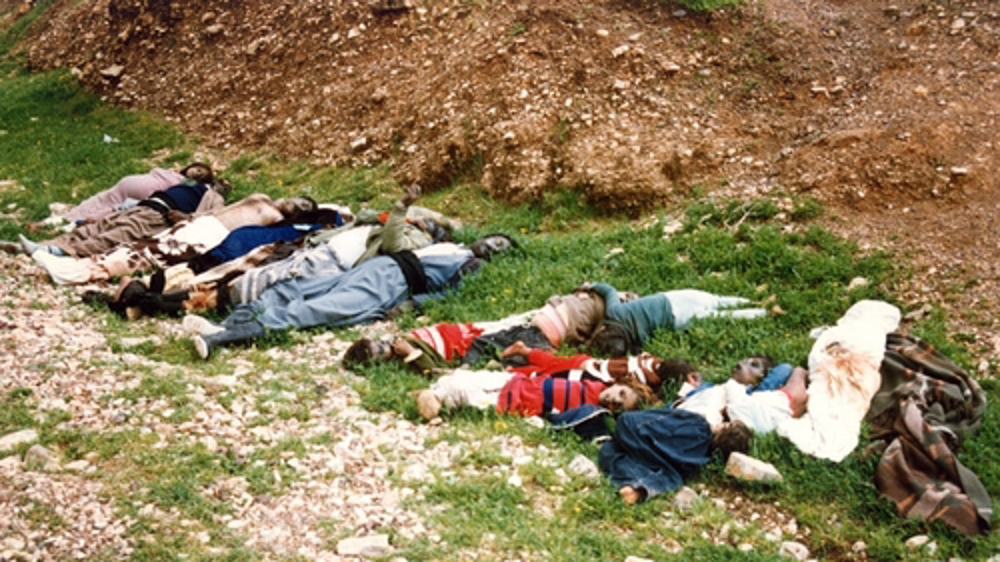
Iran says Germany must accept its “legal and moral” responsibility for a 1987 chemical attack on the Iranian city of Sardasht in northwestern Iran by Western-backed former Iraqi dictator Saddam Hussein.
Foreign Ministry spokesman Esmaeil Baghaei made the remark in a post on his X account on Saturday on the occasion of the 38th anniversary of the chemical attack on Sardasht in West Azerbaijan Province.
“Germany must shoulder its legal and moral responsibility by disclosing the truth about its role in Iraq’s chemical weapons program,” he wrote.
He added that the German government was actively aware of the fact that the country’s companies played a “significant” role in developing Iraq’s weapons of mass destruction program.
Today marks the 38th anniversary of Saddam’s chemical attack on #Sardasht, northwestern Iran.
— Esmaeil Baqaei (@IRIMFA_SPOX) June 28, 2025
It was not the first time the Iraqi dictator used #chemical_weapons in his war of aggression against Iran. Throughout the eight-year imposed war, Saddam’s army repeatedly gassed Iranian… pic.twitter.com/Dg1NTsVX1D
Baghaei noted that the Sardasht attack was not the first time that the Iraqi dictator used chemical weapons in his “war of aggression” against Iran.
He emphasized that Saddam’s army repeatedly gassed Iranian soldiers and civilians with total impunity throughout Iraq’s eight-year imposed war.
After 38 years, Iranians continue to demand truth and justice regarding those who armed Saddam’s regime with chemical weapons, the spokesperson said.
He highlighted the role of Germany, Britain, the United States, and the Netherlands in developing Iraq’s chemical weapons program one way or another.
“Iran’s demand for truth and justice will not fade as war crimes and crimes against humanity carry no statute of limitations,” Baghaei pointed out.
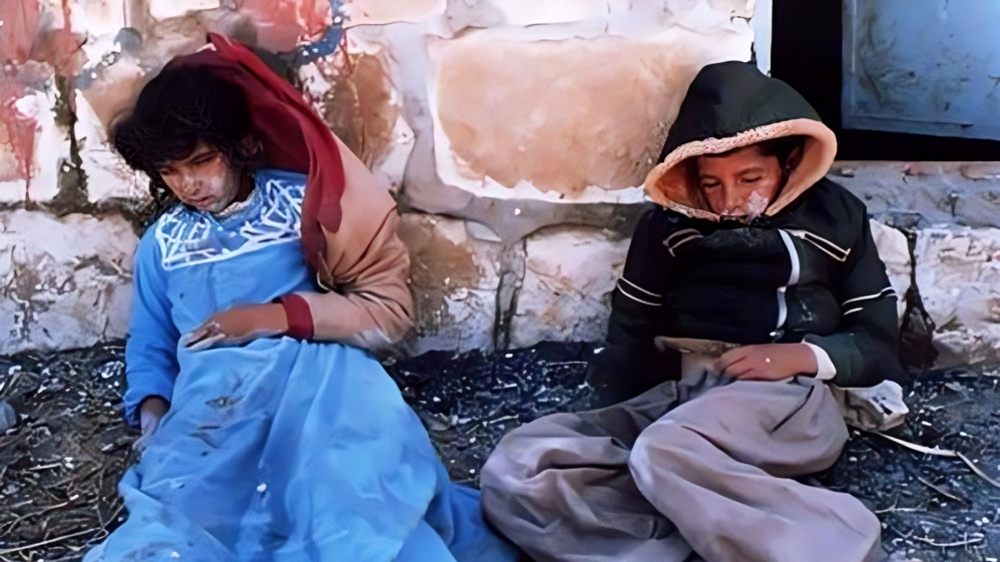
The chemical bombardment of Sardasht was conducted on June 28, 1987, seven years into the Iraqi-imposed war on Iran.
During the war, which lasted eight years, the Iraqi army continuously employed chemical weapons against Iranian soldiers and civilians, leaving tens of thousands dead on the spot and many more suffering for years to come.
Over 100 people were killed in the Sardasht attack, and thousands more were exposed to chemical agents.
After three decades, many of the survivors of the chemical attack still have to live with the long-term respiratory and even psychological effects of inhaling mustard gas used in the attack.
Grand Ayatollah Shobeiri Zanjani passes away at age of 98
Iran must fight US blockade with energy blockade: Deputy speaker
Iran’s president to attend UN General Assembly in New York


Iran’s Armed Forces vow to inflict further defeats on US, Israeli enemies
Child among two Palestinians abducted in Israeli West Bank raids
Putin’s United Russia leads wartime parliamentary elections
Pezeshkian to travel to New York on Tuesday to address UN General Assembly
Iranian swimmers reach Asian Games finals for first time in 16 years
VIDEO | Press TV's news headlines
VIDEO | Four injured as explosions rock Aleppo munitions depot in northern Syria
VIDEO | Trump stuck between war pressures and domestic challenges


 PressTV NEWSLETTER
now
PressTV NEWSLETTER
now
 This makes it easy to access the Press TV website
