Vaccine disparity in US grows, with socially vulnerable groups left behind: Study

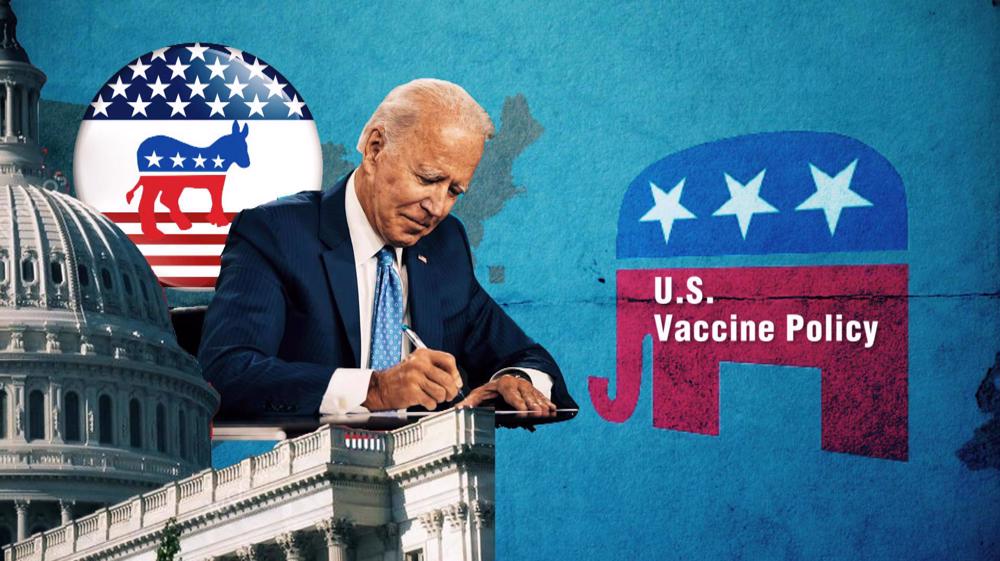
While US President Joe Biden has set a lofty goal of 70 percent American adults receiving their first Covid-19 shot by July 4, some of the most vulnerable groups are being left behind in the campaign.
As of June 2, around 51.9 percent of the US population has been fully vaccinated, according to TIME; however the self goal of 70% vaccination by July 2 seems far-fetched given the disparity.
Biden on Wednesday said the federal government is stepping up efforts to make Covid-19 vaccination more convenient while doling out incentives.
“Americans headed into the summer dramatically different from last year's summer,” the US president said. “A summer of freedom, a summer of joy, a summer of get-togethers and celebrations, an all-American summer that this country deserves after a long, long dark winter that we've all endured.”
This optimism, however, seems to be misplaced as the “summer of freedom, joy, get-togethers and celebrations” is not shared by some of the most vulnerable people in the country.
According to a new report by the US Centers for Disease Control and Prevention, the national public health agency of the country, published on May 28, people who live in counties considered the most socially vulnerable are only 42% vaccinated, compared to 60.1% people in least vulnerable counties.

The findings are based on the agency’s social vulnerability index (SVI), which ranks US counties by socio-economic status, household composition, racial and ethnic makeup, transportation access etc.
The researchers found the SVI-based vaccination gap more distinct in suburban and rural areas, which appears to have worsened over time.
The disparity has grown particularly since May 1 with vaccination rate coming down to 49% in the most vulnerable counties, compared to almost 60% in the least vulnerable counties.
Vaughn Barry, one of the authors of the report, is quoted saying by TIME that he was surprised to see disparities grow even as vaccine eligibility and access expanded across the country.
“It just demonstrates again how important it is for all people to receive the Covid-19 vaccine when it is available to them so that we can continue taking steps towards ending the Covid-19 pandemic,” he is quoted as saying.
The low vaccination rate among people in vulnerable rural counties in the US has become a matter of grave concern for authorities, as rural poor are at greater risk of contracting Covid-19 and have been disproportionately affected by the pandemic.
By the end of last year, 1.86 for every 100 people in the country’s rural areas died from the virus, compared to 1.26 in urban areas, according to US Department of Agriculture data.
Vaccine hesitancy among the most vulnerable communities in the US, including Black Americans, has also contributed to this growing vaccination gap. The trust deficit is massive.

According to a Kaiser Family Foundation survey in May, 24% of rural Americans said they definitely won’t get the vaccine, compared to 15% of suburban people and just 7% of urban residents.
The hesitancy also has a political aspect to it. Rural Americans are more pro-Republican, and 27% of self-proclaimed US Republicans say they don’t want to be vaccinated, compared to 11% of independents and just 3% of Democrats, the survey reveals.
Another factor is lack of access. Researchers at the University of Iowa in February found that 111 rural US counties lack a pharmacy eligible to provide Covid-19 vaccines, and a further 307 counties had only one such facility, which has left rural poor at the mercy of the cataclysmic disease.
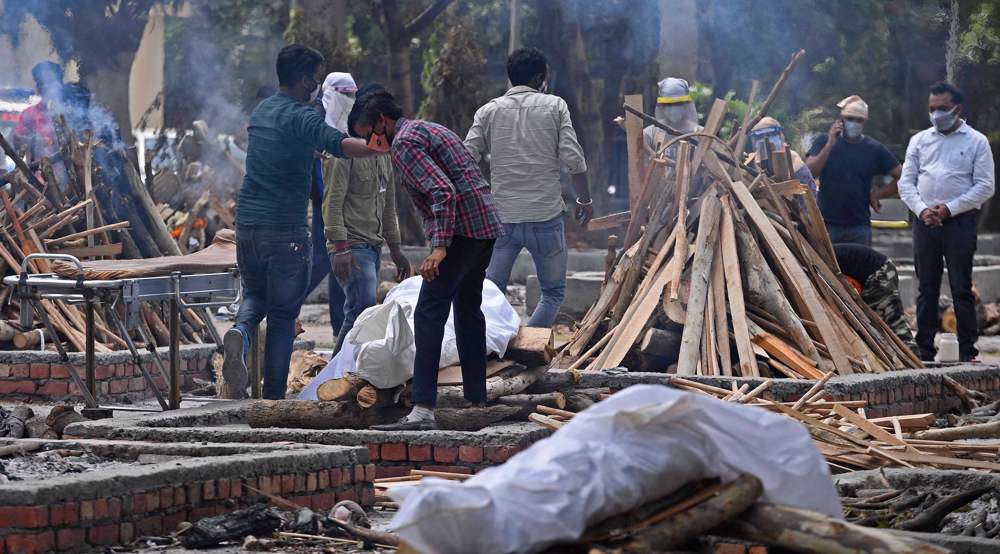
The country has so far recorded 33.3 million cases of the virus beside 595 thousand deaths, making it the worst-hit country in the world.
New York City's chief financial officer to defy Mayor Mamdani by purchasing Israeli bonds
Pentagon readies 1,500 soldiers to deploy for Minnesota protests crackdown
US judge bars federal agents from pepper spraying, arresting protesters in Minnesota


VIDEO | Trump's Iran blunders
Senior cmdr. strongly warns Trump following rhetorical remarks concerning Leader
EU Parliament halts US trade deal after Trump tariff threat
VIDEO | An unchecked presidency
VIDEO | Deportations strain Afghanistan’s fragile economy
‘Full-scale atrocity’: Iran security body reports 2,427 martyrs in US-Israeli-led riots
Smallest coffins are the heaviest: The three youngest victims of foreign-backed riots in Iran
Hamas warns of ‘systematic Israeli violations’ as Gaza ceasefire teeters




 PressTV NEWSLETTER
now
PressTV NEWSLETTER
now

 This makes it easy to access the Press TV website
